


When it comes to DC machines, the armature winding plays a crucial role in converting electrical energy into mechanical motion—and vice versa. Among the different winding methods, lap winding stands out for its ability to handle high current, making it ideal for low-voltage applications.
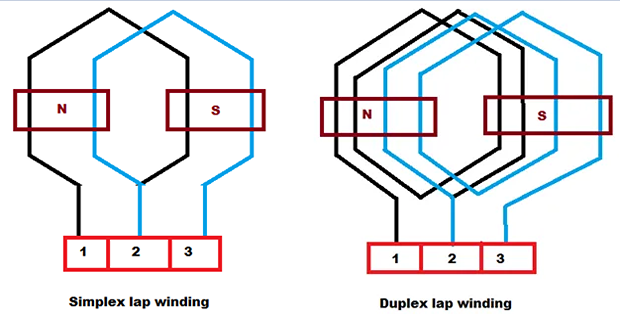
Within lap winding, there are two main types: Simplex and Duplex. Each has its own structure, performance benefits, and best-fit use cases. In this guide, we’ll walk you through everything you need to know—from how they’re built, to the key formulas, pros and cons, and when to use each. Whether you’re designing a small motor or planning for a heavy-duty system, understanding these winding types will help you make the right choice.
What Is Lap Winding?
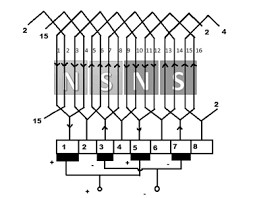
Lap winding is a type of armature winding used in DC machines, where each coil “laps” over the next, creating multiple overlapping paths. In this setup, the end of one coil connects to the start of the next, both lying under the same magnetic pole and linked to adjacent commutator segments.
This configuration creates multiple parallel paths for current to flow, making it ideal for low-voltage, high-current applications like DC generators and motors. Thanks to its structure, lap winding ensures better current distribution across the armature, which is crucial for heavy-duty electrical equipment.
Simplex Lap Winding Explained

In Simplex Lap Winding, the number of parallel paths equals the number of poles in the DC machine. That means if you have 4 poles, there are 4 paths for current to flow—one per pole. The coils are connected in such a way that the finishing end of one coil links to the commutator segment, and the next coil starts from the same pole position. This creates a compact, overlapping loop that repeats around the armature.
Its simple structure makes it easier to design and maintain, especially for machines that don’t need high voltage but demand high current. You’ll often find Simplex Lap Winding used in small DC generators, low-voltage motors, and educational demo models.
Duplex Lap Winding Explained
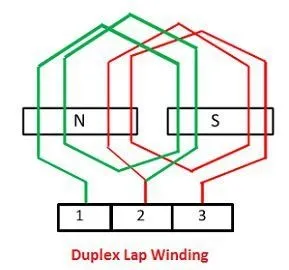
Duplex Lap Winding doubles the number of parallel paths compared to Simplex. That means:
Number of parallel paths = 2 × number of poles. If you have 4 poles, there are 8 paths for current to flow. This setup is achieved by layering two identical windings on the same armature—one using even-numbered commutator segments, the other using odd-numbered ones.
This design is ideal for heavy-current applications where a single winding wouldn’t handle the load efficiently. Though slightly more complex in construction, it offers better current distribution and enhanced durability. You’ll often find Duplex Lap Winding in industrial DC machines, large generators, and motors requiring rugged performance.
Its increased current-handling capability comes at the cost of higher material use and more complicated connections—but for the right job, it’s well worth it.
Simplex vs. Duplex Lap Winding Comparison

When comparing Simplex and Duplex Lap Windings, it’s important to consider how each one performs under different technical and application demands. Here’s a breakdown to help you decide which suits your motor setup best.
1. Parallel Paths

Simplex Lap Winding provides one parallel path per magnetic pole, making it a good choice for systems with lower current demands. In contrast, Duplex Lap Winding doubles this—offering two parallel paths per pole—which allows it to handle much higher current levels.
2. Complexity

Simplex is mechanically simpler, with fewer conductors and easier-to-trace coil connections. Duplex is more complex, requiring two windings layered on the same armature, often resulting in a denser layout and trickier repairs.
3. Load Handling
Because of its limited parallel paths, Simplex is best for light-load applications like small motors or DC generators. Duplex, with its added paths, is built for heavy-load industrial environments, such as steel rolling mills or traction motors.
4. Cost Consideration
Simplex windings are cheaper to build and maintain due to lower material and labor needs. Duplex systems come with higher costs but deliver higher performance where needed.
5. Common Uses
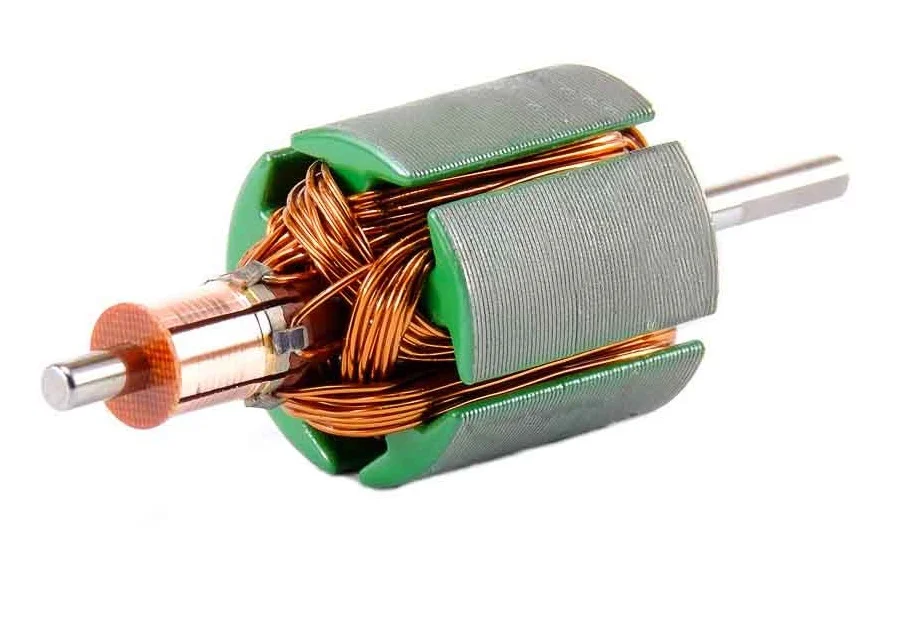
Use Simplex Lap for economical, compact systems. Choose Duplex Lap for power-intensive machinery that can justify the extra investment.
Advantages and Disadvantages

Understanding the pros and cons of each winding type helps you pick the right solution for your motor needs.
Simplex Lap Winding
✔ Simpler design makes it easy to manufacture and maintain
❌ Lower current capacity limits its use in high-power systems
Duplex Lap Winding
✔ Ideal for high-current loads like industrial machinery
❌ More complex structure increases cost and requires skilled handling
Each has its place—choose based on how much power your system demands and the complexity you’re ready to manage.
FAQs About Simplex and Duplex Lap Windings
1. Is duplex lap winding harder to maintain?
Yes, duplex lap winding is more complex due to its structure, requiring more skill during manufacturing and maintenance.
2. Can both winding types be used in the same motor?
No, typically a motor is designed specifically for one type. Mixing them can disrupt electrical balance and performance.
3. Why is lap winding preferred for low-voltage machines?
Lap winding creates more parallel paths, which reduces voltage per path and allows it to handle high current at lower voltages efficiently.

 English
  Spanish
  Russian
  Italian
  German
  Chinese