


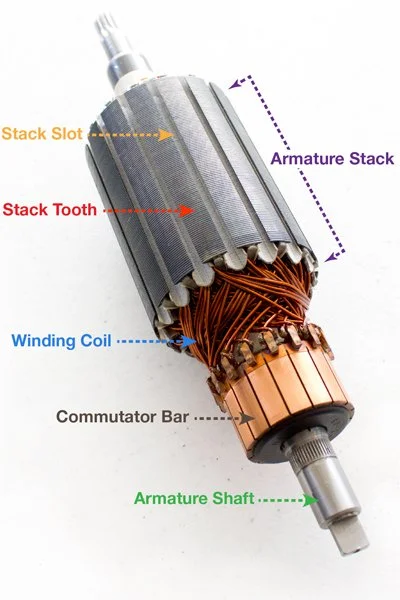
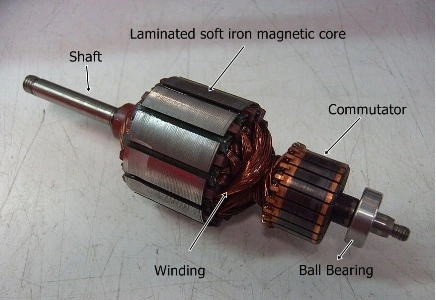
Armature winding is a crucial component in DC motors and generators, consisting of insulated copper wire coils wound around the armature core.

When current flows through these windings, it generates a magnetic field, enabling the conversion of electrical energy into mechanical motion in motors and mechanical energy into electricity in generators.
The key components include copper wire, a commutator, insulation materials, and a laminated iron core.
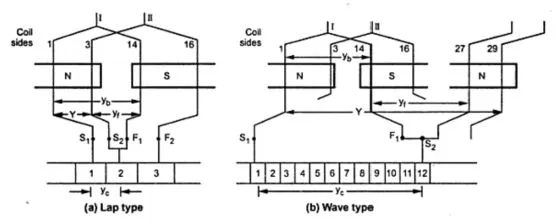
Lap Winding
- Coils are connected in parallel, forming multiple paths for current flow.
- Parallel paths (A) = Number of poles (P).
- Best for: High-current, low-voltage applications.
- Common Uses: Heavy-duty motors, electric locomotives, and industrial machines.
Wave Winding
- Coils are connected in series, creating two parallel paths regardless of pole count.
- Parallel paths (A) = 2.
- Best for: High-voltage, low-current applications.
How Armature Windings Work
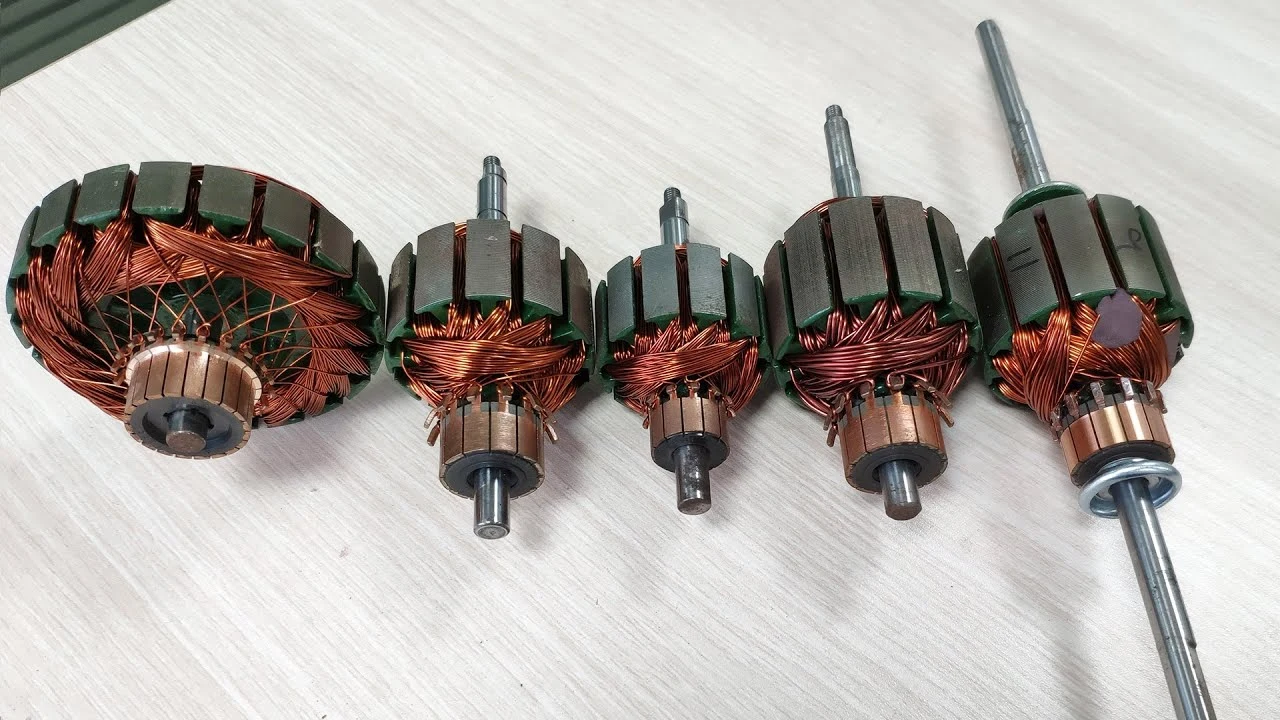
Armature windings operate based on electromagnetic induction, where current passing through the coils generates a magnetic field that interacts with the field winding to create motion.
The commutator plays a crucial role in reversing the current direction at precise intervals, ensuring smooth and continuous rotation.
The design of the winding directly affects motor performance—more winding turns increase voltage output, while thicker wire lowers resistance and allows higher current flow.
A well-optimized winding configuration enhances torque, efficiency, and overall motor reliability.
Common Issues in Armature Windings
Armature windings can face several challenges that impact motor performance and lifespan:
- Overheating – Caused by excessive current, inadequate ventilation, or high resistance, leading to insulation degradation.
- Short Circuits & Open Circuits – Occur due to insulation failure, mechanical damage, or broken coil connections, disrupting current flow.
- Brush Sparking & Commutation Issues – Arise from incorrect brush alignment, sudden load changes, or worn-out windings, reducing efficiency.
- Mechanical Wear – Continuous vibration and friction can damage insulation, misalign coils, and cause performance issues.
Regular maintenance helps prevent these problems, ensuring smooth motor operation and longevity.
How to Maintain and Test Armature Windings
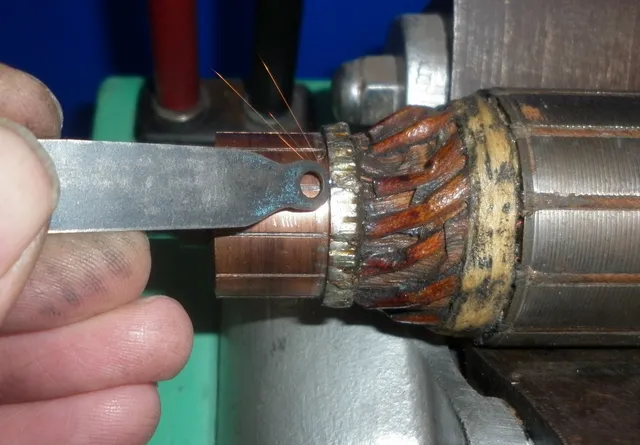
Proper testing and maintenance ensure reliable motor performance and longevity.
Testing Methods:
- Visual Inspection: Look for burn marks, loose connections, or physical damage.
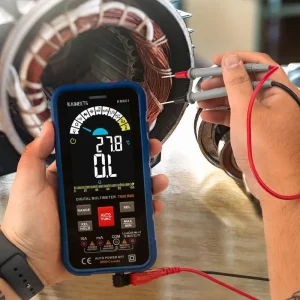
- Continuity Test: Use a multimeter to detect breaks in the circuit.
- Insulation Resistance Test: A megger measures insulation integrity.
- High-Pot Testing: Ensures windings withstand high voltage without failure.
Preventive Maintenance Tips
- Regularly clean and inspect commutators and brushes.
- Maintain proper ventilation to prevent overheating.
- Monitor vibrations and misalignments to avoid premature wear.
- Routine checks help prevent costly failures and keep motors running efficiently.
Conclusion
Armature windings are crucial for the efficiency and longevity of DC machines, influencing torque, energy conversion, and overall performance.
Regular testing and maintenance help prevent failures, minimize repair costs, and extend motor life.
For expert guidance on motor winding solutions, feel free to contact us.
 English
  Spanish
  Russian
  Italian
  German
  Chinese