


Transformer Winding: Definition & Core Concepts
Explore transformer winding, its types, working principles, and applications. Learn how windings impact voltage regulation, efficiency, and energy transfer.


Winding machines are essential pieces of equipment in the lighting industry. They are used to wind wires onto cores and create coils that are then used in a variety of lighting components, from transformers and ballasts to LED modules and fluorescent lamps. Remember, the quality and efficiency of a winding machine can have a massive effect on the performance and lifespan of a lighting product.

There are mainly three types of winding machines used in this industry, namely:
Let’s understand them one by one:

Coil winding machines are machines that use a carefully controlled process of wire rotation and layering to create electromagnetic coils. This coiling can be done on a central support like a bobbin or toroid. The coil so created may have one or multiple layers of wire or tubing based on its intended purpose. In the lighting industry, coil winding is used in manufacturing LED drivers, electronic ballasts, electronic transformers, and more.
Types of coil winding machines
The main types of coil-winding machines include:
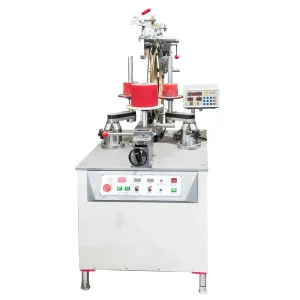
These can coil wires of varying grades and thus cater to the needs of different electronic components and machinery.
Winding machines are essential equipment used in the lighting industry to manufacture various electrical and mechanical components. We’ll discuss a few examples:
Winding machines are used to wind conductive tracks and solder pads onto flexible substrates of LED strips and modules. This helps in manufacturing customized lighting configurations and other lighting designs, such as curved strips and backlighting panels.
In lighting circuits, chokes and inductors play a key role by filtering out noise, stabilizing current flow, and limiting inrush currents. Winding machines guarantee the correct inductance and electrical properties, ensuring precise winding for optimal performance. This not only prevents flickering but also extends the lifespan of LEDs
As we know, transformers convert voltage levels in lighting systems. Winding machines coil copper wire onto cores and create efficient transformers that deliver the required voltage to lamps and other lighting. You can use different winding techniques for different transformer types, such as toroidal transformers for high-efficiency applications and laminated transformers for general lighting.
Starters and ballasts regulate current flow and initiate lamp ignition in fluorescent and traditional lamps. Winding machines create the required electrical characteristics for effective lamp operation with winding. This means you get proper lamp starting, stable operation, and optimal light output.
Winding machines can also be used to create decorative lighting elements, such as wire-wrapped lampshades and pendant lights. These machines can wind various materials, like wire, rope, or even optical fibers, to make unique and artistic lighting designs.
Winding thin LED filaments onto a glass substrate is essential for creating LED filament bulbs. These machines ensure accurate spacing, tension, and layer formation, impacting light quality and bulb lifespan. Different types of winding machines are also used depending on the desired filament shape and complexity. For example, high-speed machines for straight filaments or slower, specialized machines for intricate designs.
The global lighting industry reaps a lot of benefits due to the abilities of these advanced machines.
As we know, components such as transformers, inductors, and electromagnets are necessary for the proper functioning of various lighting fixtures. These can be wound easily with the help of these sophisticated machines.
These machines wrap coils and other parts quickly, speeding up production. It means you can do more things to meet deadlines and exceed expectations. Since fewer people are needed, the manufacturers can save on labor costs.
For accuracy, there are sensors and controls to keep a check on speed, tension, and other such functions. Some high-tech machines are also available on the market; these can learn about the errors, rectify them, and thus ascertain a high level of accuracy.
Winding machines help create coils that are consistent throughout. This even coiling or wrapping makes the lights shine evenly without flickering. This perfect wrapping also helps lights use energy better, making them more efficient and possibly saving electricity. Additionally, it makes the parts last longer, so people don’t have to fix or replace them often.
The lighting industry requires a machine that can monitor and record data on various parameters like wire tension, speed, and turns. They need this data for quality control, process optimization, and predictive maintenance. The right device can do this all.
With automated winding, you can remove repetitive and potentially hazardous manual tasks. The advantages of doing this are many, but the most important is the creation of a safer and ergonomic work environment for those working around.
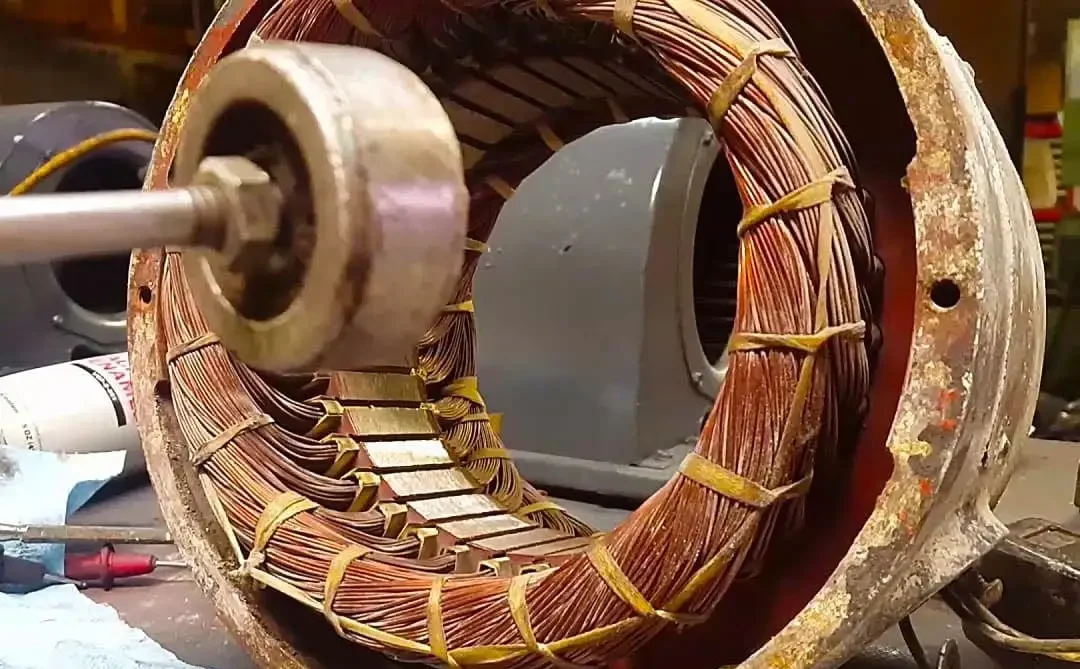
As we know, choosing a compatible machine is vital to ascertain the results you desire. But, even if you choose the correct one, they may also start acting up every once in a while. In such cases, a systematic approach is applied. Here’s what you should do:
Search the Problem: Listen carefully. Your machine should work without making strange noises. So. If there are unusual noises, tension inconsistencies, winding errors, or monitor production output, it means there is a hidden problem. Track production data, error logs, and maintenance records to identify patterns. This will help you in finding the origin of the problem.
The Solutions:
Try the following to fix the issues.
If your machine has computer control, update software if necessary and diagnose error codes according to the manufacturer’s manual.
The above issues are only the tip of the iceberg. There may be other issues stopping the winding machine from performing well. Check them using the following information.
Uneven winding:
Wire breakage:
Incorrect turns or layers:
Motor or drive problems:
The lighting industry is advancing every day, and so is winding technology. Here are a few examples.
Nanomaterials.
Things like carbon nanotubes (CNTs) and graphene can replace copper. The use of these really tiny materials in winding technology makes the coils conduct electricity better and have more mass in a smaller space. CNTs are especially great because they conduct electricity much better than metals, and CNT yarn is both strong and lightweight.
AI makes winding machines smarter. It predicts and prevents problems, saving time and money. It also watches the winding process in real-time, making things better. Plus, it helps design efficient winding patterns, automates processes, and creates special programs for different needs.
Winding machines can be called the unsung heroes of the lighting industry, silently contributing to the illuminating products we use every day. Their precise craftsmanship underpins the quality and performance of countless lighting fixtures, from homes and offices to stadiums and theaters. So, the next time you flick on a switch or admire a beautifully crafted lamp, take a moment to appreciate the hidden hand of the winding machine.
When choosing winding machines, consider their production volume, wire/filament type, spool size and type, desired level of automation, and budget.
Maintaining proper tension on the wire or filament during winding is critical for preventing breakage, ensuring consistent winding, and maintaining optimal performance.
Regular cleaning, lubrication, calibration, and parts replacement following manufacturer recommendations are some regular maintenance needs of the winding machines.


Explore transformer winding, its types, working principles, and applications. Learn how windings impact voltage regulation, efficiency, and energy transfer.

Compare toroidal and E-I transformers by efficiency, noise, size, cost, EMI, inrush current, and applications to find the right choice.

Master coil winding machine operation with practical tips on setup, tension control, programming, safety, maintenance, and precise, efficient winding.
A guide to leading transformer winding machine manufacturers worldwide, comparing their specialties and solutions to help you find the right production partner.

A concise guide to concentrated vs distributed windings, covering structure, EMF, efficiency, losses, and key applications.

Top coil winding machine manufacturers in India offer CNC, toroidal, and SPM solutions for transformer and motor industries worldwide.
 English
  Spanish
  Russian
  Italian
  German
  Chinese