


Coil winding is the process of wrapping insulated wire around a core to form a coil—something you’ll find inside countless everyday devices. From the humming motor in your fan to the transformer in your phone charger, these wound coils are at the heart of how electricity gets controlled and directed.

What makes coil winding so important is its direct impact on the performance, efficiency, and reliability of components like motors, inductors, sensors, and transformers. And because different devices have different requirements, the method of winding, the level of precision, and even the size of the wire must all be tailored to fit.
Whether it’s a micro-sized coil in a medical implant or a large winding in an industrial transformer, the right winding approach makes all the difference.
What Is Coil Winding?
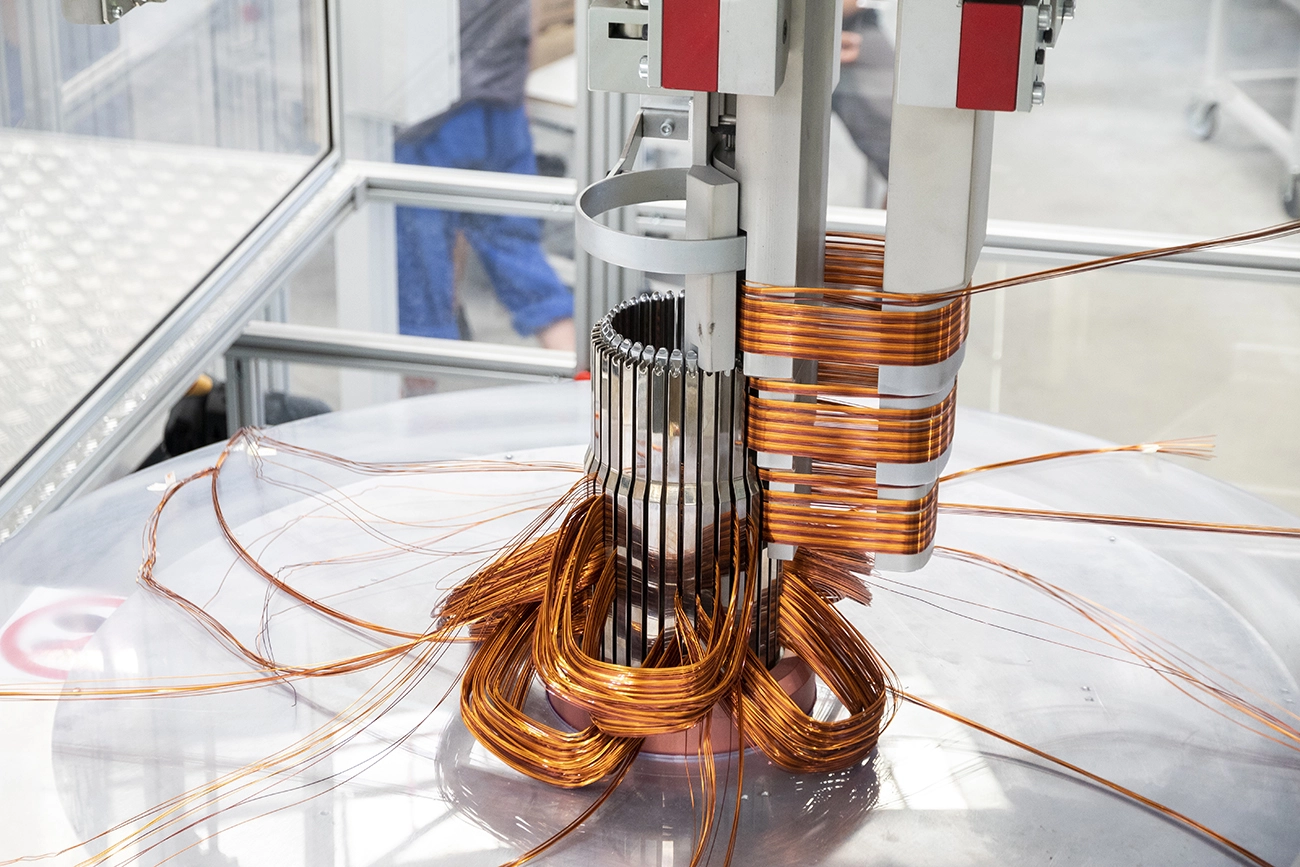
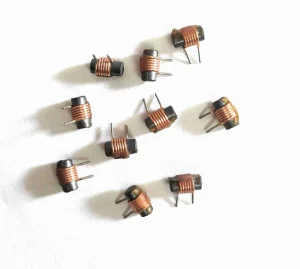
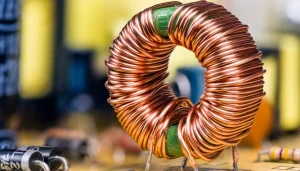
Coil winding is the process of wrapping insulated wire around a core, bobbin, or pin to create a coil that can generate or react to a magnetic field. These coils are essential in electrical components like transformers, inductors, motors, and sensors.
The science behind coil winding lies in electromagnetic induction—when an electric current flows through a wound wire, it produces a magnetic field. This principle is what makes transformers step voltage up or down, motors spin, and sensors detect changes in current or position.
Depending on the device, coils may have single or multiple layers, be wound tightly or spaced apart, and follow patterns that influence their electrical and magnetic performance.
How Does Coil Winding Work?

At its core, coil winding is a beautifully precise process where every step matters. Whether you’re building a transformer or a miniature medical sensor, the goal is to wind wire in exact layers that perform reliably over time.
Let’s walk through the typical steps involved in the coil winding process:
1. Wire Preparation
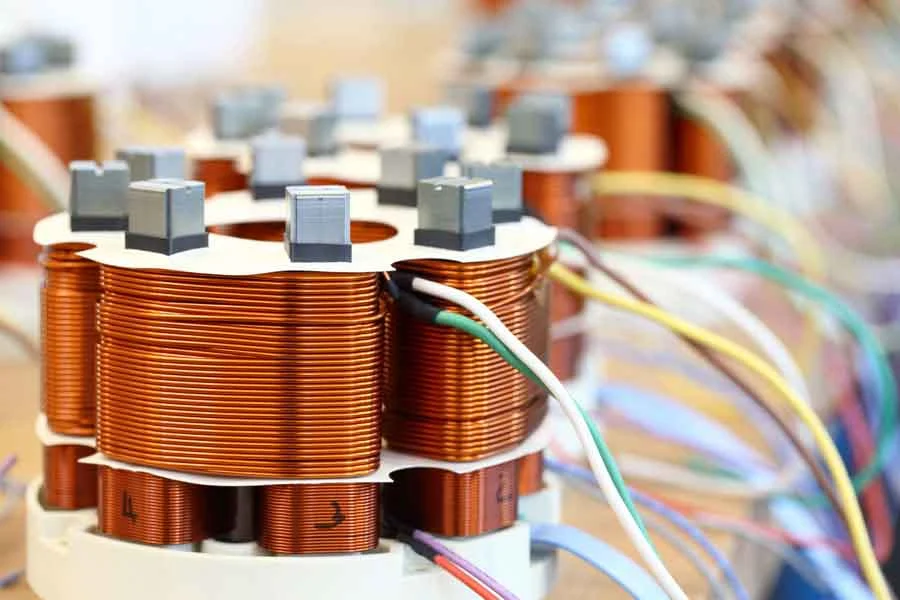
The journey begins with insulated copper or specialty metal wire. These wires are chosen based on conductivity, heat resistance, and application needs.
2. Core Setup
A core or bobbin—the object to be wound—is securely mounted on a spindle, ready to rotate.
3. Threading & Tensioning
The wire is fed through a series of guides and tensioners to maintain even pressure and avoid slack or breakage.
4. Winding Execution
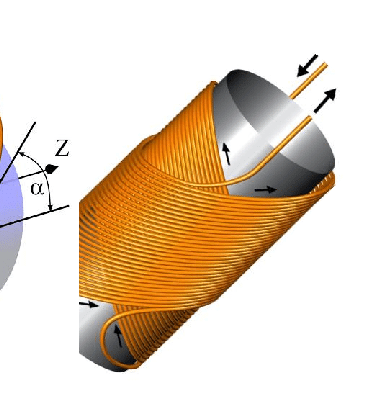
The spindle rotates, while the wire guide moves back and forth, layering the wire with precision.
5. Layering & Counting
Programmable controls track each turn, helping maintain consistent layer thickness, spacing, and geometry.
6. Cutting & Finalizing

Once the desired number of turns is achieved, the machine cuts the wire. In some cases, final touches like taping or insulation are added for safety and durability.
FAQs
1. Can coil winding handle very thin wires?
Yes, advanced machines can wind wires as thin as 8–9 microns, used in micro-coils for medical or high-frequency electronics.
2. Why is tension control important?
It keeps the wire evenly layered and prevents breakage, essential for coil performance and long-term durability.
3. Is coil winding customizable for different devices?
Absolutely. Machines can be tailored for coil shape, wire type, winding speed, and layer patterns to match specific design needs.
Conclusion
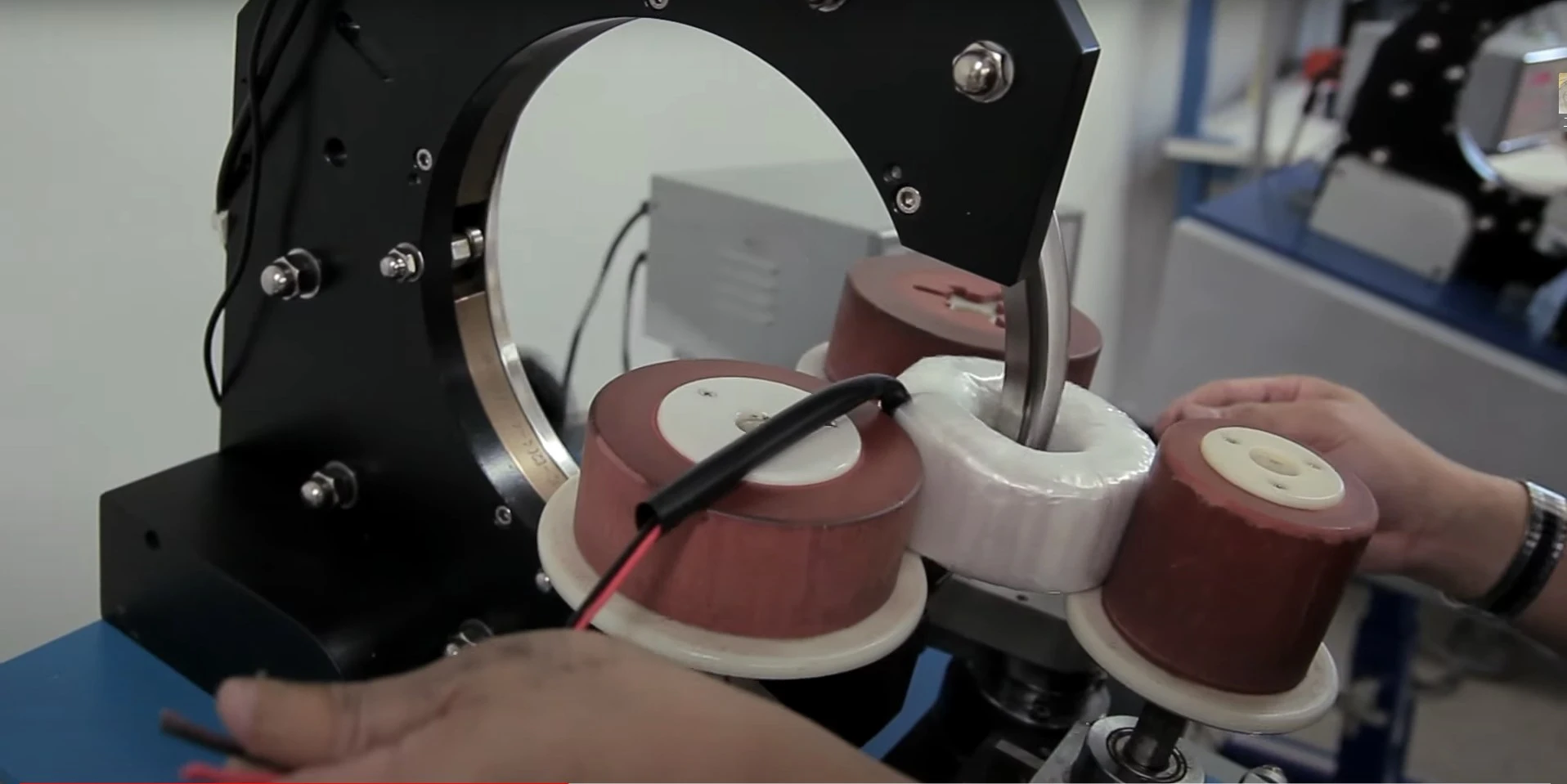
Coil winding is a foundational process in modern electronics, enabling the performance of motors, transformers, sensors, and more. With the right techniques and precision, it ensures efficiency, durability, and functionality across countless applications.
Looking to optimize your coil production or design? Partner with experts to achieve precision, reliability, and tailored winding solutions for your unique needs.

 English
  Spanish
  Russian
  Italian
  German
  Chinese