


Whether you’re building transformers, inductors, or custom coils, knowing how to use a coil winding machine is essential. These machines wind wire neatly and accurately—something that can be difficult to achieve by hand. The result? Better performance, less material waste, and consistent winding quality every time.

Mastering coil winding can also increase production speed, reduce errors, and make more complex winding tasks easier to handle. From hobbyists to high-volume manufacturers, the right winding technique can make a real difference to overall project success.
Getting to Know Your Machine
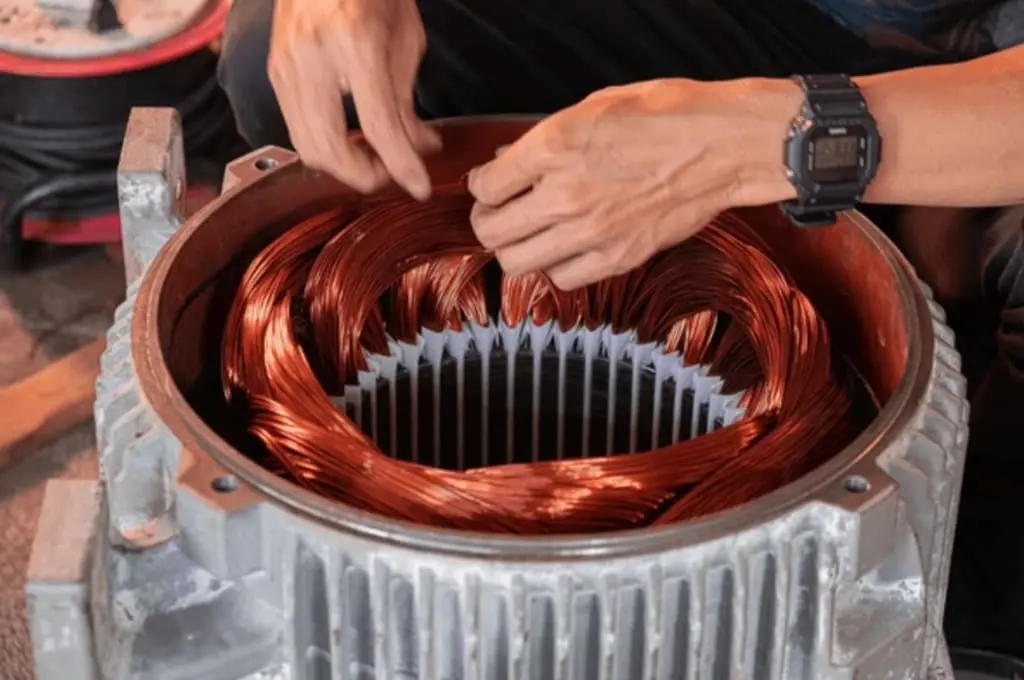
Before you start winding, it helps to understand your machine inside and out. Most coil winding machines—whether manual or automatic—have a few key components:
Spindle – Holds and rotates the bobbin or core during winding.
Tensioner – Keeps the wire tight and steady as it feeds.
Wire Guide – Controls wire placement to keep each layer neat and even.
Control Panel – Allows you to set winding speed, direction, number of turns, and other parameters on programmable models.
You’ll also want to choose the right coil winding machine for your work. Manual machines are ideal for small jobs and hands-on control, while automatic or CNC machines are better suited to larger batches, complex coils, or precision layering. The right choice depends on what you’re making and how often you need to produce it.
Machine Setup & Preparation
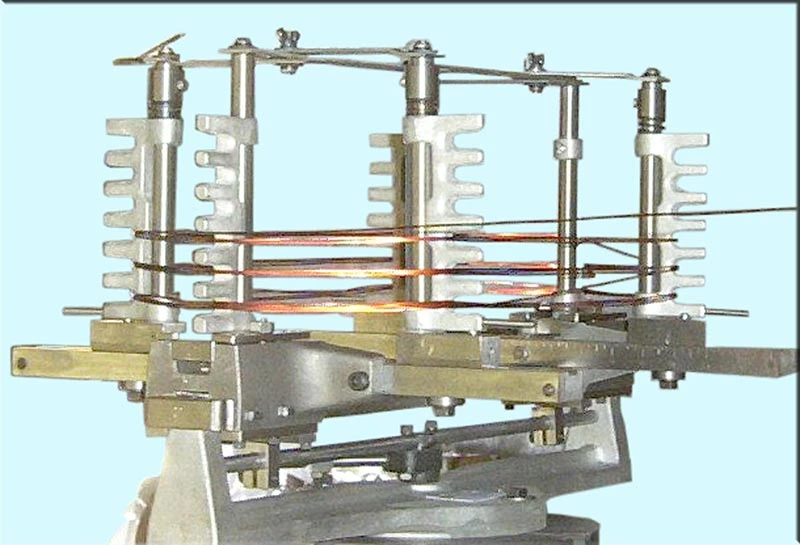
Now that you know the main parts, it’s time to get your coil winding machine ready.
Start by mounting the bobbin or coil form securely on the spindle. Make sure it is firmly in place to prevent wobbling during rotation. Next, thread the wire through the tension pads and wire guide, following the machine’s designated path. This helps keep the wire steady and properly aligned during winding.
Adjust the tension wheel to apply just enough resistance. If it’s too loose, the wire may bunch up; if it’s too tight, the wire may snap. If your machine has a feeder arm, align it with the center of the winding area. It’s also a good idea to make a few slow turns by hand to check the alignment before running the machine at full speed.
Taking a few minutes to set up your coil winding machine properly can save you from problems later on.
Setting Up the Machine

Once your coil form and wire are ready, it’s time to set the machine’s parameters. On most programmable or CNC winding machines, you’ll need to input the number of turns, number of layers, wire pitch (spacing), winding direction, and speed. These settings determine how the wire is placed on the bobbin, helping achieve the correct winding pattern and density.
As a next step, it’s a good idea to run a test at low speed. This allows you to check alignment, tension, and winding accuracy. If you notice gaps or overlaps, adjust the pitch or tension settings until the coil looks uniform. Fine-tuning these parameters upfront can save time and reduce material waste.
Managing the Winding Process

Now it’s time to start winding. As the machine runs, make sure to maintain steady wire tension. This helps keep each layer even and prevents the wire from slipping or overlapping. Use the guide arm—if your machine has one—to guide the wire smoothly across the bobbin.
At the same time, keep an eye on the spindle’s speed and watch how the wire moves. It should respond smoothly without lag or bounce. If the wire starts to curve or stretch, pause the machine and adjust the tension or alignment. A few seconds of attention at this stage can help prevent a defective coil later.
Winding may look simple, but smooth control is what makes the finished coil look professional.
Finishing & Quality Inspection

Once the winding is complete, stop the machine and safely cut the wire—leaving enough length at both ends for terminals or soldering. Use pliers or wire cutters to trim cleanly, then secure the wire ends to prevent them from unraveling. Tape, clamps, or tie-offs can be used depending on the project.
With the winding finished, give your coil a quick inspection. Check the dimensions to make sure they match your design specifications. Look for even layering, consistent tension, and no loose or crossed wires. Catching winding errors at this stage can help prevent failures during testing or operation.
A quick quality check at the end can save hours later.
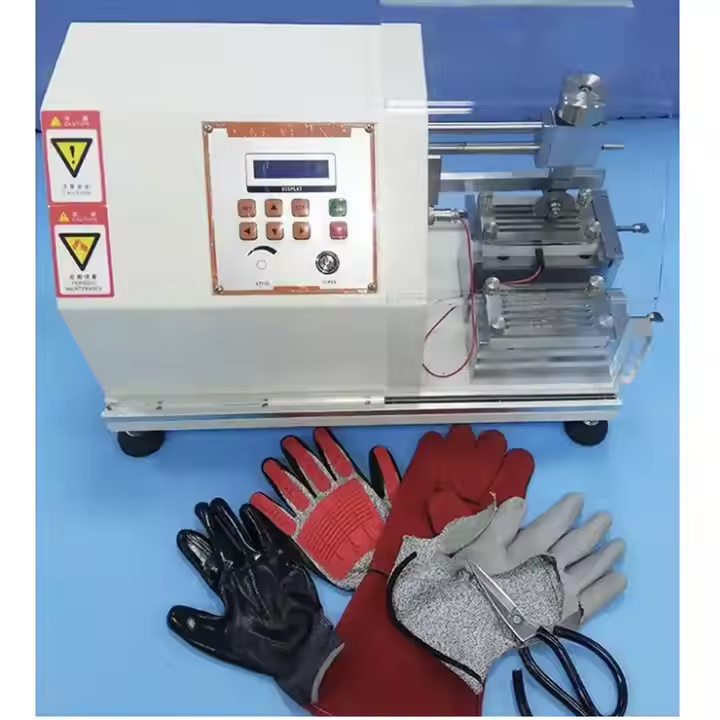
Using a coil winding machine safely is just as important as using it correctly. Always keep safety guards in place and use the correct power source specified by the manufacturer. Never reach near the spindle or wire guide while the machine is running.
Beyond safe operation, regular machine maintenance is essential for keeping your equipment running smoothly. This includes cleaning debris or wire dust, lubricating moving parts, and performing periodic electrical checks. A little routine maintenance can help prevent breakdowns and extend the life of your equipment.
Stay safe, stay efficient.
Common Winding Troubleshooting
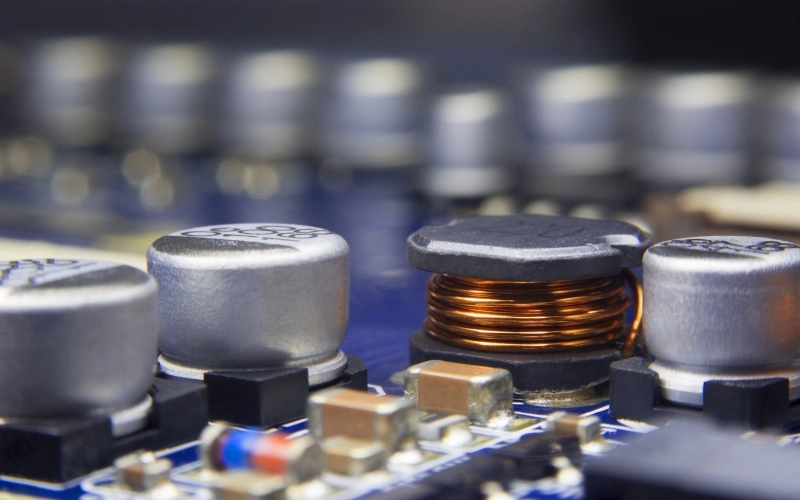
Even with the best setup, coil winding issues can still occur. One common problem is uneven wire pitch or overlapping layers. You can usually correct this by adjusting the wire tension or fine-tuning the pitch setting on programmable machines.
Another common issue is stray wire turns, which can occur when the wire slips or the winding speed fluctuates. To prevent this, maintain a steady winding speed and make sure the wire guide stays aligned with the bobbin. A quick pause and adjustment can save you from having to restart the entire job.
A little winding troubleshooting knowledge can help keep your coils clean and consistent.
Conclusion
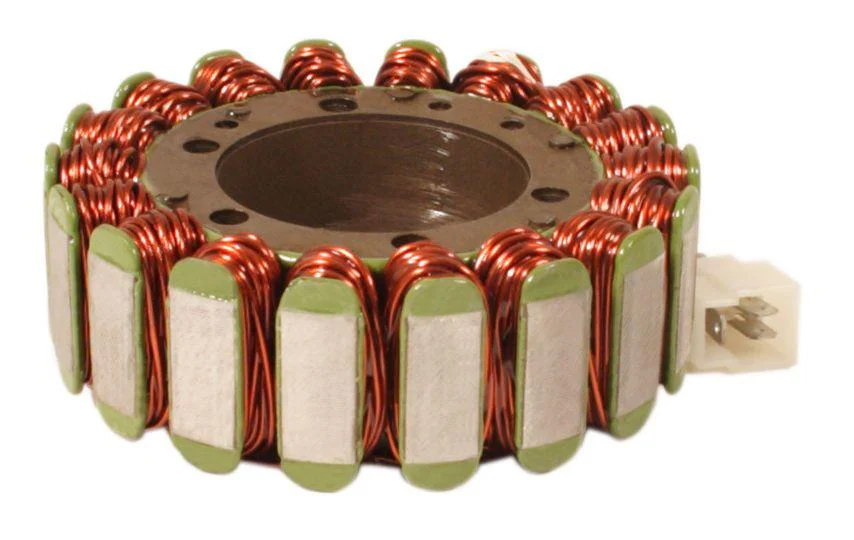
Learning how to use a coil winding machine properly can improve winding precision, save time, and help ensure reliable coil performance. With the right setup, technique, and care, even complex winding tasks can become simpler and more repeatable.
If you’re looking to improve your winding process or choose the right machine ,Contact us today for expert advice and tailored solutions to meet your coil production needs.
FAQs
1. What types of wire can be used in a coil winding machine?
Most coil winding machines use enamel-coated copper wire, also known as magnet wire. Some machines can also handle aluminum or specialty wires, but the wire gauge should match the required tension and winding specifications.
2. How do I prevent wire breakage during winding?
Keep the wire tension moderate—not too tight—and make sure the wire guides are properly aligned. Worn tensioners, kinks in the wire spool, or sharp bends along the guide path can also cause wire breakage.
3. Can I wind toroidal coils with the same machine?
Not usually. Toroidal coils require specialized toroidal winding machines or attachments because the wire passes through the center of the coil. Standard winding machines are better suited to bobbin, layered, and stator coils.

 English
  Spanish
  Russian
  Italian
  German
  Chinese