


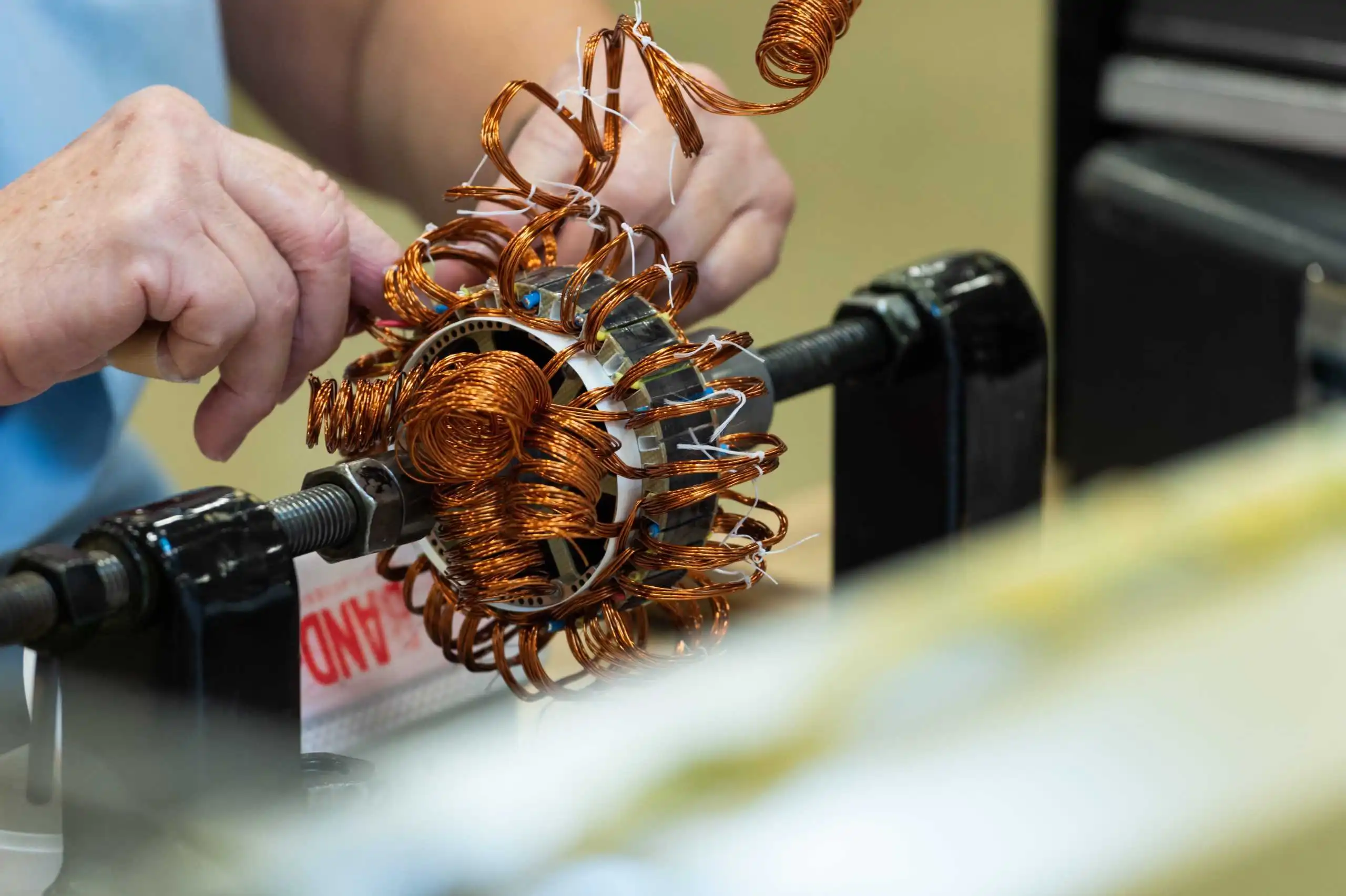
Military coil winding is the process of creating specialized electromagnetic coils built to withstand the toughest defense environments.
These coils power essential systems like radar, communication networks, advanced weapons, and unmanned drones.
In the world of defense, precision and durability aren’t optional—they’re mission-critical.
That’s why military coil designs focus on resilience, reliability, and tailored engineering to meet exact performance demands.
What Is Military Coil Winding?
Key Differences from Standard Coil Winding
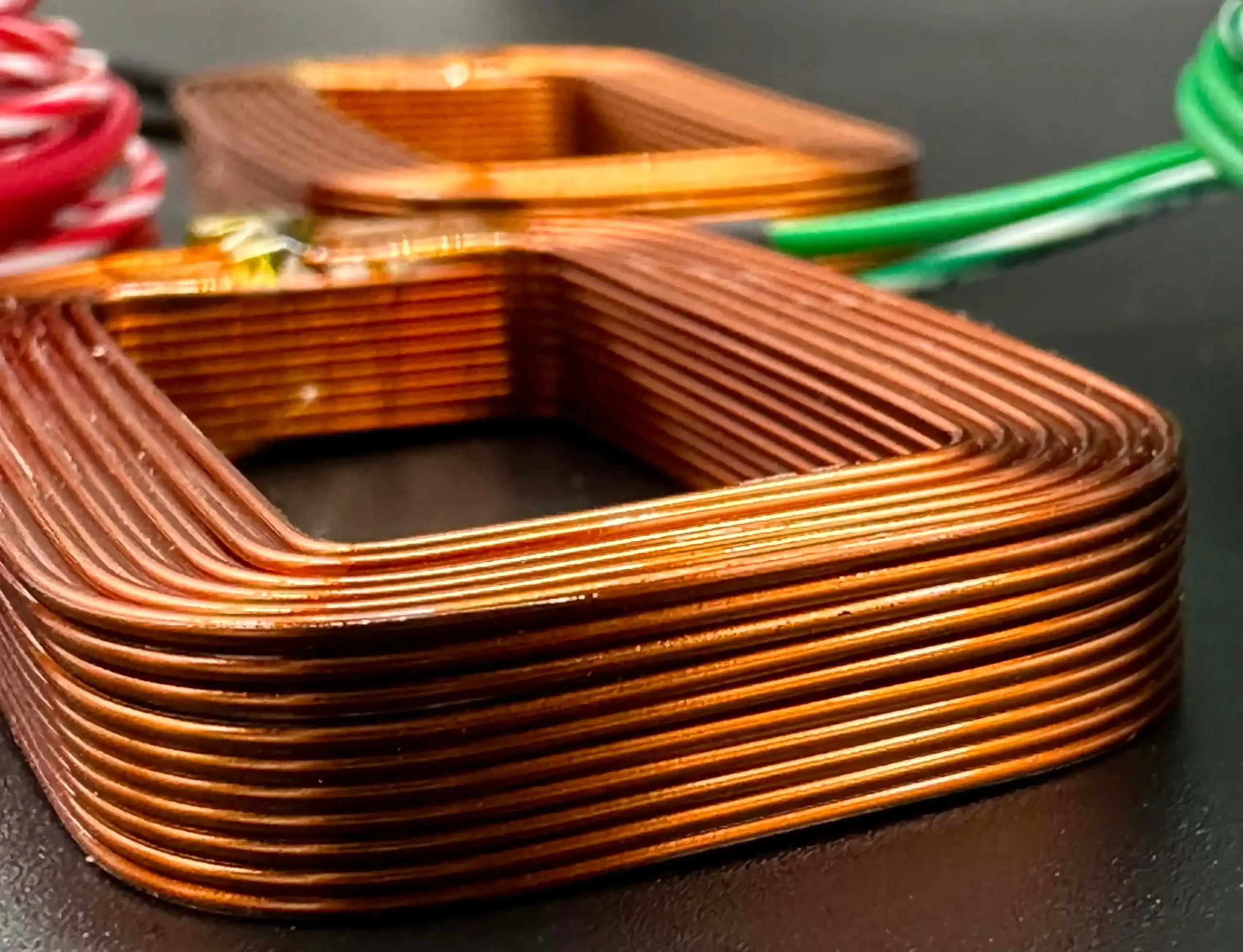
Military coil winding is engineered for extreme environments where reliability is non-negotiable, using high-grade materials and strict specifications.
Unlike standard coils, they must meet military standards (MIL-SPEC) for performance, safety, and durability.
Core Materials Used in Military Coil Winding

When it comes to military-grade coil winding, selecting the right materials is key to achieving long-term reliability and peak performance—especially under extreme conditions.
Let’s take a look at the most common materials used in defense applications and what makes each one essential:
Copper: Known for its excellent conductivity, copper is ideal for high-performance applications where signal integrity and efficient power delivery are a must.
Aluminum: While not as conductive as copper, aluminum is lightweight and corrosion-resistant, making it perfect for aerospace and mobile defense systems.
High-Strength Alloys: These materials are designed to withstand high vibration, impact, and temperature extremes, ensuring stability in rugged environments like battlefields or aircraft systems.
Specialized Coatings: Military coils often get coated with anti-corrosion, anti-moisture, and EMI-resistant layers, helping them survive harsh climates and electromagnetic interference.
Design Priorities in Military Applications
Military coil winding is all about precision, resilience, and adaptability. Let’s explore the key priorities that make these coils fit for the most demanding defense systems.
Precision Winding for Magnetic Accuracy
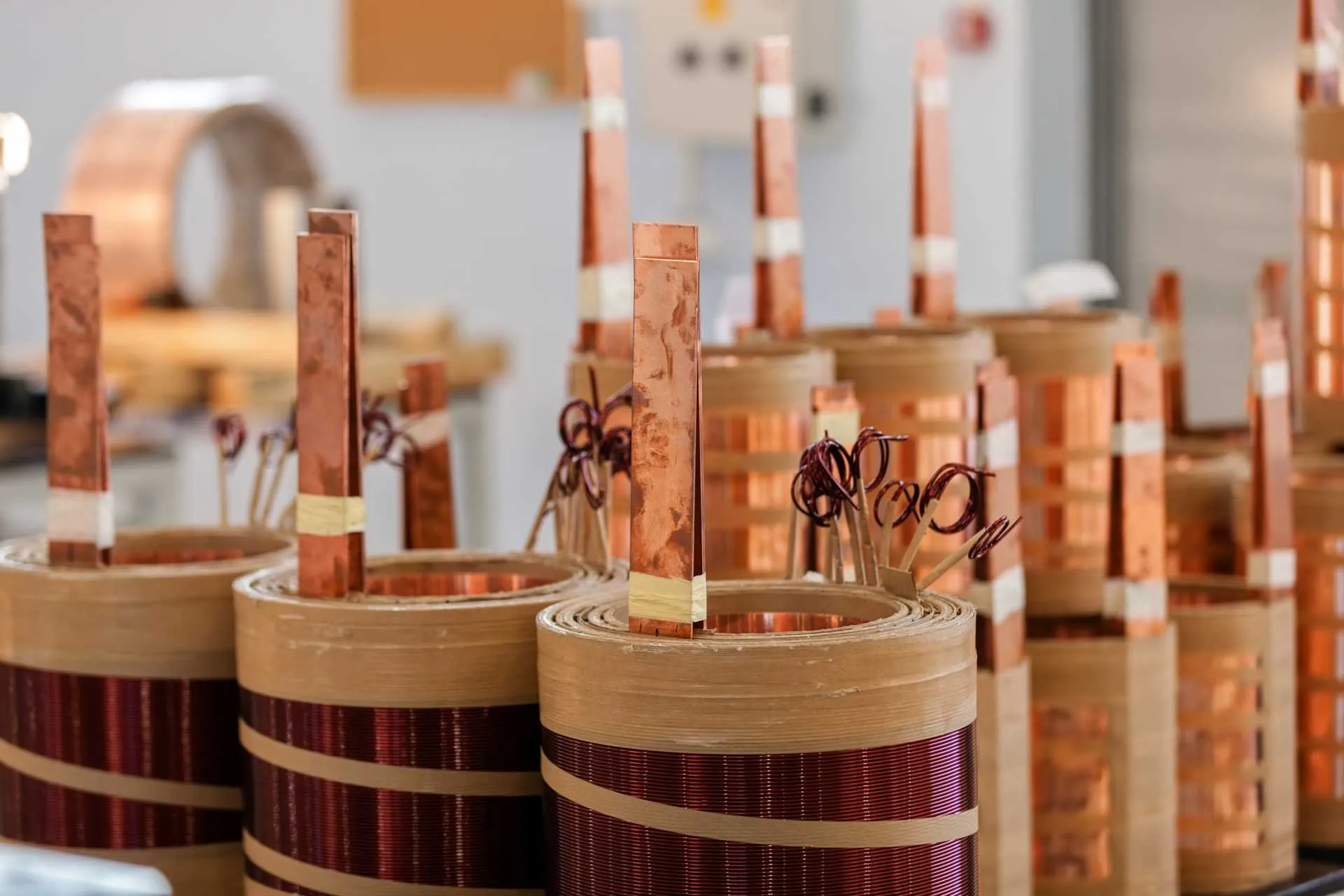
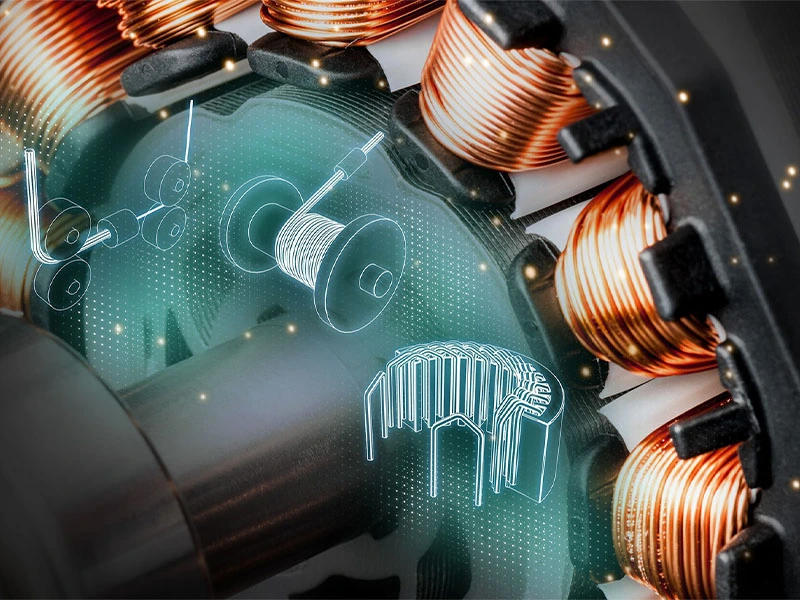
Military coils must generate consistent and stable magnetic fields, which is only possible through highly controlled winding processes.
This ensures accuracy in communication, radar, and sensor systems where signal integrity is critical.
Durability Under Harsh Conditions
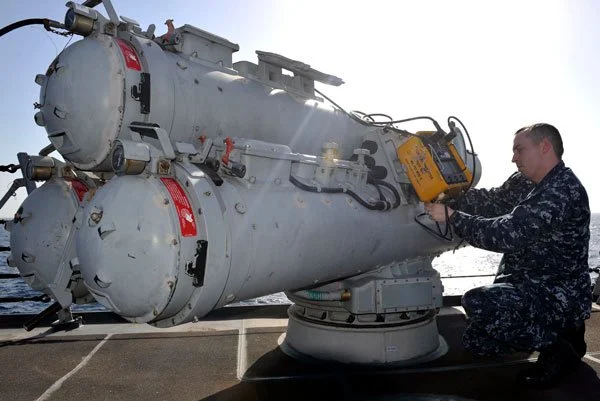
Defense equipment often faces extreme temperatures, mechanical shock, and vibration.
That’s why military coils are designed with robust materials and insulation to maintain performance no matter the environment.
Customization for Specialized Use

From compact drone motors to stealth communication systems, military coil designs are tailored to the mission.
Engineers adjust size, shape, and electromagnetic characteristics to meet each application’s unique technical demands.
Applications of Military Coil Winding
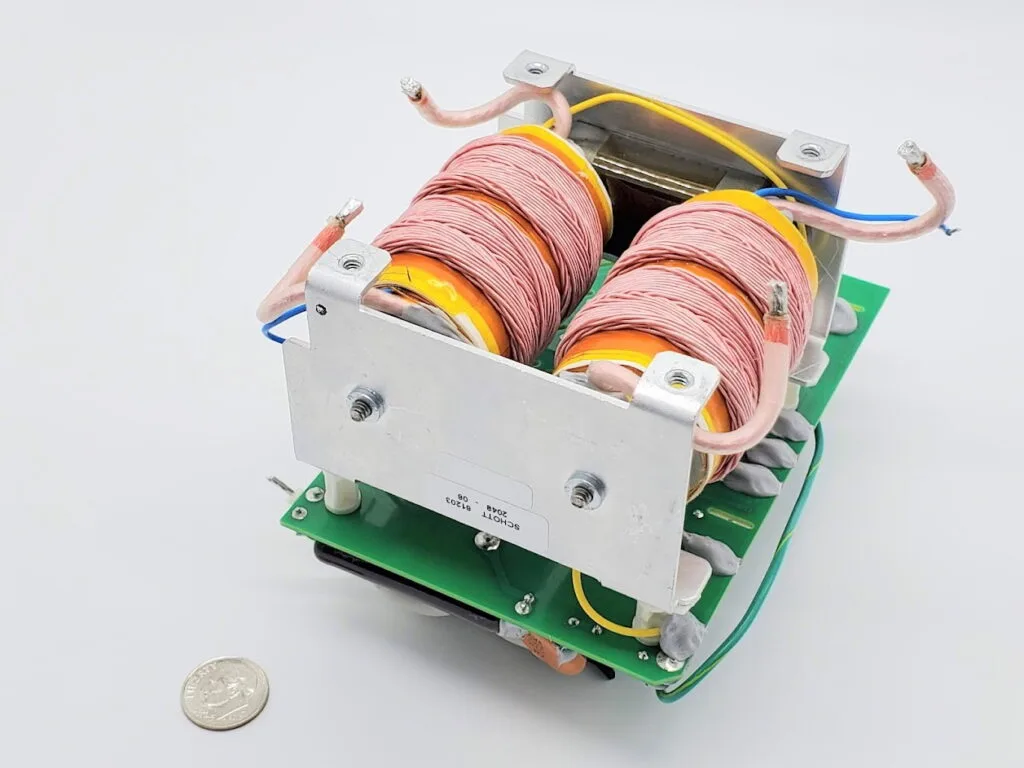
Military coil winding is used in a wide range of mission-critical systems, where performance and reliability are non-negotiable:
Communication systems: coils in antennas, filters, and transceivers ensure secure, stable signal transmission
Radar and sonar: power precise detection, tracking, and navigation under harsh conditions
Weapons systems: used in electromagnetic launchers and targeting devices for faster, more accurate responses
Aerospace power systems: support generators and power converters in high-altitude environments
Latest Innovations in Military Coil Winding
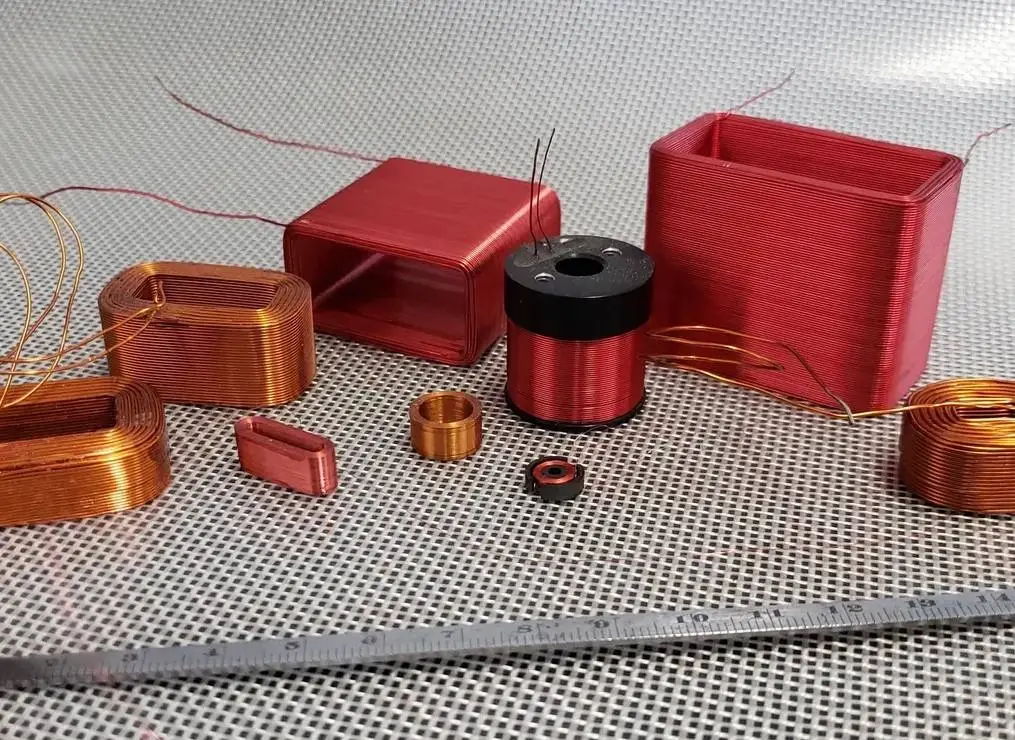
Military coil technology is rapidly evolving to meet the increasing demands of modern defense systems.
These latest innovations focus on enhancing precision, efficiency, and reliability—especially in mission-critical and high-power applications.
Automated Winding Systems
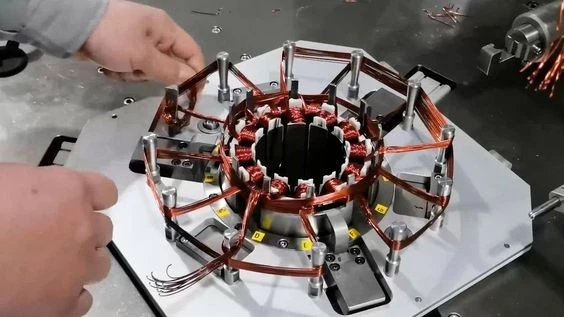
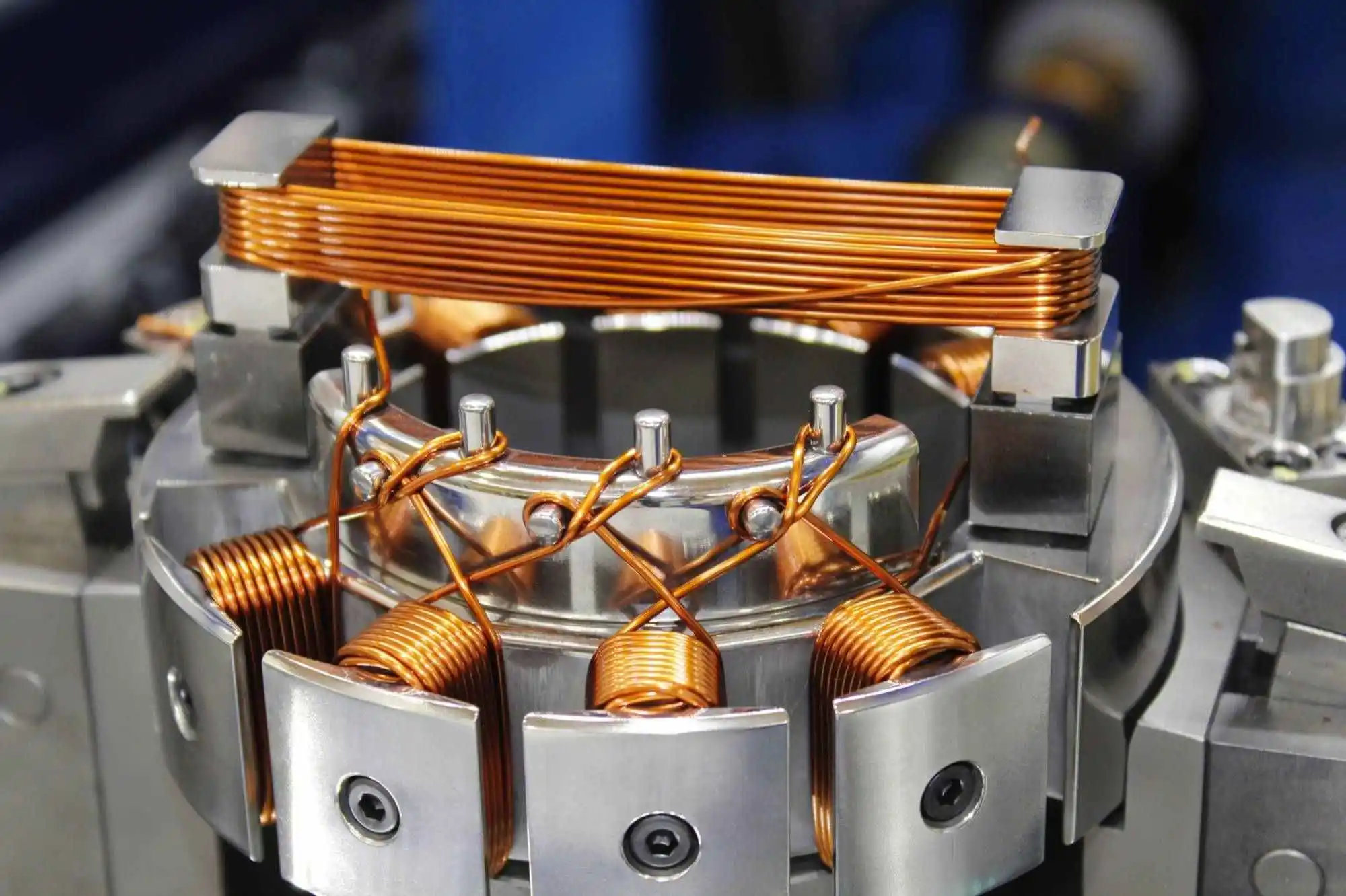
Modern automated winding machines bring exceptional consistency, speed, and micro-level accuracy, reducing human error while allowing for mass production of intricate designs.
Nanomaterials for Efficiency
The use of advanced nanomaterials like graphene and carbon nanotubes boosts conductivity and reduces weight—ideal for applications where size and energy loss matter, such as drones and high-frequency systems.
Enhanced Cooling Mechanisms
To handle rising power loads, integrated cooling solutions (like thermal-conductive materials and micro-channels) help manage heat, prevent coil degradation, and maintain stable performance in extreme environments.
Compliance and Testing Standards
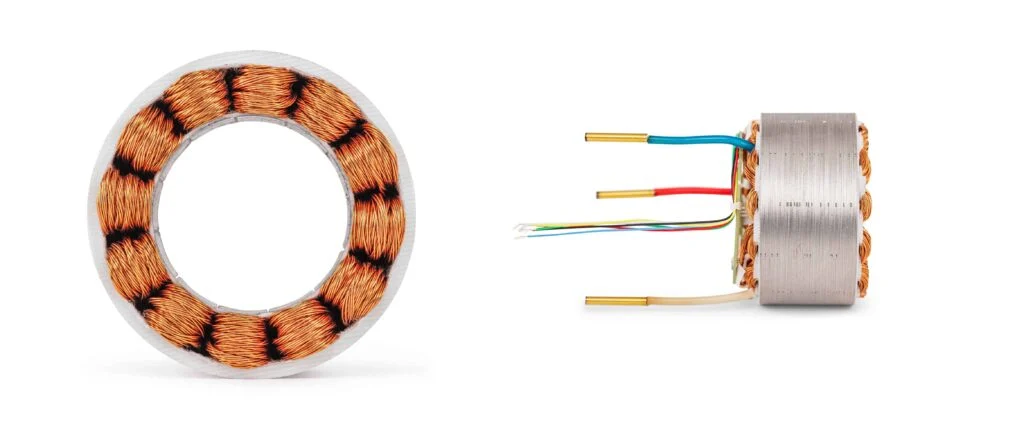
To meet MIL-SPEC/MIL-STD requirements, military coils undergo strict testing for shock resistance, extreme temperatures, electromagnetic interference (EMI), and long-term durability, ensuring dependable performance in the most demanding defense environments.
Tips for Choosing or Designing Military Coils
Selecting the right coil isn’t just about specs—it’s about survival in mission-critical environments.
Here are key tips to ensure your design performs when it matters most:
Match materials to specific environments and operational demands
Select windings with insulation and specialized coatings
Focus on low resistance and effective EMI shielding
Ensure compliance with MIL-SPEC/MIL-STD standards
Test prototypes under real-world military stress conditions
FAQs About Military Coil Winding
1. What industries use military coil winding?
Military-grade coils are used in defense communications, aerospace, radar, sonar, weapons systems, and unmanned vehicles like drones.
2. Can coil designs be customized for specific defense needs?
Absolutely. Military coil winding often involves tailored solutions, including compact designs, multi-layer windings, and materials matched to specific mission profiles.
Conclusion
Military coil winding is essential for today’s defense technology, delivering unmatched precision, durability, and performance in the most demanding environments. From radar systems to unmanned drones, these coils ensure mission-critical reliability where failure simply isn’t an option.
Need a solution that meets defense-grade standards? Partner with experts in military coil winding to design and deliver high-performance coils tailored to your toughest applications. Reach out today to discuss your custom requirements.

 English
  Spanish
  Russian
  Italian
  German
  Chinese