


Coil winding is the process of wrapping wire around a core to create a magnetic field or store energy—an essential step in building motors, transformers, inductors, and solenoids. But not all coils are created equal.

The way a coil is designed—its shape, tension, layering, and method—can greatly affect how well it performs in different voltage, frequency, or space-limited applications.
What Is Coil Winding?
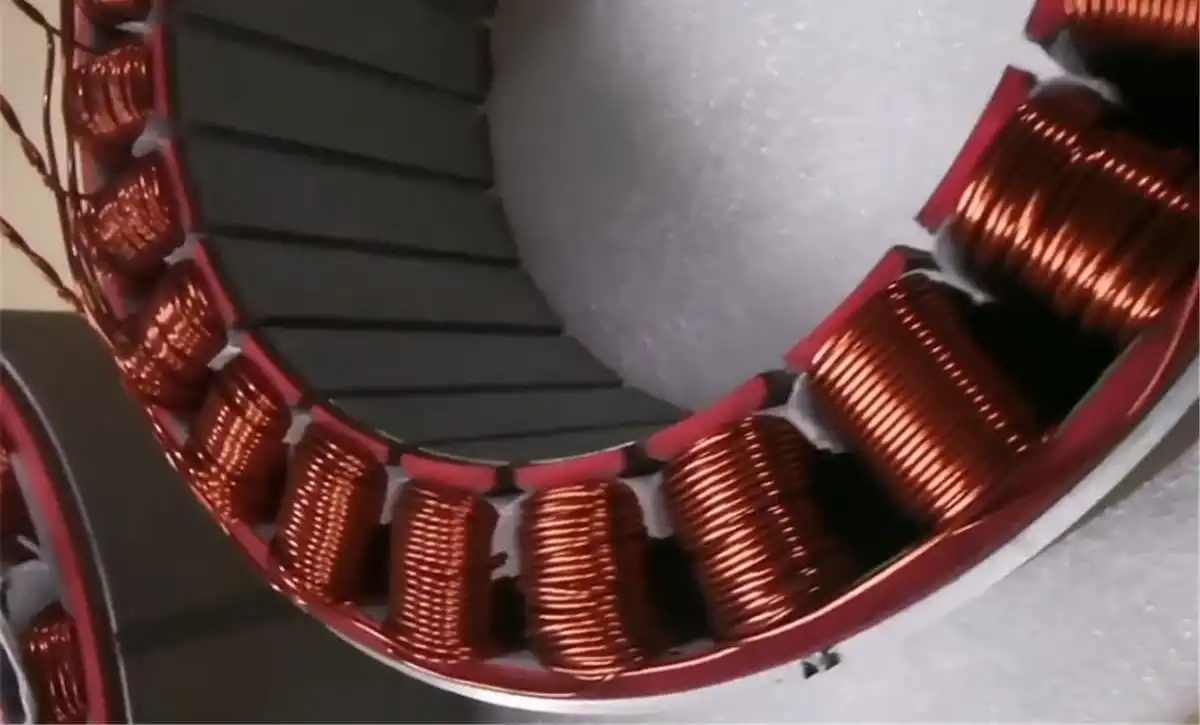
Coil winding is the process of wrapping conductive wire—usually copper or aluminum—around a core or bobbin to form a coil.
This structure allows the coil to generate magnetic fields or store energy as inductance.
It’s the backbone of electromagnetic components like motors, transformers, inductors, solenoids, and sensors, enabling them to function by converting electrical energy into magnetic motion or vice versa.
Key Coil Design Parameters
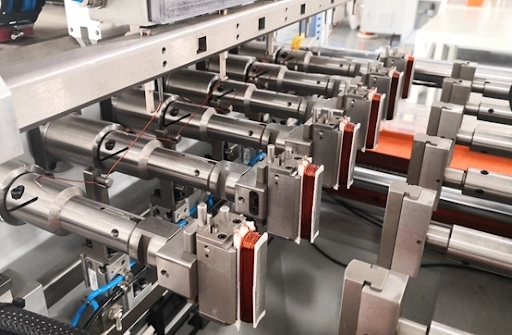
When it comes to coil winding design, getting the details right makes all the difference in performance.
Several key parameters must be carefully balanced to ensure the coil performs efficiently and reliably in its intended application.
Inductance and Resistance: The number of wire turns and wire gauge directly influence a coil’s inductance and resistance.
Magnetic Field Strength: Core material and winding density determine the strength and efficiency of the magnetic field.
Space and Geometry Constraints: Coil dimensions must fit within available space without sacrificing performance.
Thermal Management: Proper insulation and cooling methods help prevent overheating and extend coil life.
Voltage and Current Capacity: Wire size and insulation must match the electrical load to ensure safe and stable operation.
Types of Coil Winding Techniques
Choosing the right coil winding technique is key to achieving the desired electrical, thermal, and mechanical performance.
Let’s explore some of the most widely used methods, their structure, and where they shine best:
1. Orthocyclic Winding
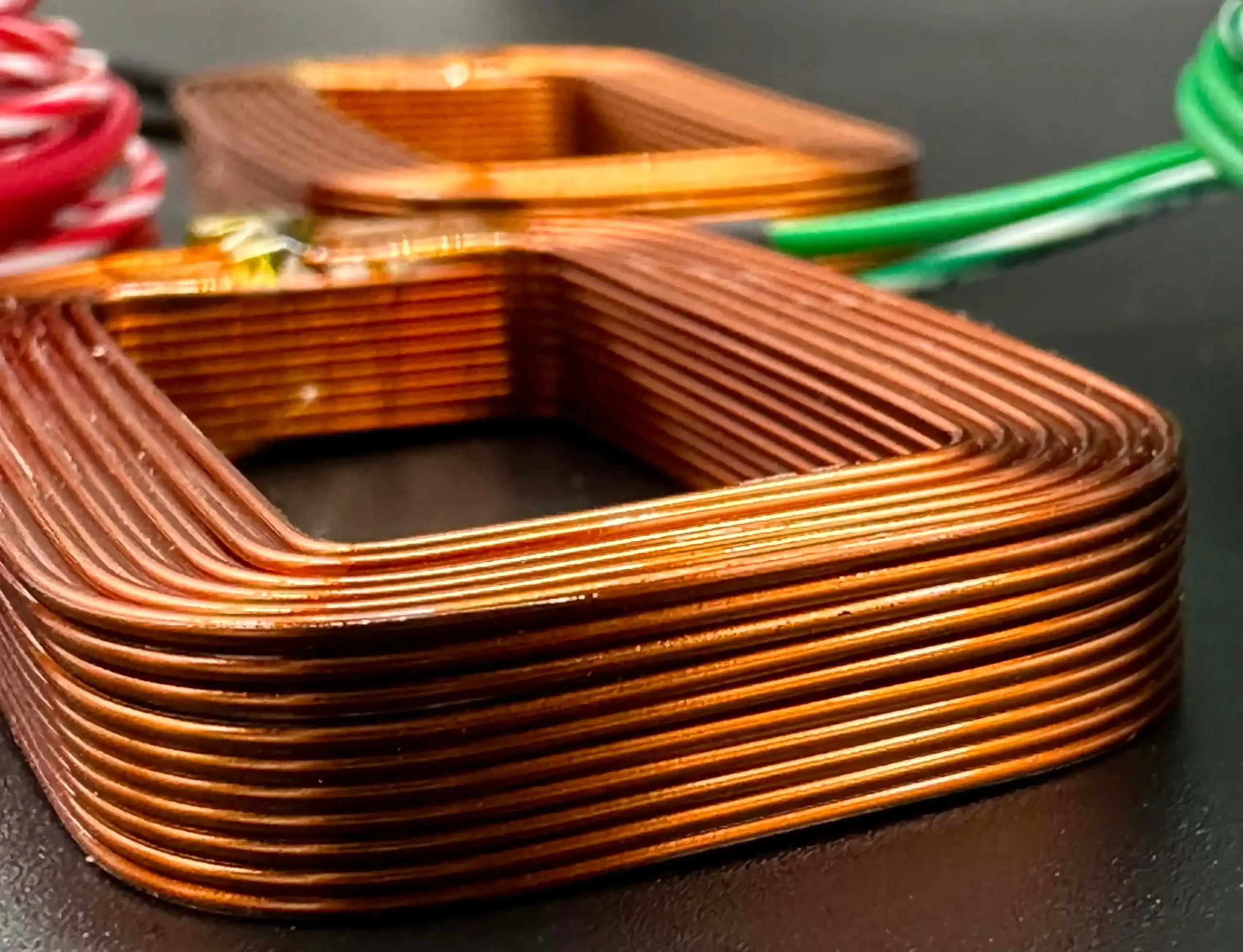
With each layer of wire fitting snugly into the grooves of the layer below, orthocyclic winding offers a very high fill factor—up to 90%.
It’s the go-to for compact, high-efficiency coils used in advanced motors and precision inductors.
2. Sandwich Winding
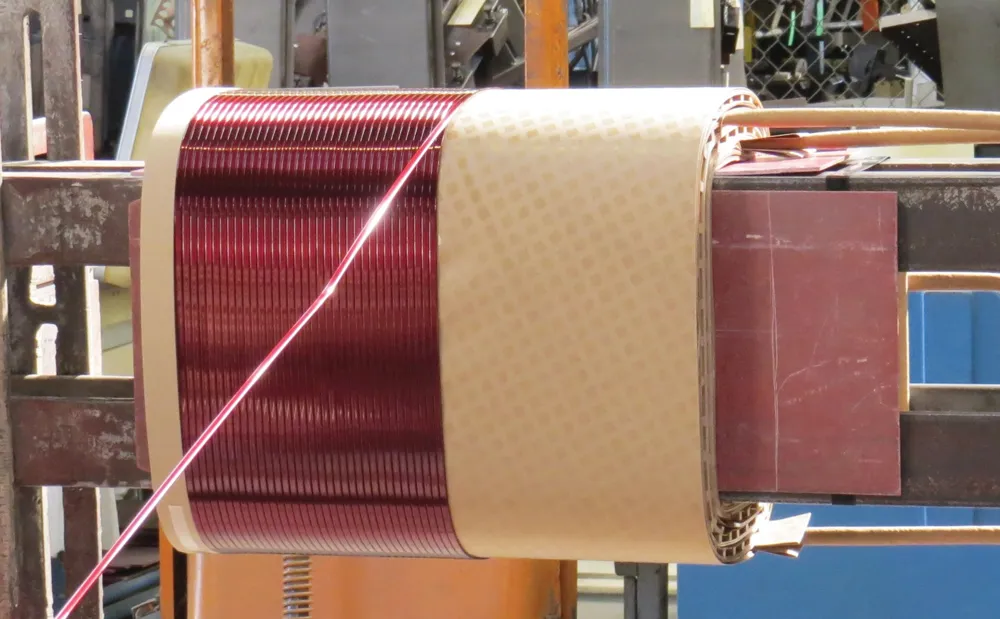
This involves layering high-voltage coils between low-voltage ones to minimize leakage flux.
Commonly used in power transformers, it enhances insulation and electromagnetic stability.
3. Bobbin Winding

Here, the wire is wrapped around a central bobbin, providing easy assembly and structural support.
This technique is common in switch-mode power supplies (SMPS), converters, and small chokes.
4. Disk Winding
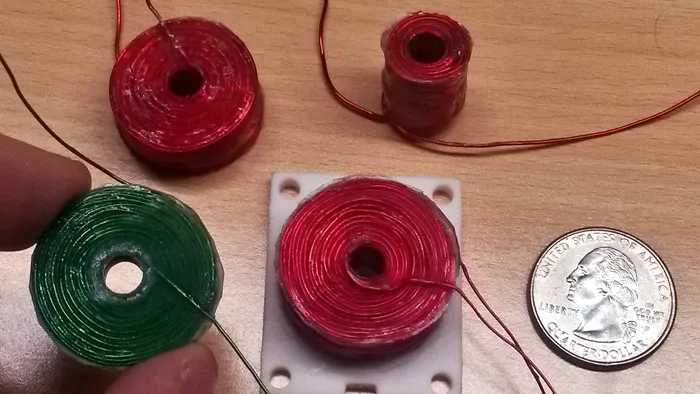
Made of stacked circular disks wound radially, this design is favored for its mechanical strength and impulse durability, often used in high-voltage transformers.
5. Continuous Winding
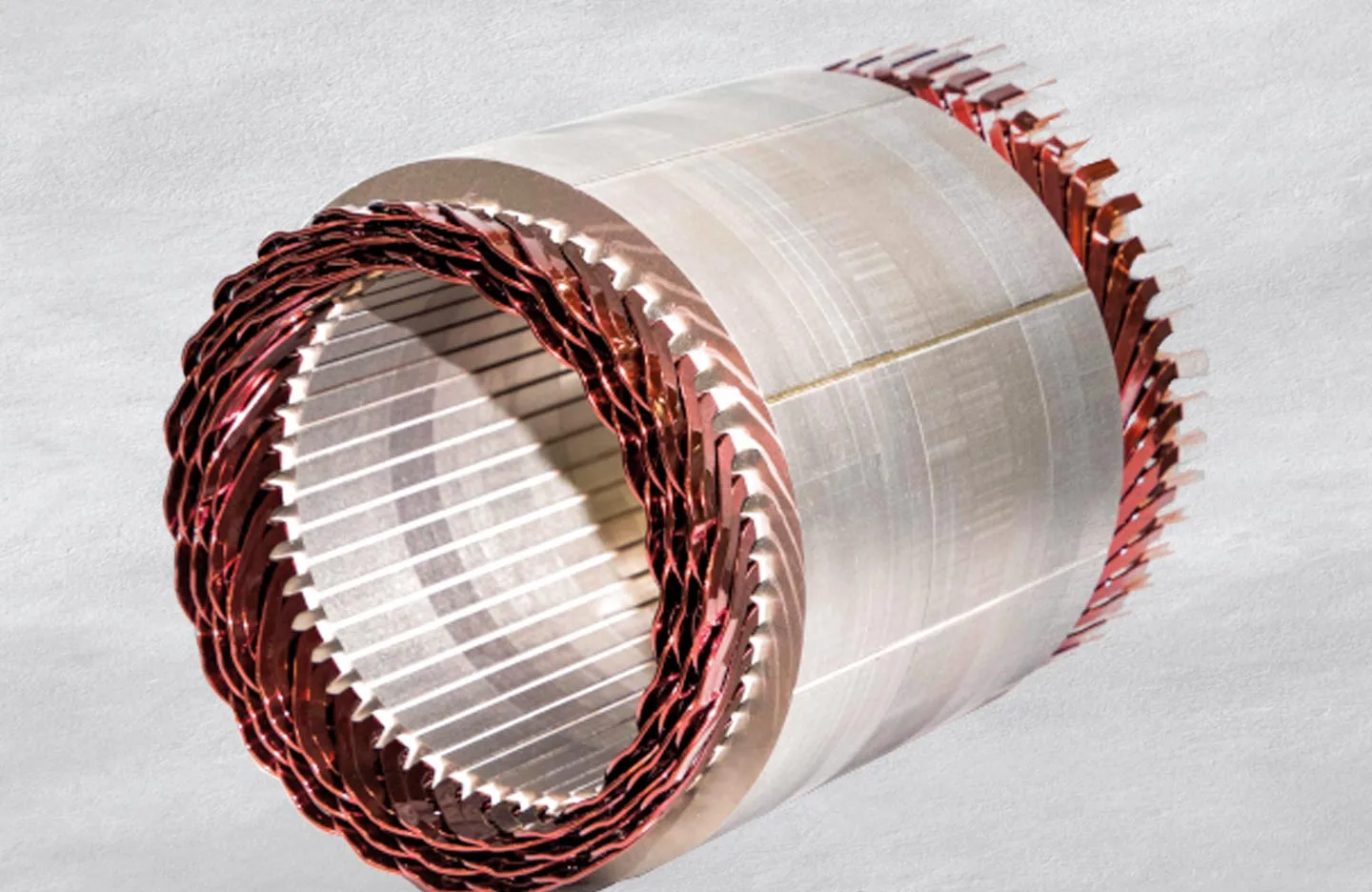
This approach builds coils by laying flat turns spirally and connecting them in series without soldering.
It’s reliable under short-circuit conditions and offers a large cooling surface, making it ideal for medium-to-large transformers.
6. Twisted Winding
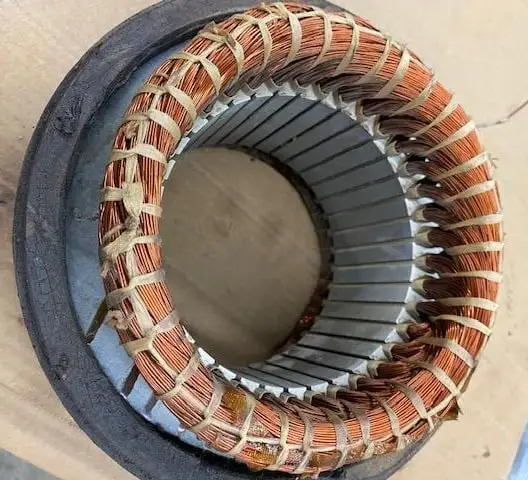
Used in ultra high-voltage transformers (110–1200 kV), this method twists multiple wires together to withstand high pulse insulation demands.
7. Screw/Helical Winding

This technique uses multiple parallel wires wound helically, often with oil channels in between for improved cooling.
It’s perfect for high-power, oil-immersed transformers requiring excellent thermal performance.
Manual vs. Automated Coil Winding
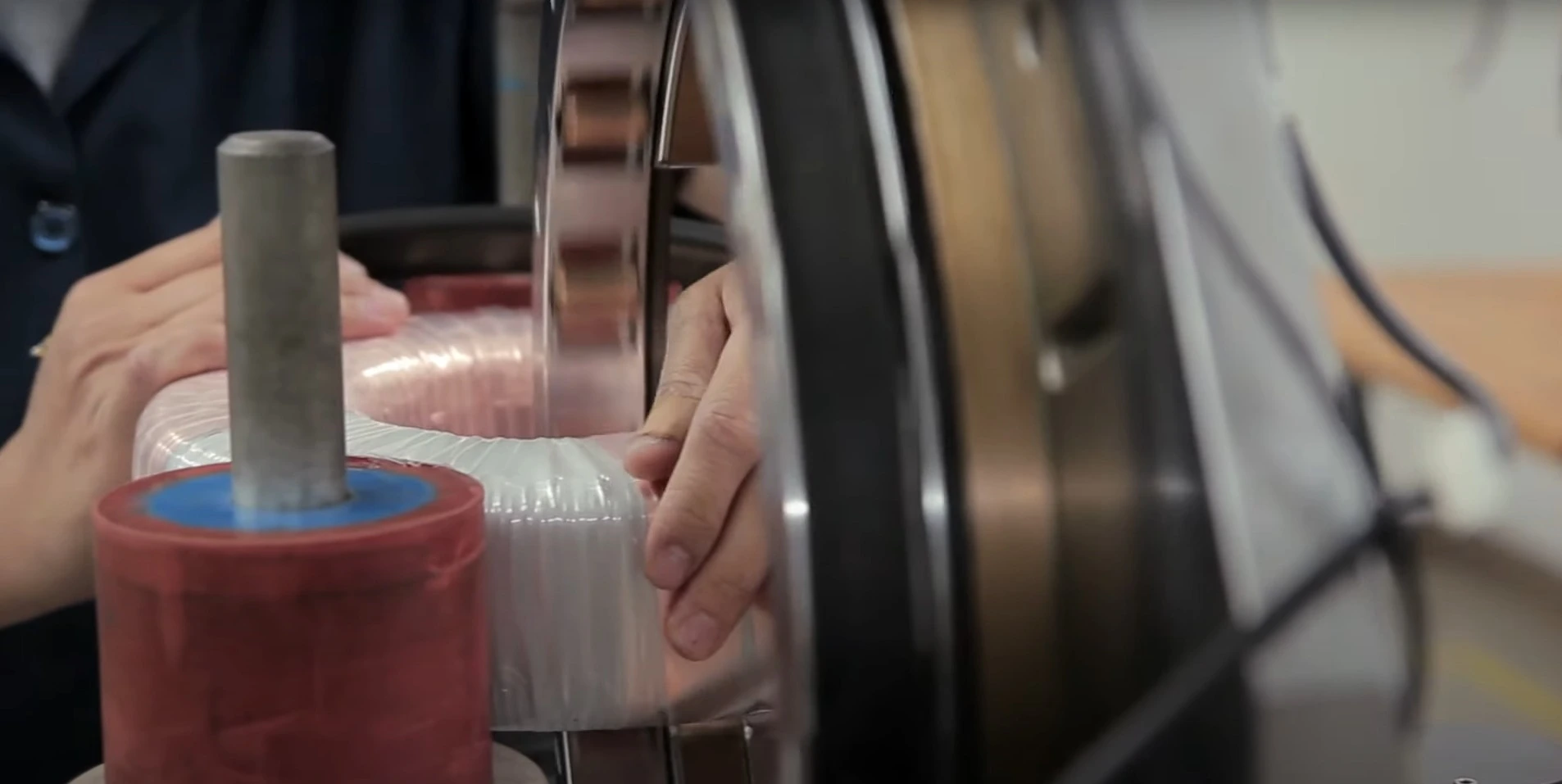
Manual coil winding is best for prototypes and low-volume runs where flexibility and hands-on control matter.
Automated coil winding ensures high-speed, consistent production with precise control—ideal for industrial-scale applications.
Advanced Machinery & Techniques
Modern coil winding benefits from cutting-edge machinery that boosts precision, consistency, and production speed across all industries.
Precision Winding Heads
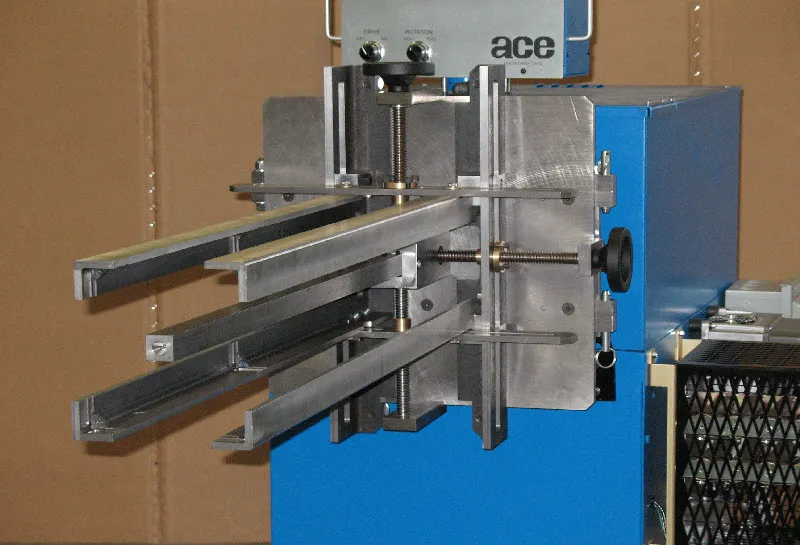
These heads reduce tension fluctuations to ensure each wire layer is perfectly aligned and stable.
CNC/Computer-Controlled Winders
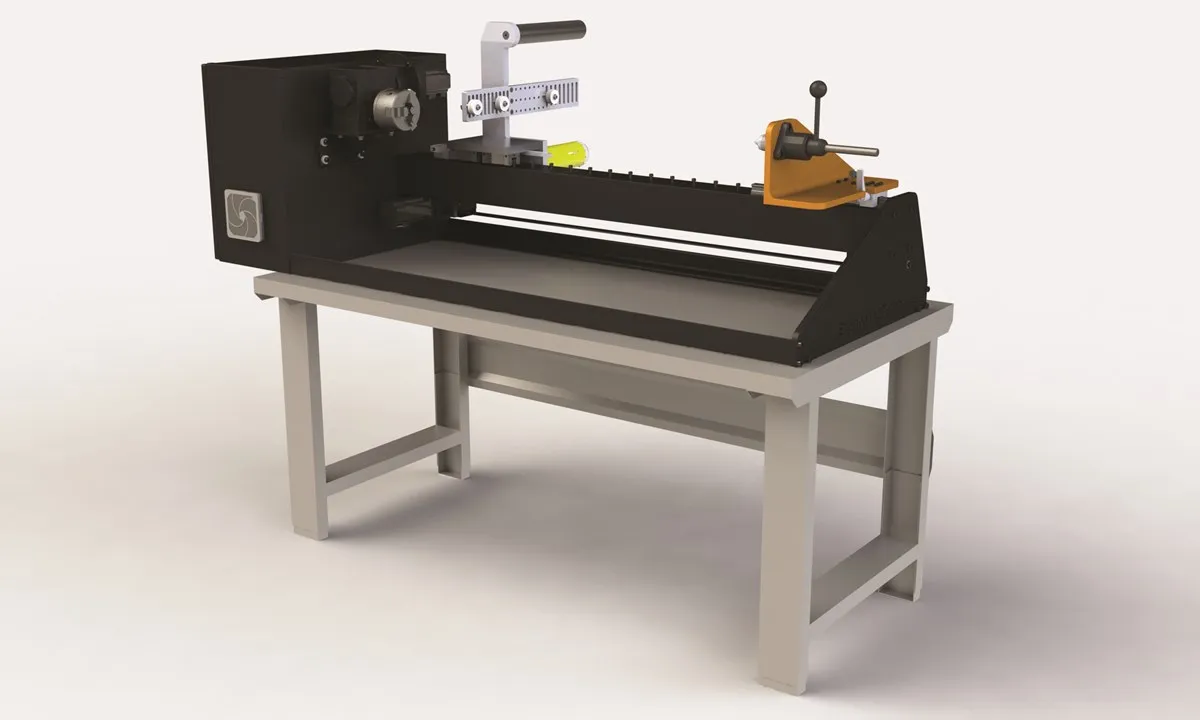
These machines automate speed, tension, and direction to create accurate and repeatable winding patterns.
Multi-Spindle Machines
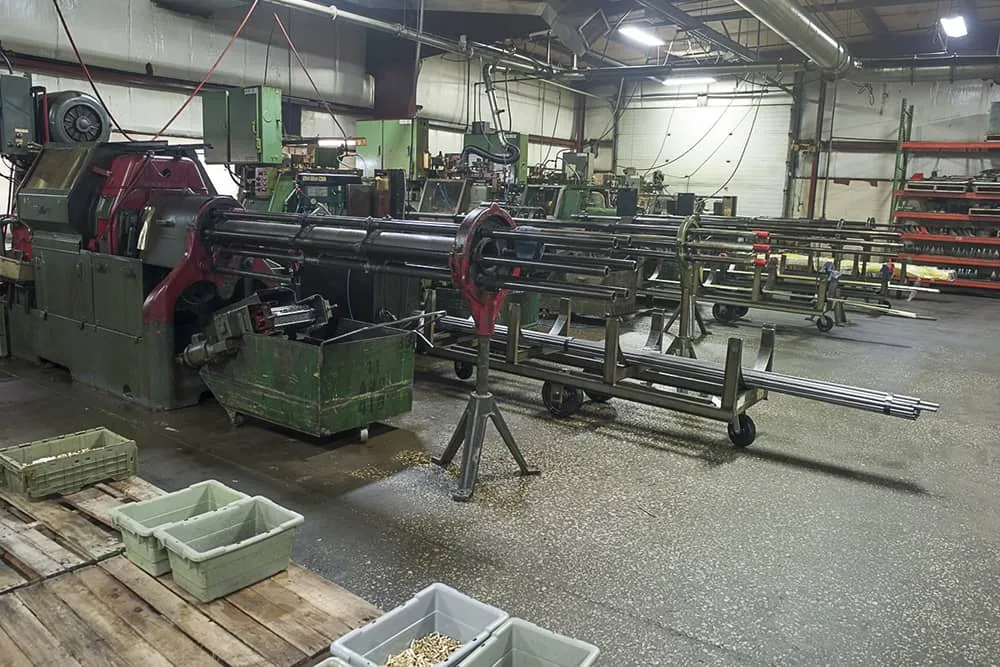
Designed for mass production, these machines wind multiple coils at once for maximum efficiency.
Automatic Tension Control Systems
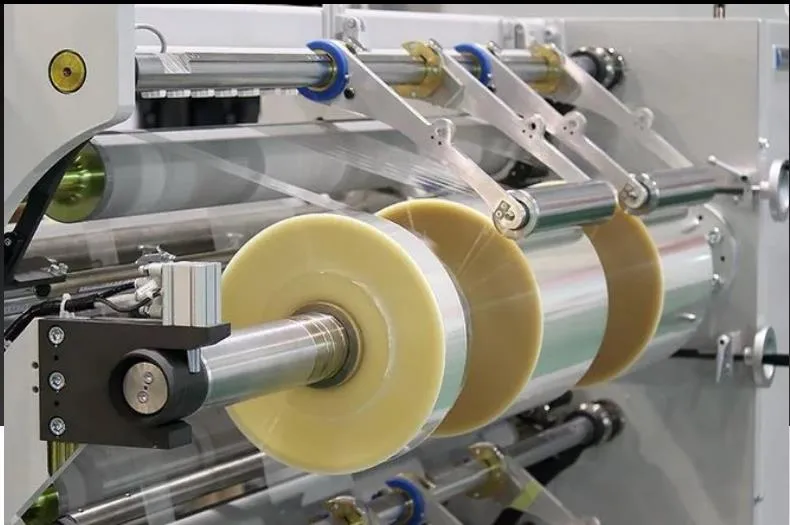
These systems monitor and adjust wire tension in real-time to maintain consistent coil quality.
Micro Coil Winding Equipment
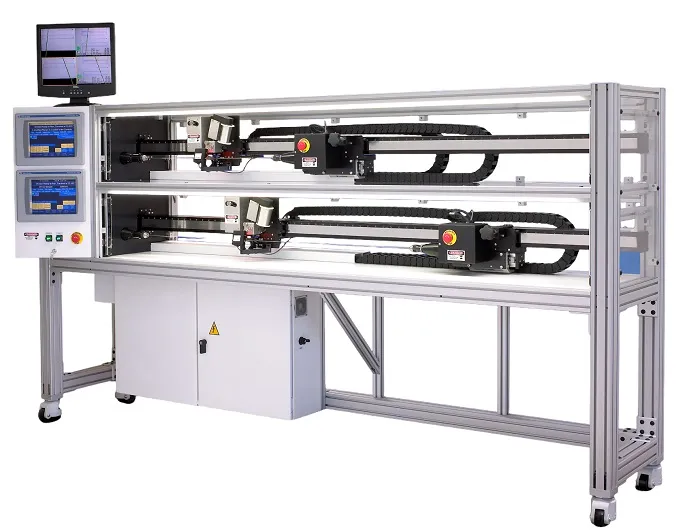
Used for delicate applications, these machines wind ultra-fine wires for medical, sensor, and microelectronic components.
Coil Winding Best Practices

To get the best performance and lifespan out of your coils, following a few key best practices can make all the difference. Whether you’re hand-winding or using advanced automation, these habits help ensure consistent quality:
Pre-clean cores and wires before winding to avoid contamination.
Use proper wire tension and alignment for consistent layering.
Monitor parameters like speed, tension, and layering during the process.
Inspect coils after winding to catch gaps, overlaps, or defects early.
Maintain winding machines regularly to prevent quality issues.
Choose high-quality materials for reliable insulation and conductivity.
Test coils electrically for resistance, inductance, and uniformity.
Applications by Industry
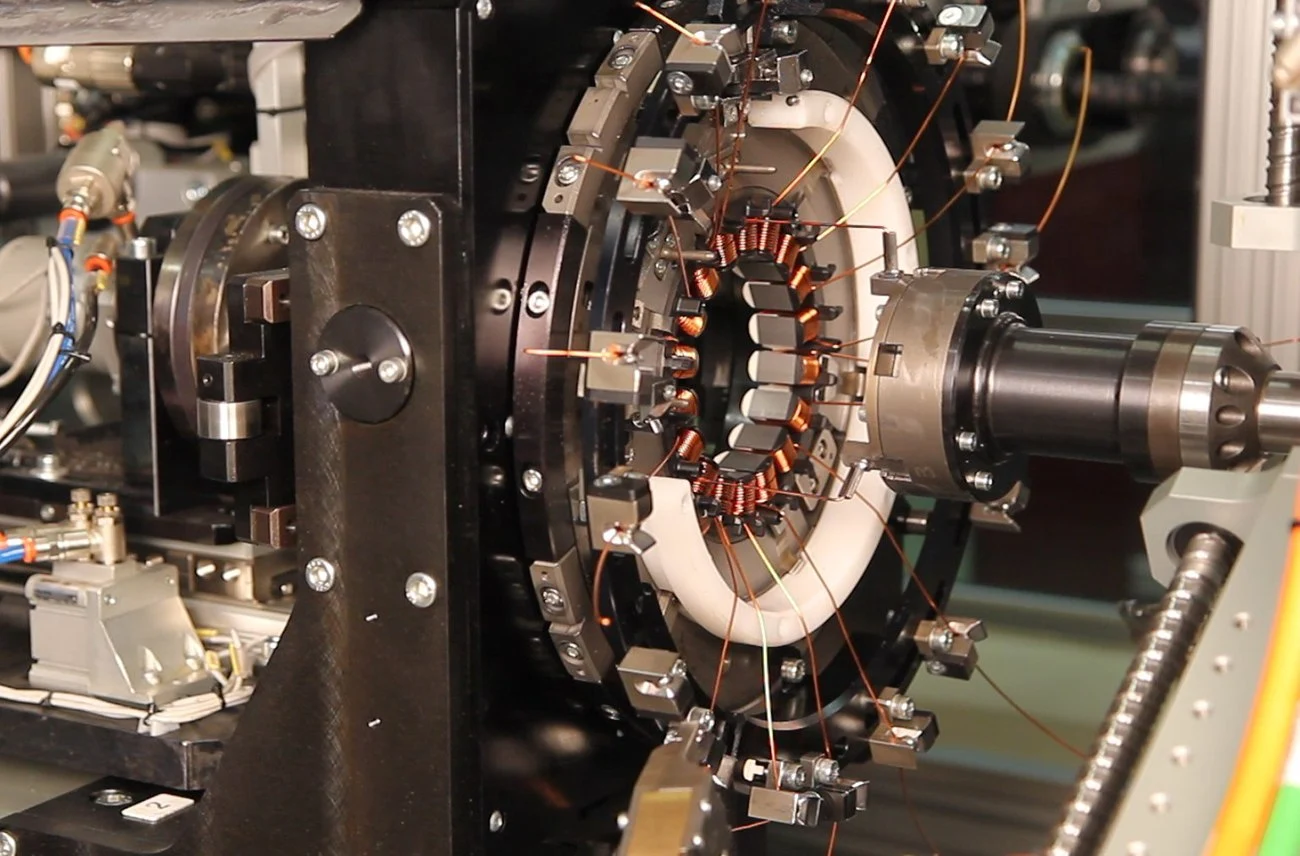
Coil winding design varies by application, and each industry benefits from specialized coil types tailored to its needs:
Power and distribution transformers: for voltage regulation and energy transfer
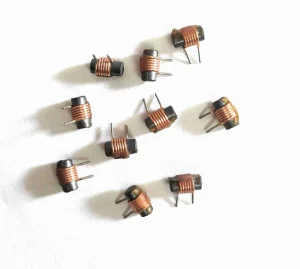
Inductors in electronic circuits: manage current flow and signal filtering
Solenoids in automation: convert electrical signals into linear motion
EV and industrial motor windings: drive torque and performance
Sensors and micro-actuators: enable precision in medical and wearable tech
Wireless charging coils: support contactless energy transfer
RF and communication components: maintain signal integrity in high-frequency systems
FAQs
1. How does wire tension affect coil quality?
Inconsistent wire tension can lead to uneven winding, which affects electrical performance and may cause defects like gaps or short circuits.
2. What’s the difference between single-layer and multi-layer winding?
Single-layer coils are compact and easier to cool, while multi-layer designs are used when higher inductance or more turns are needed.
3. Why is insulation important in coil winding?
Insulation prevents short circuits between wire turns, helps manage heat, and ensures long-term performance and safety of the coil.
Conclusion

Coil winding design plays a critical role in ensuring performance, durability, and efficiency in countless electrical devices. From transformer cores to micro actuators, each winding method is chosen with purpose—balancing voltage, heat, space, and strength.
If you’re looking to improve coil performance or design custom windings for your application, don’t hesitate to reach out. Our experts are here to help you achieve reliable, high-quality results tailored to your industry needs.

 English
  Spanish
  Russian
  Italian
  German
  Chinese