


In the world of electronics, inductors and chokes are essential components that help manage current and filter signals.
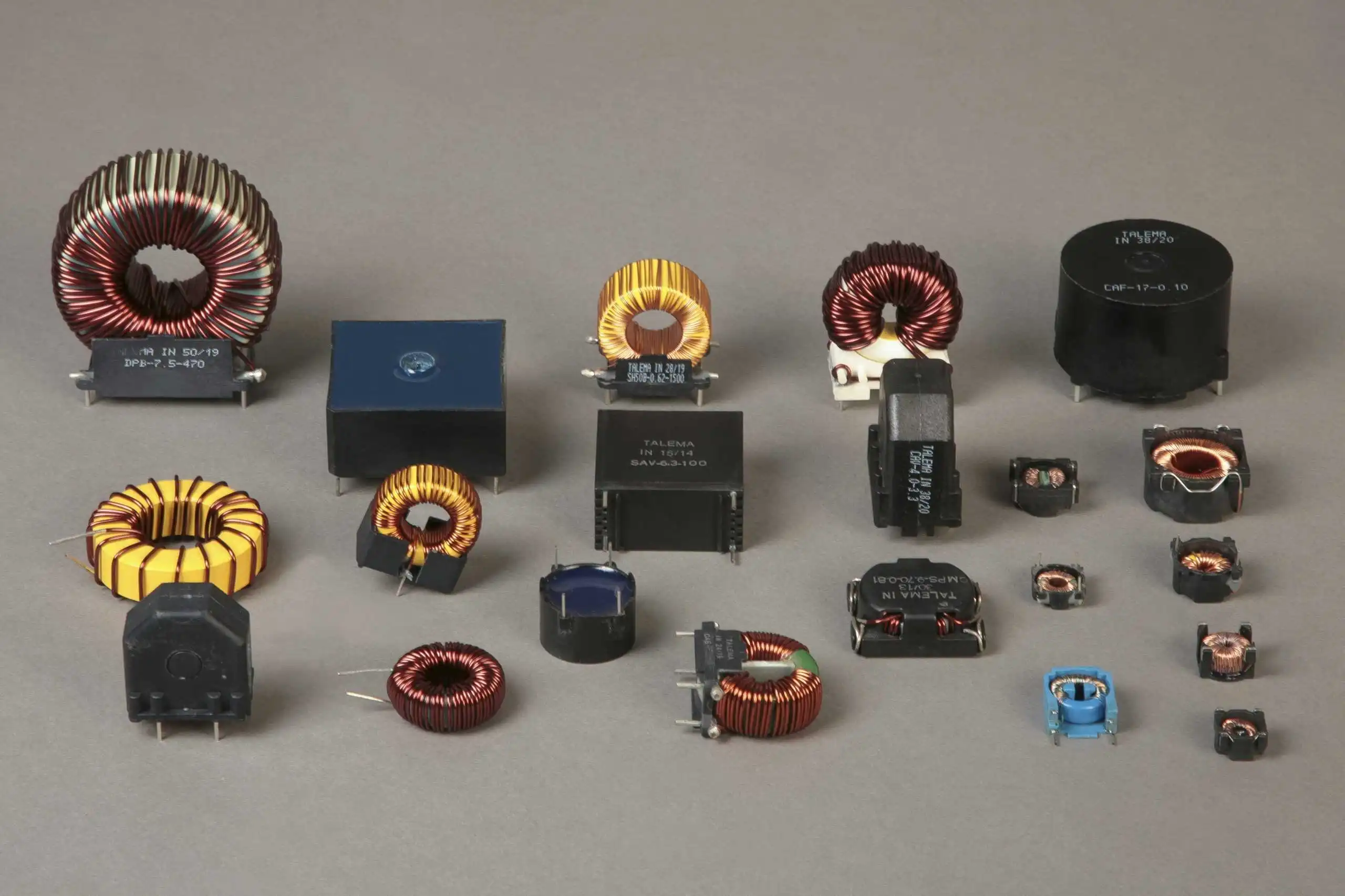
Because they often look alike and share similar construction, it’s easy to confuse the two—but they serve different purposes.
In this guide, we’ll break down their functions, applications, and key design differences to help you understand when and why each is used.
What Is an Inductor?
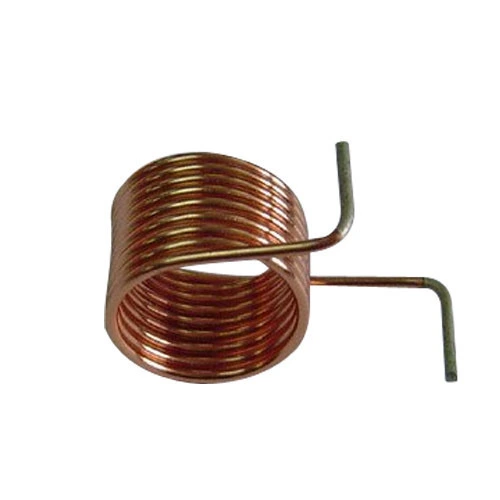
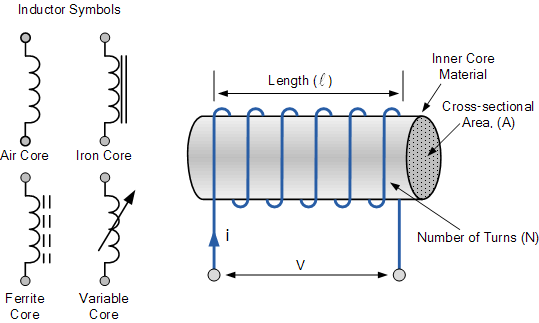
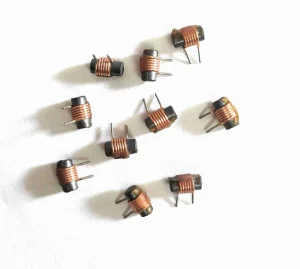
An inductor is a passive two-terminal component that stores electrical energy as a magnetic field, responding to changes in current based on Faraday’s Law.
It’s found in many devices and systems where managing current, energy, or electromagnetic fields is essential.
Common uses of inductors include:
Filters: Block high-frequency signals by increasing impedance
Energy storage: Temporarily hold power in switching power supplies
Transformers: Combine with other inductors for voltage conversion
Motors: Help generate torque in rotating shafts
Sensors: Detect objects through magnetic field changes without contact
What Is a Choke?
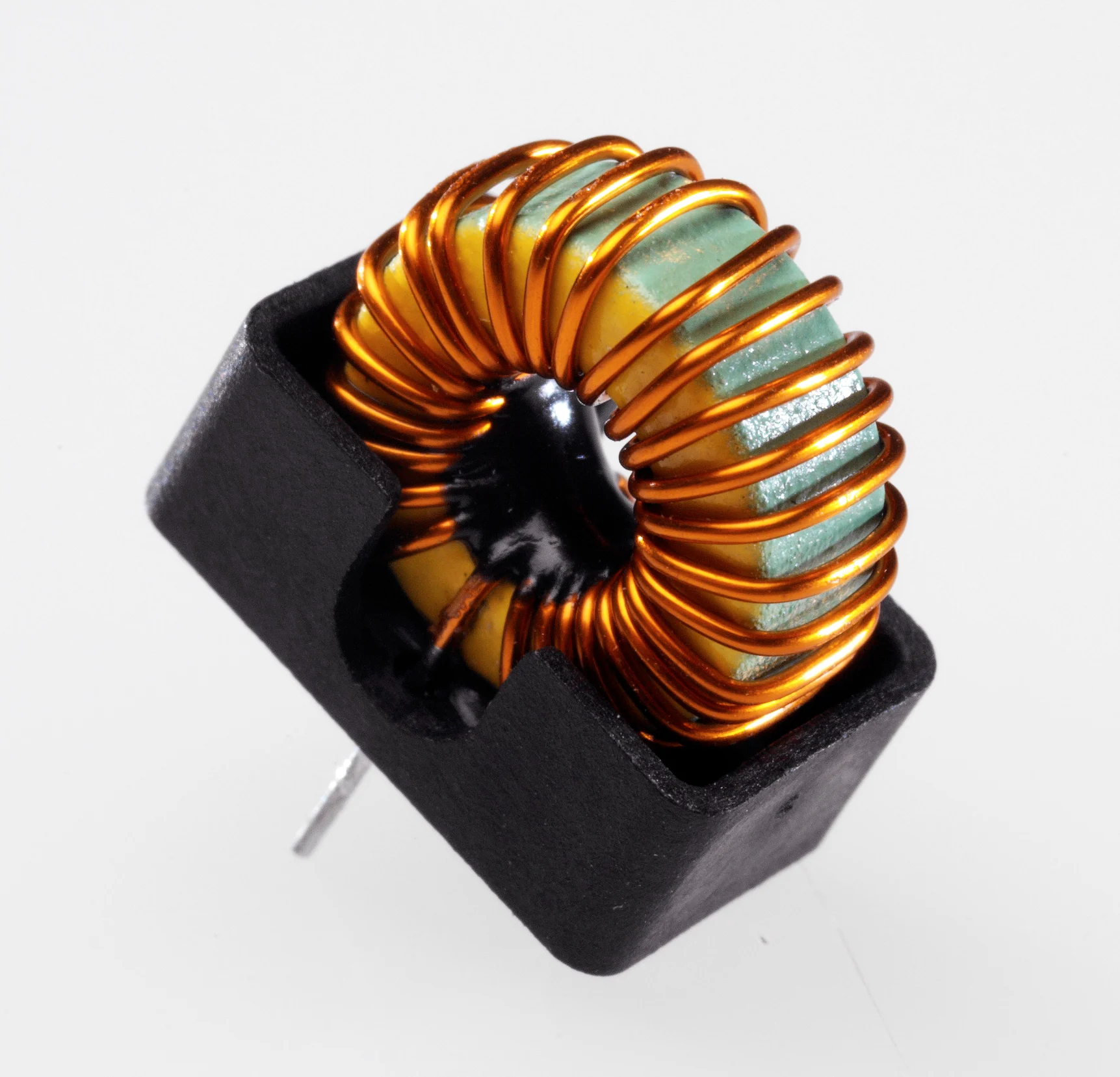
A choke is a specialized type of inductor designed to block high-frequency AC signals while allowing DC or low-frequency currents to pass through.
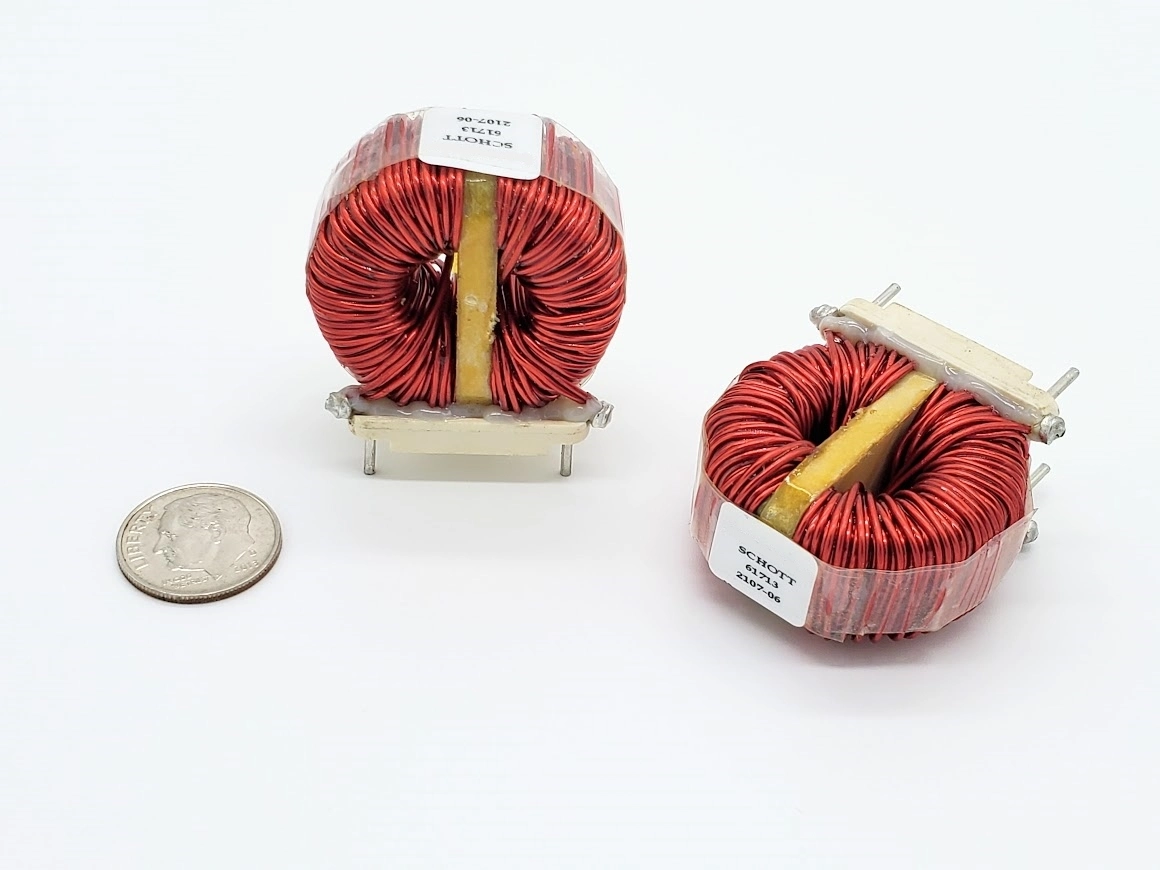
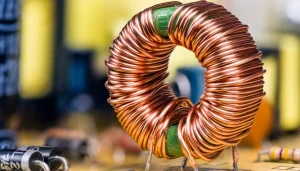
It typically features a toroidal (donut-shaped) core wrapped with insulated wire to create its filtering effect.
Key functions of a choke include:
Suppressing AC ripple in DC power circuits
Filtering EMI and RFI noise in audio, communication, and control lines
Preventing voltage spikes, such as those used to ignite fluorescent lamps
Smoothing current changes to protect sensitive components and insulation
Chokes vs. Inductors: Key Differences
While chokes and inductors share similar construction, their purpose in a circuit is quite different. Below is a side-by-side comparison to help you understand how they differ in design, function, and usage.
1. Definition
An inductor is a general passive component used to store energy in a magnetic field.
A choke, on the other hand, is a specialized inductor designed specifically to filter or block unwanted high-frequency signals.
2. Core Types
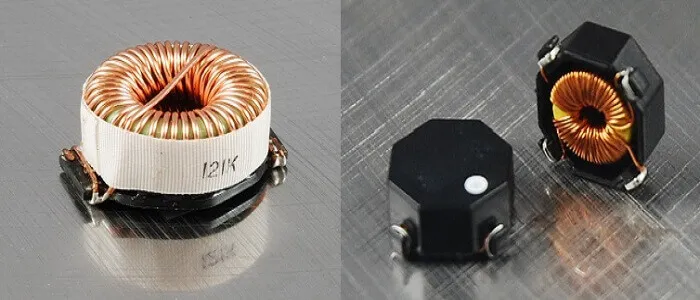
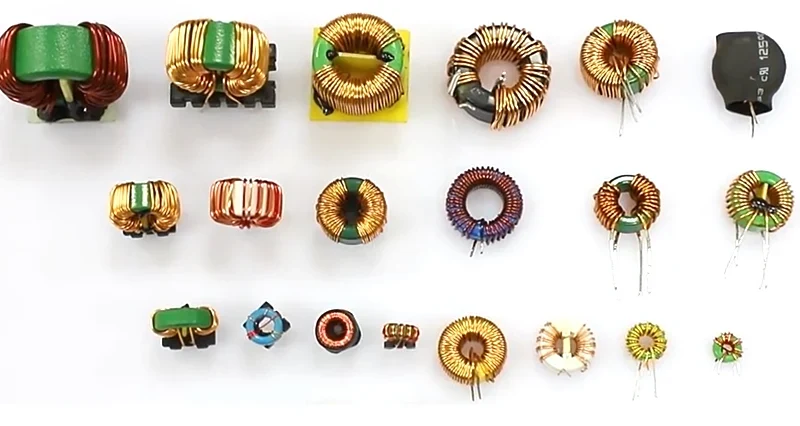
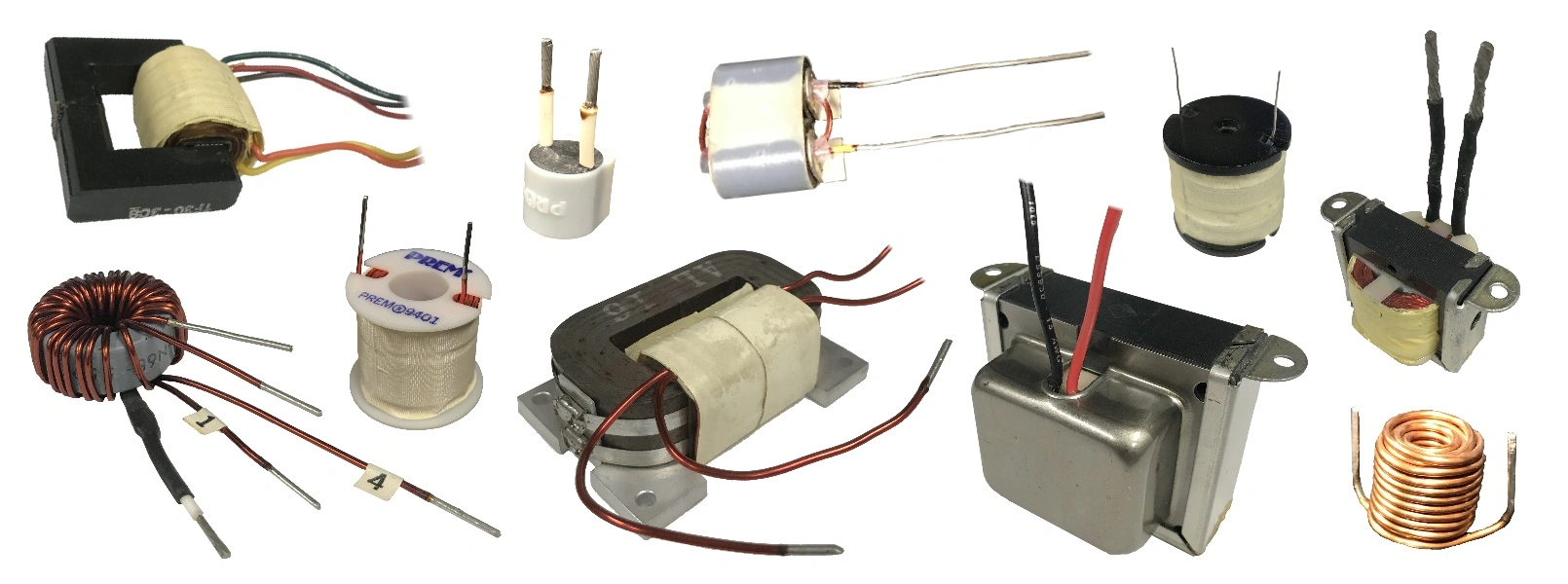
Inductors are made with various core materials like iron, air, ceramic, or plastic, depending on their use.
Chokes are most often built with a toroidal core (typically iron or air), which helps minimize electromagnetic interference.
3. Main Function
Inductors are designed for energy storage, impedance control, or managing current flow.
Chokes focus on blocking AC noise, suppressing EMI, and allowing only clean DC or low-frequency signals to pass.
4. Applications
You’ll find inductors in systems like motors, power supplies, transformers, and sensors.
Chokes are mainly used in power filtering, audio equipment, and communication systems where signal clarity is crucial.
5. Frequency Behavior
Inductors can be tuned to impede or pass AC/DC depending on the circuit design.
Chokes are explicitly used to block high-frequency AC signals while allowing DC or low-frequency currents through.
6. Usage in RF Circuits
Inductors in RF circuits are commonly paired with capacitors to create tuned LC circuits for frequency selection.
Chokes serve a protective role, filtering out high-frequency interference to ensure signal integrity.

 English
  Spanish
  Russian
  Italian
  German
  Chinese