


When it comes to building high-performance systems like electric vehicles, industrial machines, or renewable energy equipment, the type of motor winding you choose matters—a lot. The motor’s efficiency, heat management, and power output all depend on how it’s wound.
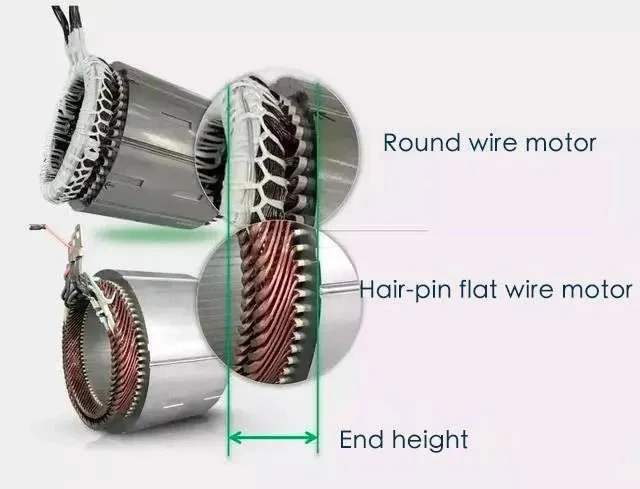
Two leading options dominate the scene today: round wire winding and hair pin winding. Each offers unique advantages, from cost-effectiveness to compact design and high power density. In this guide, we’ll break down how these winding types differ, where they shine, and how to decide which one fits your needs best.
What Is Round Wire Motor Winding?

Round wire motor winding is the traditional and most widely used method for constructing electric motor stators. It involves winding multiple thin copper wires into the stator slots to create electromagnetic coils. This method has stood the test of time because it’s cost-effective, simple to produce, and highly flexible for different motor designs.
Thanks to its simplicity, round wire winding is ideal for general-purpose applications, such as home appliances, HVAC systems, and budget-friendly electric vehicles. It allows for easier prototyping and faster adjustments during design.
However, it does come with a few trade-offs. Its slot fill rate is lower, meaning there’s more wasted space in the stator. This leads to less efficient heat dissipation and limits the motor’s power density—making it less suitable for high-performance demands.
What Is Hair Pin Motor Winding?
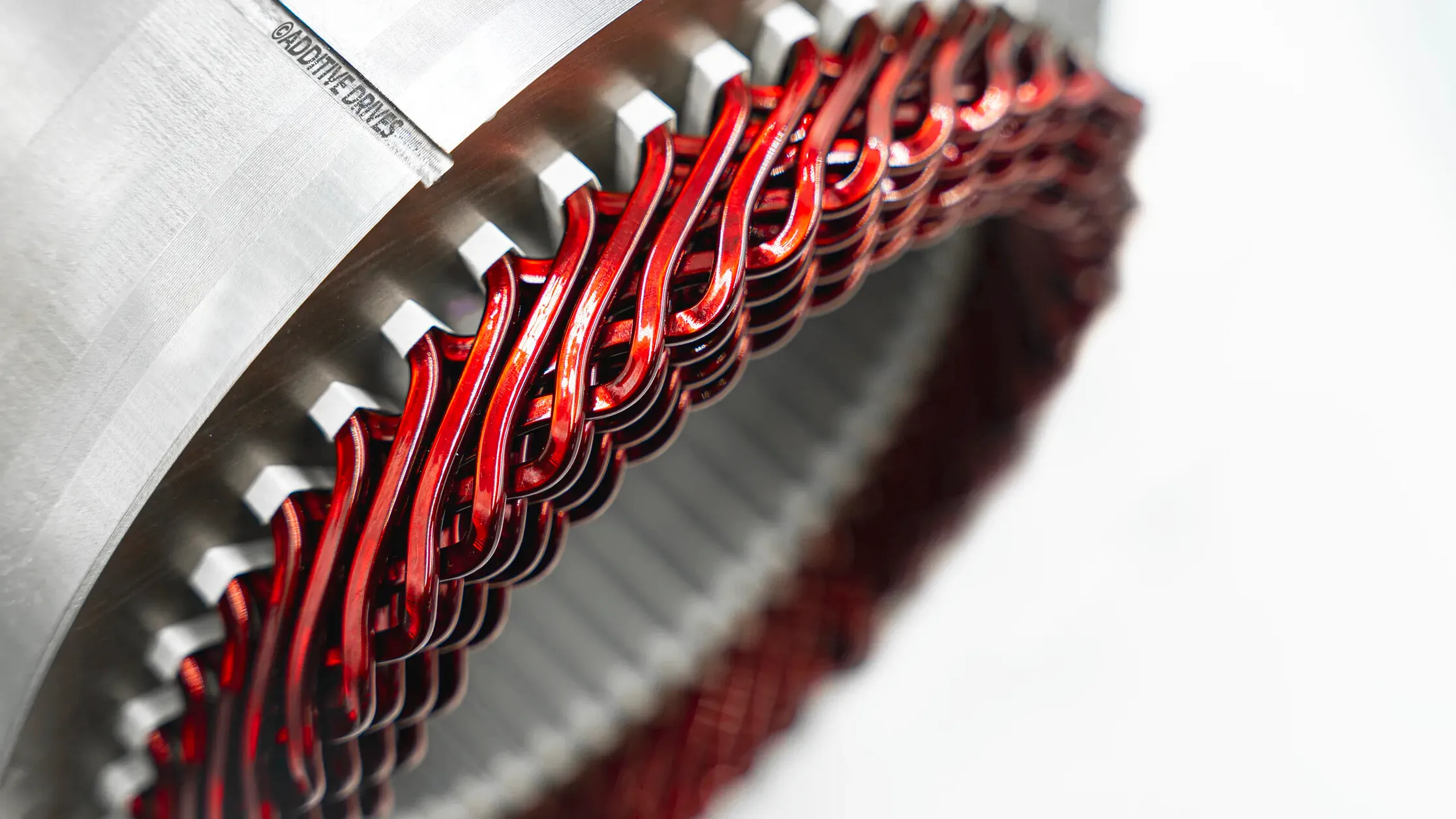
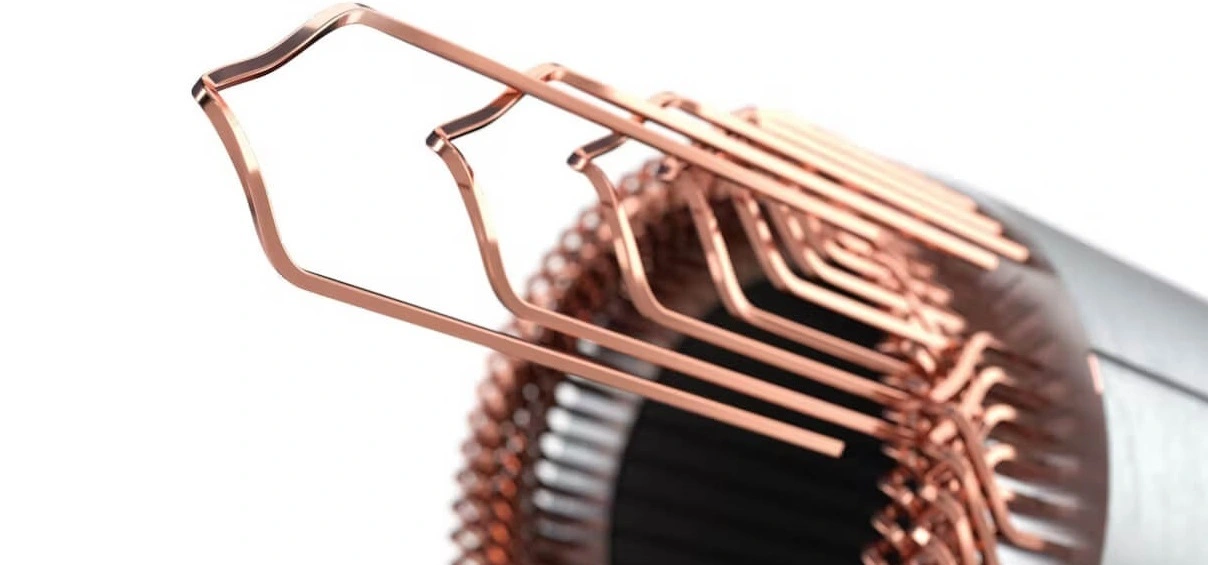
Hair pin motor winding is a modern technique that uses thicker, flat copper wires shaped like hairpins and inserted into stator slots. Unlike traditional round wires, these rectangular conductors allow for tighter packing in the slot, improving overall space usage and electrical performance.
This winding method is engineered for high-efficiency and high-power applications, such as electric vehicles, industrial automation, and aerospace. The result? Higher slot fill rate, better heat dissipation, and more consistent winding geometry—all of which contribute to stronger torque output and lower energy losses.
That said, hair pin winding requires specialized equipment and precise manufacturing, which can increase production costs. Still, for applications where performance and thermal management are critical, hair pin winding offers a powerful edge over traditional round wire methods.
Key Differences Between Round Wire and Hair Pin Winding
Choosing between round wire and hair pin motor winding comes down to balancing performance, cost, and complexity.
Let’s break down the key differences so you can make a confident, informed decision—especially if you’re working on electric vehicles, industrial motors, or renewable energy systems.
1. Wire Shape and Construction
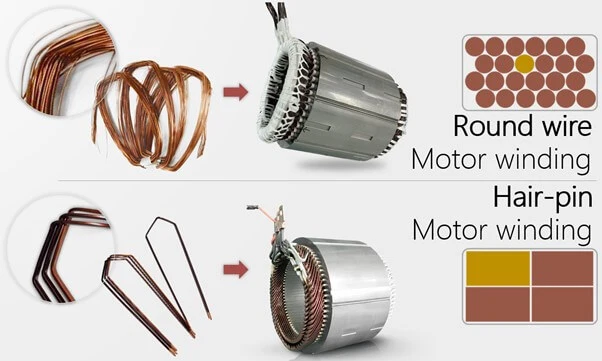
Round wire winding uses multiple thin, flexible copper wires wound into stator slots. It’s been the traditional method for decades.
Hair pin winding uses flat, rectangular copper bars, pre-formed into U-shaped “hairpins” that are inserted into slots and welded at the ends.
2. Slot Fill Factor
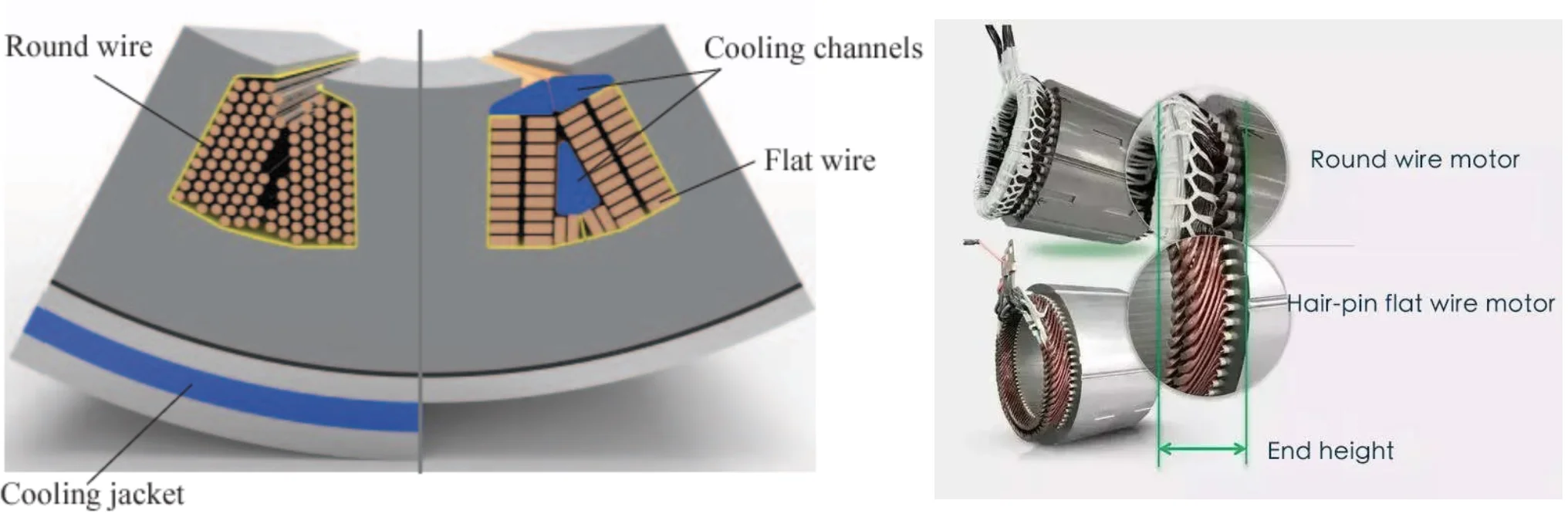
Round wire windings typically reach about 40% fill rate due to gaps between circular wires.
Hair pin windings can achieve up to 60% fill, packing more copper into the same volume. This means higher power density and better energy conversion.
3. Heat Dissipation
Round wires leave more air gaps, limiting contact with the stator core, which results in poorer heat transfer.
Hair pin windings offer more surface area contact, improving heat dissipation and helping the motor stay cooler under load.
4. Manufacturing Process
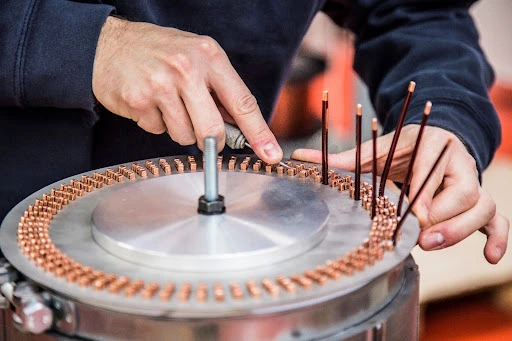
Round wire motors are easier and cheaper to produce. They require less specialized machinery and allow more flexibility in design.
Hair pin winding requires precise equipment and automated processes for shaping, inserting, stripping, and welding. It’s a more complex setup but yields better performance.
5. Efficiency and Power Output
Round wire motors are ideal for general applications where moderate performance is acceptable.
Hair pin motors minimize copper loss and improve current flow, leading to higher efficiency, better torque, and stronger output in compact spaces.
6. Noise and Vibration
Hair pin motors often produce less noise and vibration thanks to their stiffer design and reduced cogging torque—great for smooth EV operation.
Round wire motors may experience more vibration due to their looser structure and less uniform winding.
7. Cost Considerations
Round wire motors are cost-effective, making them suitable for mass-market appliances or budget EVs.
Hair pin motors have a higher upfront cost but deliver long-term savings in energy efficiency and system reliability.
How to Choose Between Round Wire and Hair Pin Winding
Not sure which motor winding type fits your needs? The right choice depends on your performance goals, budget, and application environment. Let’s break it down so you can choose with confidence.
Choose Round Wire Winding if:
You’re building cost-sensitive products like household appliances or entry-level electric vehicles.
You prefer simpler manufacturing and easier design flexibility.
Your motor doesn’t need extreme torque, efficiency, or compactness.
Round wire winding is a great fit when affordability and simplicity are more important than squeezing out every ounce of performance.
Choose Hair Pin Winding if:
You’re designing high-performance motors for electric vehicles, industrial drives, or aerospace systems.
You need maximum power output and thermal efficiency in limited space.
You’re ready to invest in advanced manufacturing for long-term performance gains.
Hair pin winding delivers greater efficiency, durability, and torque—ideal when performance is critical and space is tight.
FAQs
1. Why is slot fill rate important in motor winding?
A higher slot fill rate means more copper in the stator, which boosts electromagnetic performance, reduces resistance, and improves efficiency.
2. Can you switch from round wire to hair pin in the same motor design?
Usually not without major redesign. Hair pin winding requires different slot dimensions and specialized manufacturing, so it’s not a plug-and-play swap.
Conclusion

Choosing between round wire and hair pin motor winding depends on your goals. Round wire suits cost-conscious applications, while hair pin winding delivers better efficiency, power, and thermal control—ideal for EVs and high-performance systems.
Want help finding the best motor winding for your project? Contact our experts for personalized guidance and cutting-edge winding solutions.

 English
  Spanish
  Russian
  Italian
  German
  Chinese