


DC motors are everywhere—from powering toys and tools to running vehicles and industrial machines. At the heart of every DC motor lies a key component: the stator.
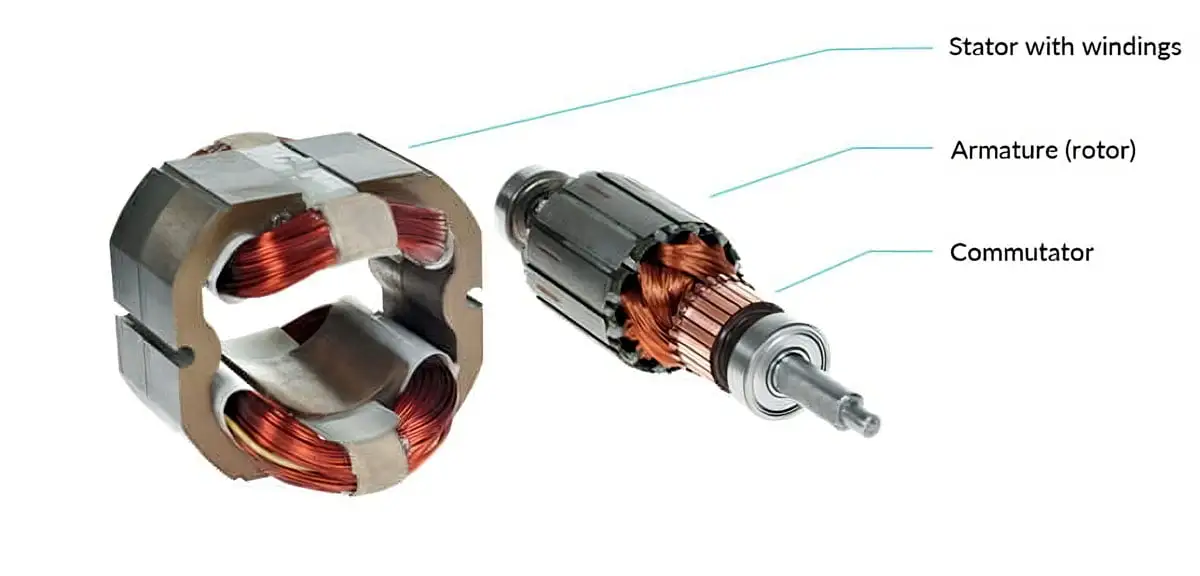
While the rotor spins to create movement, the stator plays a crucial behind-the-scenes role. In this article, we’ll explore how stators are used in DC motors, what they do, and why they matter.
What Is a Stator?
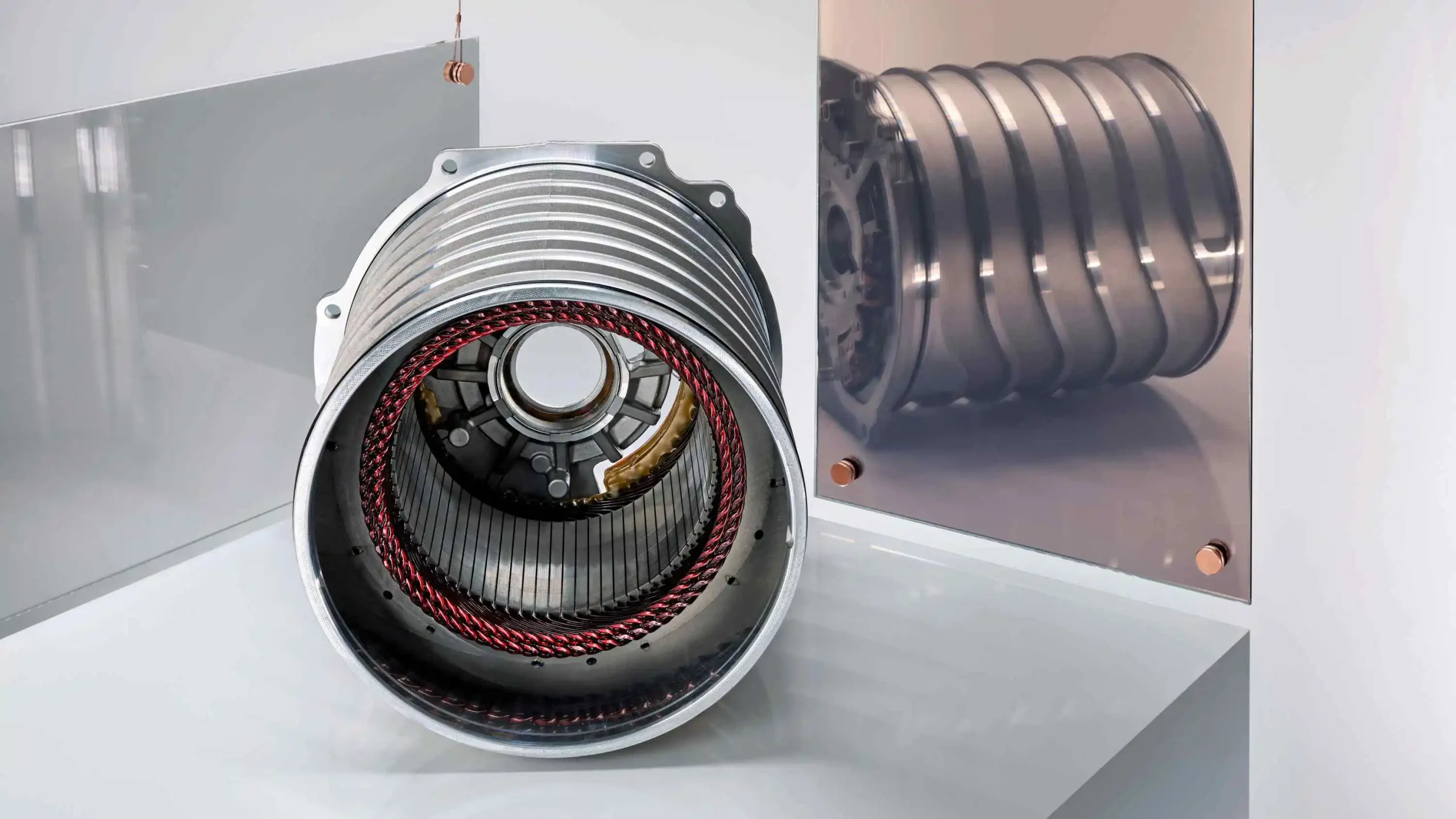
A stator is the stationary part of an electric motor that helps produce the magnetic field needed to make the motor run. While the rotor moves, the stator stays still—but it’s just as important.
Its basic structure includes:
A core (often made of laminated steel)
Windings or coils of wire
An outer housing that holds everything together
Do DC Motors Have Stators?
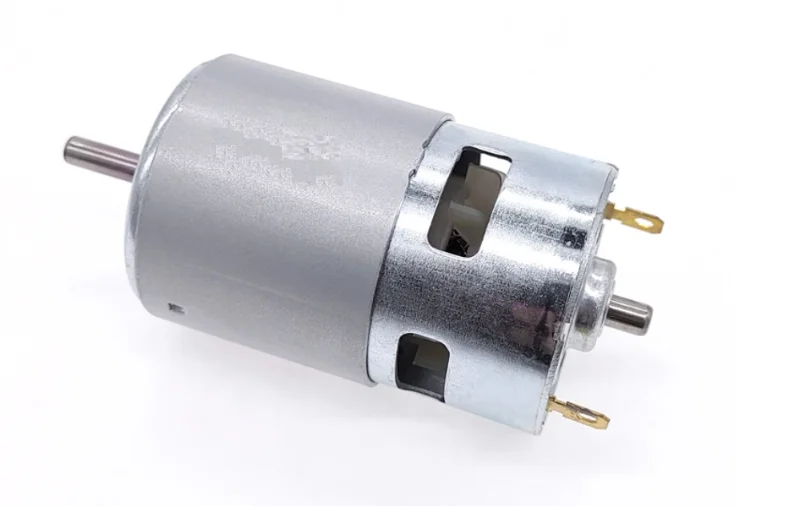
Yes—all DC motors include a stator as one of their core components. It’s the part that creates the magnetic field needed for the rotor to spin and do useful work.
Depending on the motor type, the stator might include:
Permanent magnets (in permanent magnet DC motors)
Field windings (in wound-field motors like shunt or series types)
Components of a DC Motor Stator
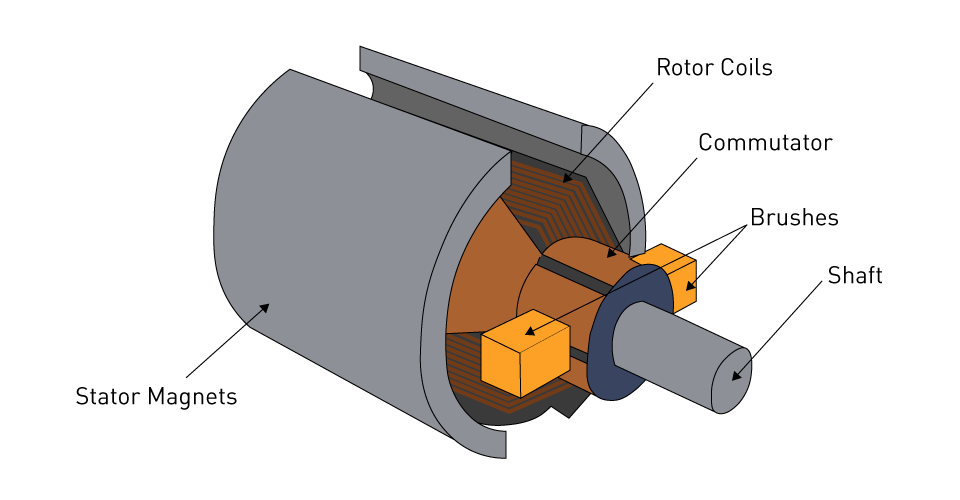
In a DC motor, the stator includes several parts that work together to create the magnetic field and support motor function:
Main Magnetic Poles
These generate the air-gap magnetic field using a laminated core and excitation windings.
Commutating Poles
They improve commutation and reduce sparking by stabilizing current flow during rotation.
Motor Housing
It provides structural support and forms part of the magnetic circuit for efficient flux distribution.
Brush Device
This system delivers current to the rotor through brushes that maintain contact with the commutator.
How the Stator Works in a DC Motor
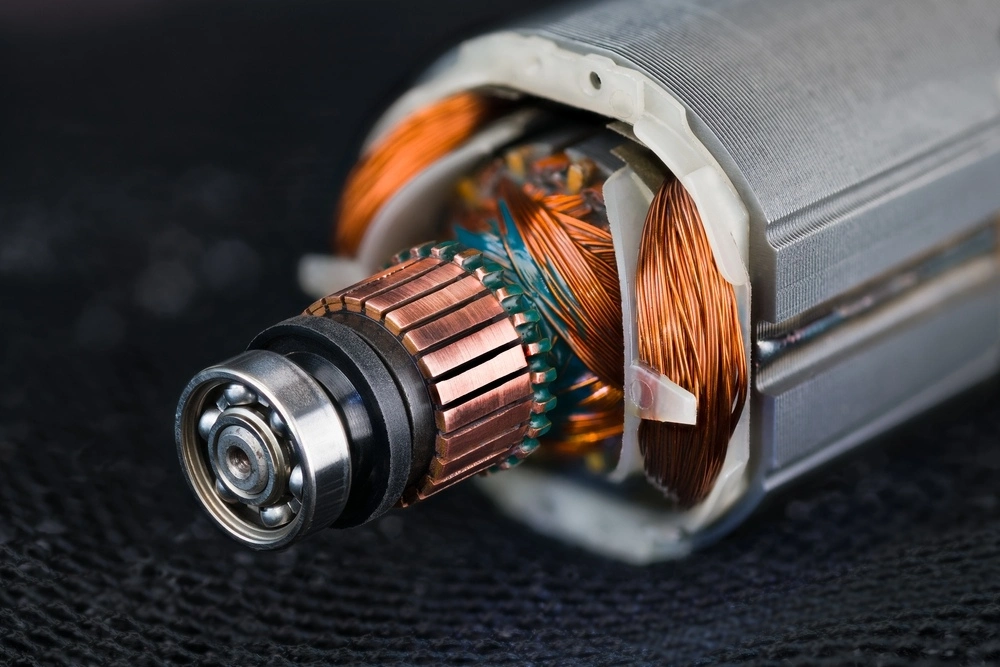
In a DC motor, the stator creates a fixed magnetic field using either field windings or permanent magnets.
The rotor spins inside this magnetic field, generating torque as current flows through its coils.
A commutator switches the current direction to keep the rotor turning smoothly while the stator stays stationary and essential to the process.
Types of DC Motors and Their Stator Designs

Different types of DC motors use slightly different stator designs to achieve unique performance characteristics. The way the stator is built directly affects how the motor handles torque, speed, and control.
Brushed DC Motors use either permanent magnets or wound field coils in the stator to create a constant magnetic field.
Brushless DC Motors (BLDC) have a stator made of coils, while the permanent magnets are placed on the rotor for smoother, quieter operation.
Series Motors feature field and armature windings connected in series, giving them high torque at startup but less precise speed control.
Shunt Motors place the field winding in parallel with the armature, which allows better speed regulation under varying loads.
Compound Motors combine both series and shunt windings for balanced torque and control—ideal for dynamic load conditions.
Advantages of Stator Use in DC Motors
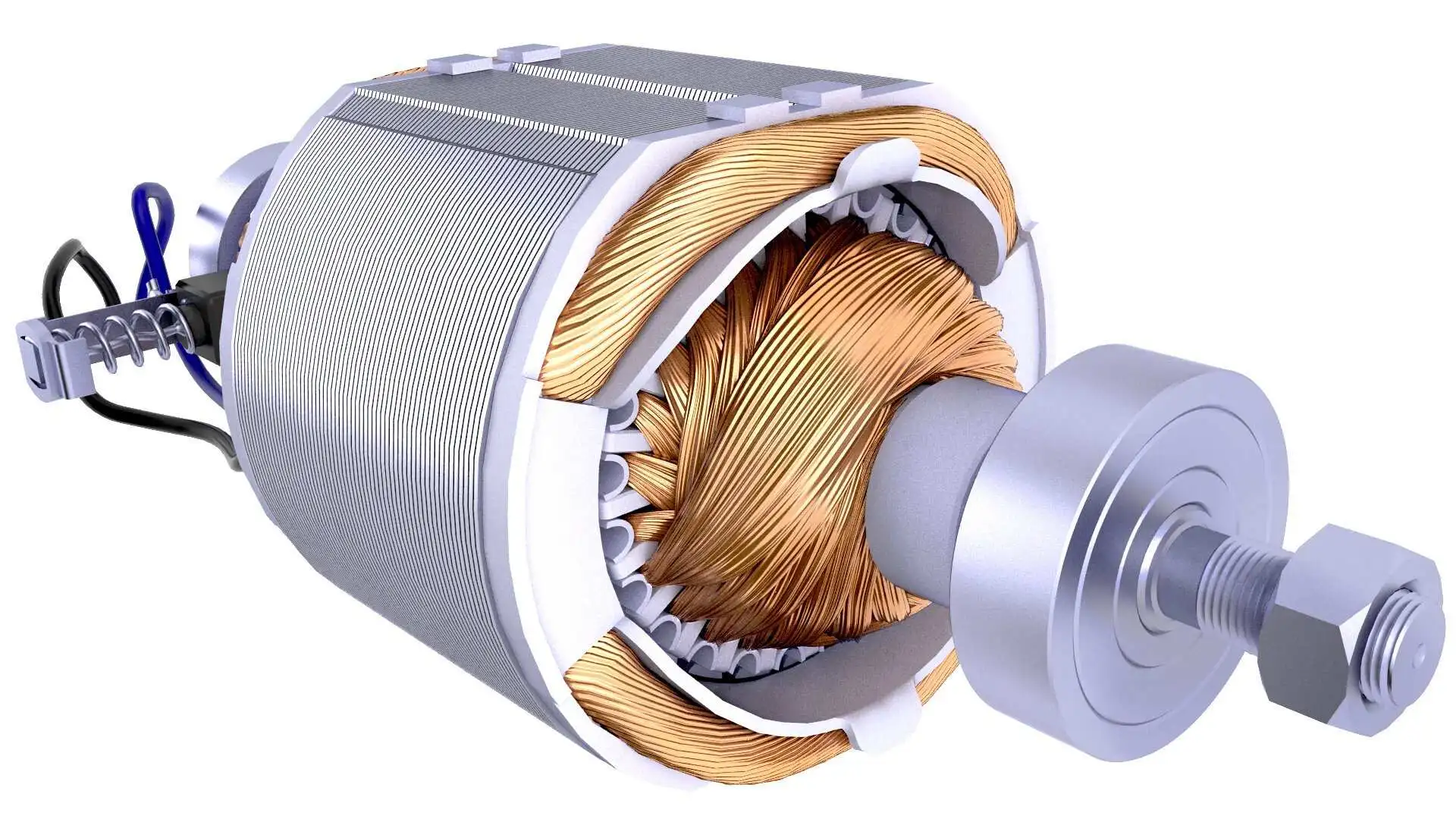
The stator in DC motors creates the essential magnetic field that allows the rotor to spin, enabling controlled torque and speed.
Its design supports smooth, efficient, and reversible motion, making DC motors ideal for both precision tools and high-torque applications.
DC Motor Applications Using Stators
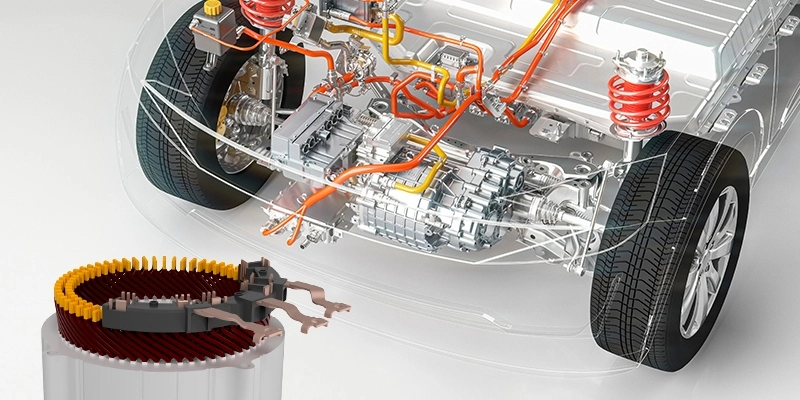
Here are common DC motor applications that rely on stators:
Cranes and hoists
Conveyor belts
Power tools
Electric vehicles
Machine tools
Toy motors
Automotive starters
FAQs About Stators in DC Motors
1. What is the role of the stator in a DC motor?
The stator generates a magnetic field that interacts with the rotor to produce motion.
2. Is the stator different in brushed and brushless DC motors?
Yes. In brushed motors, the stator may be magnetic or wound; in brushless motors, the stator contains coils while the rotor has the magnets.
3. Can stator design affect motor performance?
Absolutely. Stator design impacts torque, speed control, efficiency, and noise level.
Conclusion
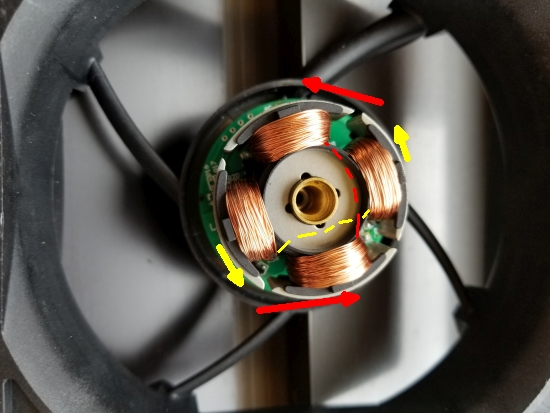
The stator is a vital part of every DC motor, generating the magnetic field that drives motion. Whether it’s in industrial machines or tiny toys, its design directly impacts performance, efficiency, and durability.
Want to learn more about motor components or need help choosing the right motor for your project? Contact our team for expert advice!

 English
  Spanish
  Russian
  Italian
  German
  Chinese