


For high-frequency transformers, especially those operating above 50 kHz, the way you design the windings plays a critical role in overall performance. At higher frequencies, conventional design approaches become less effective because the transformer winding layout directly influences power losses, heat generation, electromagnetic interference, and overall efficiency.
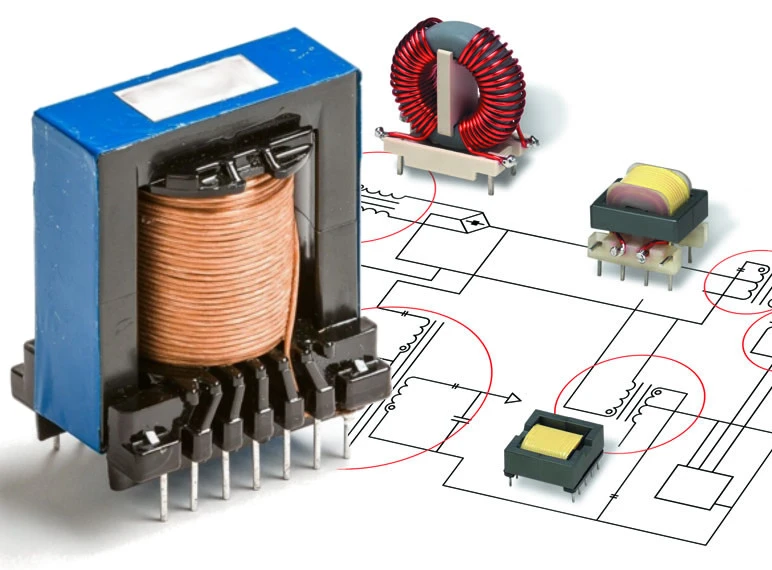
Effective transformer winding design helps reduce AC resistance, control skin and proximity effects, minimize leakage inductance, and keep electromagnetic interference (EMI) within acceptable limits. Whether the application involves a compact SMPS or a custom power module, properly designed transformer windings are essential for reliable performance, long service life, and compliance with electrical requirements.
In this article, we’ll cover the key winding considerations for high-frequency transformers, using practical design principles and clear explanations to help engineers better understand the factors that affect efficiency and performance.
Skin & Proximity Effects
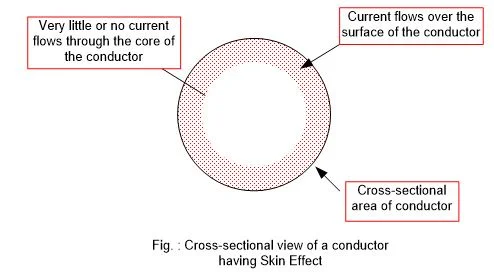
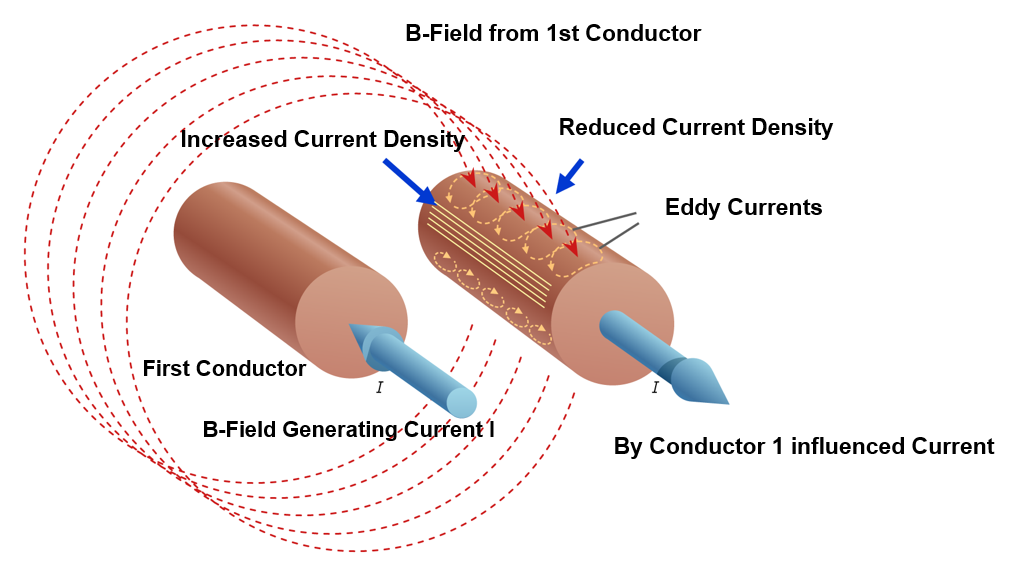
At high frequencies, current no longer flows evenly through the conductor. Instead, it becomes concentrated near the wire surface, a phenomenon known as the skin effect. As frequency rises, the effective current-carrying area decreases, increasing AC resistance and generating more heat within the transformer winding.
Next comes the proximity effect. When conductors are positioned close together, their magnetic fields alter the current distribution and force it into narrower paths. This further increases AC resistance and reduces transformer winding efficiency.
Combined with the skin effect, the proximity effect becomes a major source of winding loss in high-frequency transformers. For this reason, selecting the right wire type and winding layout is essential for reducing losses and improving overall performance.
Wire Type & Size Selection

Choosing the right wire type is essential for reducing losses in high-frequency transformer windings.
Among the available options, Litz wire is widely used because it consists of many thin, individually insulated strands woven together to distribute current more evenly. This design helps reduce both skin and proximity effects, making it especially effective in high-frequency applications up to about 1 MHz.
However, Litz wire has practical limits. Above about 1 MHz, strand diameter becomes increasingly important. To remain effective, each strand should generally be less than twice the skin depth at the target operating frequency.
For very high frequencies or higher-current transformer winding applications, alternatives such as foil windings, tubular conductors, and Roebel cables may provide better current handling while improving magnetic field distribution and thermal performance.
Ultimately, the best conductor depends on the operating frequency, current level, and winding geometry, but the goal remains the same: reduce losses and improve the efficiency of transformer windings.
Winding Topologies to Reduce Loss
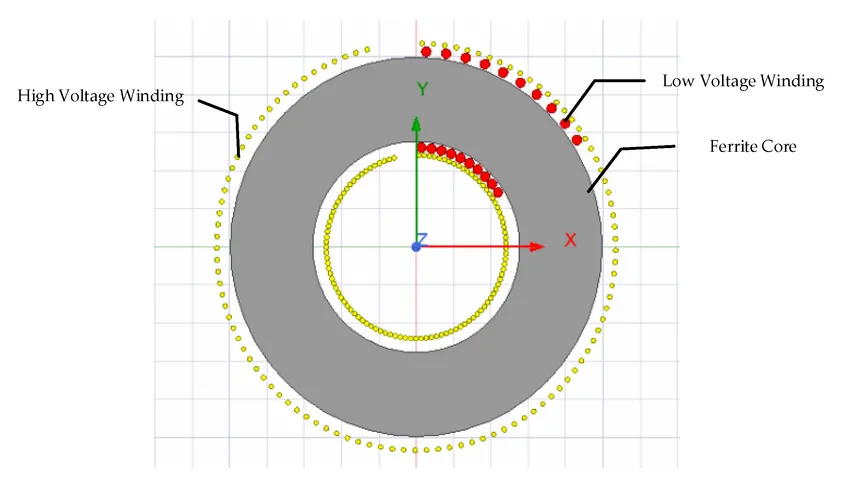
The arrangement of transformer windings has a significant impact on overall performance. An optimized winding layout can help reduce AC resistance, limit parasitic effects, and improve heat management.
For example, paralleled and interleaved windings distribute current more evenly and help reduce the proximity effect. By alternating primary and secondary winding layers, magnetic coupling is improved, which can lower losses and increase efficiency.
Basket (or scatter) winding separates conductors rather than placing them closely side by side. This layout helps reduce parasitic capacitance and proximity-effect losses, making it useful in high-frequency transformer winding designs.
Similarly, sandwich and helical structures can improve current distribution and maintain a more balanced magnetic field. This helps reduce leakage flux and improve the efficiency of transformer windings.
Each winding layout involves trade-offs, but a well-designed topology can significantly reduce electrical losses and improve overall transformer performance.
Managing Parasitics & Leakage
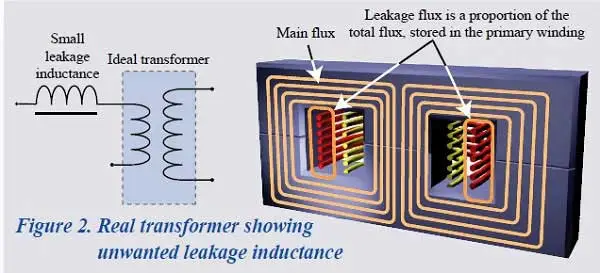
High-frequency transformers commonly face two winding-related challenges: leakage inductance and parasitic capacitance. If not properly controlled, both can reduce the performance and efficiency of transformer windings.
Leakage inductance occurs when part of the magnetic flux does not link the primary and secondary windings. While some designs use it intentionally, excessive leakage inductance can slow switching performance and create voltage spikes. Techniques such as interleaved windings and leakage layers can help balance magnetic coupling, insulation, and overall transformer winding performance.
Parasitic capacitance develops between closely spaced winding layers and can contribute to self-resonance and EMI problems in high-frequency transformers. Using careful layer spacing, suitable insulation, and basket winding patterns can help reduce this unwanted effect.
Managing these parasitic effects requires a balanced transformer winding design that limits electrical losses and interference without compromising efficiency, insulation performance, or safety.
Insulation & Fill Factor

A well-designed transformer winding layout must balance electrical performance, available space, and safety. The fill factor indicates how efficiently the wire occupies the winding window, with higher values allowing more conductor to fit within the same space.
In comparison, orthocyclic winding arranges wires in a uniform pattern and can achieve a fill factor of up to 90%, while random winding typically reaches around 75%. A higher fill factor generally means more copper and less unused space, helping improve the efficiency and compactness of transformer windings.
As winding density increases, insulation becomes even more important. Proper layer insulation and dielectric spacing are essential for preventing short circuits, particularly in high-voltage transformer winding designs. The choice of insulation material, thickness, and placement all affect long-term safety and reliability.
A well-designed transformer winding should therefore balance high copper utilization with effective insulation, helping maintain both electrical performance and dependable protection.
Thermal & Mechanical Constraints
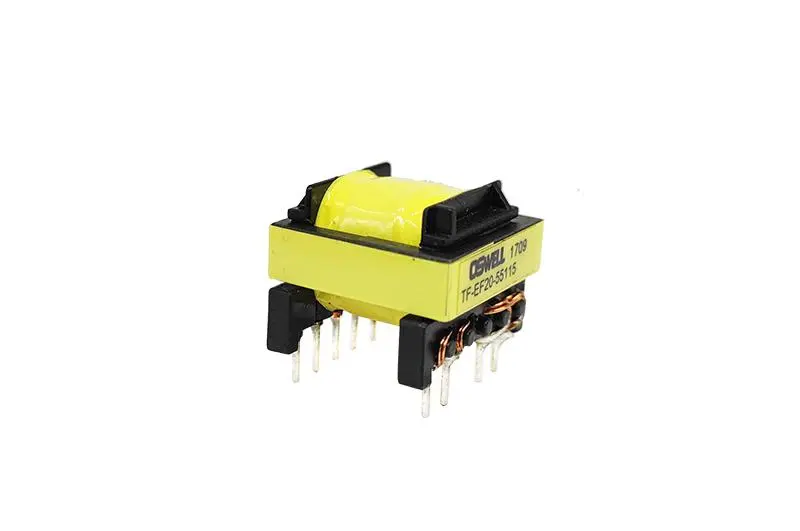 High-frequency transformers can generate significant heat, especially when current density becomes too high. To reduce the risk of overheating, current density should generally remain within a safe range of about 4–10 A/mm², depending on the cooling method and overall transformer winding design.
In addition, effective cooling through airflow, heatsinks, or proper spacing helps control winding temperature, maintain stable performance, and extend the service life of high-frequency transformer windings.
Mechanical stability is equally important for reliable transformer winding performance. Windings must withstand vibration, thermal expansion, and handling stress during operation and assembly. If the windings become loose or shift over time, insulation damage and changes in electrical performance may occur.
For this reason, a robust mechanical design helps keep transformer windings securely in place, supporting consistent efficiency, long-term reliability, and stable operation under real-world conditions.
Integration in Design Workflow
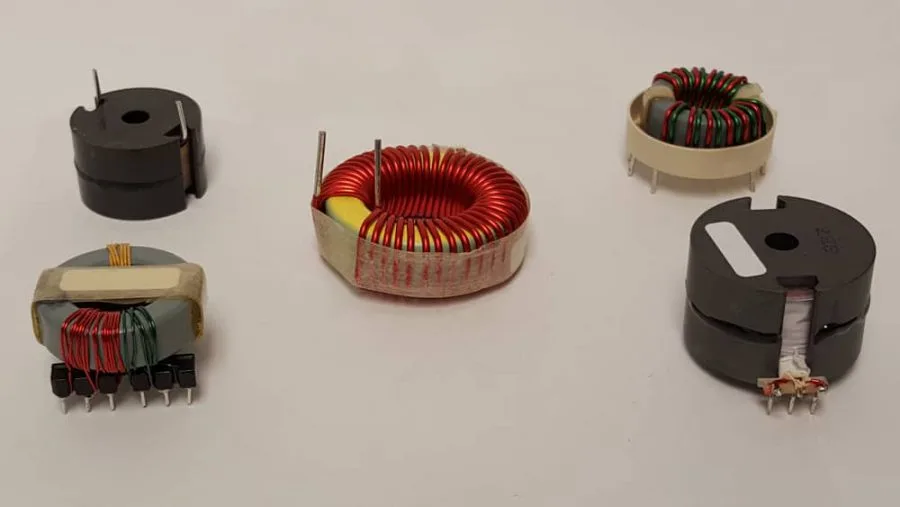
Effective transformer winding design is an iterative process, since each design decision can influence the next. Careful planning is therefore essential for balancing electrical performance, efficiency, and manufacturability.
The process typically begins with core selection based on operating frequency and power requirements, followed by calculating the appropriate turn count for voltage and magnetic flux. Next, the winding geometry is refined to balance efficiency, available space, and cooling. Finally, parasitic effects such as leakage inductance and capacitance should be evaluated to ensure stable and reliable transformer winding performance.
For better results, finite element analysis (FEM) tools can be used to evaluate AC resistance, current density, magnetic field distribution, and other key parameters. This helps identify potential transformer winding issues before moving to the prototype stage.
In practice, effective transformer winding design combines engineering analysis with practical experience. Integrating these steps early can reduce development time, lower costs, and minimize troubleshooting later.
Advanced Practices & Emerging Trends
As high-frequency applications continue to advance, transformer winding techniques are also evolving, with new conductor designs and winding layouts helping improve efficiency and power density.
One example is Roebel cables, which use transposed strands to reduce AC losses in strong parallel magnetic fields. This makes them well suited for high-current or compact transformer winding applications where efficient current distribution is essential.
Helical and composite foil windings are also becoming more common in advanced transformer winding designs. These structures help improve magnetic field uniformity, reduce hotspots, and support more consistent performance at higher operating frequencies.
Another important consideration is circulating currents in parallel strands, which can create additional heat and current imbalance. Proper strand transposition and spacing can help reduce these unwanted effects.
Although these techniques are not required for every design, they can provide clear benefits in efficiency, thermal stability, and EMI control for demanding high-frequency transformer windings.
Conclusion
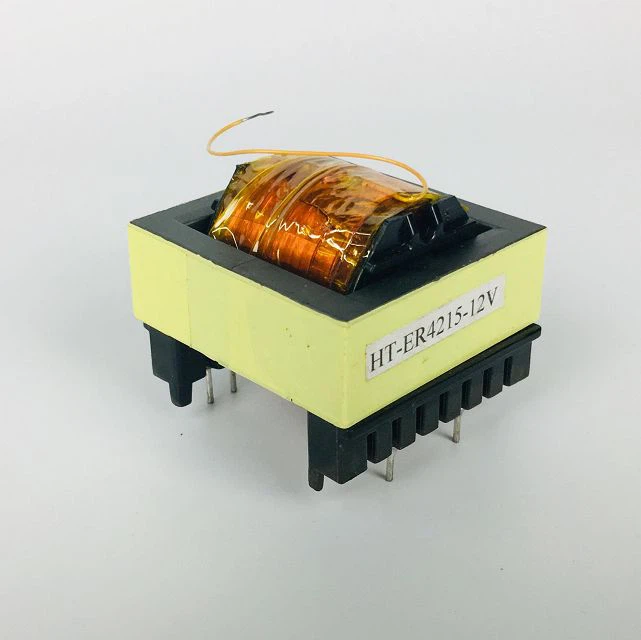
High-frequency transformer performance depends greatly on effective transformer winding design. From conductor selection and winding geometry to parasitic effects, each factor can influence efficiency, thermal behavior, and long-term reliability. Applying the right design principles helps reduce losses and maintain stable transformer performance.
For support with your transformer winding design, Contact our team for expert guidance, custom solutions, and simulation insights tailored to your specific application.
FAQs About High-Frequency Transformer Winding
1. What is the ideal frequency range for using Litz wire?
Litz wire is generally most effective between 10 kHz and 1 MHz, where skin and proximity effects become more significant. Above 1 MHz, strand diameter and construction must be carefully optimized to control AC losses in high-frequency transformer windings.
2. How do I calculate the number of turns for a high-frequency transformer?
A common starting formula for high-frequency transformer winding design is:
Turns = (Vin × 10⁸) / (4 × Bmax × Ac × f)
where Vin is the input voltage, Bmax is the maximum flux density, Ac is the core area, and f is the operating frequency. The final turn count may need adjustment for voltage drop and regulation requirements.
3. Can I use standard wire instead of Litz for low-power designs?
Yes. For low-current applications operating at relatively low frequencies, standard magnet wire may be suitable for transformer windings. However, as frequency rises above roughly 100–200 kHz, increasing AC losses should be considered when selecting the conductor.

 English
  Spanish
  Russian
  Italian
  German
  Chinese
One Response
Thank you for sharing this insightful article! I found the information really useful and thought-provoking. Your writing style is engaging, and it made the topic much easier to understand. Looking forward to reading more of your posts!