


Toroidal transformers use a doughnut-shaped core for efficient, quiet power transfer.

But what really makes a difference is the core material—it affects energy loss, size, noise, and EMI suppression, making it crucial for choosing the right transformer in modern electronics and power systems.
Why Core Material Matters in Toroidal Transformers

The core material directly impacts magnetic permeability, energy losses, size, and efficiency.
Choosing the right material ensures optimal transformer performance, lower heat, and long-term reliability—especially in demanding fields like EVs, medical devices, and power electronics where precision and durability are critical.
Ferrite Cores

Ferrite cores are made from iron oxide mixed with zinc, manganese, or nickel. They’re valued for their high magnetic permeability, low eddy currents, and minimal core loss, making them perfect for high-frequency applications.
MnZn ferrite suits mid-frequency devices.
NiZn ferrite works better at higher frequencies.
You’ll find ferrite toroidal cores in switch-mode power supplies (SMPS), telecom gear, laptops, and portable electronics. They run cooler, are compact, and help reduce EMI—making them a top pick for small, efficient electronics.
Silicon Steel Cores

Silicon steel cores are built from laminated sheets of silicon-alloyed iron, which help reduce eddy current losses and handle higher loads with ease.
They’re a cost-effective choice for low-frequency, high-current uses, including:
Power distribution transformers
Industrial motor drives
Audio equipment
Modern versions use high-silicon-content steel to boost performance even further, striking a great balance between durability and efficiency.
Amorphous Steel Cores

Made from non-crystalline, ribbon-wound steel, amorphous cores bring ultra-low hysteresis and core losses, helping devices run cooler and consume less energy.
These high-efficiency cores are ideal for:
Solar and wind power inverters
Electric vehicles (EVs)
Smart grid technologies
Though they cost more upfront, they offer long-term savings in energy-sensitive systems. And as manufacturing tech evolves, amorphous cores are becoming more scalable and affordable, making them a smart investment for future-ready designs.
How to Choose the Right Toroidal Core

Choosing the right toroidal core starts with knowing your application’s demands—like frequency, power rating, thermal performance, EMI sensitivity, and available space.
Go with ferrite if you’re working on high-frequency circuits and need a lightweight, compact solution.
Choose silicon steel when you need a durable, cost-effective core for low-frequency, high-power systems.
Opt for amorphous steel if energy efficiency and minimal heat loss are critical, like in renewable energy setups.
Quick tip: Balance cost vs. performance. Higher efficiency may save more over time—especially in 24/7 systems.
Emerging Trends in Core Materials

Nanocrystalline alloys, magnetic polymers, and AI-optimized designs are redefining transformer cores—offering even smaller size, higher efficiency, and smart customization for future-ready power systems.
Conclusion

Choosing between ferrite, silicon steel, or amorphous cores directly impacts efficiency, size, and performance in toroidal transformers. Match the core to your frequency, power, and design needs.
Have questions or need custom guidance? Contact us today to find the perfect toroidal core for your application.
FAQs
What are toroidal transformer cores made of?
Toroidal cores are made from magnetic materials like laminated silicon steel, ferrite, powdered iron, or amorphous steel—each chosen based on frequency, efficiency, and application needs.
What is the core of a toroid?
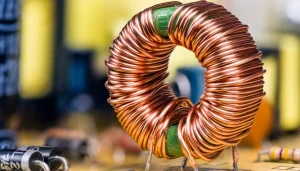
The core of a toroid is a donut-shaped magnetic ring—made from materials like silicon steel or ferrite—wrapped with primary and secondary windings to transfer energy efficiently .
What is the difference between toroidal and core transformers?
Toroidal transformers use a circular ring core for compact size, low EMI, and higher efficiency, while conventional (EI-core) transformers use rectangular laminated cores, are cheaper, but heavier and noisier.
How to make toroidal transformer core?
Homemade toroidal cores can be built by winding a continuous strip or ribbon of magnetic material (ferrite or steel) into a torus; videos also show DIY epoxy and iron filings molded into the required shape.

 English
  Spanish
  Russian
  Italian
  German
  Chinese