


Motor winding is the arrangement of conductive coils that generate the magnetic field needed for motor operation.
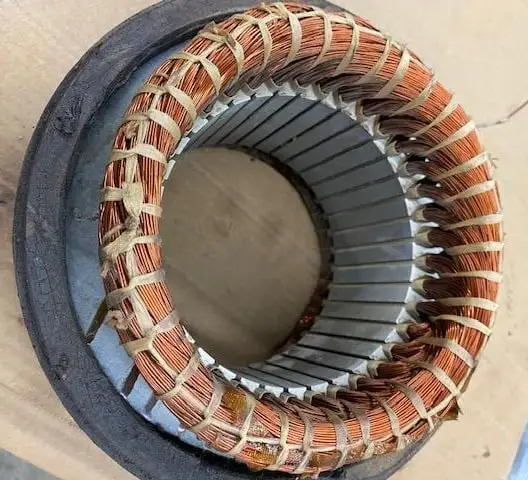
The winding design impacts efficiency, torque, and durability.
This article explores motor winding types, working principles, failures, testing methods, and applications to help optimize motor performance.
What Is Motor Winding?

Motor winding is the arrangement of conductors within a motor that generates a magnetic field, enabling the conversion of electrical energy into mechanical motion.
It plays a crucial role in determining motor efficiency, torque, and overall performance.
Types of Motor Windings:
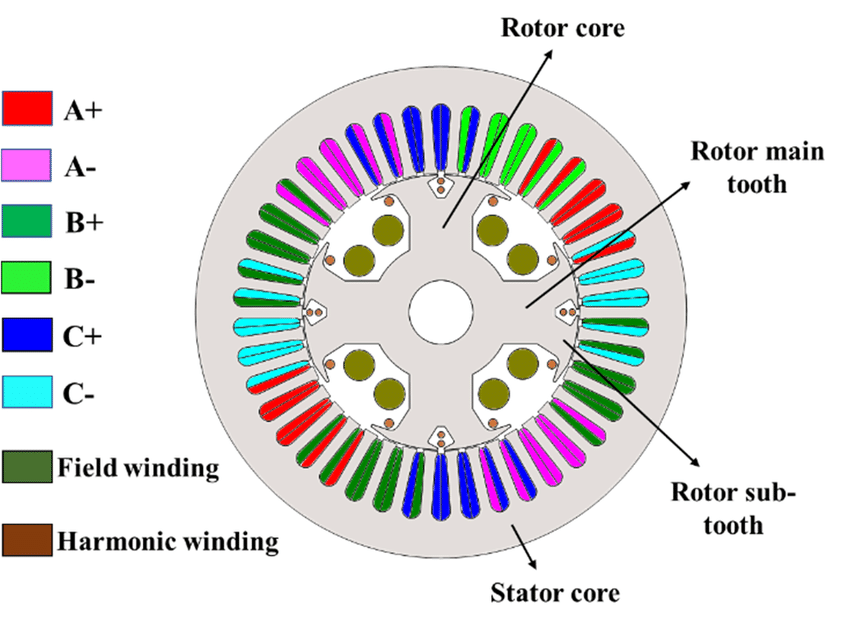
- Stator Winding: Generates the magnetic field needed for motor operation in both AC and DC motors.
- Rotor Winding: Induces current when exposed to the stator’s magnetic field, enabling rotation.
- Armature Winding: Found in DC motors, responsible for carrying the working current.
- Field Winding: Creates a constant magnetic field in DC motors to maintain stable operation.
- Lap Winding: Provides multiple parallel paths for current flow, ideal for high-current, low-voltage applications.
- Wave Winding: Uses a series connection for fewer parallel paths, suitable for high-voltage, low-current applications.
How Motor Windings Work
Motor windings operate on the principle of electromagnetic induction, where current flowing through the winding generates a magnetic field.
This field interacts with the rotor and stator, creating torque that drives motor movement.
The winding design significantly impacts performance: more turns increase voltage while lowering current, thicker wire reduces resistance for better efficiency, and superior insulation minimizes heat loss, enhancing the motor’s lifespan.
Motor Winding Techniques
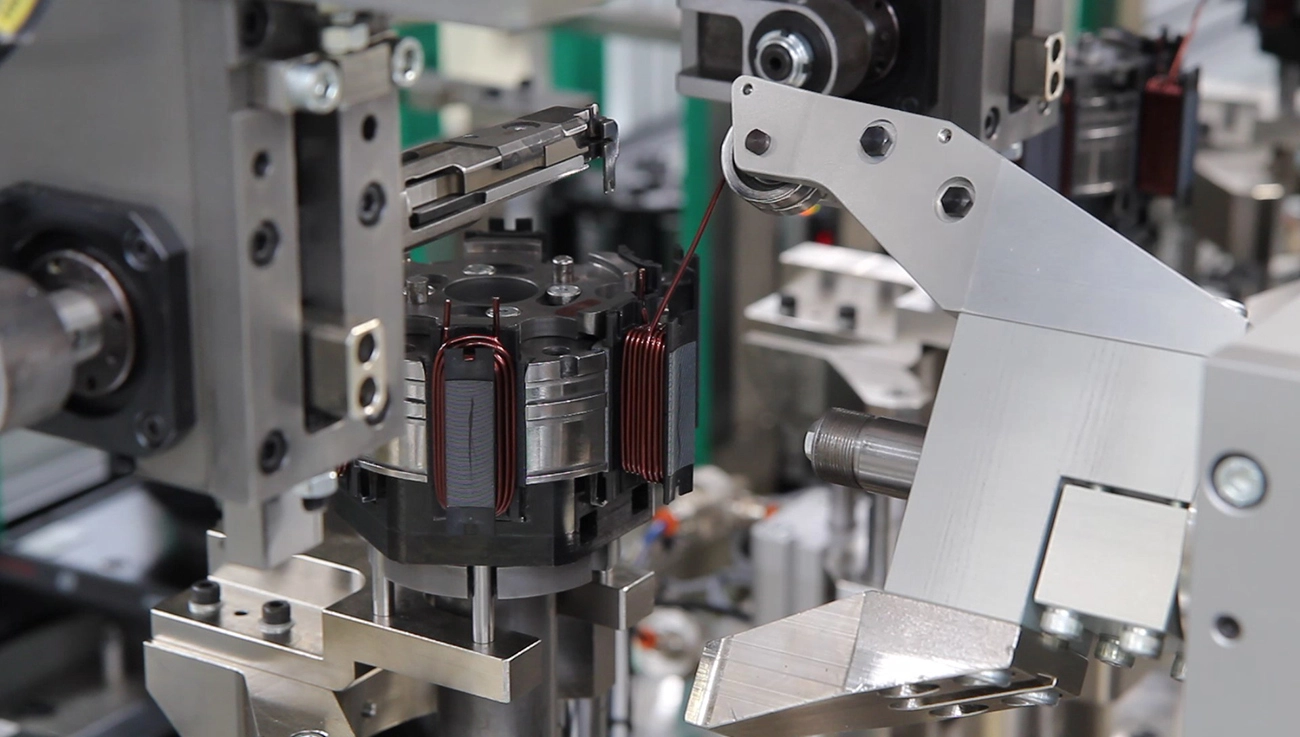
Different winding techniques are used to optimize motor performance, efficiency, and durability.
Here are some of the most common methods:
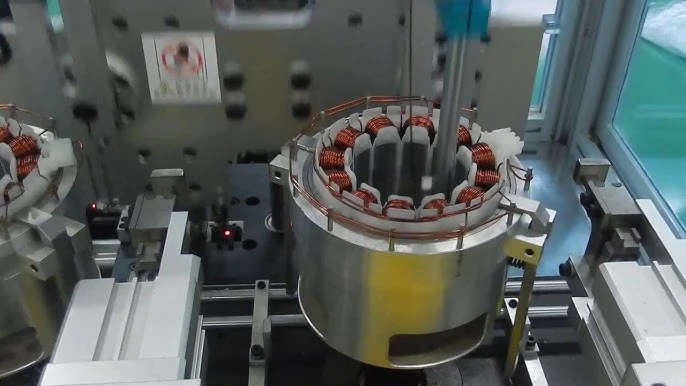
- Flyer Winding – A high-speed automated winding process that ensures uniform wire placement, improving efficiency and reducing production time.
- Needle Winding – Ideal for precise, multi-layered winding structures, ensuring accurate wire placement and enhancing motor stability.
- Resin-Impregnated Windings – This method enhances insulation, protects against moisture and contamination, and improves cooling performance for extended motor lifespan.
Common Motor Winding Failures & Causes
Motor winding issues can lead to performance drops, overheating, or even complete failure.
Here are the most common failures and their causes:
- Overheating – Excessive current, inadequate ventilation, or prolonged overloading cause insulation degradation and reduced efficiency.
- Short Circuits & Open Circuits – Occur due to insulation breakdown, physical damage, or loose connections, leading to disrupted current flow.
- Ground Faults – When windings unintentionally contact the motor frame, causing leakage currents, circuit breaker trips, or motor failure.
- Brush Sparking & Commutation Issues – Improper brush alignment or load fluctuations create excessive sparking, leading to wear and reduced motor lifespan.
Applications of Motor Windings
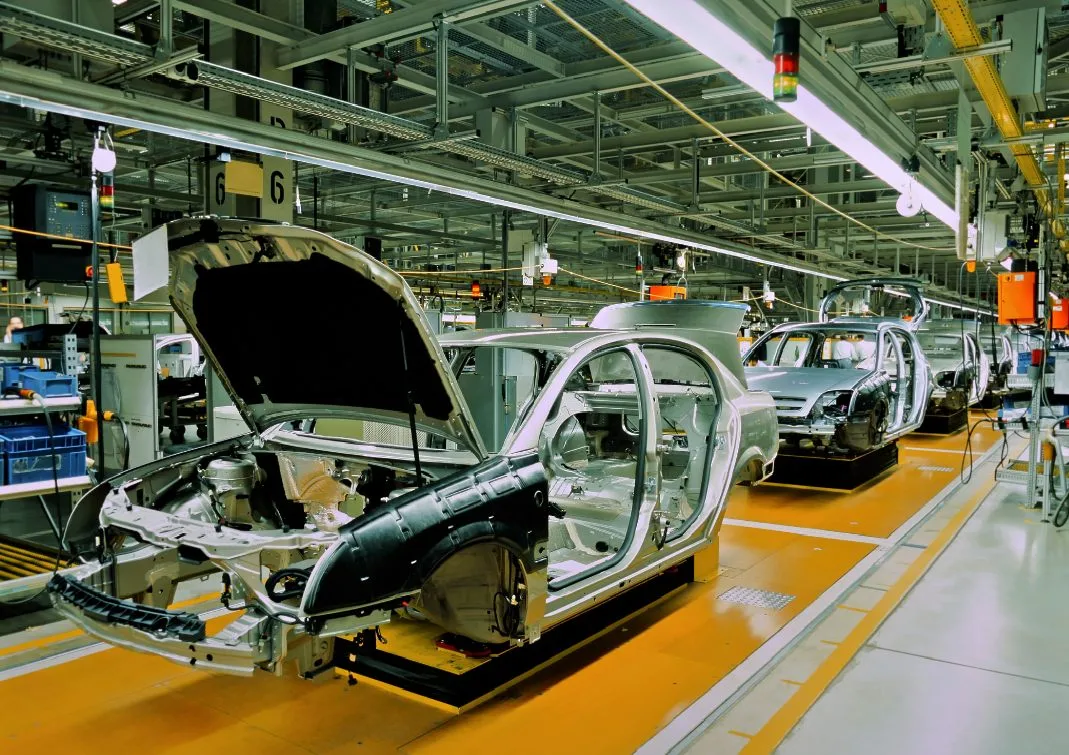
Motor windings are essential in various industries and everyday applications.
Here’s where they play a crucial role:
- Industrial Motors – Power heavy machinery, conveyor belts, and automated production lines, ensuring smooth and efficient operations.
- Automotive Motors – Essential for electric vehicles, hybrid engines, and power steering systems, improving energy efficiency and performance.
- Household Appliances – Found in washing machines, refrigerators, fans, and air conditioners, providing reliable motion for daily use.
- Renewable Energy Systems – Used in wind turbines and solar-powered systems, converting electrical energy into mechanical power for sustainable energy solutions.
Conclusion
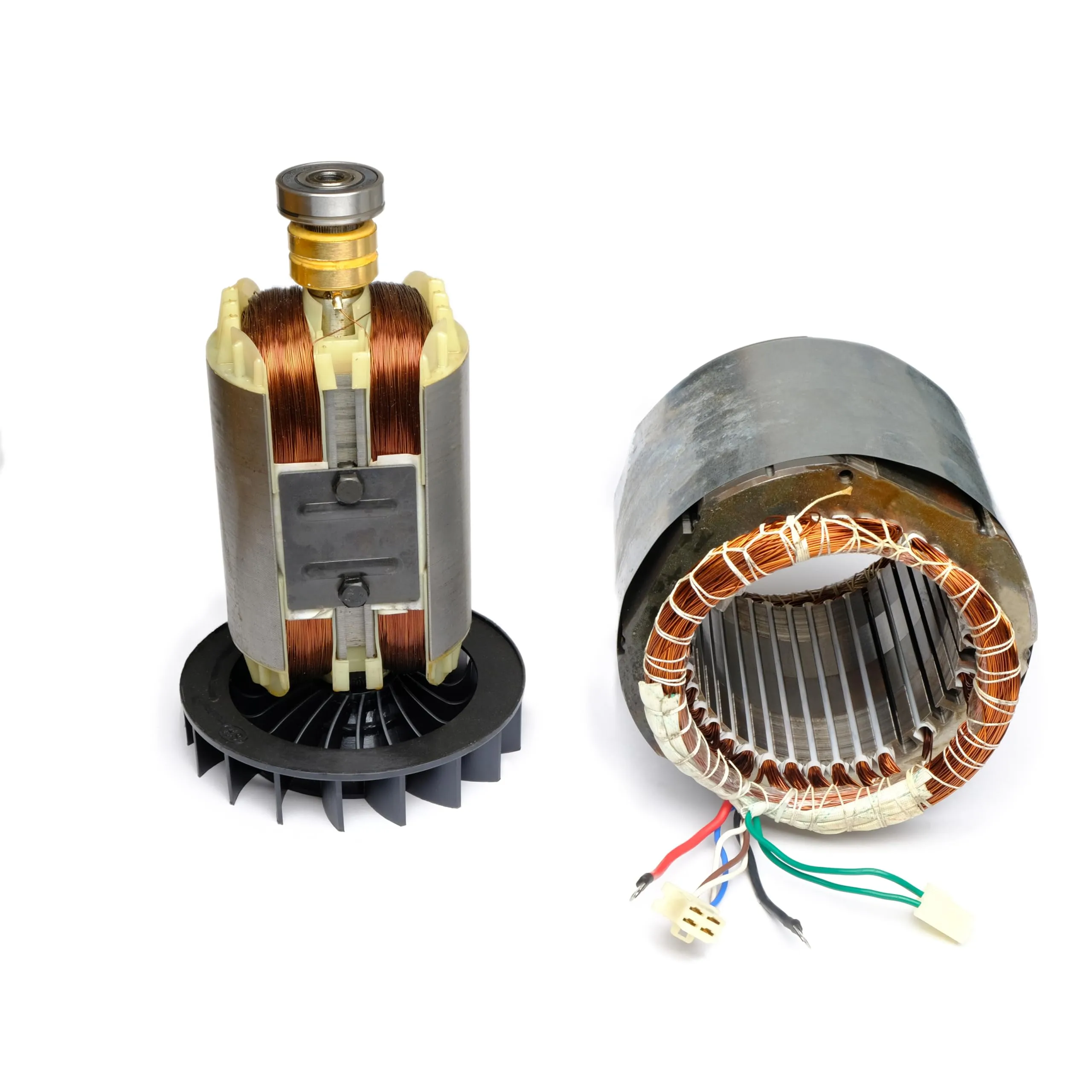
Motor winding plays a crucial role in a motor’s efficiency, durability, and performance.
Proper winding selection ensures optimal energy conversion, reduced heat loss, and longer lifespan.
Regular maintenance and testing help prevent failures, minimizing downtime and repair costs.
Need expert advice on motor windings?
Contact us today for professional guidance, maintenance solutions, and high-quality winding services tailored to your needs!

 English
  Spanish
  Russian
  Italian
  German
  Chinese