


Hairpin electric motors are gaining popularity in EVs and high-efficiency applications.
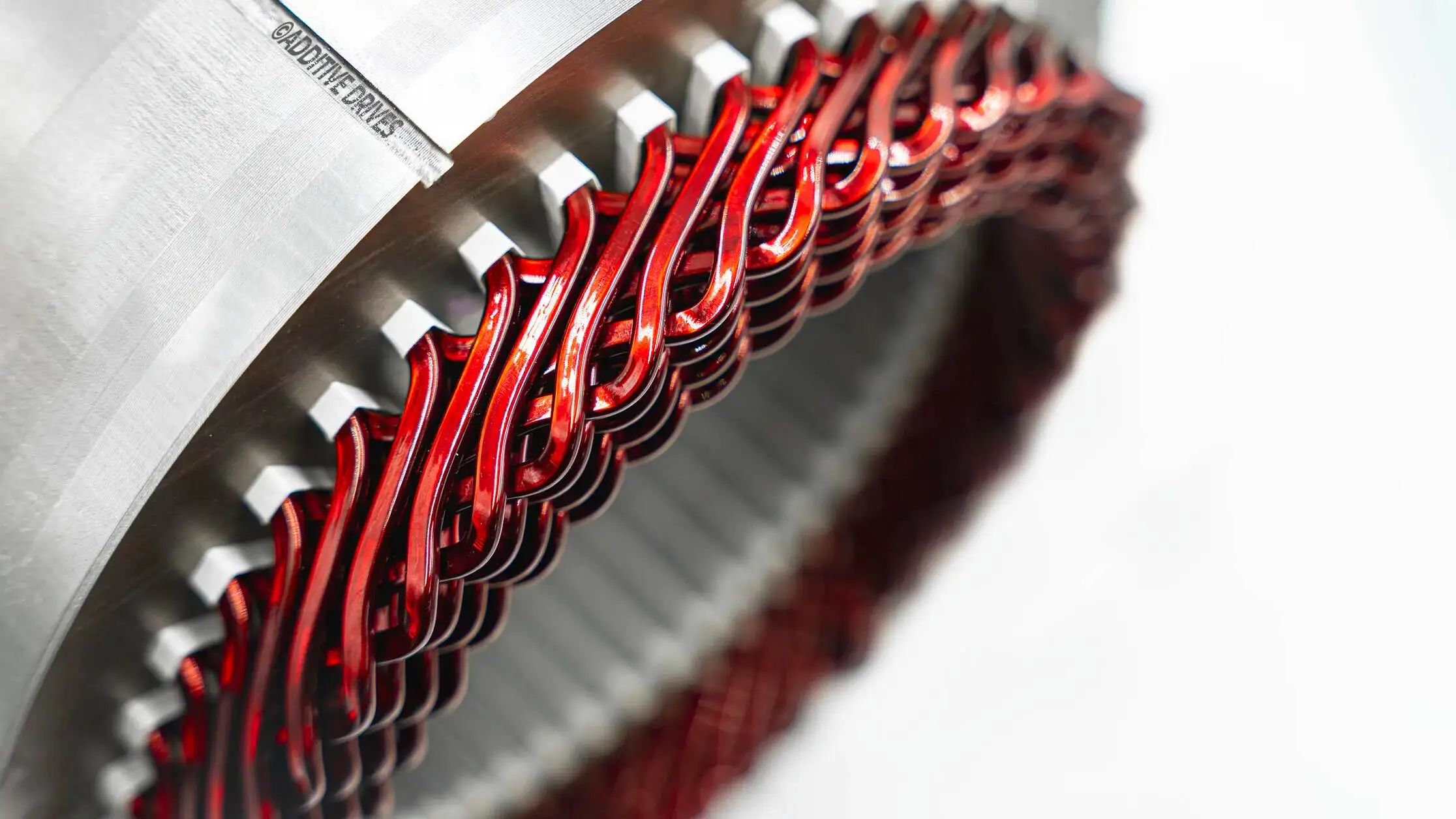
Their advanced winding design boosts power, reduces energy loss, and enables more compact, reliable motors—making them ideal for the next generation of electric machines.
What Is a Hairpin Electric Motor?

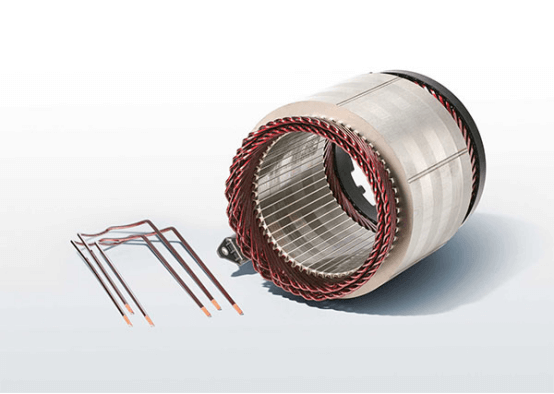
A hairpin electric motor is an advanced type of motor that replaces traditional round copper wire windings with flat, U-shaped copper bars—called hairpins—inserted into the stator slots.
Unlike conventional winding, this setup enhances space usage, efficiency, and power. Hairpin technology is now widely used in synchronous and induction motors, especially in electric vehicles.
Key benefits of hairpin motors:
Better copper fill factor for higher efficiency
Increased torque and power density
Reduced resistance and heat loss
More precise and reliable assembly
Ideal for high-performance EV and industrial motors
How Does a Hairpin Motor Work?
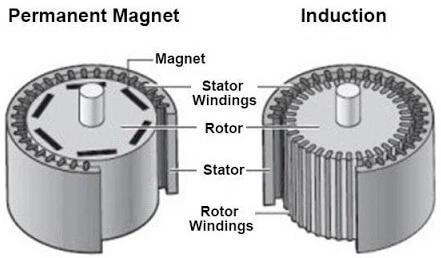
A hairpin motor works by generating a magnetic field through copper hairpins arranged in the stator.
As current flows through these U-shaped conductors, it creates changing magnetic fields.
According to Faraday’s Law, this change induces motion in the rotor.
In some systems, if DC output is required, the generated AC is rectified using diodes to ensure smooth, consistent power delivery.
Hairpin vs Traditional Round Wire Windings

Hairpin windings use flat, U-shaped copper bars, while traditional motors use round wires.
Hairpins offer higher efficiency, better thermal performance, and more durability, but they cost more and require advanced manufacturing.
Round wire is cheaper and easier to produce but less efficient and space-optimized.
Hairpin Motor Manufacturing Process
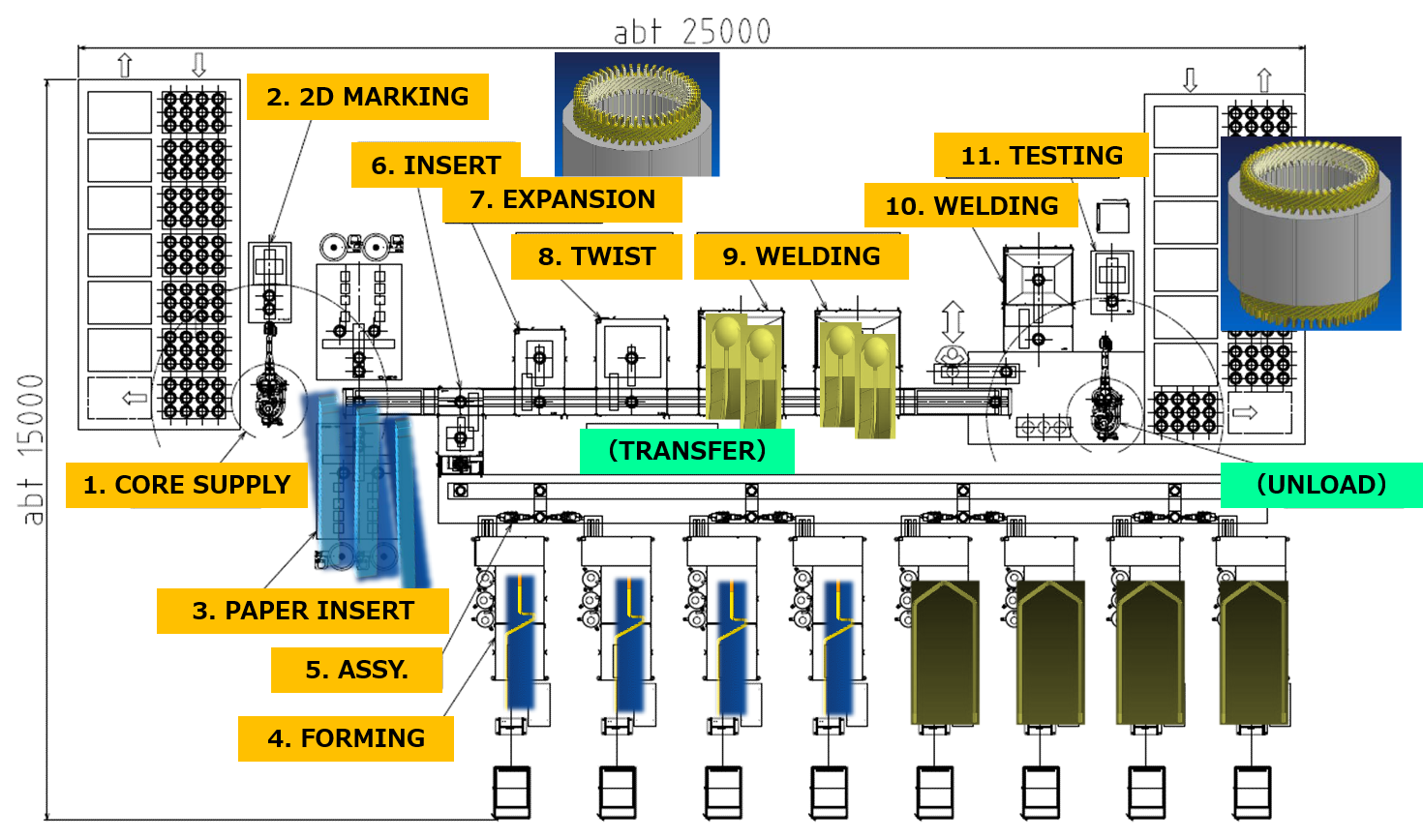
Straightening and Cutting Copper Bars
The process starts by straightening enameled copper bars to remove any curvature, then cutting them to the exact length needed for each hairpin segment.
Forming U-Shapes (Hairpins)
Next, the straight copper pieces are bent into precise U-shapes using CNC bending machines—this is where they get the name “hairpins.”
Inserting into Stator Slots
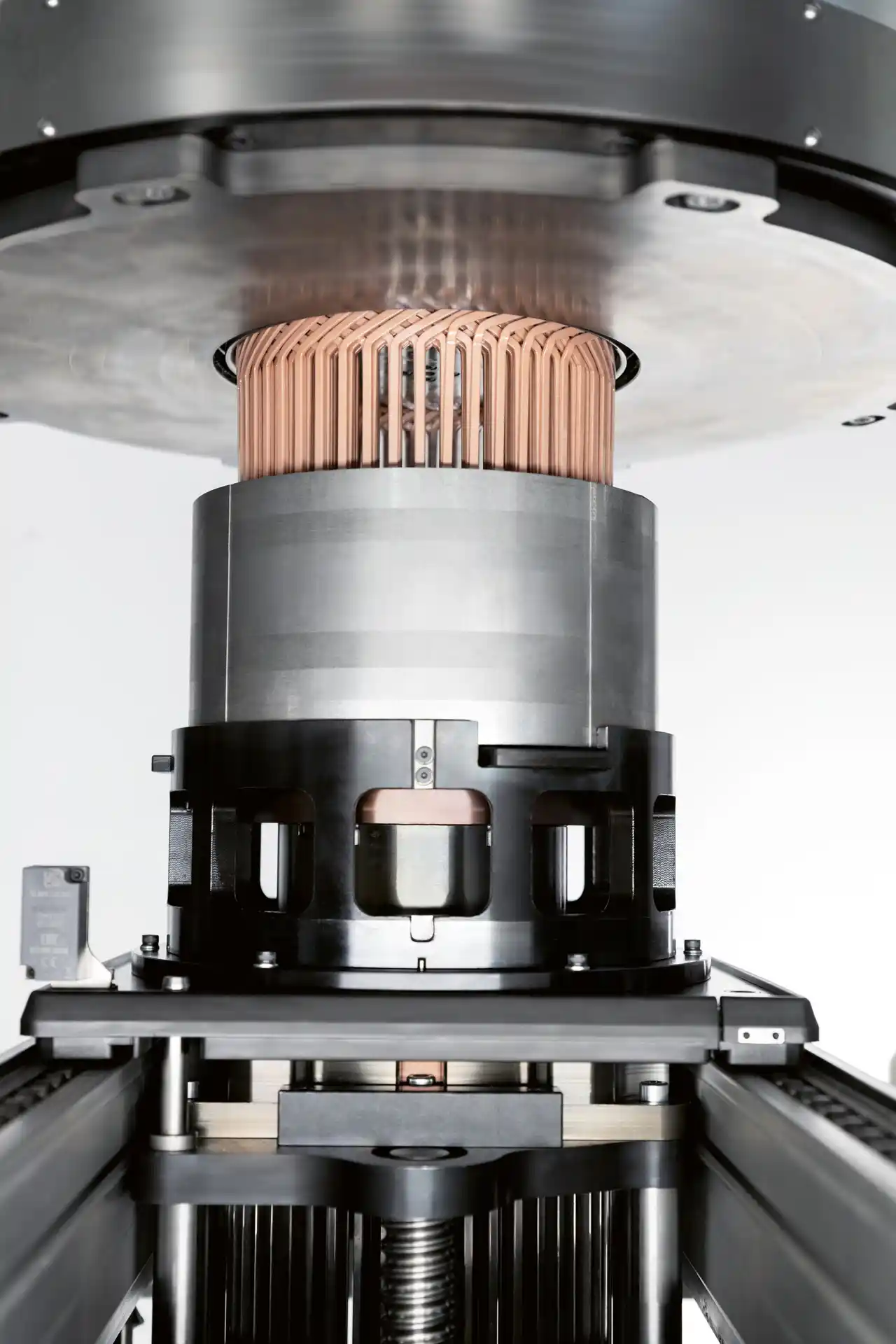
These hairpins are carefully inserted into the stator slots, guided by automated systems to ensure high precision and minimal misalignment.
Laser Insulation Stripping
The insulation at the hairpin ends is stripped using lasers, which offer cleaner, more accurate results than mechanical methods—crucial for reliable welding.
Laser Welding and Twisting Ends
Once stripped, the hairpin ends are twisted and laser welded to form continuous electrical circuits with minimal resistance and consistent geometry.
Impregnation (Epoxy Coating)
Finally, the welded areas are insulated with epoxy resin through dipping or powder coating, protecting the motor from heat, moisture, and electrical faults.
Types of Hairpin Designs
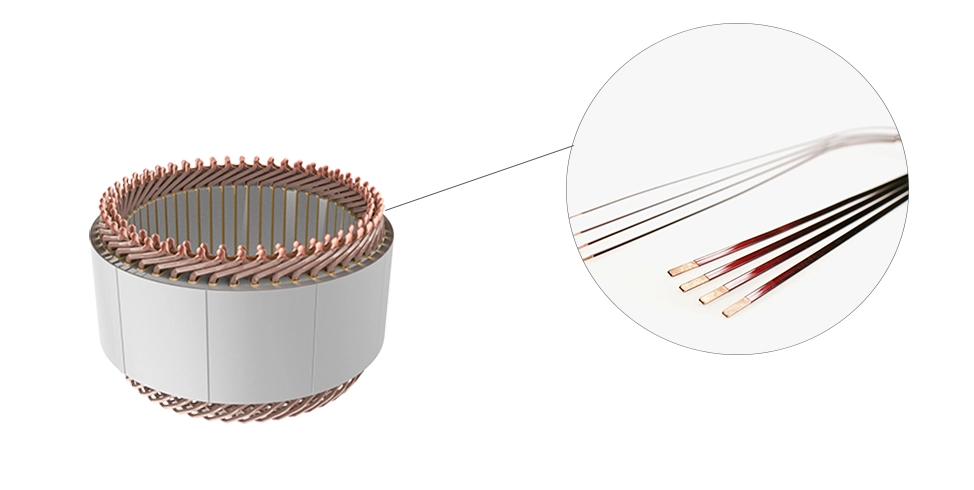
Hairpin motors come in a few clever configurations, each tailored to different design goals and manufacturing methods.
Here’s a quick look at the most common types:
U-Pin: The most widely used type, bent into a U-shape before being inserted into stator slots.
I-Pin: Straight pins inserted without bending, then welded on both ends after placement.
Continuous Hairpin: A single, long serpentine-shaped wire offering high slot fill and optimized efficiency.
These designs all aim to boost performance, streamline assembly, and fit more copper into less space.
Common Applications
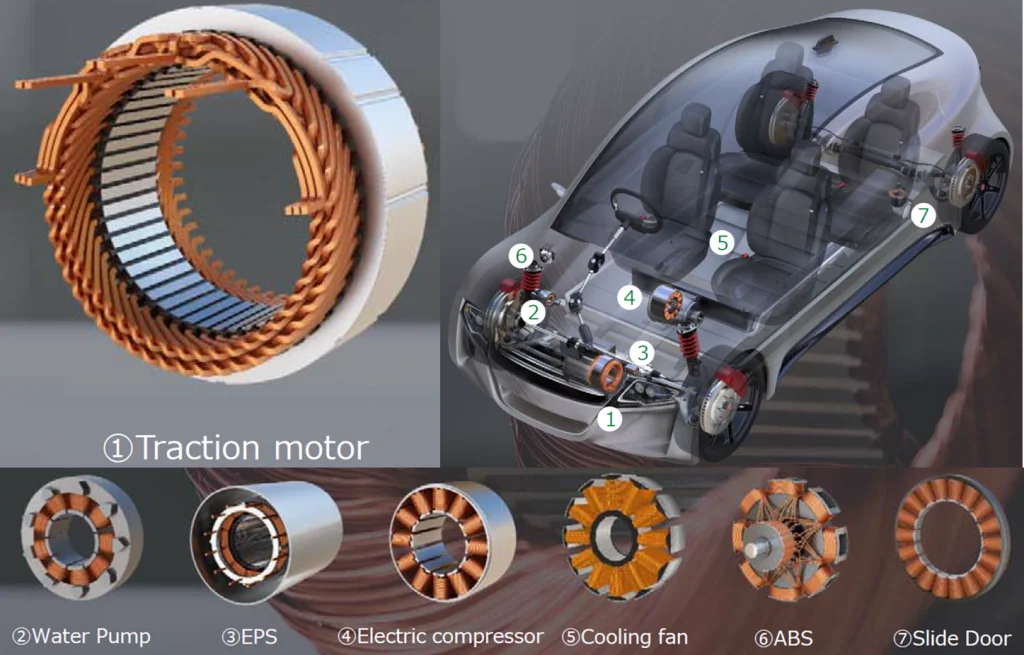
Hairpin electric motors aren’t just a trend—they’re powering some of the most advanced systems today.
Their compact design, high efficiency, and durability make them ideal for:
Electric Vehicles: Used in Tesla, Porsche, BMW, and more for better torque and range.
High-Performance Industrial Motors: Perfect for applications requiring continuous, high-power output.
Renewable Energy Systems: Widely adopted in wind turbines for reliable energy conversion.
Robotics & Automation: A go-to for space-saving, high-efficiency motor setups.
 English
  Spanish
  Russian
  Italian
  German
  Chinese