


Electric motor winding plays a vital role in motor function by generating the magnetic field needed for motion.
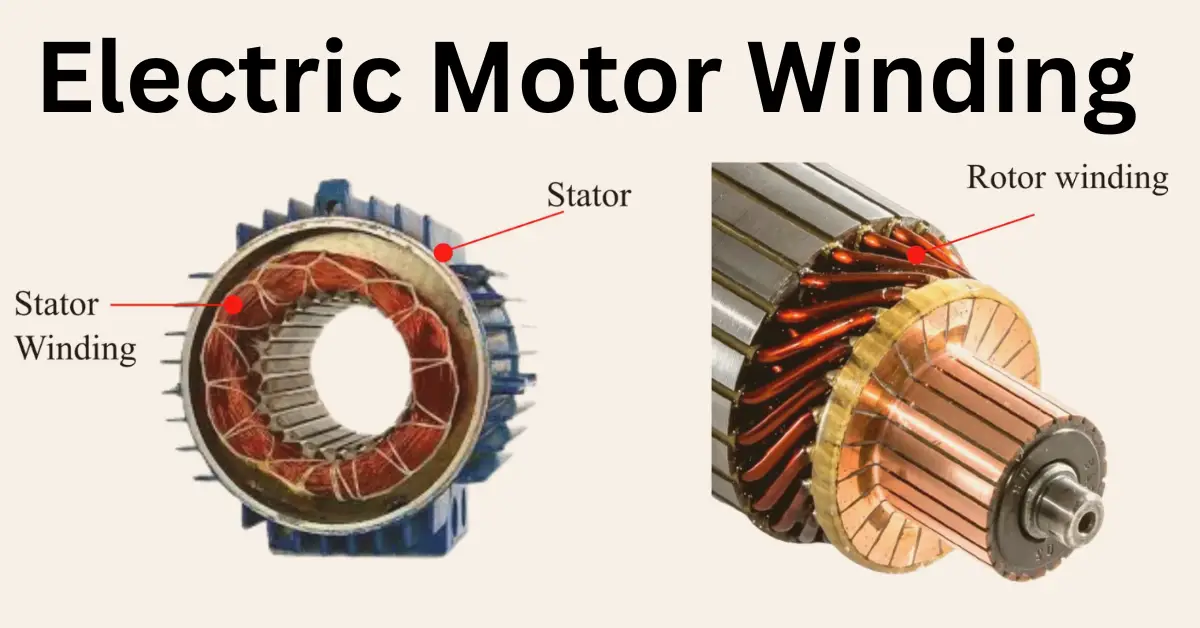
The design of windings directly impacts efficiency, torque, and performance.
Proper winding maintenance ensures longevity and reliability in industrial and commercial applications.
What Is Electric Motor Winding?

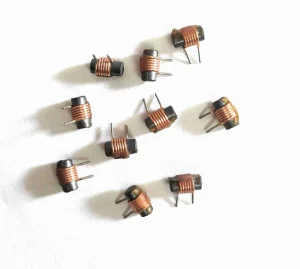
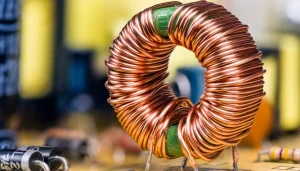
Electric motor winding refers to the arrangement of conductive wire in coils that generate a magnetic field, enabling motor operation.
It plays a crucial role in converting electrical energy into mechanical motion through electromagnetic induction.
Different winding types impact motor efficiency and performance.
Types of Motor Windings:

- Stator Windings: Fixed coils that create the rotating magnetic field.
- Rotor Windings: Moving coils that interact with the magnetic field to generate motion.
- Concentrated vs. Distributed Windings: Concentrated windings are compact and used for high-torque applications, while distributed windings ensure smoother operation and efficiency.
- Lap vs. Wave Winding: Lap winding is used in high-current applications, while wave winding is preferred for high-voltage motors due to its series connection pattern.
How Motor Windings Work

Motor windings operate on electromagnetic induction, where an electric current passing through the coils creates a magnetic field that drives motion.
The stator and rotor interact to generate torque, with AC and DC motors utilizing different mechanisms.
The number of winding turns and wire gauge influence resistance, voltage, and overall efficiency.
Additionally, single-phase windings provide lower power and are used in household appliances, while three-phase windings offer higher efficiency and stability, making them ideal for industrial applications.
Common Motor Winding Failures and Their Causes
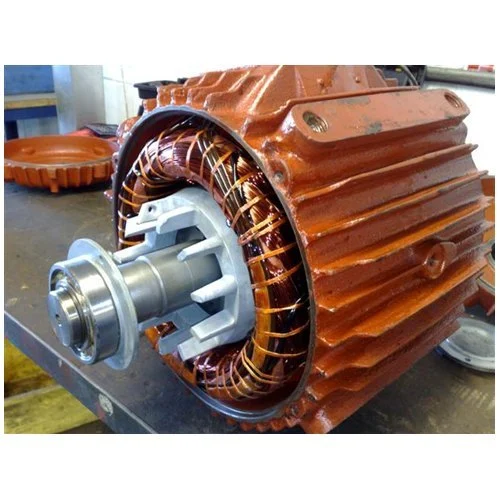
Motor windings can fail due to various factors, leading to reduced efficiency or complete breakdown.
Here are the most common causes:
- Electrical Failures: Short circuits, insulation breakdown, and inconsistent power supply can damage windings.
- Thermal Stress: Overheating from excessive current, inadequate ventilation, or prolonged operation weakens insulation and degrades windings.
- Mechanical Wear: Vibrations, loose windings, and physical deterioration from operational stress impact performance.
- Environmental Factors: Moisture, dust, and contaminants corrode windings, leading to insulation failure and inefficiency.
How To Test Motor Windings
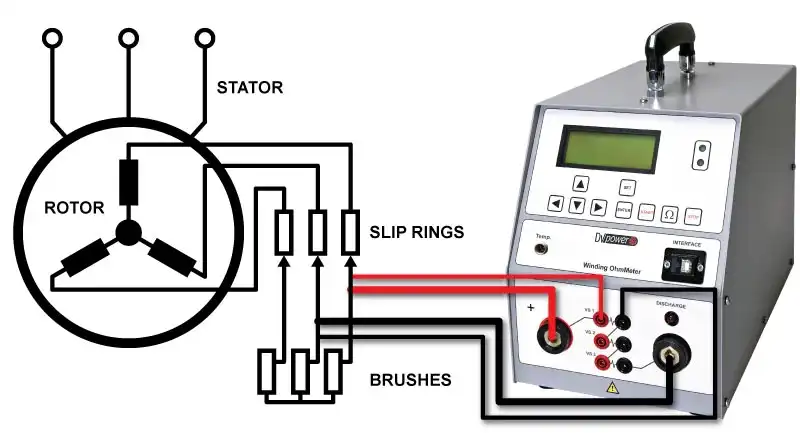
Regular testing of motor windings helps prevent failures and ensures efficiency.
Here’s how to check for potential issues:
- Visual Inspection: Look for burn marks, cracks, or damaged insulation, which indicate overheating or wear.
- Continuity Test: Use a multimeter to detect open or broken windings by checking for uninterrupted current flow.
- Insulation Resistance Test: A megger helps measure insulation integrity, ensuring protection against electrical leakage.
- Winding Resistance Measurement: Check for balanced resistance across all phases to prevent performance issues.
- High-Pot Test: Evaluates dielectric strength to detect insulation breakdown risks under high voltage conditions.
Conclusion
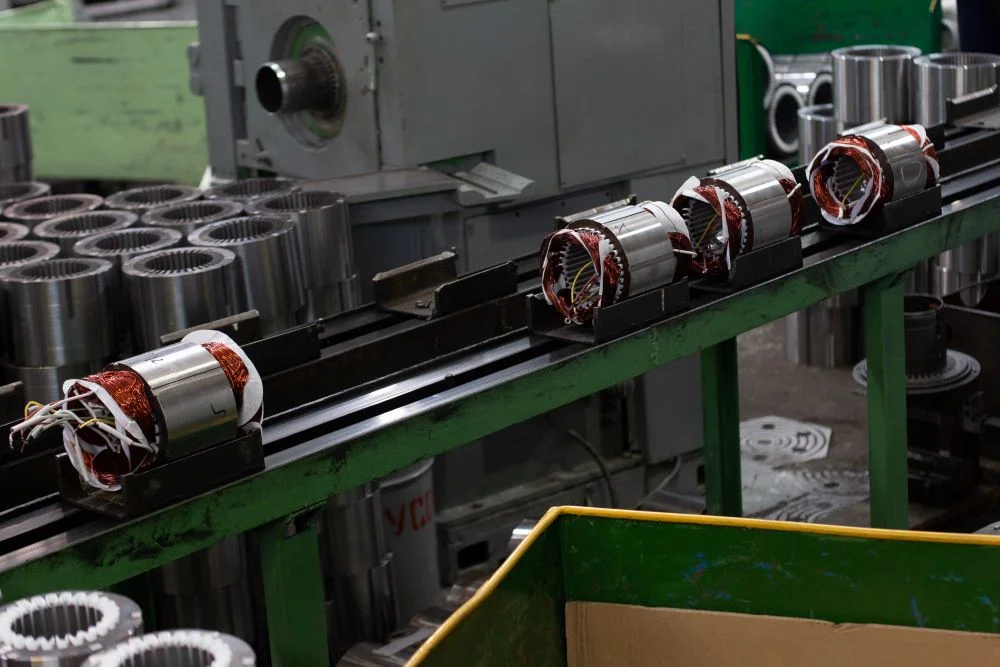
Motor windings are crucial for efficiency, durability, and performance.
Regular testing and maintenance help prevent failures, reduce downtime, and extend motor lifespan.
For expert guidance on motor winding care, contact us today.
Our team is ready to help you maintain optimal motor performance and reliability.
FAQs About Electric Motor Winding
What is the process of electric motor rewinding?
Electric motor rewinding involves removing damaged windings from the stator or rotor and replacing them with new coils of the same type and gauge, restoring the motor’s functionality and efficiency.
What is winding and types of winding?
Motor windings are classified into concentrated winding (wound around a single stator tooth) and distributed winding (spread across multiple stator teeth for smoother performance).
How do electrical windings work?
Electrical windings consist of insulated conductors placed in stator slots. When current flows through them, they create a magnetic field, which interacts with the rotor to generate motion.
What is a motor winder?
A motor winder is a technician who repairs and replaces electric motor windings by installing, removing, and insulating coils to restore motor performance.

 English
  Spanish
  Russian
  Italian
  German
  Chinese
One Response
Education for content generation