


Motor rewinding is the process of replacing damaged or aged windings in an electric motor to restore its original performance.
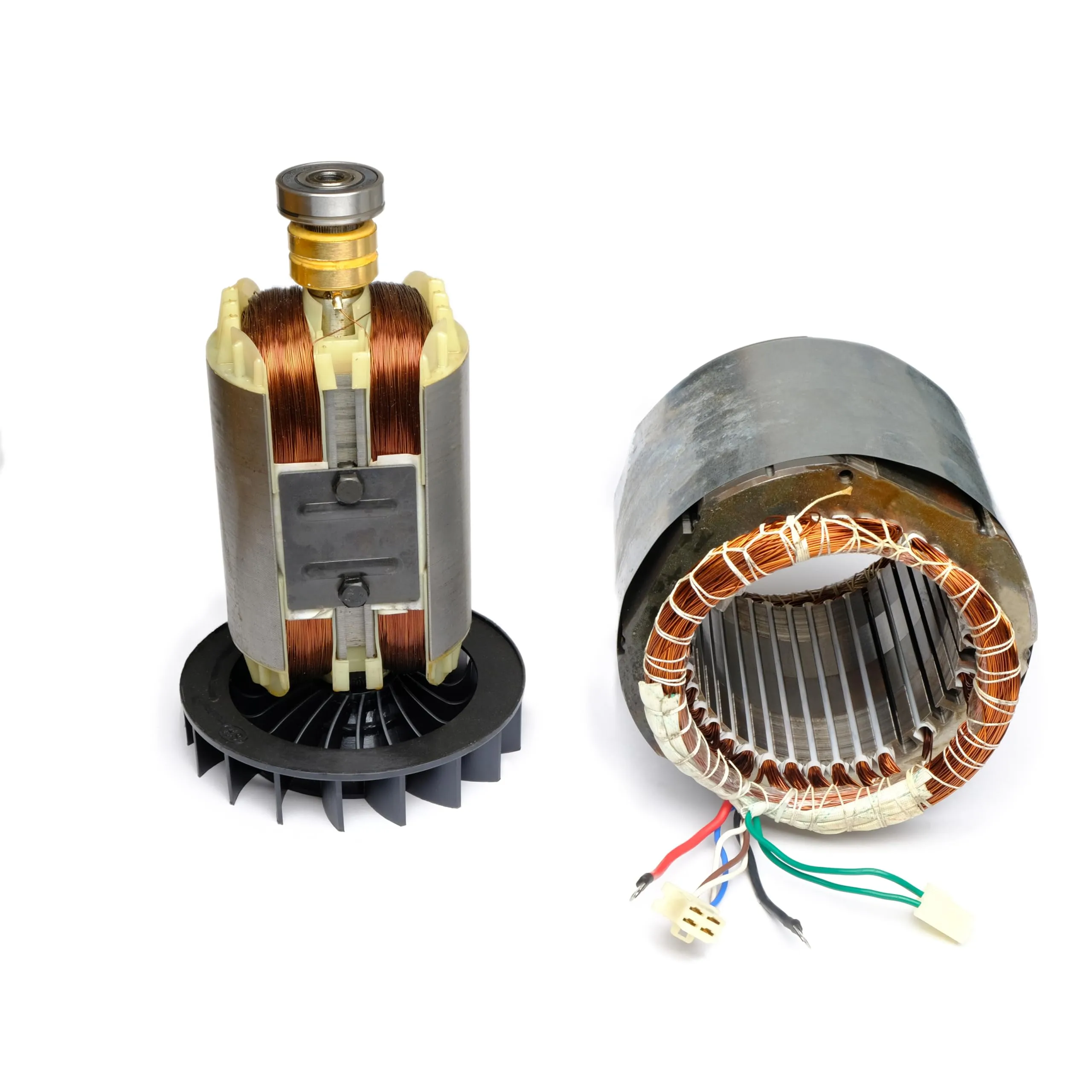
It helps improve efficiency, prevents costly replacements, and extends motor life. Let’s walk through the full rewinding process step by step.
Tools & Materials Needed
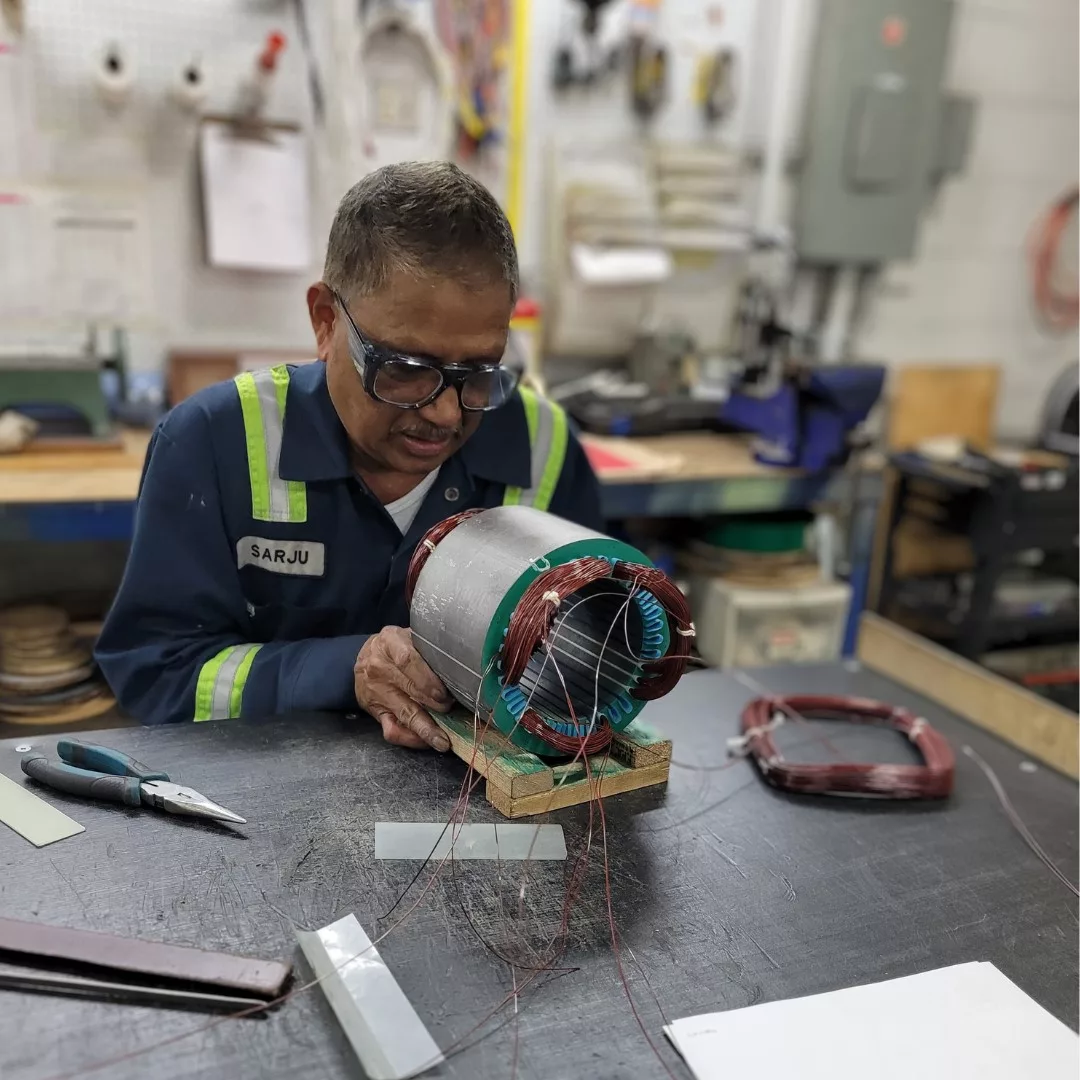
To rewind an electric motor, you’ll need insulation paper, varnish, magnet wire, and wire cutters.
A coil winding machine (manual or automatic) is essential for winding.
You’ll also need a multimeter, core tester, coil templates, gloves, and safety goggles for safety and accuracy.
Disassembling the Motor
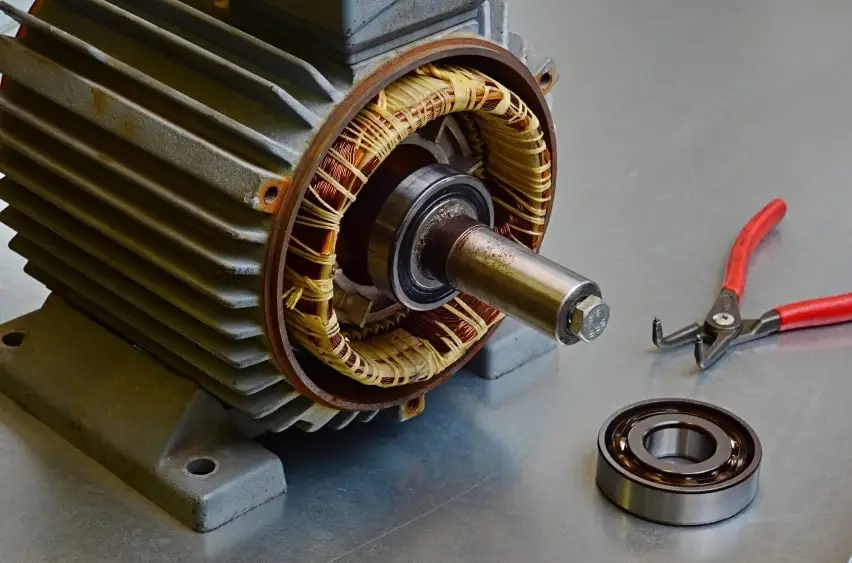
Before anything else, clean your workbench thoroughly to avoid contamination.
Remove the motor’s outer housing and snap reference photos or videos of the internal layout.
Carefully separate the rotor and stator—take your time to avoid damaging delicate parts during disassembly.
Documenting Before Disassembly
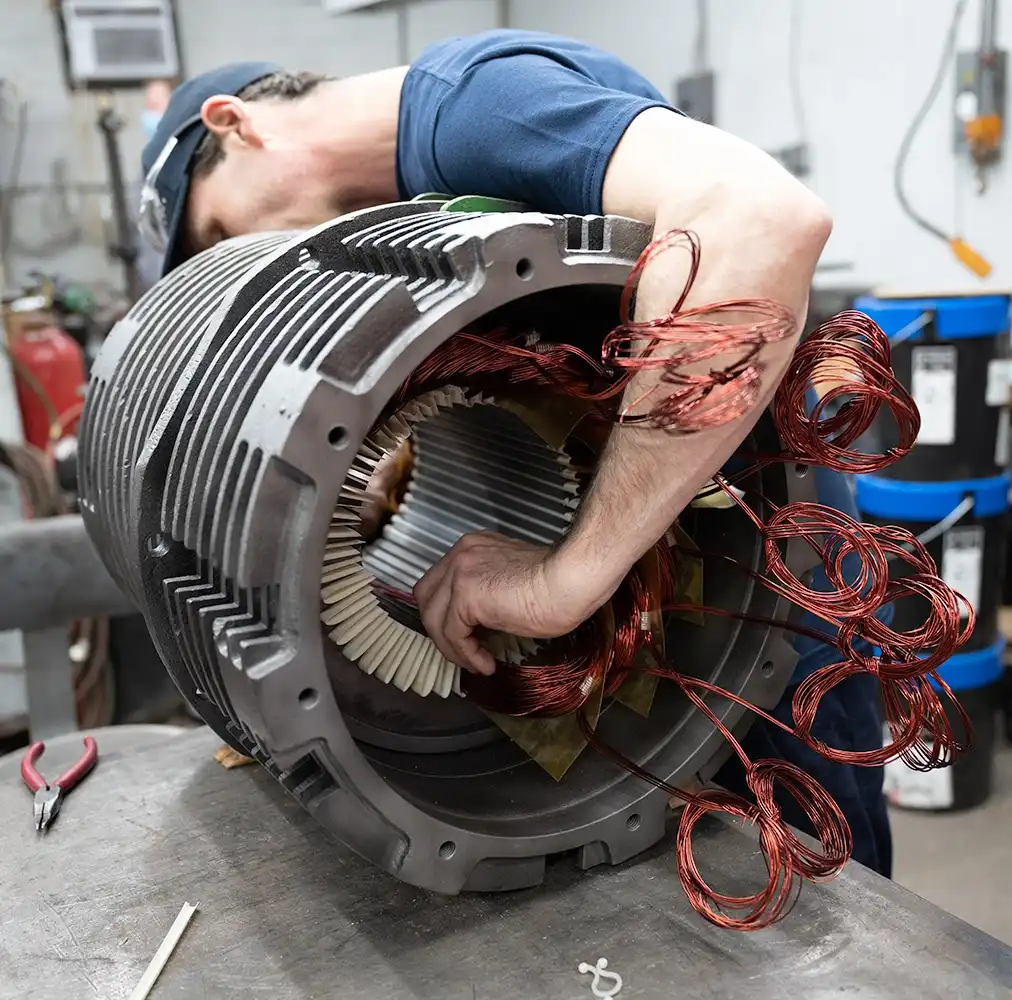
Grab your camera or phone and capture the motor’s internal layout from multiple angles.
Label wires if needed.
This step ensures you’ll replicate the original winding pattern accurately when reassembling—especially useful for motors with complex or unfamiliar configurations.
Removing the Old Windings
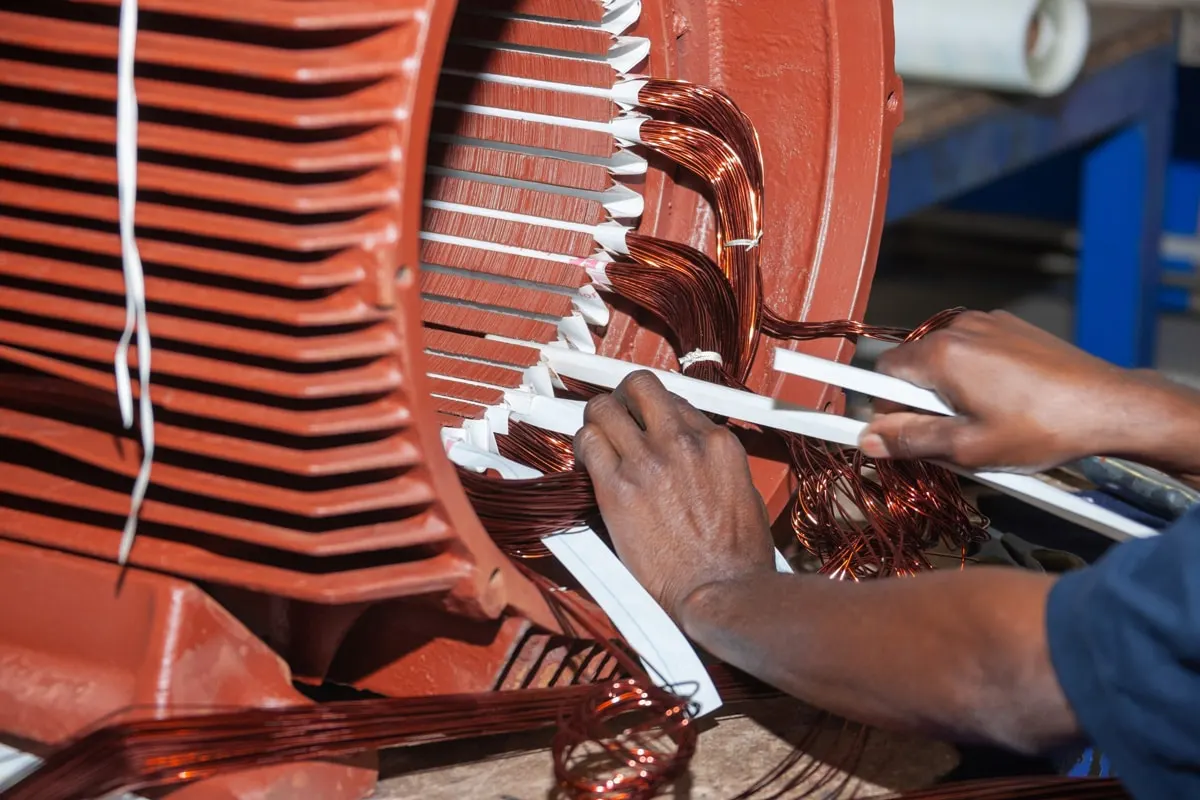
Using wire cutters, snip the old windings and carefully pull them out by hand or with pliers. Remove any burned or damaged insulation paper.
Clean the stator using brushes or a non-abrasive method like walnut shell blasting for a fresh start.
Planning the New Windings
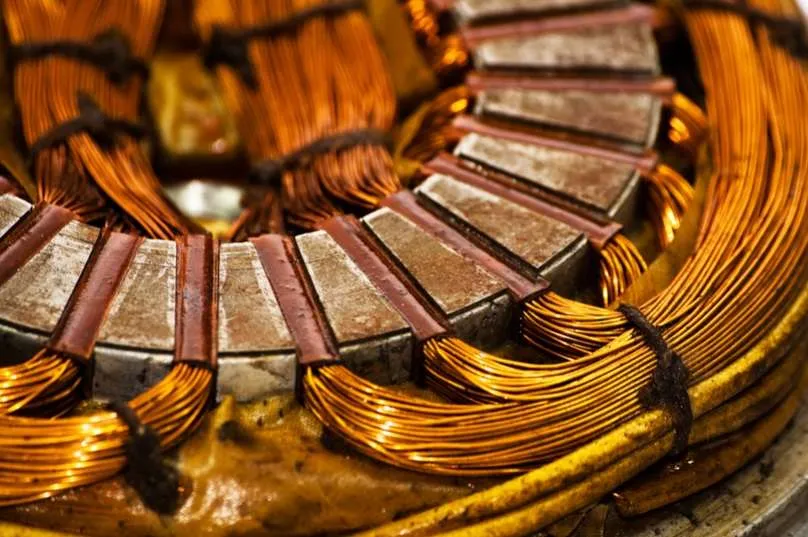
Use the same wire gauge and turn count as the original windings.
Design your new winding layout based on the motor’s specifications.
Carefully calculate coil pitch and ensure phase placement is balanced to maintain optimal motor performance and avoid imbalance.
Installing New Windings
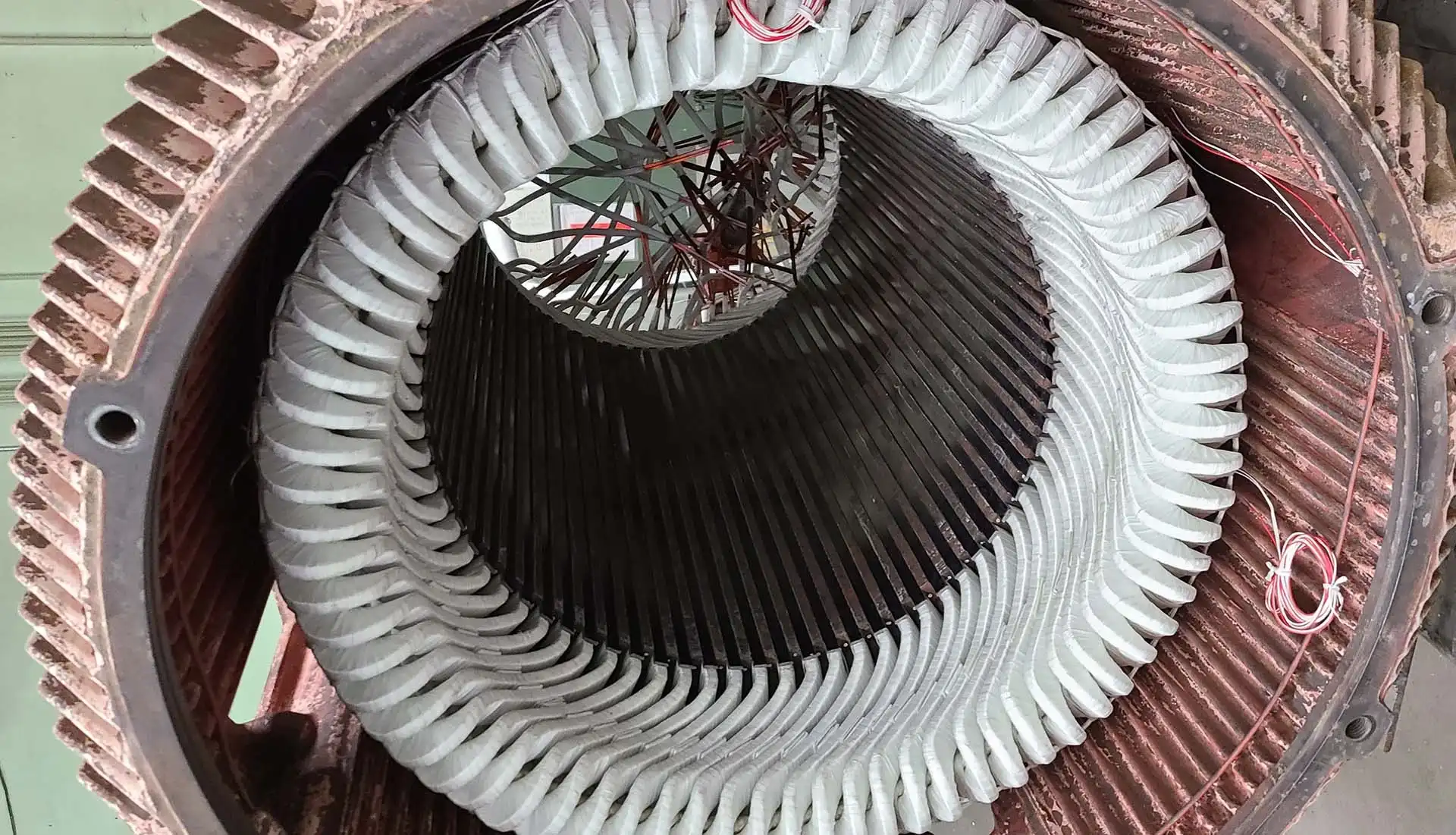
Insert fresh insulation paper into the stator slots.
Wind and place each new coil with precision, ensuring tight and even placement.
Secure the coils using wedges and connect the leads according to your motor’s connection type—either delta or star configuration.
Insulation & Impregnation
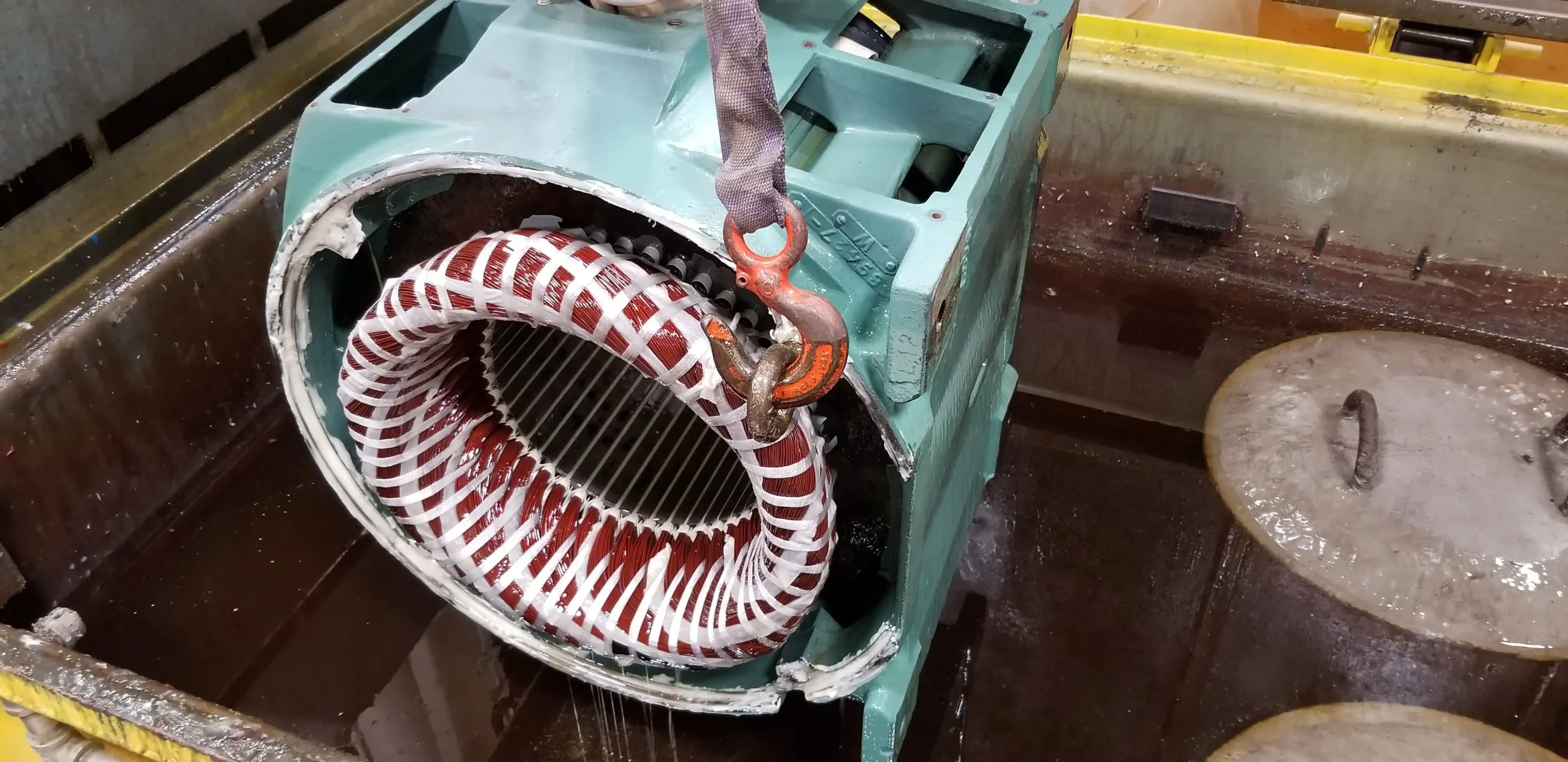
Wrap coils with insulation tape and apply varnish to seal and protect.
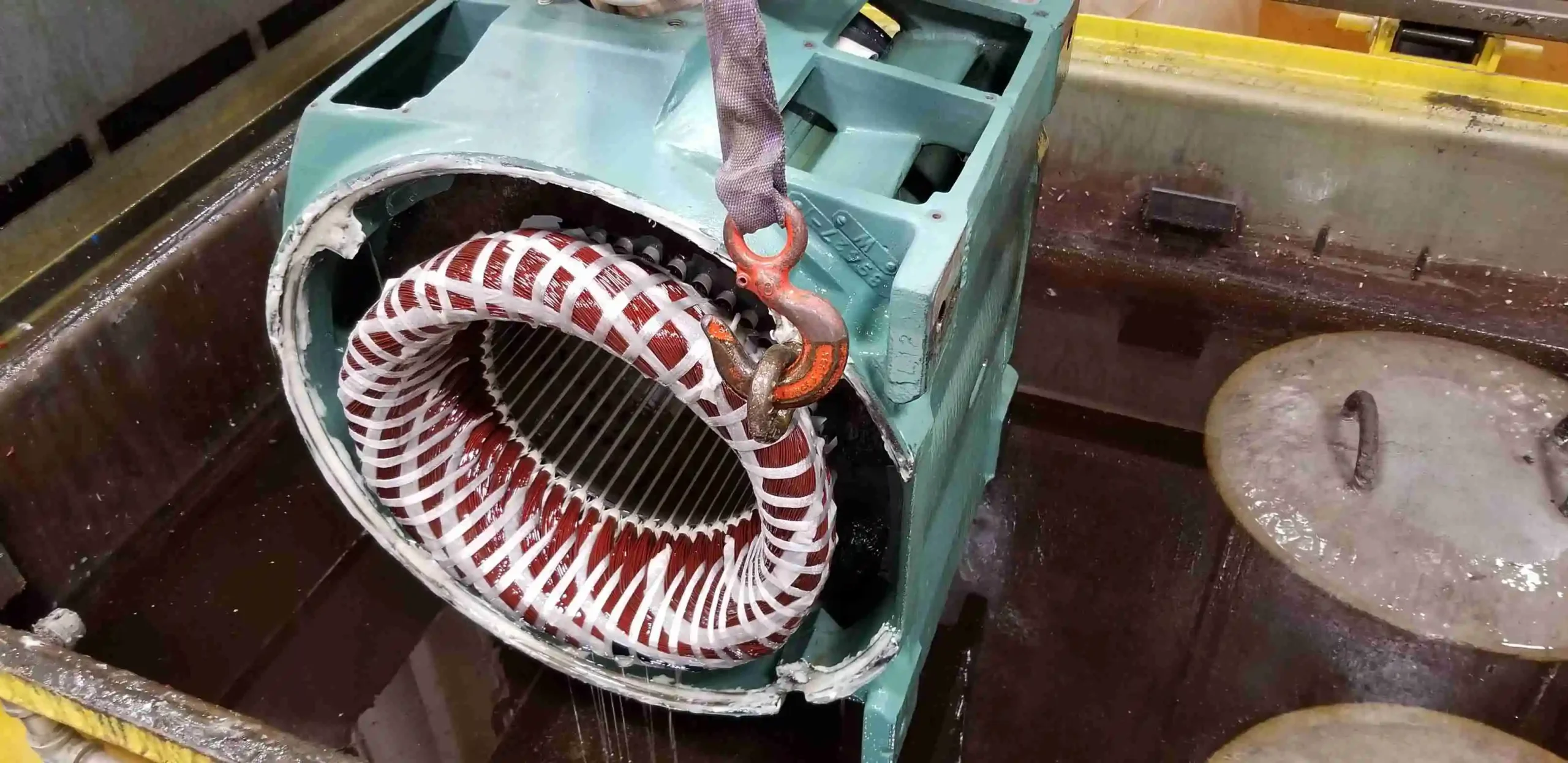
For industrial motors, use vacuum pressure impregnation (VPI) to eliminate air gaps and moisture.
Cure the motor in a controlled oven to ensure long-lasting insulation and durability.
Testing and Reassembly
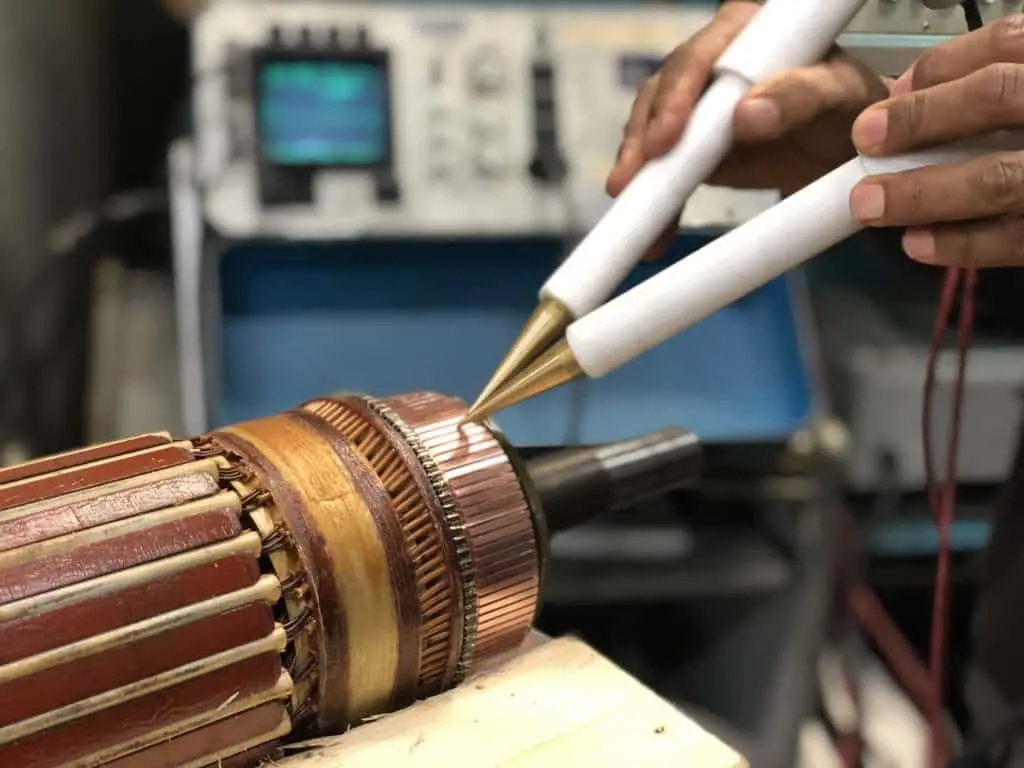
Perform tests to verify winding resistance and insulation integrity.
Look out for shorts or ground faults before final assembly.
Once verified, reassemble the rotor and stator, secure the housing, and make sure all fasteners and parts are snug and aligned.
Final Test Run
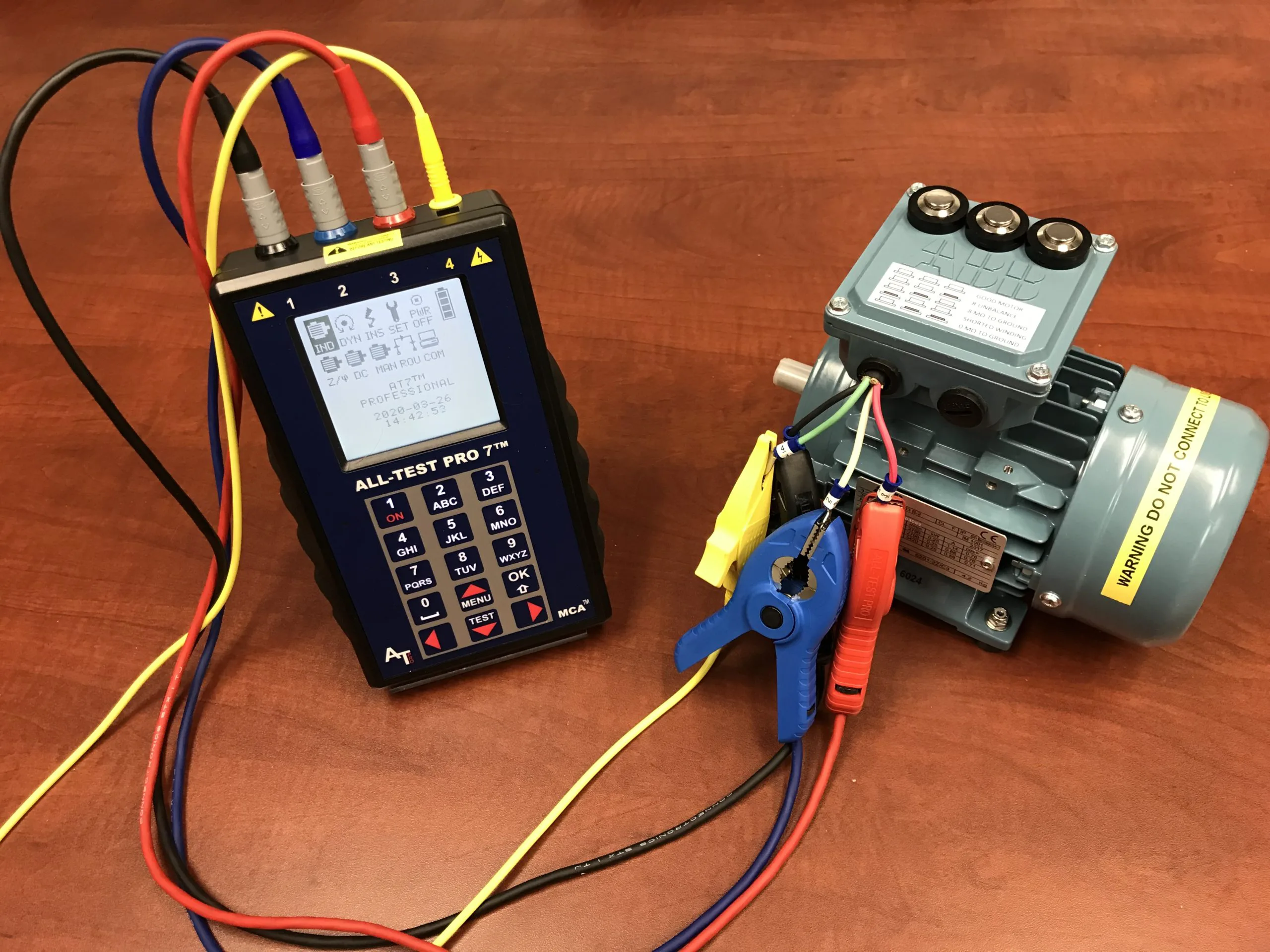
Power up the motor and observe performance under load.
Listen for odd noises and monitor for overheating or vibrations.
Check output voltage and current levels—everything should run smoothly.
If not, inspect your winding connections again before using long-term.

 English
  Spanish
  Russian
  Italian
  German
  Chinese