


Coil winding machines are essential for producing electromagnetic coils used in motors, transformers, and EV systems.

They’re vital across the electrical and electronics industries. In this guide, we’ll explore different machine types and how to choose the right one.
1. Manual Coil Winding Machine
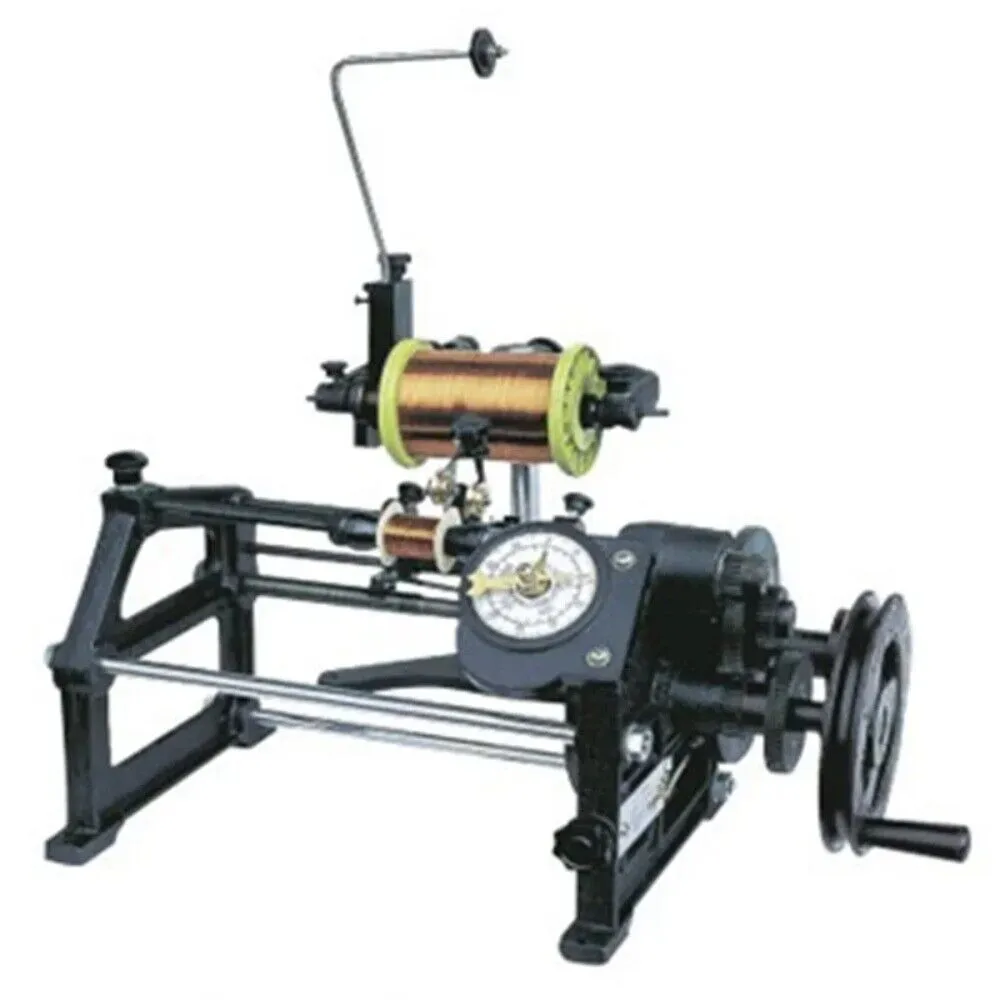
Manual coil winding machines are hand-operated and perfect for small-scale coil production or repairs.
They’re commonly used in workshops and training centers.
Pros: Affordable, easy to use, versatile for simple jobs.
Cons: Labor-intensive and less consistent compared to automated machines.
2. Automatic Coil Winding Machine
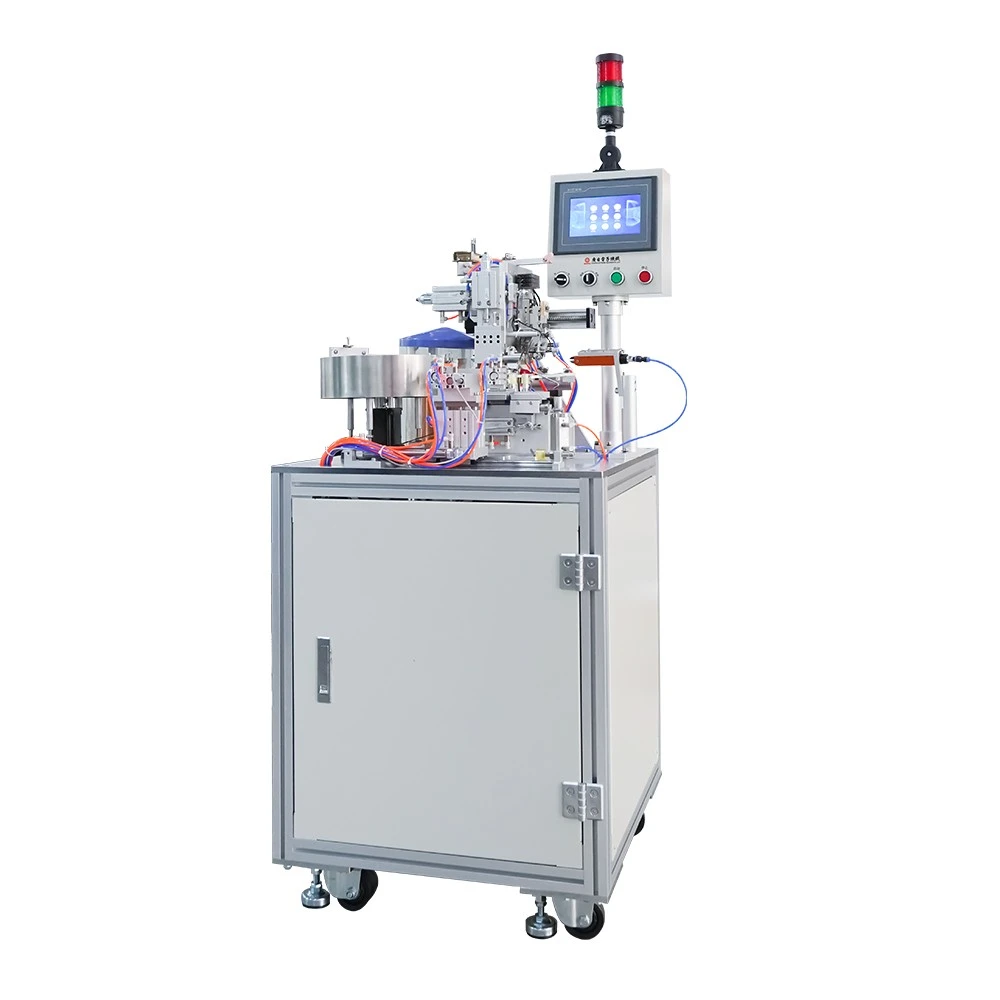
These machines are fully automated, designed for high-speed, high-volume production.
They’re ideal for manufacturing transformers, motors, and other industrial coils with consistent precision and reduced labor costs.
3. CNC Linear / Toroidal Winding Machine
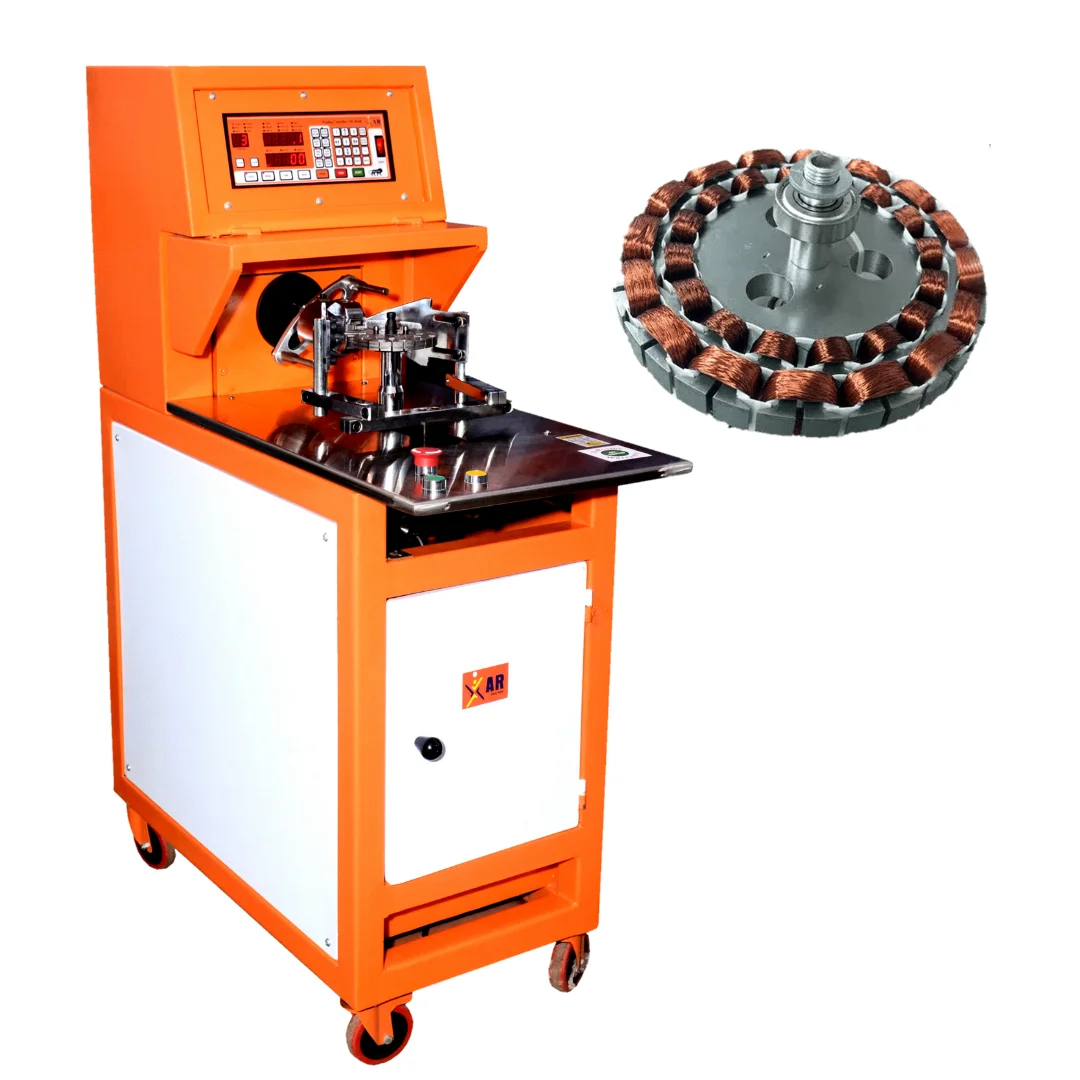
CNC winding machines are computer-controlled and tailored for complex coil designs like toroidal or multi-layered coils.
They’re widely used in EV motors, inductors, and custom applications that require accurate layering and programmable winding patterns.
4. Armature Winding Machine
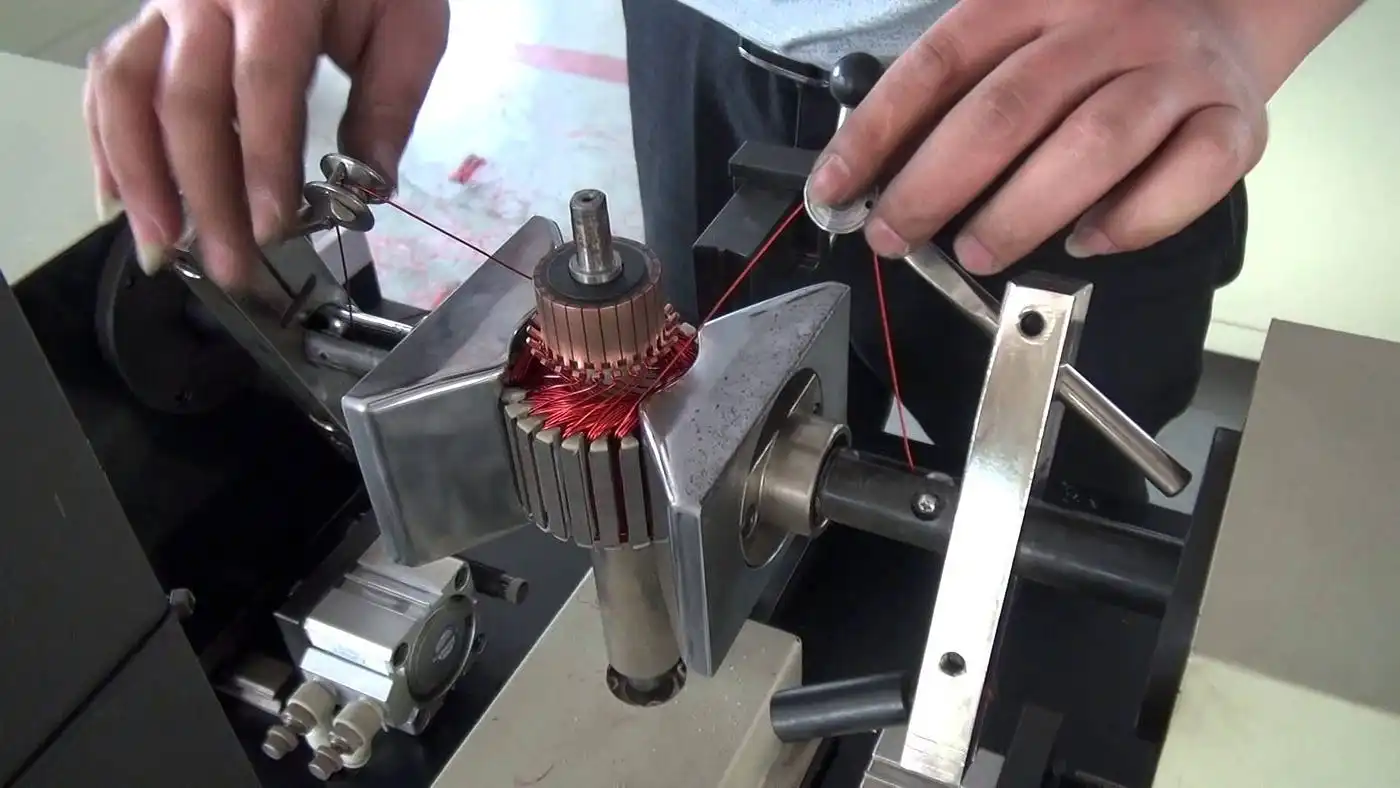
Armature winding machines specialize in producing motor armatures.
Common in automotive and aerospace industries, they handle wire feeding, cutting, and layering automatically—ensuring efficient, high-speed rotor production with tight quality control.
5. Transformer Winding Machine

These machines wind both primary and secondary coils around transformer cores.
They support various core sizes and shapes, delivering high voltage accuracy and thermal performance for power, distribution, and industrial-grade transformers.
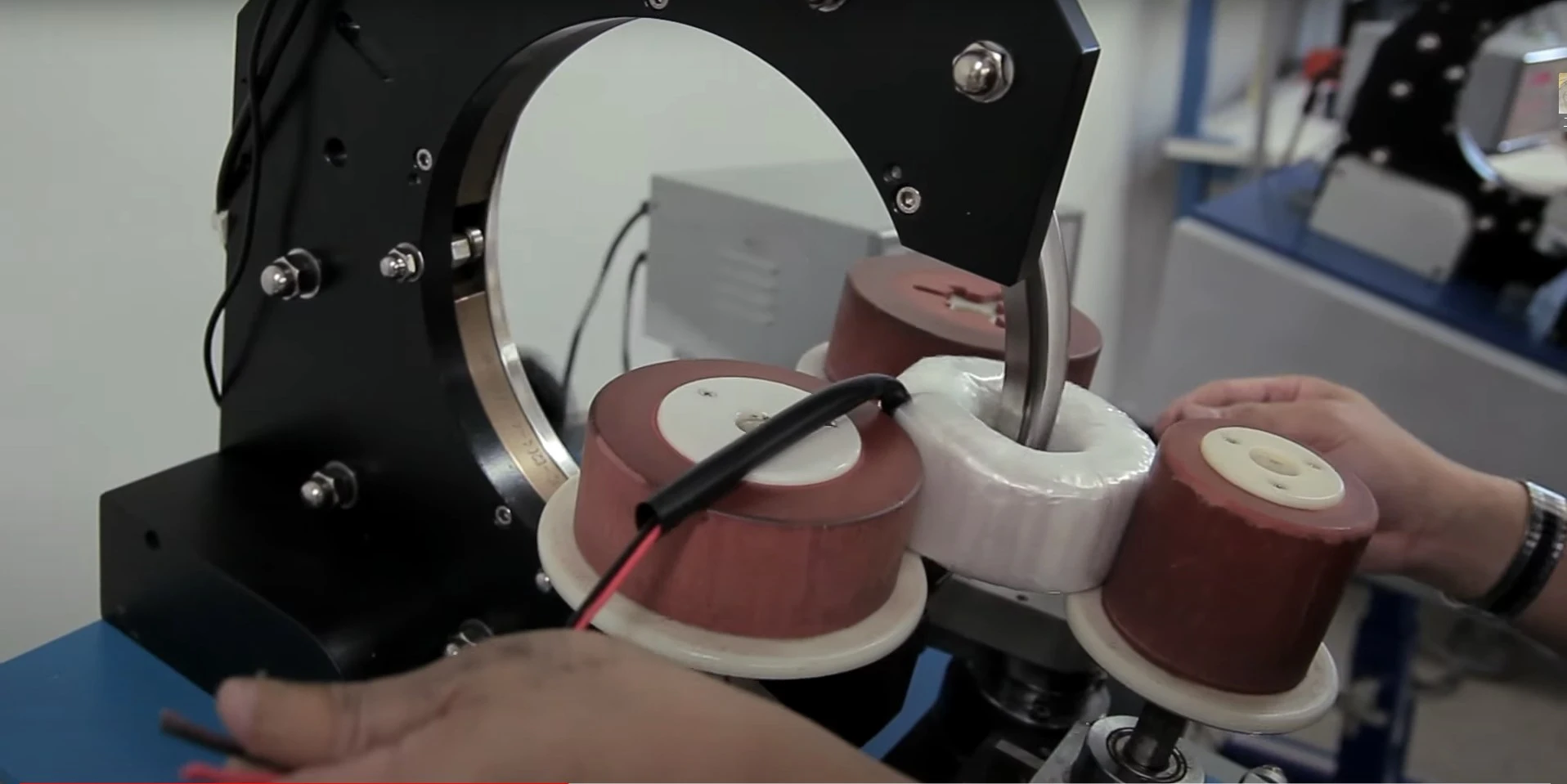
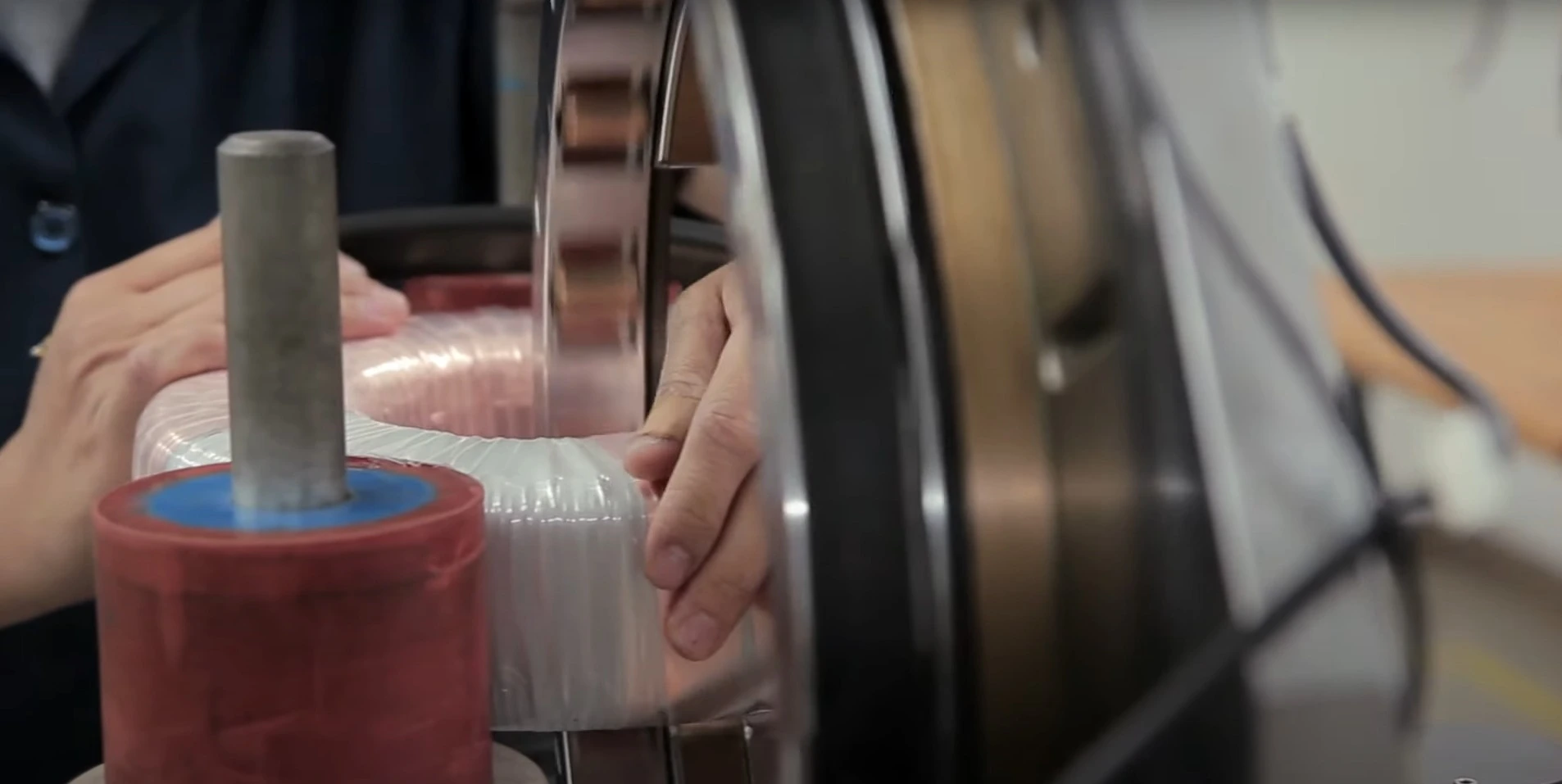
6. Toroidal Winding Machine

This machine winds wire around a toroidal (ring-shaped) core. The result is compact, interference-free coils perfect for high-frequency applications like power supplies, inductors, and filters.
7. Rewinding Machine
Rewinding machines unwind materials from a spool and rewind them onto another—great for fixing winding errors, recycling, or reprocessing materials like paper, cable, or plastic film.
How to Choose the Right Coil Winding Machine
Selecting the ideal coil winding machine depends on your specific project needs. Here’s what to consider when making your choice:
Material type – Match the machine to your material, whether it’s wire, yarn, film, or thread.
Production volume – Manual machines suit small batches; go automated for high-volume production.
Shape of coil – Choose machines based on the form: linear, toroidal, or transformer-style cores.
Precision needs – High-frequency or electronic coils require machines with tight control and accuracy.
Budget & scalability – Think long-term: invest in machines that allow for future expansion or upgrades.
Conclusion
Coil winding machines are essential for precision in motors, transformers, and electronic components. Choosing the right type ensures efficiency, quality, and scalability.
Need help selecting the perfect coil winding machine for your application? Contact us today for expert guidance and tailored recommendations.
 English
  Spanish
  Russian
  Italian
  German
  Chinese