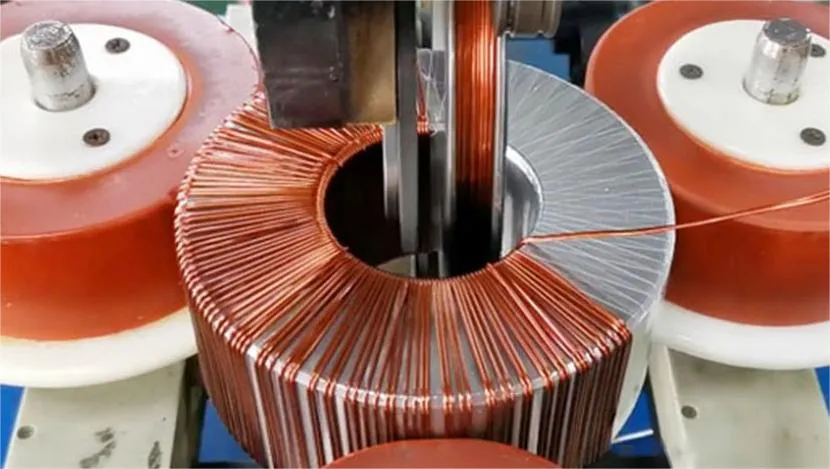
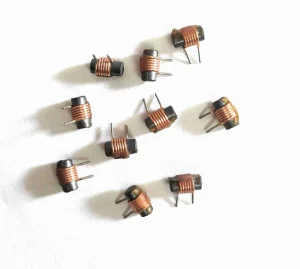
A stator coil winding machine is a specialized device used to wind wire coils onto stator cores in electric motors and generators.

It plays a vital role in improving production speed, winding precision, and product reliability, making it essential for industries like automotive, renewable energy, and electronics.
What Does a Stator Coil Winding Machine Do?
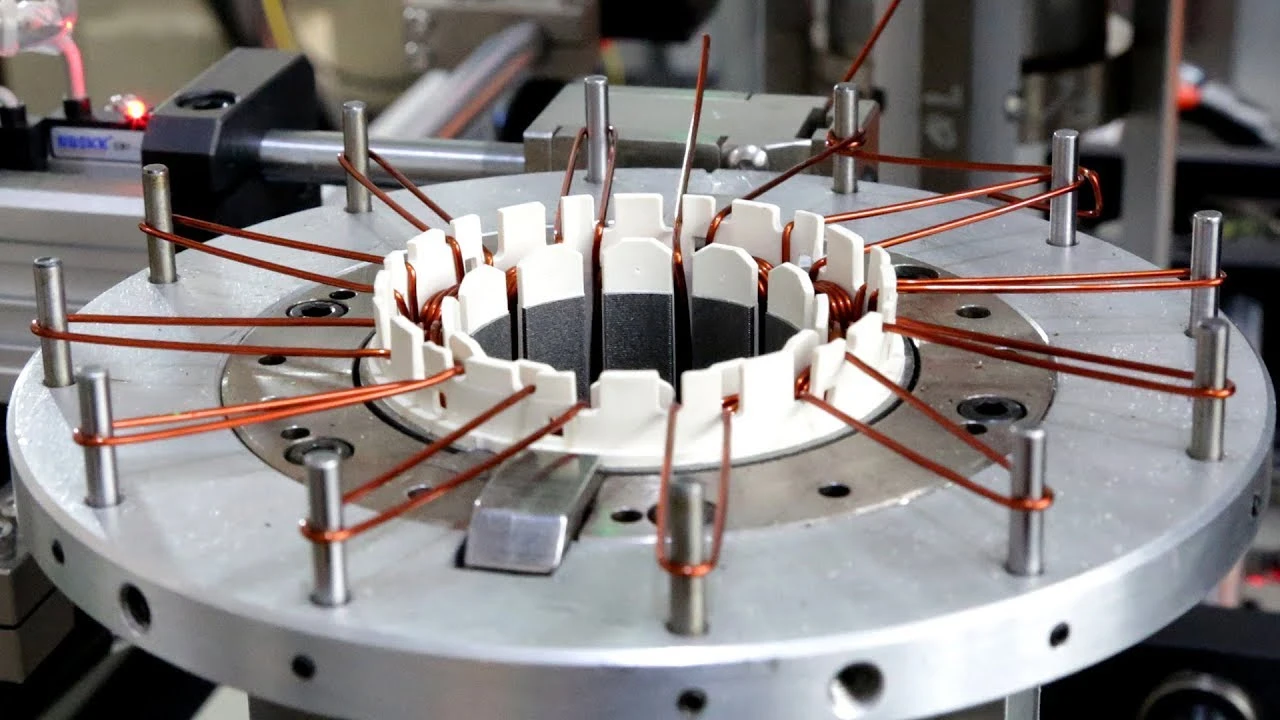
A stator coil winding machine automatically winds insulated wire into the stator’s slots with precision and consistency.
It ensures tight, evenly spaced coils, reducing human error and improving motor efficiency.
By automating the process, it cuts down manual labor while delivering repeatable, high-quality results, which is key for modern mass production.
Key Components and Technologies

Wire Feeding and Cutting System
This system automatically delivers and trims wire to the exact length required for each stator slot.
It minimizes waste and ensures consistent winding quality by keeping the wire supply smooth and synchronized with machine movement.
Servo Motors & Motion Controls
Servo motors provide precise positioning and speed control for the winding head. Combined with motion control systems, they help achieve accurate coil placement, fast cycle times, and reduced mechanical wear.
CNC Programming & Control Panels (HMI)
Computerized controls allow operators to set parameters for different stator designs through an easy-to-use HMI (Human Machine Interface).
This ensures consistency, quick changeovers, and better production tracking.
Needle Winding or Flyer Winding Heads
Depending on the application, the machine may use needle winding for compact, high-speed precision or flyer winding for larger coils. These heads rotate or feed the wire into slots efficiently, ensuring tight, uniform winding.
Tension Controllers & Sensors

Maintaining consistent wire tension is critical.
Sensors and tension control units monitor wire behavior in real-time, adjusting tension automatically to prevent wire breaks or slack, which enhances both safety and winding accuracy.
Advantages of Using a Stator Coil Winding Machine

Using a stator coil winding machine brings a range of benefits that modern manufacturers can’t afford to overlook. Here’s how it adds value to your production line:
Efficiency: Speeds up mass production with faster, repeatable winding cycles
Precision: Reduces error rates and improves overall motor performance
Durability: Ensures consistent coil placement, extending the motor’s lifespan
Labor Saving: Minimizes manual work by automating time-consuming tasks
Customization: Modular machine design adapts to various motor shapes and sizes
With these advantages, the machine is a smart investment for boosting output and maintaining quality in electric motor manufacturing.
Machine Types and Configurations
Stator coil winding machines come in different types to match specific motor designs and production needs. Let’s break down the key configurations available.
Needle Winding Machines

Needle winding machines use a linear needle to thread wire into tight stator slots with precision.
Ideal for high-density windings, they’re perfect for compact motors where space and accuracy are critical.
Flyer Winding Machines

Flyer winding machines spin a flyer around the stator to guide the wire into place. This method is great for larger stators and allows for fast winding with high uniformity.
Toroidal Winding Systems

Toroidal winding systems are designed for donut-shaped cores, using specialized arms or heads to wrap coils evenly around the circular core.
They’re commonly used in transformers and energy-efficient devices.
Multi-Station Configurations for Batch or Continuous Production
Multi-station configurations enable simultaneous winding of multiple stators or continuous production cycles.
This setup boosts throughput and supports both batch and inline manufacturing needs.
Applications in Industry

Stator coil winding machines play a crucial role in many industries where electric motors and energy conversion systems are essential. Here are some of the most common applications:
Electric Motors: Used in winding AC motors, DC motors, and brushless motors for various machinery and tools
Automotive: Ideal for EV motors, alternators, and hybrid powertrain components
Power Generation: Applied in stator production for generators, wind turbines, and energy storage systems
Industrial Machines and Appliances: Powers everything from HVAC units to washing machines and CNC tools
These applications show just how central stator winding machines are to modern innovation and high-performance products.
Market Importance and Industry Demand

With the rise of EVs, smart factories, and renewable energy, stator coil winding machines have become essential in motor production worldwide.
Their role in improving speed, accuracy, and scalability makes them a must-have for future-ready manufacturing.
Conclusion

Stator coil winding machines boost motor quality, speed, and consistency—essential for modern manufacturing. They support the shift to electric mobility and smart energy.
Looking to upgrade your production line? Contact us today to explore customized stator winding solutions tailored to your industry needs.
FAQs
What does a stator winding do?
Stator winding creates the rotating magnetic field needed to drive the rotor in electric motors or generate electricity in generators.
What is the purpose of a stator coil?
A stator coil generates a magnetic field when electric current flows through it, enabling energy conversion in motors and generators.
What is a coil winding machine?
A coil winding machine automates the process of wrapping wire into coils for use in motors, transformers, and other electromagnetic devices.
What does rewinding a stator coil mean?
Rewinding a stator coil involves removing damaged wire and replacing it with new winding to restore motor or generator performance.