


Two-speed motors are electric motors designed to operate at two distinct speeds, making them incredibly useful in a variety of industries. From HVAC systems to industrial automation, they help businesses adjust motor speed without the need for expensive variable speed drives.
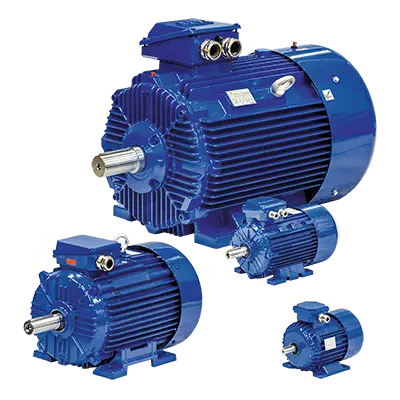
This flexibility not only improves system performance but also supports energy efficiency and cost savings. Whether you need high power for one task and lower speed for another, two-speed motors offer a smart, reliable solution for optimizing your operations.
What Is a Two-Speed Motor?

A two-speed motor is an electric motor designed to run at two different speeds, typically using special winding configurations. Depending on how the windings are connected, the motor can shift between high and low speed modes to suit the task at hand. This makes it a versatile solution for operations that need flexible output—like pumps, fans, or conveyors. Unlike complex variable frequency drives (VFDs), two-speed motors offer simplified control with fewer components, making them ideal for applications that require reliable, cost-effective speed variation.
Types of Two-Speed Motors

Two-speed motors come in two main configurations, each with its own advantages depending on the application. Let’s break them down simply so you can choose what fits best.
A. Two-Speed, Two-Winding Motors
This type features two completely separate windings within the stator—each designed for a different speed. When one winding is energized, the motor runs at one speed; switching to the second winding changes the speed.
What makes this type special is its flexibility. The two speeds don’t have to follow a 2:1 ratio, so you can get configurations like 1750/1140 RPM, making it ideal for more specific or demanding use cases.
You’ll commonly find these in:
Industrial conveyors that move materials at different speeds
High-pressure pumps that need variable performance
Equipment with frequent speed switching under load
Because the windings operate independently, these motors offer high torque and greater control, especially in complex or high-load environments.
B. Two-Speed, One-Winding Motors (Pole Changing)
This version uses a single winding and changes speed by altering the number of magnetic poles—a method called the Dahlander connection. As the pole count doubles, the motor speed halves, giving you a fixed 2:1 ratio (e.g., 1500/750 RPM).
Key advantages:
More compact and easier to fit in tight spaces
Lower cost due to fewer components
Simpler maintenance with one winding system
Common in fans, blowers, and hoists, this motor type is ideal when space and budget matter, and the speed flexibility needs are basic.
Working Principle of Two-Speed Motors

Understanding how two-speed motors work is simpler than you might think. Imagine riding a 2-gear bicycle—you switch gears depending on whether you want speed or power. That’s essentially what these motors do, but with electricity.
Two-Winding Motors
These motors have two independent windings, each designed for a specific speed. Only one winding is energized at a time, producing a unique torque and speed. Think of it like flipping a switch to shift from low gear to high gear. Because the windings don’t interact, you get greater flexibility in speed combinations and torque settings.
This setup is great when you need custom speed ratios, like 1750/1140 RPM, and stable performance under varying loads.
One-Winding Motors (Dahlander)
Also known as pole-changing motors, these use a single winding. By reconnecting the coils, the motor changes the number of magnetic poles—doubling the poles cuts the speed in half. The result is a fixed 2:1 speed ratio, such as 1500/750 RPM.
A simple switch or controller determines which configuration the motor uses, making operation straightforward and reliable. This design is cost-effective and perfect for standard applications that need basic speed flexibility without complex controls.
Load Classifications

Choosing the right two-speed motor starts with understanding your load type. The way your equipment demands power affects which motor configuration fits best. Let’s break down the three main load classifications—and when to use each one.
A. Constant Torque
With a constant torque load, the torque demand stays the same regardless of motor speed. This means the motor must deliver equal power at both high and low speeds.
Typical applications include:
Conveyors that move products at consistent force
Hydraulic pumps requiring steady pressure
If your machinery needs to perform evenly at all speeds, this is the load class to focus on.
B. Variable Torque
Here, the torque increases dramatically with speed. Doubling the speed may require four times the torque and eight times the horsepower.
You’ll see this in:
Centrifugal fans used in HVAC systems
Blowers and pumps in process industries
For energy savings, two-speed motors in this class help reduce strain at low speed while delivering brute force at high speed.
C. Constant Horsepower
In this class, torque must double when speed cuts in half to keep horsepower constant.
Used in:
Drill presses
Lathes and milling machines
This setup is ideal for machines that cut hard at low speeds but need speed for finer tasks. Knowing your load profile helps you select the most efficient motor for performance and energy use.
Advantages & Disadvantages of Two-Speed Motors

Like any solution, two-speed motors come with their own set of benefits and trade-offs. Let’s walk through the key points to help you decide if they’re the right fit for your system.
✅ Advantages
Energy Efficiency
Switching between two speeds allows you to reduce power consumption when full speed isn’t necessary—perfect for saving energy in fans or pumps.Simpler Than VFDs
No need for complex electronics. Two-speed motors use mechanical or simple electrical switching, which makes them easy to maintain and operate.Cost-Effective for Basic Speed Needs
If you only need two speeds, why invest in a high-end variable frequency drive? This motor type offers a budget-friendly alternative for straightforward applications.Compact and Reliable
Especially the one-winding (Dahlander) versions—fewer parts mean fewer failure points and a smaller footprint.
⚠️ Disadvantages
Limited Speed Flexibility
You’re restricted to just two preset speeds, so if you need fine-tuned control, these might not be enough.Mechanical Wear
Repeated switching between speeds can cause increased wear on components over time—especially in high-duty cycles.Harmonic Interference (Pole-Changing Types)
Rapid pole switching can create harmonics that may affect sensitive equipment on the same circuit.
In summary, if your application fits the profile, two-speed motors offer a great mix of simplicity and efficiency—just weigh the needs of your system carefully.
Applications of Two-Speed Motors

Two-speed motors are used across HVAC, manufacturing, agriculture, machine tools, and construction due to their flexible speed control. In HVAC and agriculture, they help optimize energy usage by adjusting speeds based on demand. Manufacturing and tool-based industries benefit from better torque and precision. Their ability to reduce power consumption and maintenance makes them a cost-effective solution for many industrial operations.
FAQs About Two-Speed Motors
1. Can a two-speed motor be used with a VFD?
Technically yes, but it’s not recommended. Two-speed motors are designed for direct speed switching. Adding a VFD may cause complications unless the system is properly matched.
2. How do I know which load type I have?
Look at how your equipment behaves:
Same torque at all speeds? Constant torque.
Torque grows fast with speed? Variable torque.
Need same power at both speeds? Constant horsepower.
Conclusion

Two-speed motors offer a smart balance of flexibility, efficiency, and cost-effectiveness. Whether you’re managing HVAC systems, conveyors, or machinery, their dual-speed function helps meet changing load demands while saving energy.
Ready to improve your system’s performance? Explore how two-speed motors can optimize your operations—cut costs, boost control, and enhance reliability today.

 English
  Spanish
  Russian
  Italian
  German
  Chinese