Discover core winding equipment, including coil winding machines, tensioners, and testers, and see how each enhances productivity and manufacturing consistency.
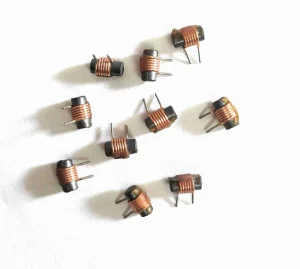
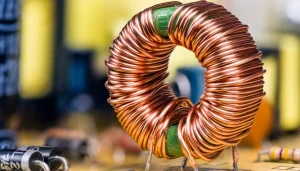
Winding is a vital stage in the production of motors, transformers and inductors. Precision wire layering forms high-quality electromagnetic coils, delivering optimal efficiency and reliable component performance.
To meet modern production demands, manufacturers use advanced coil winding equipment to improve precision, consistency, and efficiency. This guide explores the essential winding machines and tools that support faster, smarter, and more reliable coil manufacturing across industries.
Core Equipment Used for Coil Winding
In modern coil winding systems, six essential types of winding equipment work together to improve precision, production speed, and coil quality.
Coil winding machines automate wire winding around bobbins, cores, or frames, delivering high-speed, consistent, and precise coil production.
Wire guiding systems ensure accurate wire placement during coil winding, preventing overlaps, tangles, and defects that affect coil performance.
Tensioning devices regulate wire tension during coil winding. Proper tension management helps prevent winding defects and ensures stable coil structure throughout production.
Insulation and varnishing equipment apply protective coatings to coils, improving electrical insulation, operational reliability, and service life in demanding environments.
Coil forming and shaping equipment precisely bends and presses wound coils into round, rectangular, or custom profiles for specific applications.
Lastly, testing and quality control equipment checks resistance, continuity, and performance, ensuring each coil meets strict manufacturing standards.
Together, these winding systems form a streamlined, high-precision production line that increases output, minimizes errors, and maintains stable coil performance.
Types of Industrial Coil Winding Machines
There is no one-size-fits-all solution for coil winding machines. Each model is engineered to meet distinct production requirements. Below is a detailed breakdown:
Single-axis winding machines are ideal for prototyping and custom production. They wind one coil at a time, delivering superior precision and stable control, perfectly suited for complex or experimental coil designs.
In contrast, multi-axis winding machines are engineered for high-volume production. With multiple spindles working simultaneously, they are ideal for industries needing large batches of identical coils, such as motors and transformers.
You’ll also notice differences in operation type:
Manual coil winding machines provide cost efficiency and flexibility but depend on skilled operators.
Automatic coil winding machines enhance production speed, consistency, and labor efficiency—ideal for scaling operations with fewer errors.
Specialized coil winding machines are available for targeted applications:
Motor winding machines optimize stator and rotor coil production.
Relay winding machines handle compact coils for relays and sensor components.
Needle winding machines support high-speed, fine-wire winding for precision coil applications.
In summary, manual and single-axis winding machines are suitable for R&D and custom coil applications, while multi-axis and automatic winding machines support efficient large-scale production.
How Coil Tensioners Improve Winding Quality & Consistency
Tensioning devices play a critical role in coil winding precision. They regulate wire tension during winding to prevent loose coils, wire breakage, and alignment errors in production.
Spring servo tensioners are a cost-effective choice for small wire diameter winding. Simple and dependable, they are ideal for light-duty applications that require precise tension control.
Pneumatic tensioners offer more flexibility and faster adjustments, making them great for medium to high-speed production. They’re a smart choice when you need consistent results across varying wire types.
Electronic tensioners take it up a notch with digital precision and real-time feedback. They are perfect for advanced winding processes where every gram of tension counts.
By keeping tension consistent, these devices help lower scrap rates, reduce machine downtime, and ensure every coil meets strict quality standards. It’s a small detail that makes a big difference.
Wire Guiding Systems: Ensuring Precision in Coil Winding Production
Wire guiding systems play a critical role in coil winding precision. Components such as guide rollers and automatic wire feeders maintain precise wire alignment during winding, helping to prevent misalignment, tangling, and uneven layering.
At high coil winding speeds, even a slight deviation can ruin a coil. That’s where real-time wire guidance comes in, helping the wire move smoothly and consistently. Whether you’re working with delicate fine wires or rugged industrial coils, wire guiding systems ensure every turn is tight, clean, and exactly where it should be.
Insulation & Varnishing Equipment for Coil Durability
After coil winding, insulation is a critical step to protect the coil. Equipment for varnishing, resin coating, or film application helps prevent electrical shorts and boosts coil product lifespan.
Depending on the coil production setup, coils can be sprayed or dipped for an even protective insulation layer. The material choice—epoxy varnish, polyester resin, polyimide film—depends on your coil’s voltage and temperature requirements. Proper coil insulation not only ensures safety but also improves long-term durability, especially in high-performance or harsh-environment applications。
Coil Forming Tools for Precise Assembly
After coil winding, coil forming tools help shape each coil into its final structure for smooth assembly and reliable performance. Tools such as groove scrapers, winding paddles, binding needles, and shaping presses are used to bend, press, align, and secure coils into accurate positions. This process helps coils fit precisely into motor stator slots or custom winding layouts, improving both installation accuracy and overall electrical performance.
Testing and Quality Control Instruments
Quality control equipment plays a critical role in coil winding production by identifying potential issues before coils are installed into motors and electrical systems. Tools such as ohmmeters check wire continuity to detect broken connections or shorted windings, while voltage testers verify that coils can safely handle the required electrical load. These testing processes help improve coil reliability, product safety, and overall manufacturing quality.
FAQs About Coil Winding Equipment
1. Can one machine handle all types of coils?
Not always. Different coil winding machines are designed for different applications, such as motor windings, relay coils, or needle winding processes.
2. How often should winding equipment be maintained?
Regular maintenance keeps coil winding equipment operating efficiently. Cleaning, lubrication, and inspections help reduce downtime and extend machine life.
3. Are manual winding machines still used today?
Yes. Manual winding machines are commonly used for prototypes, custom coils, and low-volume production, while automatic winding machines are preferred for large-scale manufacturing.
Resistance testers help verify that each coil meets required electrical performance standards before final assembly. For more detailed inspection, X-ray testing systems can detect hidden winding defects and internal faults without damaging the coil. By using advanced coil testing equipment, manufacturers can reduce motor failure risks, lower rework costs, improve production efficiency, and maintain stable quality throughout modern coil winding production lines.
Conclusion
Winding equipment plays an essential role in modern coil winding production, helping manufacturers achieve higher precision, stable quality, and efficient output across different industries. From tensioning devices and wire guiding systems to advanced coil testing equipment, each machine supports better performance, improved reliability, and more effective cost control in motor and transformer manufacturing.
Looking for the right coil winding equipment for your production line? Our team can help you choose suitable winding machines and automation solutions based on your coil specifications, production capacity, and performance requirements.Contact our experts today to explore reliable equipment options for efficient and high-quality coil manufacturing.
To provide the best experiences, we use technologies like cookies to store and/or access device information. Consenting to these technologies will allow us to process data such as browsing behavior or unique IDs on this site. Not consenting or withdrawing consent, may adversely affect certain features and functions.
Functional Always active
The technical storage or access is strictly necessary for the legitimate purpose of enabling the use of a specific service explicitly requested by the subscriber or user, or for the sole purpose of carrying out the transmission of a communication over an electronic communications network.
Preferences
The technical storage or access is necessary for the legitimate purpose of storing preferences that are not requested by the subscriber or user.
Statistics
The technical storage or access that is used exclusively for statistical purposes.The technical storage or access that is used exclusively for anonymous statistical purposes. Without a subpoena, voluntary compliance on the part of your Internet Service Provider, or additional records from a third party, information stored or retrieved for this purpose alone cannot usually be used to identify you.
Marketing
The technical storage or access is required to create user profiles to send advertising, or to track the user on a website or across several websites for similar marketing purposes.
To provide the best experiences, we use technologies like cookies to store and/or access device information. Consenting to these technologies will allow us to process data such as browsing behavior or unique IDs on this site. Not consenting or withdrawing consent, may adversely affect certain features and functions.
Functional Always active
The technical storage or access is strictly necessary for the legitimate purpose of enabling the use of a specific service explicitly requested by the subscriber or user, or for the sole purpose of carrying out the transmission of a communication over an electronic communications network.
Preferences
The technical storage or access is necessary for the legitimate purpose of storing preferences that are not requested by the subscriber or user.
Statistics
The technical storage or access that is used exclusively for statistical purposes.The technical storage or access that is used exclusively for anonymous statistical purposes. Without a subpoena, voluntary compliance on the part of your Internet Service Provider, or additional records from a third party, information stored or retrieved for this purpose alone cannot usually be used to identify you.
Marketing
The technical storage or access is required to create user profiles to send advertising, or to track the user on a website or across several websites for similar marketing purposes.



 English
  Spanish
  Russian
  Italian
  German
  Chinese