


Cleaning electric motor windings is essential to prevent overheating, extend motor life, and maintain efficiency.

Dust, oil, and carbon buildup are common culprits that reduce insulation performance and cause costly failures.
Step 1: Inspect and Isolate the Motor

Before doing anything, disconnect the power supply to stay safe.
Take a moment to visually inspect the motor for signs of damage or heavy oil buildup.
Make sure the area you’re working in is well-ventilated and properly grounded to avoid any hazards while cleaning.
Step 2: Choose the Right Cleaning Method

CO2 Blasting
Perfect for removing dust, dirt, and dry debris, CO2 blasting is non-abrasive and leaves no residue.
It’s also non-conductive, which makes it safe for windings. Just remember—it’s not ideal for oil, as it tends to just move it around rather than remove it.
Hot Soapy Water or Steam Cleaning
When dealing with grease or oil, nothing beats good old hot water and detergent or steam.
It’s highly effective, but requires the motor to be removed from service.
After cleaning, make sure everything is completely dry to avoid insulation damage.
Chemical Solvents (If On-Site Only)
If removal isn’t an option, you can use non-conductive chemical cleaners, but be prepared.
You’ll need protective gear, a containment setup, and a plan for safe disposal.
Always check site rules and safety regulations before using solvents.
Step 3: Apply the Cleaning Method

Use a soft brush or nozzle to gently remove debris.
Be careful not to disturb any wiring or damage insulation. With CO2, guide the dirt to an accessible area to wipe it off easily.
For water or steam, rinse well and dry fully before the next step.
Step 4: Drying the Windings
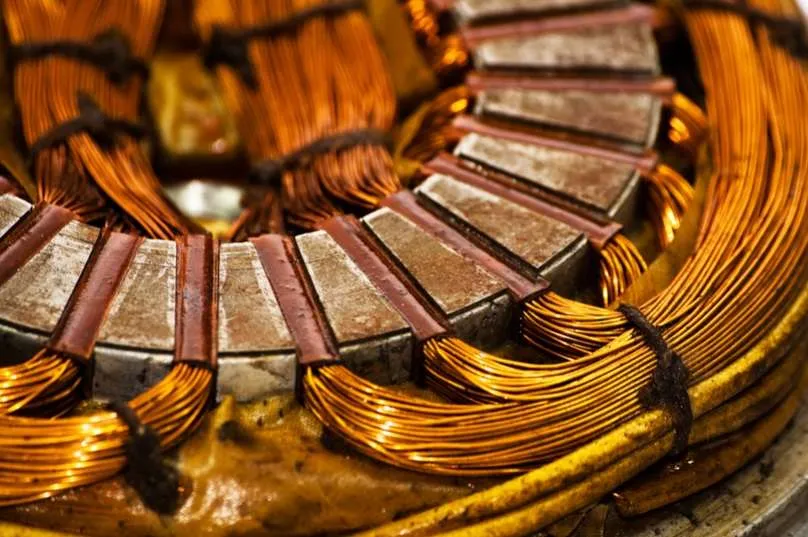
After cleaning, make sure to dry the windings completely.
You can use industrial dryers, heat lamps, or forced air to remove all moisture.
Before reconnecting the motor, always measure insulation resistance to confirm the windings are bone dry and safe to operate.
Step 5: Perform Final Inspection and Testing

Do a final check using a megohmmeter to test insulation resistance.
Look closely for any signs of corrosion, shorts, or moisture issues.
Once everything checks out, reassemble the motor and power it up for a smooth test run.
Conclusion

Regularly cleaning your motor windings improves efficiency and reduces the risk of breakdowns. For oil-heavy or complex cleanups, it’s smart to get professional help.
Need expert support?
Contact us today to ensure your motors stay clean, safe, and high-performing.

 English
  Spanish
  Russian
  Italian
  German
  Chinese