


Tension control in coil winding keeps wire tension stable as the wire wraps around a bobbin or core. Even small changes in tension can affect wire placement, coil quality, electrical performance, and long-term reliability, making tension control a key part of any coil winding process.

Why is this important? Tension control keeps every wire turn neat, even, and secure. It helps protect the enamel insulation, prevents loose or uneven winding, and keeps the coil within design specifications.Overall, tension control is essential for better coil quality, higher accuracy, and less wire damage during coil winding.
Why Proper Tension Control Matters

Keeping the right wire tension during coil winding is essential for producing reliable coils. Even small changes in wire tension can reduce coil quality, shorten service life, and affect overall performance.
Keeps Coil Shape Consistent
Stable wire tension helps each wire turn stay even and compact, creating the correct coil geometry and density. This helps prevent loose layers, uneven winding, hotspots, and vibration.Protects Wire and Enamel Insulation
Too much wire tension can stretch or break the wire, while too little can cause slack or overlapping turns. Proper tension helps protect the enamel insulation and keeps the winding secure.Improves Coil Performance and Production Yield
Consistent wire tension helps produce coils with stable resistance, inductance, and fewer short circuits. It also improves coil quality, reduces scrap, and lowers rework costs.
In brief,tension control is the foundation of coil quality. Without effective tension control,even the most advanced winding machine cannot deliver consistent, reliable results.
Types of Tension Control Systems
Different tension control systems keep wire tension stable in different ways. Each method offers its own balance of accuracy, cost, and control, making it suitable for different coil winding applications.
1. Open-loop Torque Systems
These tension control systems use friction pads, magnetic powder brakes, or basic torque control to maintain wire tension. They are affordable, simple to maintain, and work well for basic coil winding tasks. However, the tension may change as the spool diameter becomes smaller, so they are best for applications where high precision is not essential.
2. Dancer Arm Systems
A dancer arm system stores a small amount of wire to absorb changes in wire payoff and keep wire tension more stable. Sensors automatically adjust the arm position, helping maintain consistent tension even when winding speed changes. This system is widely used in coil winding applications that require good stability without the need for ultra-high precision.
3. Load-Cell Closed Loop Systems
A load-cell closed-loop system measures wire tension continuously during coil winding. The machine responds immediately to keep the tension stable, regardless of winding speed or spool size. This provides the highest level of accuracy and is well suited for fine wire, high-frequency coils, and demanding applications such as medical devices and aerospace components.
Key Devices & Components
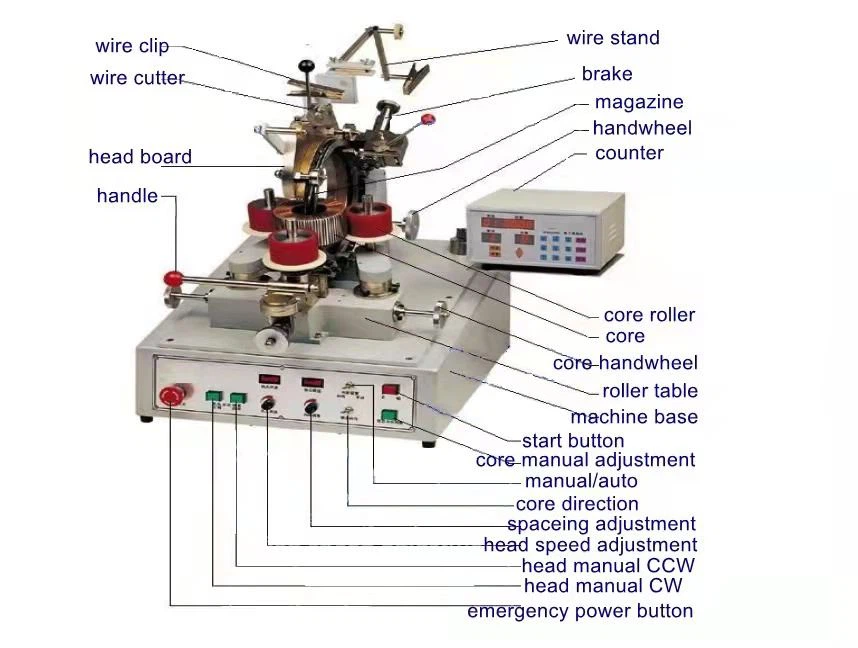
Every tension control system depends on key components that keep wire tension stable and the winding process consistent. Below are the most common parts used in coil winding machines designs to improve accuracy and ensure reliable results
Magnetic Powder Brakes and Cutches
Magnetic powder brakes and clutches use magnetic particles to provide adjustable wire tension. They deliver smooth, stable control with less wear than basic friction systems, making them a reliable choice for mid-range coil winding applications.
Permanent Magnetic Tensioners
Permanent magnetic tensioners provide gentle, consistent wire tension, making them ideal for fine wire coil winding. They have a simple design, require little maintenance, and are widely used for electronics, sensors, and micro-coils.
Servo Payoff with Capstan
A servo payoff with a capstan provides stable wire tension for heavy-gauge wire and rectangular conductors. It keeps the pulling force consistent, even under high loads, making it a common solution for industrial transformers and large motor windings.
Sensors and Feedback Systems
Load cells, encoders, and vision sensors monitor wire tension and wire position in real time. When connected to a closed-loop control system, they automatically adjust the process to maintain accurate, consistent coil winding with every turn.
Combined,these components form the core of an effective tension control system. By keeping wire tension stable and responsive, they help improve coil winding accuracy while providing the right balance of precision, stability, and performance for different applications.
Wire Tension Setup
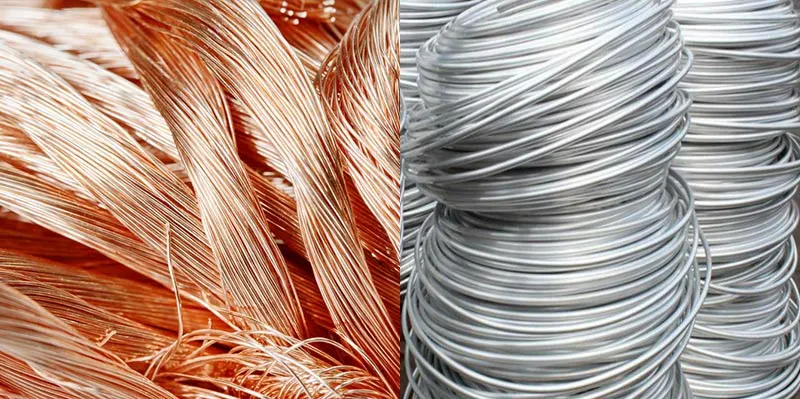
For machines with tension sensors, proper calibration is essential. Load cells should be zeroed and calibrated to ensure accurate wire tension readings, while dancer arms need the correct balance and damping to maintain stable tension control during speed changes.
As the spool diameter becomes smaller, wire tension can change during coil winding. Many modern machines adjust automatically, but operators should still check tension stability throughout the process. Regular inspections help keep wire tension consistent from the first turn to the last.
Tension Control Best Practices

Even with advanced equipment, following good coil winding practices makes a real difference. Consistent operating habits help improve coil quality, maintain stable wire tension, and deliver more reliable winding results.
Start with Wire-Size Charts
Use wire tension charts as a starting point. They provide recommended tension settings for different wire sizes and materials. After the initial setup, fine-tune the wire tension with short test runs to match your coil winding application.
Increase Tension Gradually
Avoid applying full tension the moment the machine starts. Gradually increasing pull during startup prevents sudden stress on the wire, protecting both the insulation and the winding pattern.Monitor Tension in Real Time
Modern tension control systems can record wire tension throughout the winding process. Reviewing this data helps identify small changes before they affect coil quality. Real-time monitoring also supports consistent results from one coil to the next.
Following these coil winding best practices helps maintain wire tension, protect wire integrity, and improve coil quality. It also reduces scrap and rework, making production more efficient over time.
Tension Control Problems & Fixes

Even a well-adjusted coil winding machine can drift over time. When wire tension becomes unstable, coil quality will often show the first signs. Identifying poor tension control early helps prevent small issues from becoming costly production problems.
Too Little Wire Tension →When wire tension is too low, the coil winding may develop loose layers, gaps, or buzzing during operation. This can reduce coil quality, affect electrical performance, and increase vibration, which may shorten the coil’s service life.
Too Much Wire Tension → On the other hand, excessive wire tension can crack the enamel insulation, stretch the wire, or even cause wire breaks. These problems reduce coil quality, increase scrap, and lead to unnecessary downtime.
Quick fixes:
Adjust the wire tension settings and run short tests to confirm stable tension control.
Inspect wire guides, rollers and tension pads for wear, dirt or material buildup.
Recalibrate load cells or dancer arms for precise wire tension and steady coil winding performance.
By identifying tension control issues early, operators can maintain consistent coil winding quality, reduce downtime, and avoid costly scrap and rework.
Tension Control Maintenance Tips
Regular maintenance keeps tension control systems accurate and reliable over time. Without proper care, even the best coil winding machine can lose wire tension stability and affect coil winding quality.
Clean and polish guides and rollers
Keep wire guides and rollers clean and smooth. Dust, oil, or burrs can affect wire tension and disrupt wire feeding. Regular cleaning helps maintain stable coil winding performance.Replace worn pads or felt tensioners Friction pads and felt tensioners wear with use. Replacing them before they become worn helps maintain consistent wire tension and prevents unexpected changes during coil winding.
Recalibrate sensors and inspect electronics
Regularly recalibrate load cells, dancer arms, and inspect the control system. Routine checks help maintain accurate wire tension readings and ensure the tension control system responds correctly throughout the winding process.
Making maintenance part of your regular coil winding process helps keep tension control systems accurate, improve coil quality, reduce scrap, and extend the life of your equipment.
Automation in Tension Control

Modern coil winding machines do more than improve mechanical performance. Today, automation and digital tension control play a key role in maintaining stable wire tension and delivering consistent coil winding quality.
With closed-loop tension control, the software uses real-time sensor feedback to adjust wire tension automatically. This keeps coil winding consistent, even when the winding speed or spool diameter changes, helping maintain stable coil quality throughout the process.
Another advantage is recipe storage. Operators can save coil winding settings—such as wire size, turns, and wire tension profiles—for different products. This makes changeovers faster, reduces setup errors, and helps maintain consistent coil quality.
On larger coil winding production lines, real-time alarms and MES traceability improve process visibility. If wire tension drifts, the system alerts operators immediately, while production data is recorded to support quality control and product traceability.
Overall, automation makes coil winding more precise, efficient, and reliable while helping manufacturers scale production with consistent coil quality.
Improve Your Coil Winding Quality

Consistent wire tension is the key to high-quality coil winding. Whether winding fine wire or heavy conductors, the right tension control system improves accuracy, protects materials, and increases production efficiency.
If you’re searching for dependable coil winding machines and tension control solutions, our team stands ready to assist you. We deliver professional technical guidance, cutting-edge equipment, and customized support to fully meet your production requirements.
Contact us today to discuss your project and discover how we can improve your coil winding process from start to finish.
FAQs About Tension Control in Coil Winding
1. What is the purpose of the tensioning system in a winding machine?
A tensioning system keeps wire tension consistent during coil winding. It helps create neat, compact windings, protects the enamel coating, and improves coil quality and winding accuracy.
2. What is winding tension?
Winding tension is the pulling force applied to the wire during coil winding. Keeping this force stable helps maintain coil quality and reduces defects such as slack, telescoping, and deformation.
3. What are the parameters of coil winding?
The main coil winding parameters include wire tension, wire diameter, winding speed, layer pitch, and fill factor. Together, these factors affect coil quality, electrical performance, winding accuracy, and mechanical stability.
4. What is the problem with coil winding?
Common coil winding problems include loose coils caused by low wire tension, wire breaks from excessive tension or damaged guides, and incorrect turn counts due to poor control or worn components. These issues can reduce coil quality, lower performance, and increase scrap.

 English
  Spanish
  Russian
  Italian
  German
  Chinese