


Tension control in coil winding keeps Drahtspannung stable as the wire wraps around a bobbin or core. Even small changes in tension can affect wire placement, coil quality, electrical performance, and long-term reliability, making Spannungsregelung a key part of any Spulenwicklung Verfahren.

Why is this important? Tension control keeps every wire turn neat, even, and secure. It helps protect the enamel insulation, prevents loose or uneven winding, and keeps the coil within design specifications.Overall, Spannungsregelung is essential for better coil quality, higher accuracy, and less wire damage during Spulenwicklung.
Why Proper Tension Control Matters

Keeping the right Drahtspannung während Spulenwicklung is essential for producing reliable coils. Even small changes in Drahtspannung can reduce coil quality, shorten service life, and affect overall performance.
Keeps Coil Shape Consistent
Stable Drahtspannung helps each wire turn stay even and compact, creating the correct coil geometry and density. This helps prevent loose layers, uneven winding, hotspots, and vibration.Protects Wire and Enamel Insulation
Too much Drahtspannung can stretch or break the wire, while too little can cause slack or overlapping turns. Proper tension helps protect the enamel insulation and keeps the winding secure.Improves Coil Performance and Production Yield
Consistent Drahtspannung helps produce coils with stable resistance, inductance, and fewer short circuits. It also improves coil quality, reduces scrap, and lowers rework costs.
In brief,Spannungsregelung is the foundation of coil quality. Without effective tension control,even the most fortschrittliche Wickelmaschine cannot deliver consistent, reliable results.
Types of Tension Control Systems
Anders Spannungsregelsysteme halten Drahtspannung stable in different ways. Each method offers its own balance of accuracy, cost, and control, making it suitable for different Spulenwicklung Anwendungen.
1. Open-loop Torque Systems
Diese Spannungsregelsysteme use friction pads, magnetic powder brakes, or basic torque control to maintain Drahtspannung. They are affordable, simple to maintain, and work well for basic Spulenwicklung tasks. However, the tension may change as the spool diameter becomes smaller, so they are best for applications where high precision is not essential.
2. Dancer Arm Systems
A dancer arm system stores a small amount of wire to absorb changes in wire payoff and keep Drahtspannung more stable. Sensors automatically adjust the arm position, helping maintain consistent tension even when winding speed changes. This system is widely used in Spulenwicklung applications that require good stability without the need for ultra-high precision.
3. Load-Cell Closed Loop Systems
A load-cell closed-loop system measures Drahtspannung continuously during Spulenwicklung. The machine responds immediately to keep the tension stable, regardless of winding speed or spool size. This provides the highest level of accuracy and is well suited for fine wire, high-frequency coils, and demanding applications such as Medizinprodukte Und aerospace components.
Wichtige Geräte und Komponenten
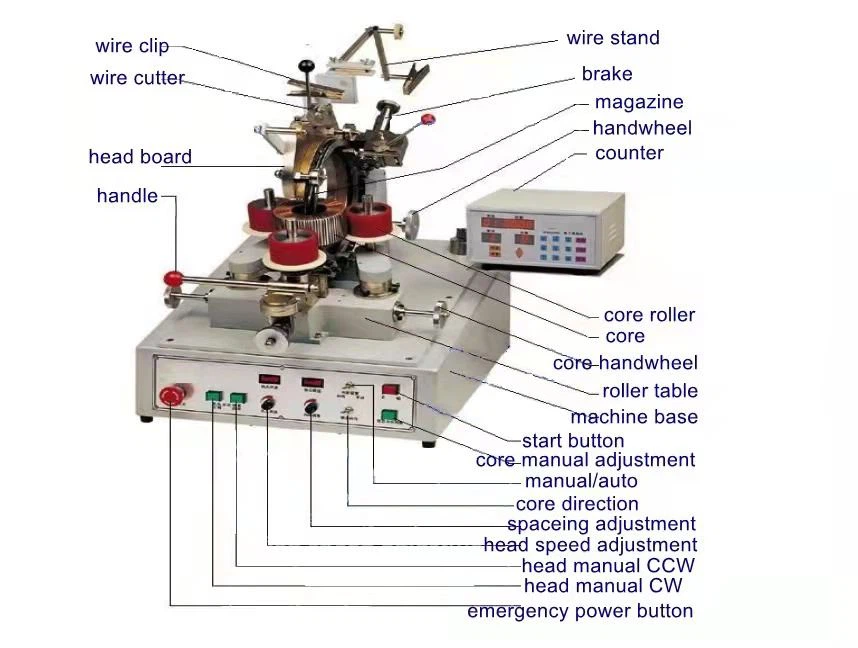
Jeder Spannungskontrollsystem depends on key components that keep Drahtspannung stable and the winding process consistent. Below are the most common parts used in Spulenwickelmaschinen designs to improve accuracy and ensure reliable results
Magnetic Powder Brakes and Cutches
Magnetpulverbremsen und -kupplungen use magnetic particles to provide adjustable Drahtspannung. They deliver smooth, stable control with less wear than basic friction systems, making them a reliable choice for mid-range Spulenwicklung Anwendungen.
Permanent Magnetic Tensioners
Permanentmagnetspanner provide gentle, consistent Drahtspannung, making them ideal for fine wire Spulenwicklung. They have a simple design, require little maintenance, and are widely used for Elektronik, Sensoren, Und Mikrospulen.
Servo Payoff with Capstan
A servo payoff with a capstan provides stable Drahtspannung for heavy-gauge wire and rectangular conductors. It keeps the pulling force consistent, even under high loads, making it a common solution for Industrietransformatoren Und große Motorwicklungen.
Sensors and Feedback Systems
Load cells, Encoder, Und vision sensors Monitor Drahtspannung and wire position in real time. When connected to a closed-loop control system, they automatically adjust the process to maintain accurate, consistent Spulenwicklung with every turn.
Combined,these components form the core of an effective Spannungskontrollsystem. By keeping Drahtspannung stable and responsive, they help improve Spulenwicklung accuracy while providing the right balance of precision, stability, and performance for different applications.
Wire Tension Setup
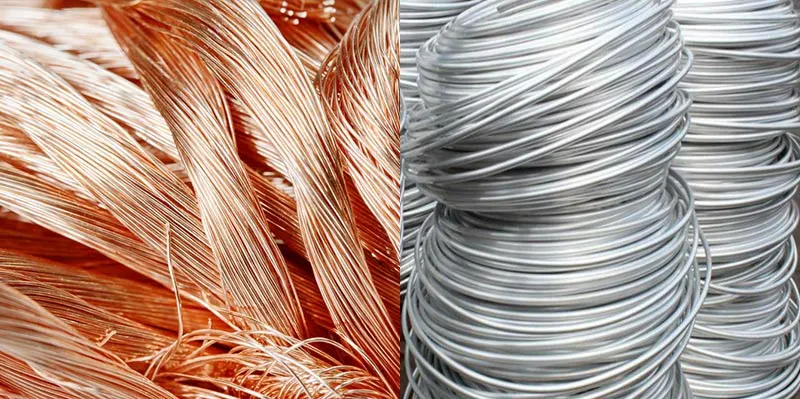
For machines with tension sensors, proper calibration is essential. Load cells should be zeroed and calibrated to ensure accurate Drahtspannung readings, while dancer arms need the correct balance and damping to maintain stable Spannungsregelung during speed changes.
Als spool diameter becomes smaller, Drahtspannung can change during Spulenwicklung. Many modern machines adjust automatically, but operators should still check tension stability throughout the process. Regular inspections help keep Drahtspannung consistent from the first turn to the last.
Tension Control Best Practices

Even with advanced equipment, following good Spulenwicklung practices makes a real difference. Consistent operating habits help improve coil quality, maintain stable Drahtspannung, and deliver more reliable winding results.
Start with Wire-Size Charts
Verwenden wire tension charts as a starting point. They provide recommended Spannungseinstellungen for different wire sizes and materials. After the initial setup, fine-tune the Drahtspannung with short test runs to match your Spulenwicklung Anwendung.
Increase Tension Gradually
Vermeiden Sie es, die volle Spannung gleich beim Start der Maschine anzuwenden. Eine allmähliche Erhöhung des Zugs während des Startvorgangs verhindert eine plötzliche Belastung des Drahtes und schützt sowohl die Isolierung als auch das Wickelmuster.Monitor Tension in Real Time
Modern Spannungsregelsysteme can record Drahtspannung throughout the winding process. Reviewing this data helps identify small changes before they affect coil quality. Real-time monitoring also supports consistent results from one coil to the next.
Following these Spulenwicklung best practices helps maintain Drahtspannung, protect wire integrity, and improve coil quality. It also reduces scrap and rework, making production more efficient over time.
Tension Control Problems & Fixes

Even a well-adjusted Spulenwickelmaschine can drift over time. When Drahtspannung becomes unstable, coil quality will often show the first signs. Identifying poor Spannungsregelung early helps prevent small issues from becoming costly production problems.
Too Little Wire Tension →When wire tension is too low, Die Spulenwicklung may develop loose layers, gaps, or buzzing during operation. This can reduce coil quality, affect electrical performance, and increase vibration, which may shorten the coil’s service life.
Too Much Wire Tension → On the other hand, excessive wire tension can crack the enamel insulation, stretch the wire, or even cause wire breaks. These problems reduce coil quality, increase scrap, and lead to unnecessary downtime.
Schnelle Lösungen:
Passen Sie die Drahtspannung settings and run short tests to confirm stable tension control.
Überprüfen wire guides, rollers and tension pads for wear, dirt or material buildup.
Recalibrate load cells oder dancer arms for precise wire tension and steady coil winding performance.
By identifying Spannungsregelung issues early, operators can maintain consistent Spulenwicklung quality, reduce downtime, and avoid costly scrap and rework.
Tension Control Maintenance Tips
Regular maintenance keeps Spannungsregelsysteme accurate and reliable over time. Without proper care, even the best Spulenwickelmaschine can lose Drahtspannung stability and affect Spulenwicklung Qualität.
Führungen und Rollen reinigen und polieren
Halten wire guides and rollers clean and smooth. Dust, oil, or burrs can affect Drahtspannung and disrupt wire feeding. Regular cleaning helps maintain stable Spulenwicklung Leistung.Ersetzen Sie abgenutzte Beläge oder Filzspanner Friction pads and felt tensioners wear with use. Replacing them before they become worn helps maintain consistent Drahtspannung and prevents unexpected changes during Spulenwicklung.
Sensoren neu kalibrieren und Elektronik überprüfen
Regularly recalibrate load cells, dancer arms, and inspect the control system. Routine checks help maintain accurate Drahtspannung readings and ensure the Spannungskontrollsystem responds correctly throughout the winding process.
Making Wartung part of your regular Spulenwicklung process helps keep Spannungsregelsysteme accurate, improve coil quality, reduce scrap, and extend the life of your equipment.
Automation in Tension Control

Modern Spulenwickelmaschinen do more than improve mechanical performance. Today, Automatisierung and digital Spannungsregelung play a key role in maintaining stable Drahtspannung and delivering consistent Spulenwicklung Qualität.
Mit Zugspannungsregelung, the software uses real-time sensor feedback to adjust Drahtspannung automatically. This keeps Spulenwicklung consistent, even when the winding speed or spool diameter changes, helping maintain stable coil quality throughout the process.
Ein weiterer Vorteil ist Rezeptspeicher. Operators can save coil winding settings-wie zum Beispiel wire size, dreht sich, Und wire tension profiles—for different products. This makes changeovers faster, reduces setup errors, and helps maintain consistent coil quality.
On larger coil winding production lines, real-time alarms Und MES traceability verbessern process visibility. If wire tension drifts, the system alerts operators immediately, while production data is recorded to support Qualitätskontrolle Und product traceability.
Overall, Automatisierung macht Spulenwicklung more precise, efficient, and reliable while helping manufacturers scale production with consistent coil quality.
Improve Your Coil Winding Quality

Consistent Drahtspannung is the key to high-quality Spulenwicklung. Whether winding fine wire or heavy conductors, the right Spannungskontrollsystem improves accuracy, protects materials, and increases production efficiency.
If you’re searching for dependable Spulenwickelmaschinen Und tension control solutions, our team stands ready to assist you. We deliver professional technical guidance, cutting-edge Ausrüstung, and customized Unterstützung to fully meet your production requirements.
Kontaktieren Sie uns noch heute um Ihr Projekt zu besprechen und herauszufinden, wie wir Ihren Spulenwickelprozess von Anfang bis Ende verbessern können.
Häufig gestellte Fragen zur Spannungsregelung beim Spulenwickeln
1. Welche Aufgabe hat das Spannsystem einer Wickelmaschine?
A Spannsystem keeps Drahtspannung consistent during Spulenwicklung. It helps create neat, compact windings, protects the enamel coating, and improves coil quality and winding accuracy.
2. Was ist Wickelspannung?
Winding tension is the pulling force applied to the wire during Spulenwicklung. Keeping this force stable helps maintain coil quality and reduces defects such as slack, telescoping, and deformation.
3. Was sind die Parameter der Spulenwicklung?
The main Spulenwicklung parameters include Drahtspannung, wire diameter, winding speed, layer pitch, and fill factor. Together, these factors affect coil quality, electrical performance, winding accuracy, and mechanical stability.
4. Was ist das Problem beim Spulenwickeln?
Gemeinsam Spulenwicklung problems include loose coils caused by low Drahtspannung, wire breaks from excessive tension or damaged guides, and incorrect turn counts due to poor control or worn components. These issues can reduce coil quality, lower performance, and increase scrap.

 German
  English
  Spanish
  Russian
  Italian
  Chinese