


When it comes to building transformers, the material you choose for the windings isn’t just a small detail—it’s a big deal. The debate between copper vs aluminum transformer windings has been around for years, and for good reason. Each metal brings its own strengths and trade-offs that affect a transformer’s size, efficiency, reliability, and cost.
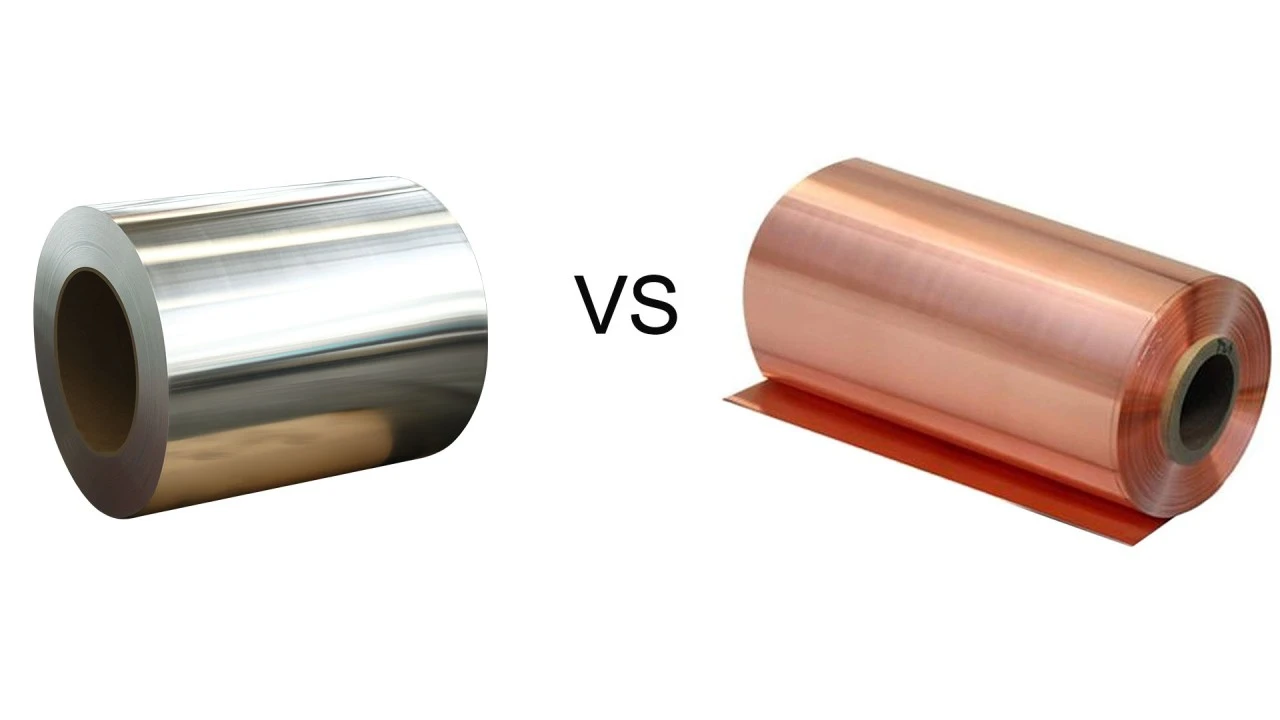
Whether you’re designing compact power supplies or massive distribution units, picking the right winding material helps you hit your performance goals, stay on budget, and keep your systems running smoothly for years. In this article, we’ll break down the key differences so you can make the smartest choice for your next project.
Overview: Copper and Aluminum in Transformers
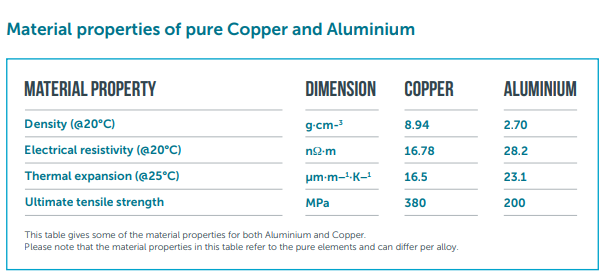
Transformer windings are typically made from either copper or aluminum, and each material has a strong case depending on the application.
Copper is prized for its superior electrical conductivity and mechanical strength. That’s why it’s often the go-to for compact, high-performance transformers—especially where space is limited or long-term durability is critical.
Aluminum, on the other hand, is much lighter and generally more affordable. It’s commonly used in larger transformers where size isn’t as restricted, and keeping costs down is a bigger priority.
Globally, both materials are widely used. The best choice comes down to what your design needs most—efficiency, size, weight, or budget. Understanding the pros and cons of each helps engineers strike the right balance for performance and reliability.
Quick Comparison
Electrical Conductivity & Size
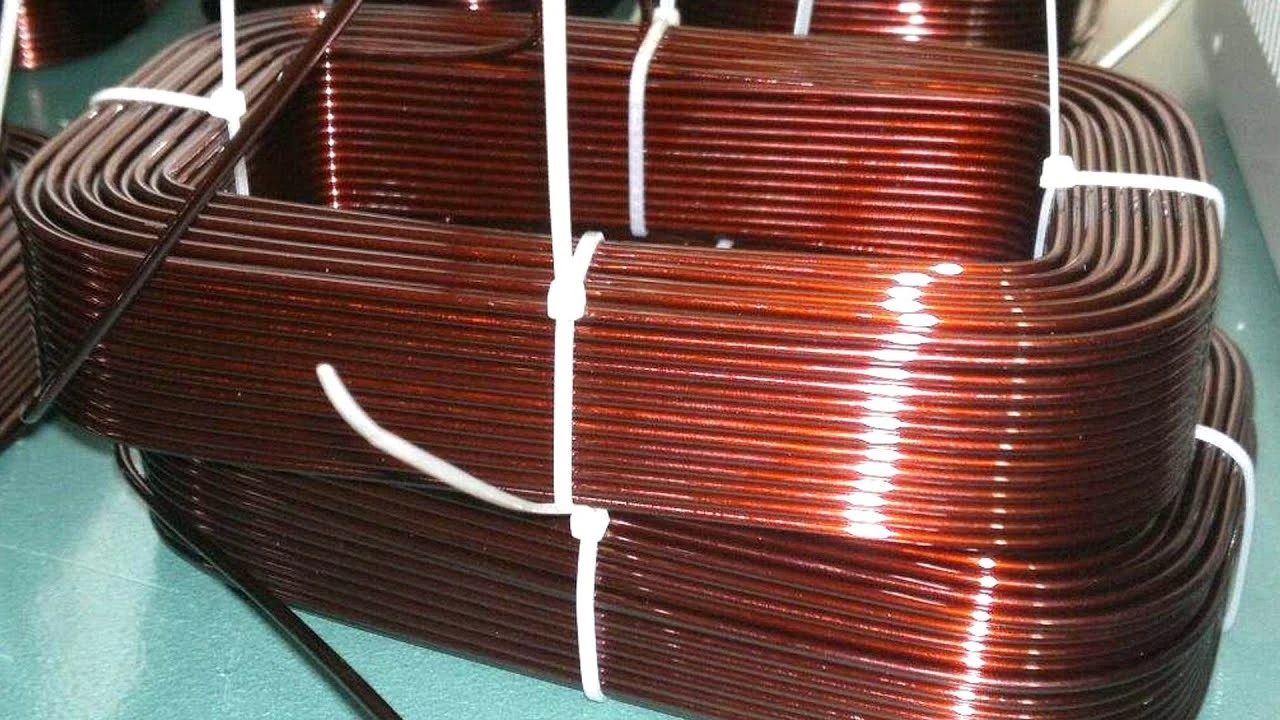
One of the biggest differences between copper and aluminum transformer windings is conductivity. Copper has a conductivity rating of about 100% IACS, making it the gold standard for electrical performance. This means less resistance, lower energy loss, and more efficient current flow.
Aluminum, by comparison, has around 61% IACS conductivity. To carry the same current as copper, aluminum windings need a larger cross-sectional area. This often results in bigger windings and more space inside the transformer.
In short, copper wins when it comes to pure conductivity and compact size. But with careful design, aluminum can still meet performance needs—just with a bit more material.
Weight, Space & Cost Efficiency
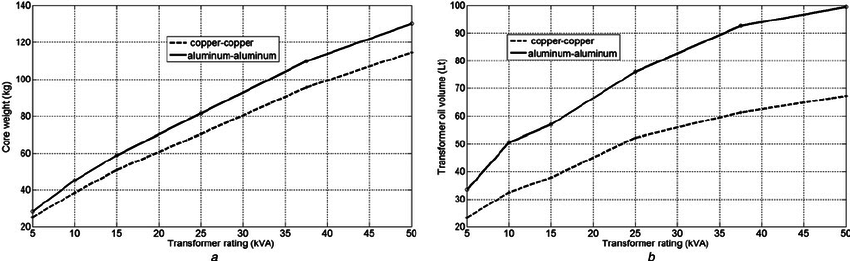
When it comes to weight and cost, aluminum has a clear edge. It’s much lighter and less expensive than copper, which can make a big difference in large transformers or budget-sensitive projects. That’s why aluminum is a popular choice for utility-scale or dry-type transformers.
Copper, while heavier and pricier, enables more compact and space-efficient designs. Because it conducts better, less material is needed to handle the same current—making copper windings denser and better suited for tight enclosures or high-performance applications.
So, if saving space and boosting performance are top priorities, copper usually wins. But if cost and weight are more important, aluminum is hard to beat.
Mechanical Strength & Connection Reliability

Copper has excellent mechanical strength, which means it holds up better under stress. It’s less prone to thermal expansion, so connections stay tight over time without much maintenance. This reliability makes copper ideal for long-term, high-load environments.
Aluminum, while strong enough for many applications, expands more with heat and is more likely to loosen at connection points. That’s why aluminum windings often need special lugs, joint preparation, and periodic tightening to ensure safe, lasting connections.
In short, copper delivers better long-term connection stability, while aluminum requires a bit more attention to keep things running smoothly.
Thermal Characteristics & Power Losses
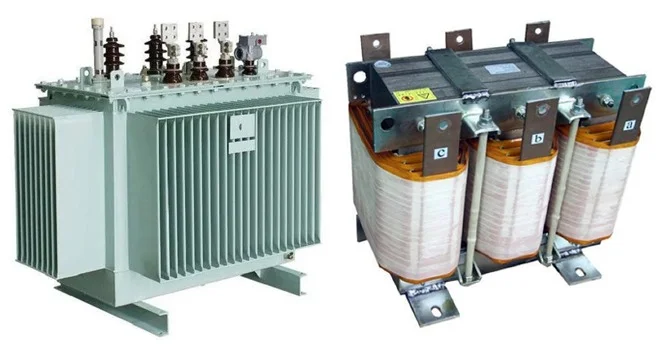
Copper’s lower electrical resistance means it naturally produces less heat during operation. This not only improves efficiency but also reduces power losses—especially important in high-load or continuous-duty transformers.
Aluminum, with its higher resistance, tends to generate more heat under the same current load. It also expands more when heated, which can impact the mechanical stability of the windings and connections over time.
While both materials can be designed to manage heat, copper typically handles thermal stress better, leading to improved performance and longer service life.
Durability & Lifespan

Copper windings have a long-standing reputation for durability, especially in harsh or high-demand environments. Their mechanical strength and thermal stability mean they’re less likely to degrade over time, even under extreme conditions.
Aluminum windings, while more sensitive to stress and temperature, can still deliver excellent performance if properly designed. With the right engineering—like reinforced connections and thermal management—aluminum transformers can last just as long as their copper counterparts in many applications.
Ultimately, both materials are durable. It’s about how the transformer is built and where it’s used.
When to Choose Copper or Aluminum
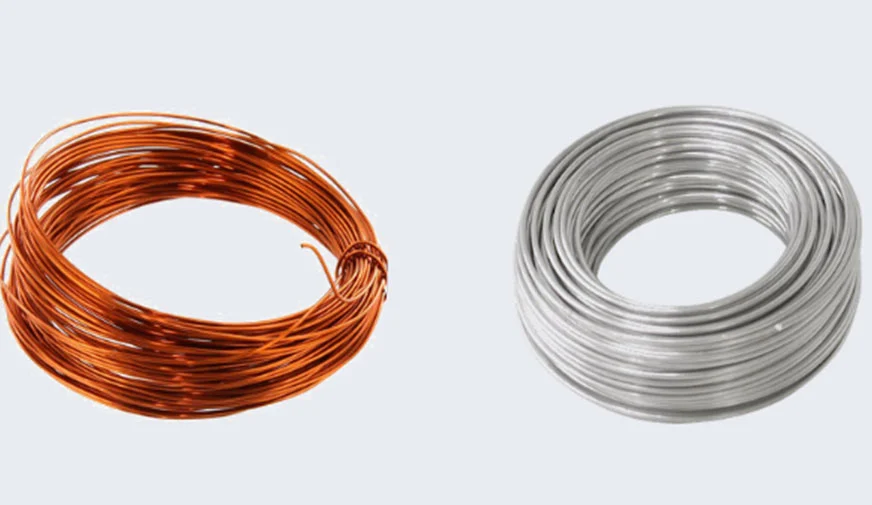
Choosing the right winding material depends on your transformer’s purpose.
Go with copper when you need compact size, top efficiency, and high durability—especially in harsh environments or critical infrastructure where long life and low maintenance matter.
Aluminum is a smart choice for large, dry-type transformers where cost, weight, and size flexibility are more important than peak efficiency. It’s widely used in utility and commercial systems.
Conclusion
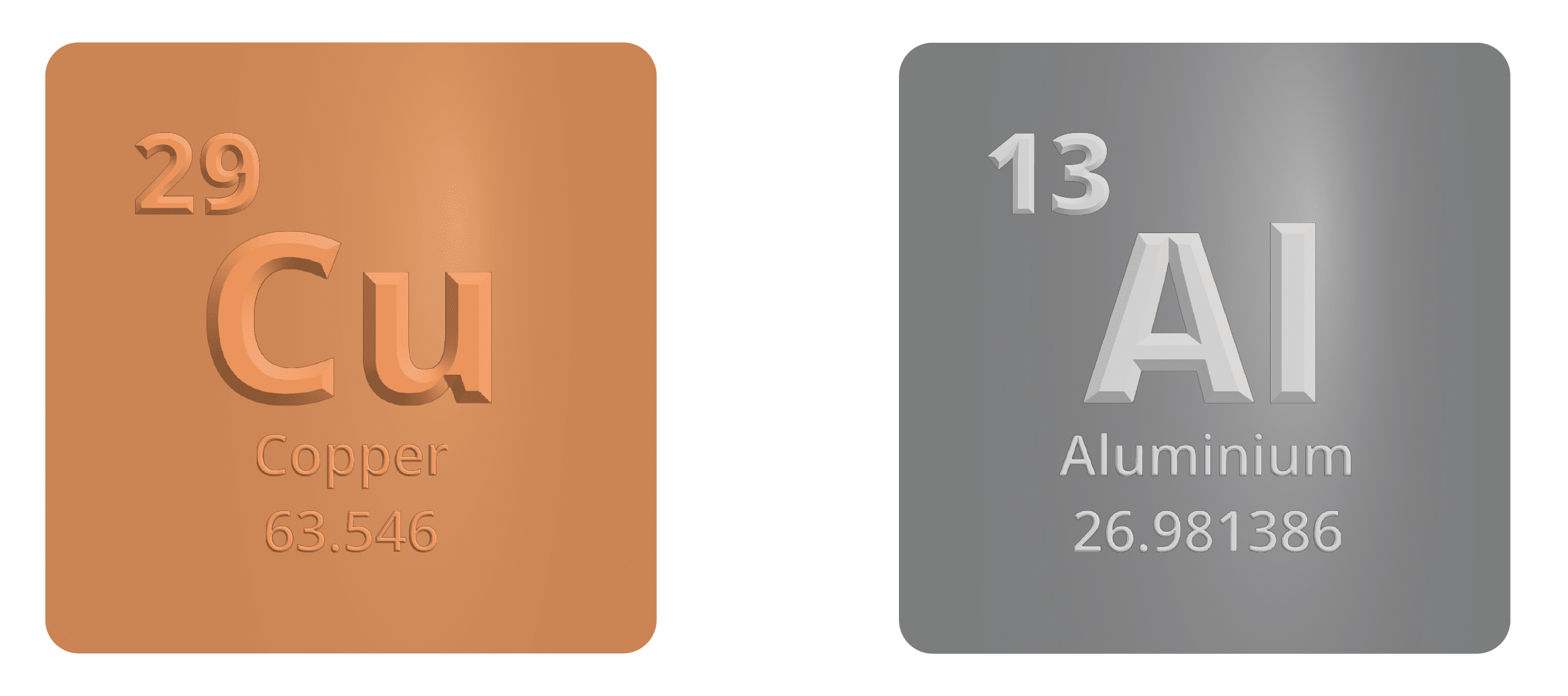
Choosing between copper and aluminum windings comes down to performance needs, space constraints, and budget. Each material offers unique benefits—copper for durability and efficiency, aluminum for cost and weight savings.
Need help picking the right winding material for your transformer project? Contact our team for expert advice, custom solutions, or to explore copper, aluminum.
FAQs
1. Which transformer winding material is safer—copper or aluminum?
Both are safe when engineered correctly. Copper has stronger mechanical properties and less expansion, reducing connection failure risk. Aluminum requires proper terminals and maintenance for safety.
2. Are aluminum transformers less efficient than copper ones?
Slightly, yes. Aluminum has higher resistance, leading to more heat and minor energy losses. But with good design, aluminum transformers can still meet efficiency standards.
3. Do copper windings make transformers last longer?
Generally, yes. Copper’s durability and lower thermal expansion reduce stress on joints and insulation over time, contributing to longer operational life.
 English
  Spanish
  Russian
  Italian
  German
  Chinese