


Generator coils play a crucial role in converting mechanical energy into electrical energy using electromagnetic induction.
They are essential in power plants, industrial machinery, and renewable energy systems, ensuring efficient electricity generation for various applications.

Understanding how they work helps optimize performance and sustainability.
What Is a Generator Coil?

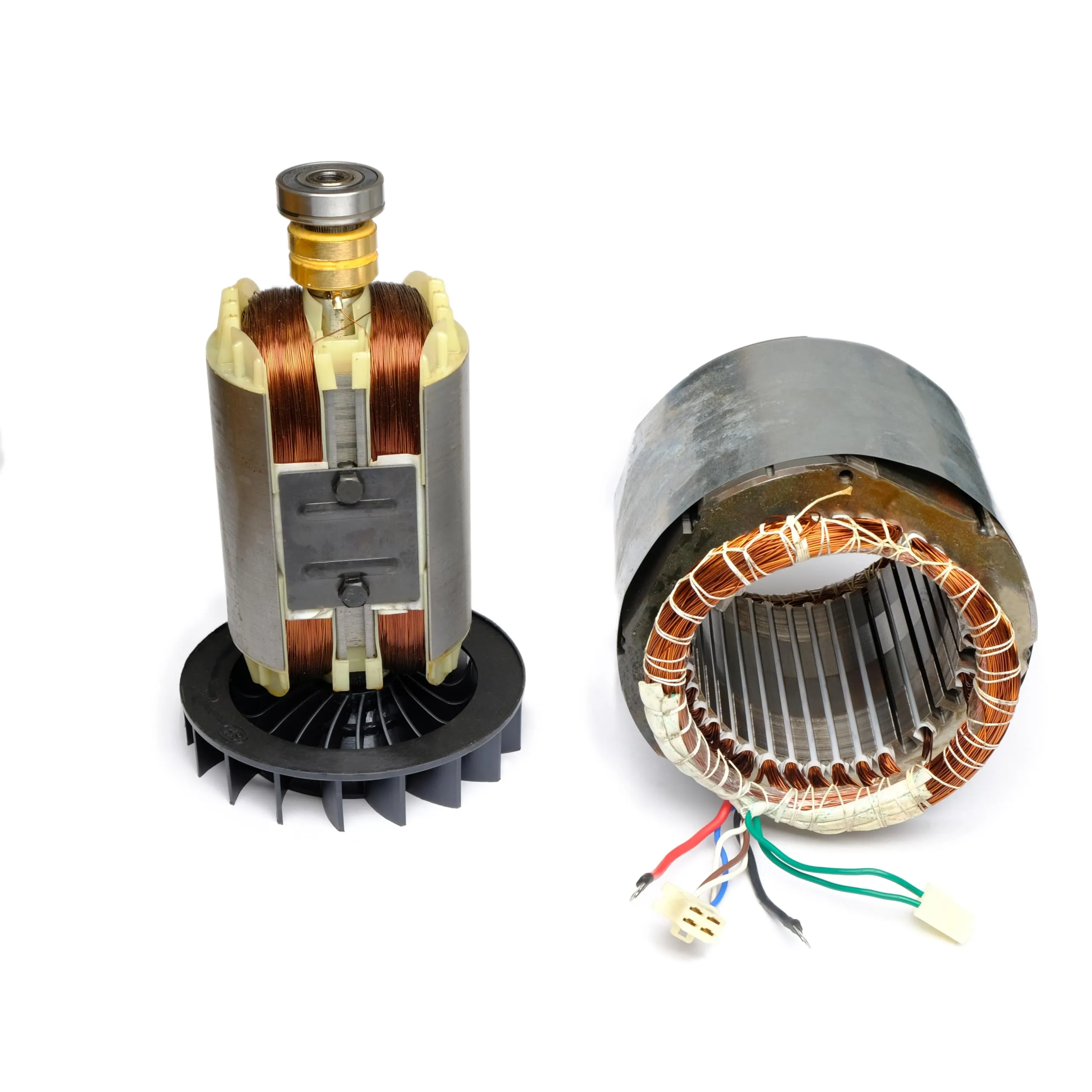
A generator coil is a wire winding wrapped around a magnetic core, designed to generate electricity through electromagnetic induction.
It converts rotational motion into electric current, using copper wire, a laminated iron or steel core, and insulation materials.
Unlike field coils, which create a magnetic field, generator coils produce electrical output by interacting with a moving magnetic field.
How Generator Coils Work
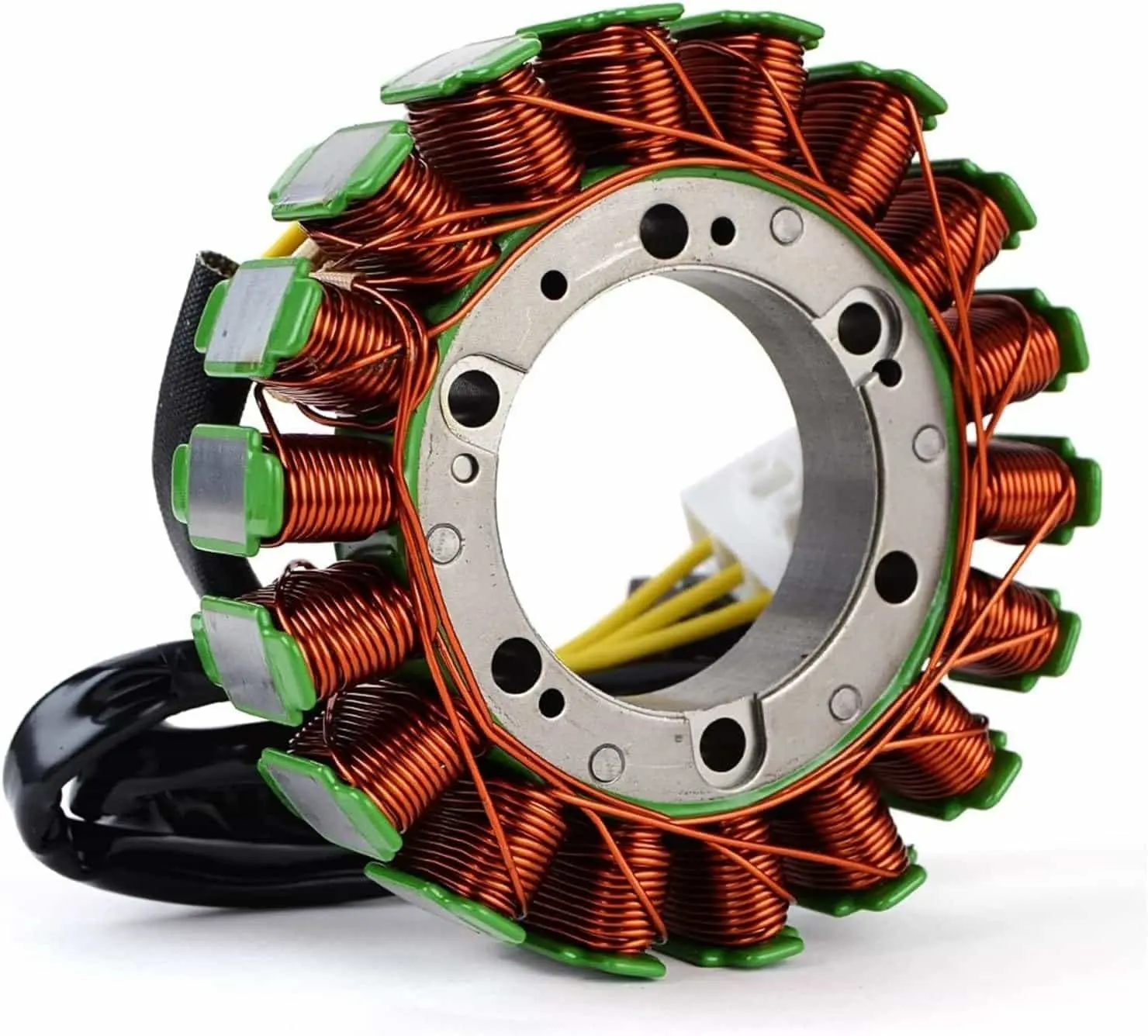
Generator coils operate based on electromagnetic induction, where a changing magnetic field induces voltage in the coil.
The rotor moves within the generator, cutting through magnetic flux lines, while the stator remains stationary, holding the coils that capture the induced current.
The number of coil turns and wire gauge influence voltage output—more turns increase voltage, while thicker wires handle higher currents.
Generator coils can be single-phase, producing a single alternating voltage cycle, or three-phase, generating three voltage cycles for smoother and more efficient power output.
Construction and Materials of Generator Coils
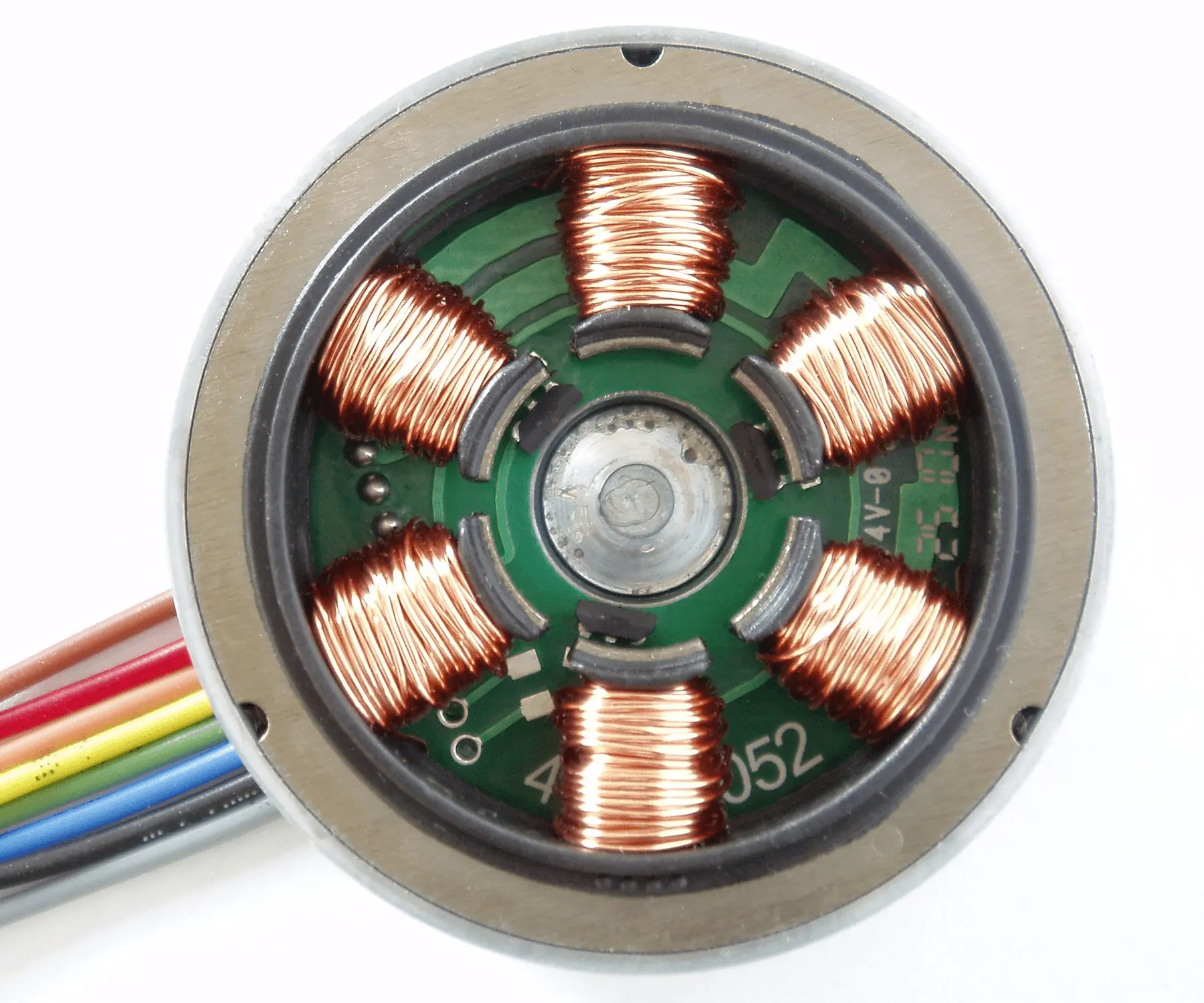
The coil winding process involves wrapping copper wire in loops around a magnetic core to enhance electrical generation.
Copper is preferred for its low resistance and high conductivity, while iron or steel cores help strengthen the magnetic field.
Insulation layers protect the wires, preventing short circuits and reducing energy loss.
The shape of the coil and its winding pattern significantly impact generator efficiency, affecting how effectively it captures and converts mechanical energy into electrical power.
Applications of Generator Coils
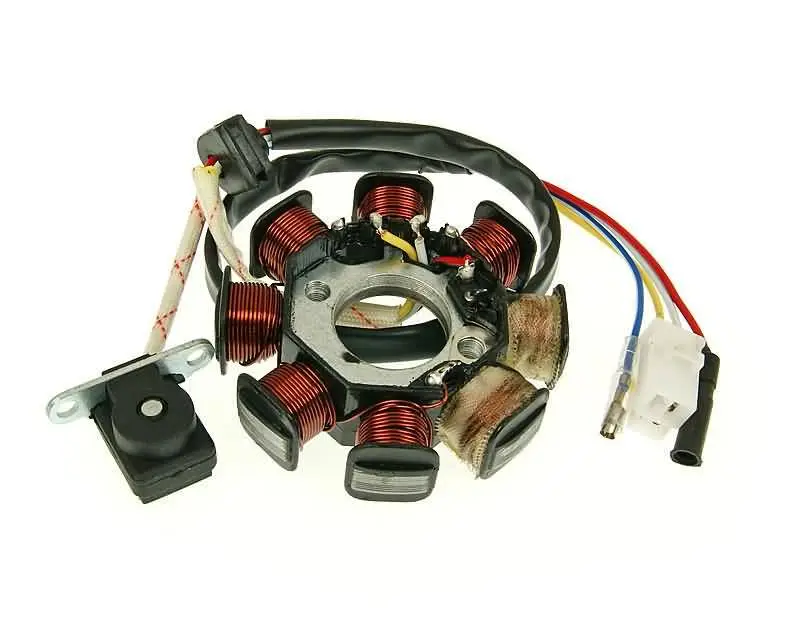
Generator coils play a vital role in converting mechanical energy into electrical power across various industries.
Their versatility makes them essential for power generation, industrial use, and backup systems.
- Power Plants: Found in hydro, thermal, nuclear, and wind power stations to generate electricity.
- Industrial Machinery: Used in heavy-duty motors and alternators for manufacturing and processing equipment.
- Renewable Energy Systems: Essential in wind turbines and hydroelectric generators for sustainable power production.
- Emergency Backup Generators: Provide reliable power in homes, hospitals, and businesses during outages.
- Automotive Applications: Used in vehicle alternators to generate electricity and charge batteries.
Maintenance and Efficiency of Generator Coils
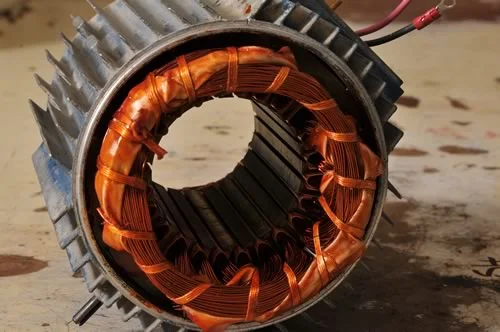
To ensure generator coils operate efficiently and last longer, regular maintenance is crucial. Here are some key preventive maintenance tips:
- Regular Cleaning: Remove dust, debris, and contaminants to prevent overheating.
- Insulation Checks: Inspect for wear, cracks, or breakdowns to avoid electrical faults.
- Thermal Monitoring: Use infrared thermography to detect overheating early.
- Tightening Connections: Ensure all electrical connections are secure to prevent power loss.
- Proper Ventilation: Keep airflow unobstructed to prevent excess heat buildup.
- Lubrication of Moving Parts: Reduce friction and wear in associated components.
Conclusion
Generator coils are the heart of electricity generation, converting mechanical energy into electrical power.
High-quality materials and precise design enhance efficiency and longevity. Proper maintenance ensures optimal performance, making them vital in power generation systems.
If you need expert guidance on generator coils or custom solutions, contact us today for professional assistance!
FAQs
What is the purpose of the coil?
A coil in an electric circuit generates a magnetic field or provides electrical resistance and inductance. It is used in transformers, motors, and inductors to regulate current and voltage flow.
What does a power coil do?
A power coil stores and transfers energy through electromagnetic induction. It is commonly used in transformers and inductors to step up or step down voltage and filter electrical noise.
How does a generator ignition coil work?
An ignition coil converts low-voltage current from a battery into high-voltage current needed to ignite the fuel-air mixture in an engine. It operates using electromagnetic induction, generating a spark when the distributor points open.
 English
  Spanish
  Russian
  Italian
  German
  Chinese