


Winding is a foundational process used across various industries—from electric motors and transformers to textiles and electronics. It involves wrapping a wire, yarn, or filament around a core or bobbin in a specific pattern. Why is it so important? Because winding plays a key role in energy conversion, ensures consistent product quality, and improves manufacturing efficiency.
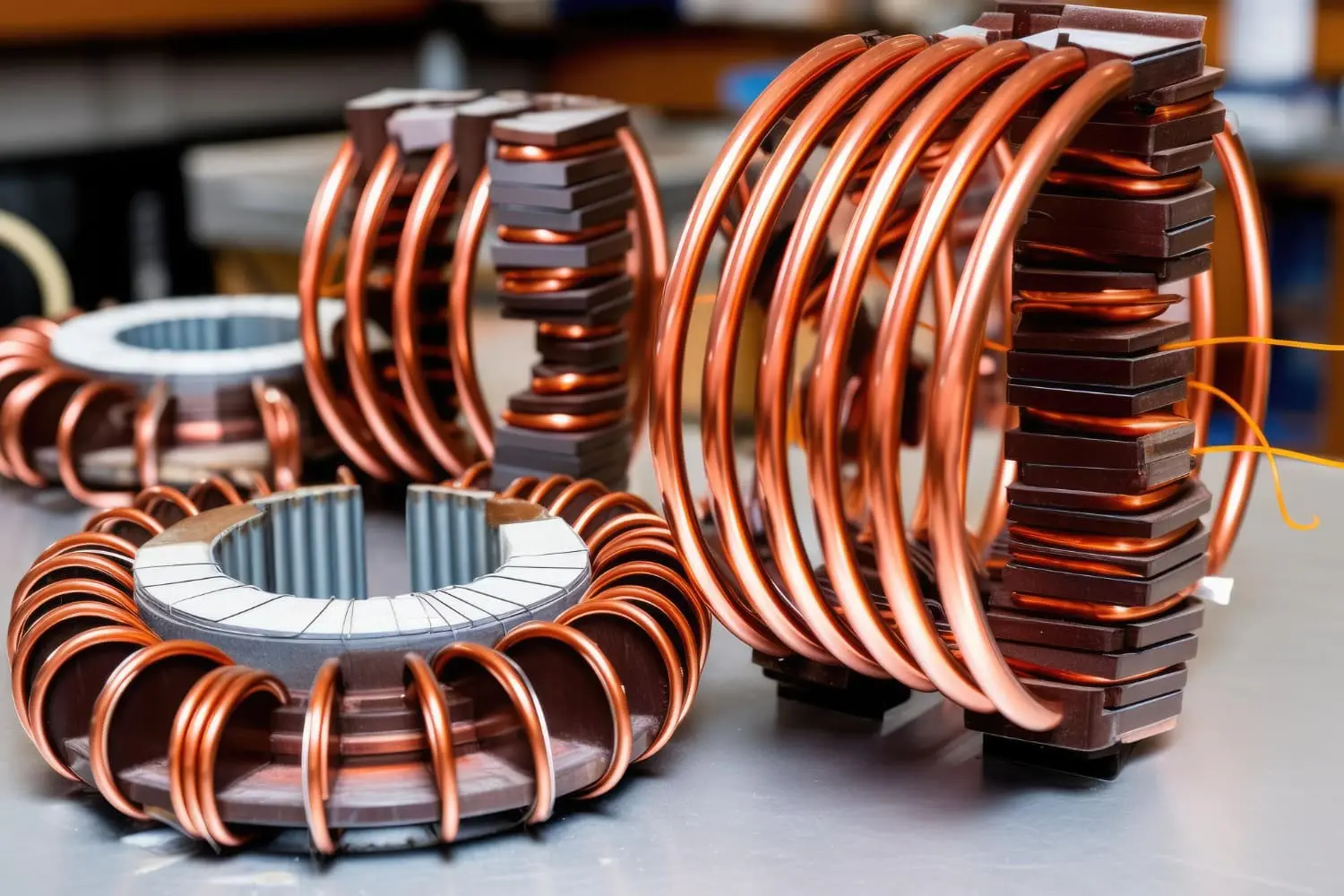
Whether you’re powering a motor, producing inductors, or making fabrics, the winding process directly affects performance, durability, and overall functionality of the final product. In short, winding helps keep modern machines and systems running smoothly.
What Is Winding?
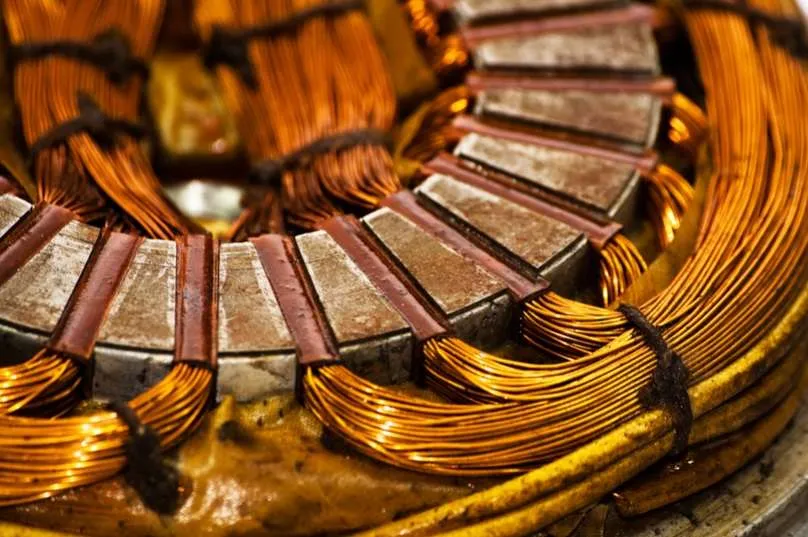
Winding is the process of coiling materials like wire, yarn, or even metal strips onto a core, spool, or bobbin. This simple yet vital process forms the backbone of many applications—from electric motors and transformers to textile looms and coils.
By arranging materials in a precise, repeatable pattern, winding enables efficient energy transfer, improved mechanical balance, and automation in mass production. Whether it’s wrapping copper wire in a motor or winding thread in a factory, this step ensures both performance and reliability in a wide range of industrial and commercial products.
Function of Winding in Electric Motors
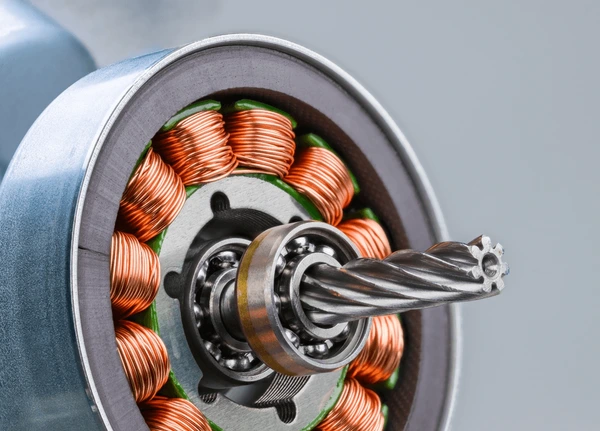
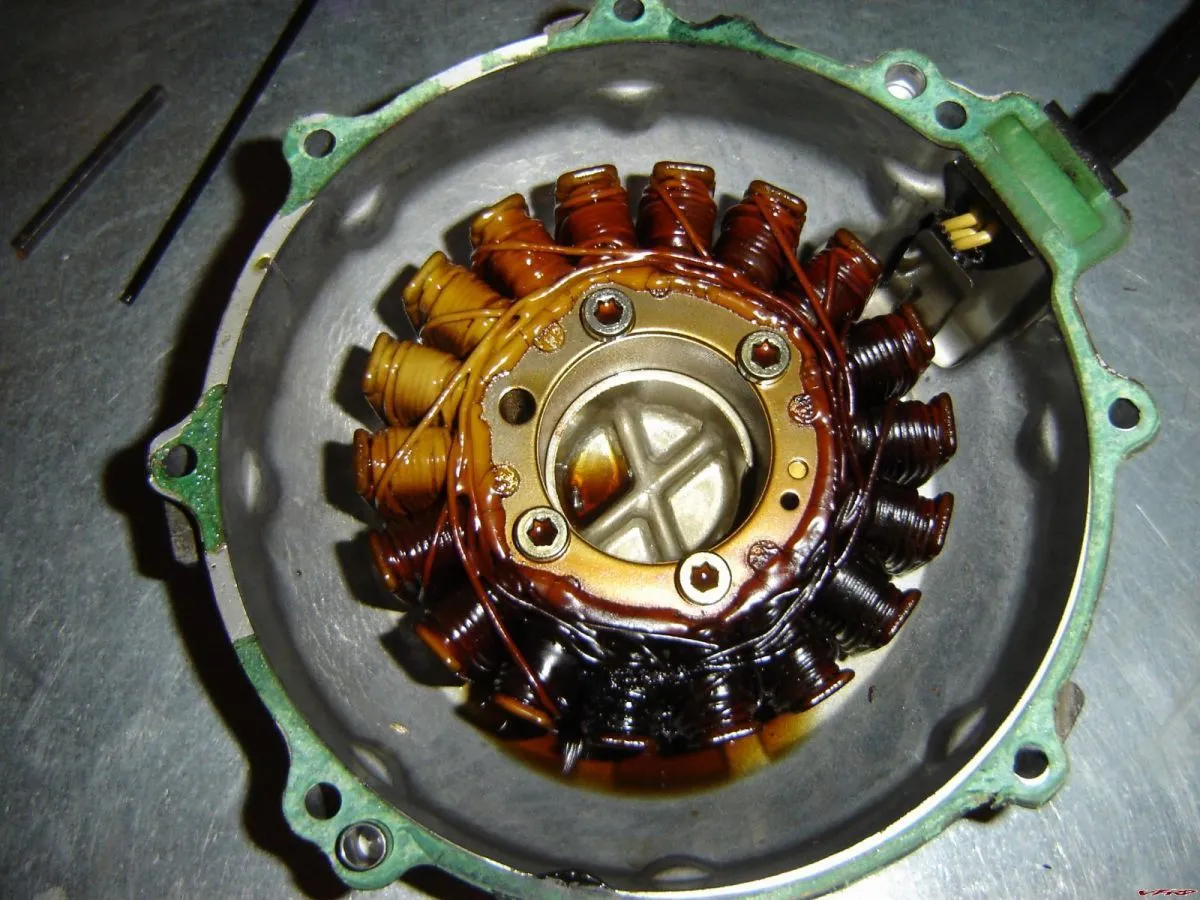
Winding is central to how electric motors and generators work. It handles energy conversion—turning electrical energy into mechanical motion (motors) or the reverse (generators).
It also creates the electromagnetic field that generates torque, enabling movement. Efficient winding design improves heat dissipation, boosts performance, and reduces energy loss.
Winding types include:
Stator winding: Stationary, creates a rotating magnetic field
Rotor winding: Rotates, interacts with the stator field
Armature winding: Carries working current, site of EMF
Field winding: Generates the main magnetic field
These functions power motors, generators, EVs, and industrial machines.
Winding in Coil & Transformer Manufacturing

In coil and transformer manufacturing, winding is central to creating inductance, which allows magnetic fields to form and store energy. This function is essential for voltage transformation, letting transformers step voltage up or down based on need.
The winding must fit the core geometry—different designs apply for toroidal, E-core, or bobbin cores depending on the electrical and thermal requirements. Precision is key.
Common winding types include:
Layer winding: Neatly stacked layers, ideal for low-frequency applications.
Progressive winding: Continuously wound to reduce sharp edges.
Honeycomb winding: Reduces parasitic capacitance, often used in RF coils.
Since these coils operate in high-sensitivity systems, winding quality directly impacts performance. Accurate turns, consistent tension, and proper insulation ensure the transformer delivers stable and safe output. Even a slight defect in winding can lead to failure or inefficiency in the final product.
Winding Machine Functions & Components
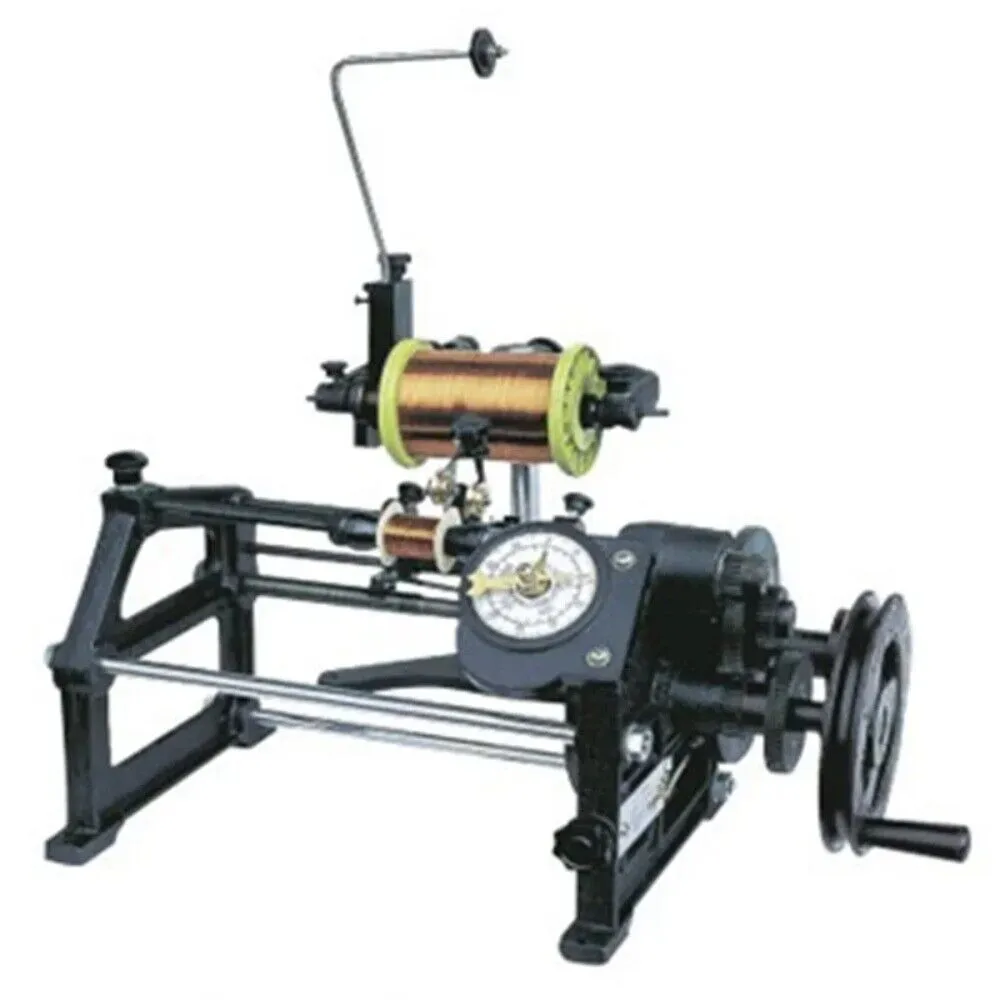
Modern winding machines are designed to automate the coiling process with precision and consistency. Whether working with wire, yarn, or fine metal, these machines help maintain accurate tension, reduce defects, and boost productivity.
Let’s break down the key components that make this possible:
Wire Tensioner: Keeps the wire taut, preventing slack or stretch that could ruin winding quality.
Wire Guide: Directs the wire neatly onto the core for uniform placement.
Core Holder: Holds the bobbin or core in place, preventing unwanted movement.
Winding Head: Feeds the wire from spools and determines the winding speed and direction.
Programmable Controller: Stores preset parameters like speed, number of turns, and tension for consistent results.
Safety Systems: Includes emergency stop buttons, interlocks, and sensors to protect operators and equipment.
Together, these elements ensure fast, repeatable, and scalable winding operations. Whether you’re manufacturing coils for transformers or yarn packages for weaving, using the right winding machine helps you optimize production efficiency and reduce waste.
FAQs About the Function of Winding
1. What’s the difference between stator and rotor winding?
Stator winding stays stationary and creates a rotating magnetic field. Rotor winding moves and interacts with that field to produce motion.
2. How does winding affect transformer performance?
It shapes inductance and magnetic fields, directly impacting voltage regulation and power efficiency in step-up or step-down transformers.
3. What is precision vs. non-precision winding?
Precision winding packs coils tightly and uniformly—ideal for space-saving. Non-precision winding is looser but offers easier unwinding.
Conclusion
Winding plays a vital role in shaping the performance of motors, transformers, textile systems, and more. From enabling energy conversion to improving production efficiency, its functions span multiple industries and applications.
Whether you’re upgrading systems or exploring automation, understanding winding functions is key. Need expert guidance or solutions? Contact us today to optimize your winding processes.
 English
  Spanish
  Russian
  Italian
  German
  Chinese