


If you’ve ever opened up a washing machine and spotted a copper wire wrapped into a neat coil, you’ve probably seen an inductor.
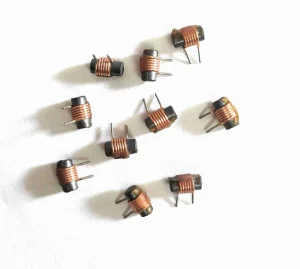
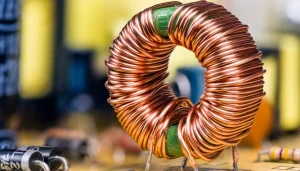
An inductor is a passive electrical component—usually a coil of copper wire—that stores energy in the form of a magnetic field. When electric current flows through the coil, it creates this field. If the current suddenly tries to change, the magnetic field pushes back, resisting that change. This makes inductors great for smoothing out power and reducing electrical noise.
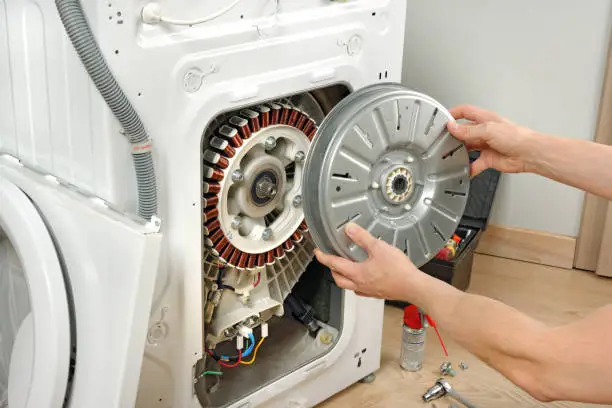
In simpler terms:
It stores energy like a spring, but for electricity.
It resists sudden changes, making circuits more stable.
In washing machines, these coils aren’t just there for show. They help motors run smoothly, reduce interference with other electronics, and extend the life of the machine by preventing power spikes.
Next, let’s explore why these humble coils are especially important inside your washing machine motor.
Why Inductor Windings Appear in Washing Machines
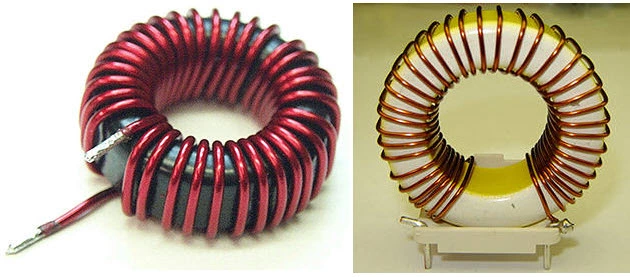
Inductor windings play a quiet but important role in washing machines. Their main job? Reducing electrical noise.
When a washing machine motor runs, it can create high-frequency signals—also called radio frequency (RF) interference. These signals can travel through wires and affect nearby electronics like TVs, Wi-Fi routers, or even the machine’s own sensors.
Inductors act like filters. By resisting sudden current changes, they block unwanted noise from spreading through the power lines. This keeps the washing machine stable and ensures it doesn’t interfere with other devices in your home.
In short:
Inductor windings suppress RF noise
They protect both the machine and nearby electronics
Up next, let’s look at how these windings are actually built and placed inside the washing machine.
Motor Types and Winding Context

Washing machines today use two main types of motors—universal motors and direct-drive BLDC motors—and both rely on smart winding design to work smoothly.
1. Universal Motors
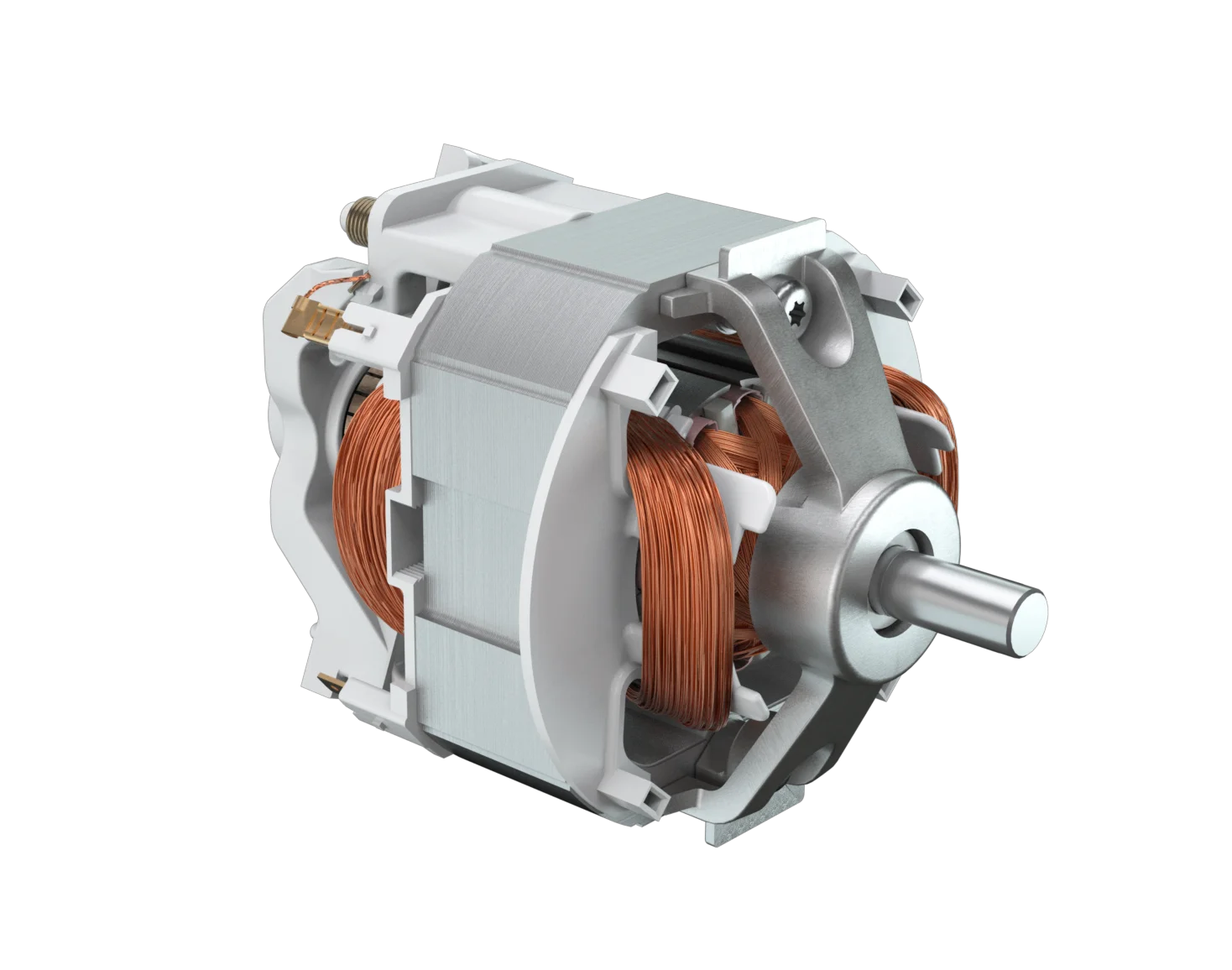
These are traditional motors found in older or budget-friendly machines. They run on both AC and DC and can spin really fast. Their coil windings are placed on both the stator (stationary part) and the rotor (spinning part).
Why windings matter: Better winding improves speed control and torque, helping the motor spin the drum effectively through wash and spin cycles.
2. BLDC Motors (Brushless DC)

Modern front-load washers often use BLDC motors. These are direct-drive, meaning they attach straight to the drum—no belts needed. Instead of mechanical brushes, they use electronic control and stator windings.
Why windings matter: Precise winding patterns ensure smoother operation, better energy efficiency, and quieter performance.
Winding Context
Whether it’s a universal motor or a BLDC design, coil winding defines the motor’s strength, noise level, and energy use. From how tightly the wire is wound to the number of turns—it all affects how the motor behaves.
In short:
Good winding = better washing power and quieter machines
Motor type determines how and where the coils are wound
Next, let’s dive into how those coil windings are actually structured inside washing machines.
How Winding Design Impacts Motor Functionality

The way a coil is wound in a washing machine motor makes a big difference. It affects how strong, efficient, and quiet the motor runs. Here’s what matters most:
Turn Count
More turns of wire mean higher inductance. This helps the motor build stronger magnetic fields, which improves power and speed control.Core Material
The coil wraps around a magnetic core—often made of iron or ferrite. Better core materials reduce energy loss and improve performance.Winding Technique
Whether the winding is tight, evenly spaced, or layered affects both airflow and electrical resistance. Good winding keeps heat low and boosts efficiency.Noise Reduction
Smart winding design can reduce buzzing or vibration by keeping the magnetic field smooth and balanced—leading to a quieter laundry cycle.Energy Efficiency
Efficient winding uses less power to do the same work. That means lower energy bills and less wear on the motor over time.
A well-wound inductor or motor coil can be the difference between a noisy, power-hungry machine and a smooth, silent workhorse.
Modern Manufacturing Techniques for Winding

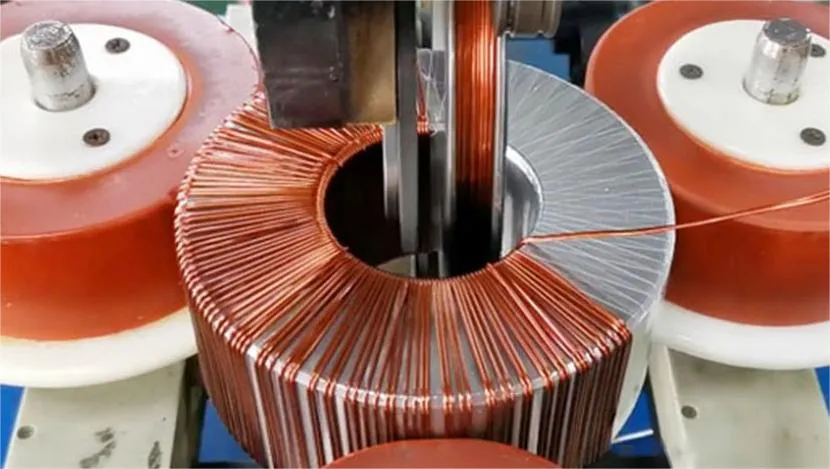
Today’s washing machine coils are made with speed and precision using automated winding machines. These high-tech tools—like multi-head and vertical winders—can wrap wire quickly and evenly around the core. To keep the coils neat and secure, manufacturers use adhesives, bindings, or tape during or after winding. This improves accuracy, reduces vibration, and helps machines last longer. Plus, automation means every unit comes out consistent—great for quality and energy savings.
Maintenance & Troubleshooting Tips

Winding problems can sneak up quietly—but your washing machine might give you clues. Strange buzzing, uneven spinning, or weak motor power could mean the inductor winding is damaged or loose.
To check, look for burn marks, loose wires, or a hot motor housing after a cycle. In many cases, the winding can be tested with a multimeter to check continuity.
Remember, these windings help reduce electrical noise and support stable motor performance. Keeping them clean, dry, and securely mounted goes a long way in preventing failures.
If in doubt, it’s best to consult a technician—ignoring small signs can lead to full motor failure later on.
Conclusion
Inductor windings play a small but powerful role in washing machine motors. They help reduce electrical noise, boost energy efficiency, and extend the motor’s lifespan. By understanding how they work and keeping an eye out for issues, you can help your washer run smoothly for years.
Have questions or need help sourcing or servicing motor components? Contact us today—we’re here to support your next repair or upgrade with expert guidance and quality solutions.
FAQs
Does a washing machine use an induction motor?
Yes — most washing machines use induction motors, especially single-phase types. They’re favored for being reliable, efficient, and low-maintenance, making them ideal for heavy-duty, repeated us.
How to wind an inductor coil?
A simple method is to wrap insulated wire around a form (like a drill bit), keeping turns tight and evenly spaced. You can then tin or secure the ends for connections. An advanced tip: winding in a single direction (not forward then back) can slightly reduce self-capacitance and raise resonant frequency.
How does a washing machine work electrically?
Washing machines are built on electrically driven components: the motor spins and agitates the drum, valves control water flow, the pump drains water, and heating elements adjust temperature—all coordinated by electronic controls.

 English
  Spanish
  Russian
  Italian
  German
  Chinese
One Response
I wanted to take a moment to commend you on the outstanding quality of your blog. Your dedication to excellence is evident in every aspect of your writing. Truly impressive!