


When it comes to how generators produce electricity, winding plays a central role. It involves wrapping conductive wire—usually copper or aluminum—around key components like the stator and rotor to create electromagnetic fields.

These fields are what convert mechanical motion into electrical energy. But it’s not just about making power—proper winding also affects a generator’s performance, durability, and energy efficiency.
Whether you’re dealing with a backup generator or industrial power system, understanding how winding is done can help you get the most out of your equipment.
What Is Generator Winding?

Generator winding involves wrapping insulated copper or aluminum wire around the stator and rotor to create electromagnetic fields.
These fields convert mechanical energy into electrical energy through interaction between the rotating rotor and stationary stator.
The choice of material impacts the generator’s efficiency, weight, and overall performance.
Stator Winding Process

The stator winding is where the magic begins in any generator—it’s responsible for creating the electromagnetic field that generates electricity. Let’s walk through how it’s done step by step.
1. Preparing the Stator Core
Before winding begins, the stator core must be carefully prepared. It’s typically made of laminated iron sheets stacked together to reduce eddy current loss, which helps improve efficiency.
The core is placed in a special fixture, and its slots—grooves that will hold the wire—are inspected to ensure they’re clean, uniform, and ready for winding.
2. Winding Methods: Lap vs. Wave

Depending on the generator’s design, different winding patterns are used:
Lap winding overlaps the coils and is great for stable voltage and high power applications.
Wave winding follows a wave-like path, reducing losses and improving efficiency in high-voltage systems.
Choosing the right method depends on the output requirements and design goals.
3. Conductor Winding Procedure
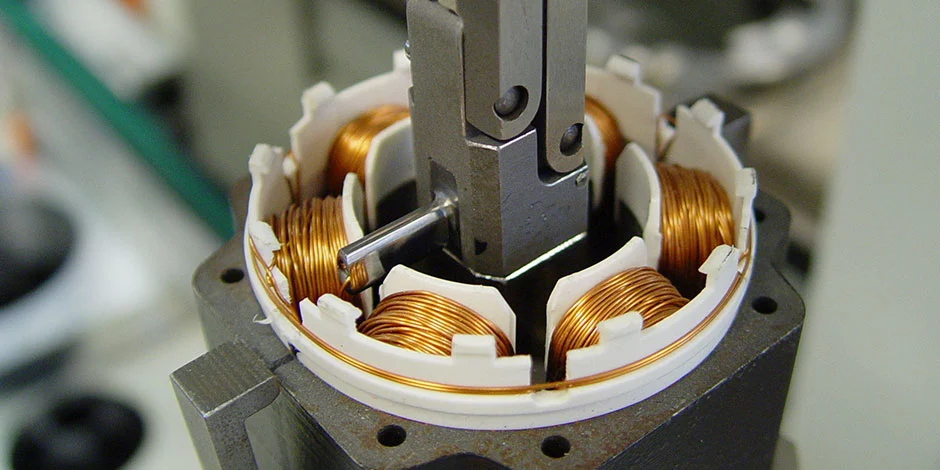
Next comes the actual winding. Copper or aluminum wire is placed into the stator slots using either manual techniques or automated machines.
The wire is wound in precise loops—called turns—and spaced evenly to ensure balanced performance. Any inconsistency in this process can cause electrical imbalance or energy loss, so accuracy is key.
4. Insulation Techniques

Insulation is what keeps the winding safe and long-lasting. Each wire is coated with insulating varnish, resin, or tape to protect against short circuits, moisture, and heat damage. After winding, the entire assembly may be dipped in varnish again to seal and reinforce the insulation.
5. Key Winding Parameters
Several factors influence how well the stator performs:
Pitch: The distance between coil sides—affects voltage smoothness.
Turns: More turns = higher voltage output.
Conductor size: Larger wires carry more current and improve efficiency.
All these choices are made based on the generator’s size, speed, and desired output.
Rotor Winding Process

While the stator stays still, the rotor spins at the heart of the generator—creating the rotating magnetic field needed to induce electricity.
Getting the rotor winding right is just as important for smooth, efficient power output.
1. Rotor Types: Salient Pole vs. Cylindrical
Not all rotors are built the same. There are two common designs:
Salient pole rotors have large, protruding poles where the winding is done. They’re perfect for low-speed, high-torque generators like those in hydro plants.
Cylindrical rotors have smooth surfaces with slots for the wire and are used in high-speed generators, such as in thermal power plants.
Each type has its strengths depending on the generator’s application.
2. Rotor Winding Steps

The process begins with cleaning and preparing the rotor core. For salient poles, the wire is wound directly around each pole. For cylindrical rotors, wires are placed into slots along the rotor’s circumference.
Once wound, the coil ends are connected to slip rings or a brushless exciter, depending on the generator design. The final step is balancing the rotor to reduce vibration and ensure stable rotation.
3. Rotor Insulation & Quality Checks
Just like the stator, insulation is critical here. Wires are coated in varnish or resin and insulated within their slots to prevent wear and electrical breakdown.
Before assembly is complete, tests like insulation resistance, continuity, and impedance checks are performed to confirm that everything meets safety and performance standards.
How Stator and Rotor Work Together
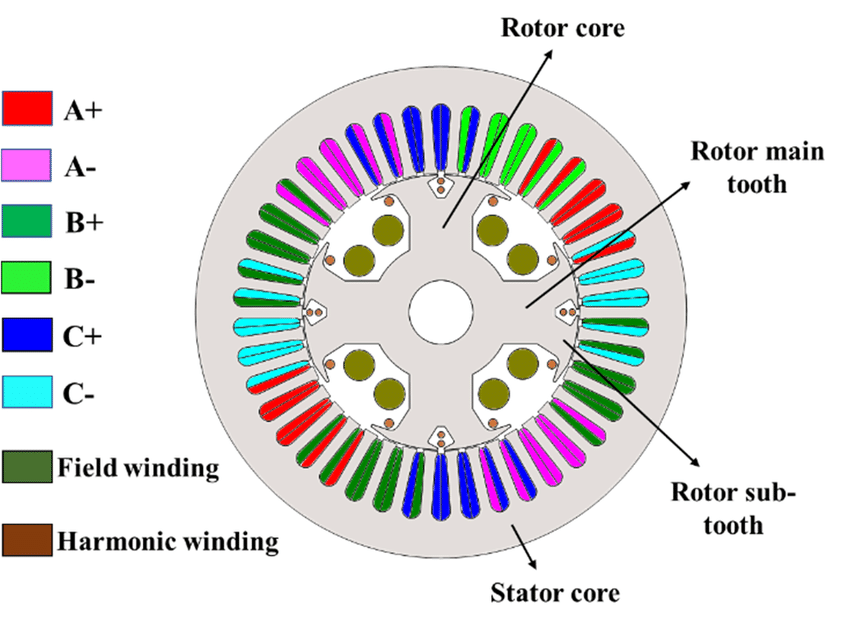
The rotor spins to create a magnetic field, which moves across the stator windings. This interaction generates an electric current through electromagnetic induction, converting mechanical energy into usable electrical power. Simply put, the rotor creates the field, and the stator captures the electricity.
Electrical Connection Configurations

How the windings are connected affects the generator’s output.
Series vs. Parallel: Series connections deliver higher voltage but lower current—best for DC systems.
Parallel connections provide higher current with stable output, ideal for most AC generators.
- Brushes and Slip Rings: Some systems use brushes and slip rings to maintain current flow between rotor and stator. Brushless designs use exciters instead, reducing wear and maintenance.
FAQs about Generator Windings
1. How do you tell if generator windings are bad?
Use a multimeter to check for short circuits, open windings, or ground faults. Infinite resistance or zero continuity often indicates damage or insulation failure.
2. What’s the difference between stator and rotor winding?
Stator windings are stationary and produce the output current. Rotor windings rotate and generate the magnetic field needed for induction.
3. Can aluminum be used instead of copper?
Yes, aluminum is lighter and cheaper but less conductive than copper. It’s used where cost or weight savings are more important than maximum efficiency.

 English
  Spanish
  Russian
  Italian
  German
  Chinese