


When it comes to coil winding machines, knowing the components inside and out makes all the difference. Each part—whether it’s the spindle, tensioner, or control panel—plays a role in how precise, efficient, and reliable the winding process will be. Without understanding these pieces, it’s easy to overlook performance factors or miss signs of wear that could impact production quality.
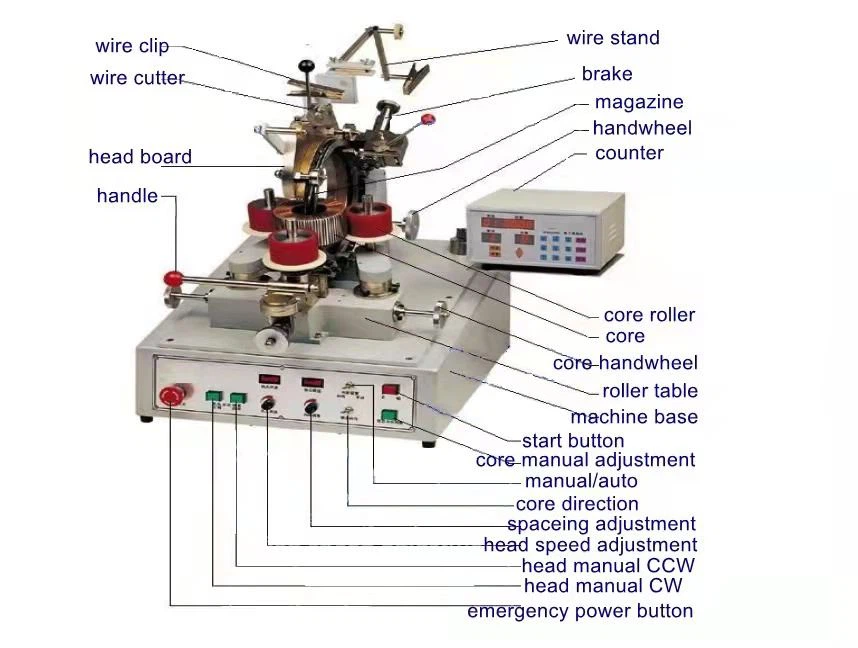
The goal of this guide is simple: to break down the essential components of a coil winding machine in clear, practical terms. By the end, you’ll be able to evaluate machines with confidence, spot what really matters for precision and durability, and know how each part contributes to long-term maintenance and performance.
Key Coil Winding Machine Parts
1. Frame, Base & Structural Components
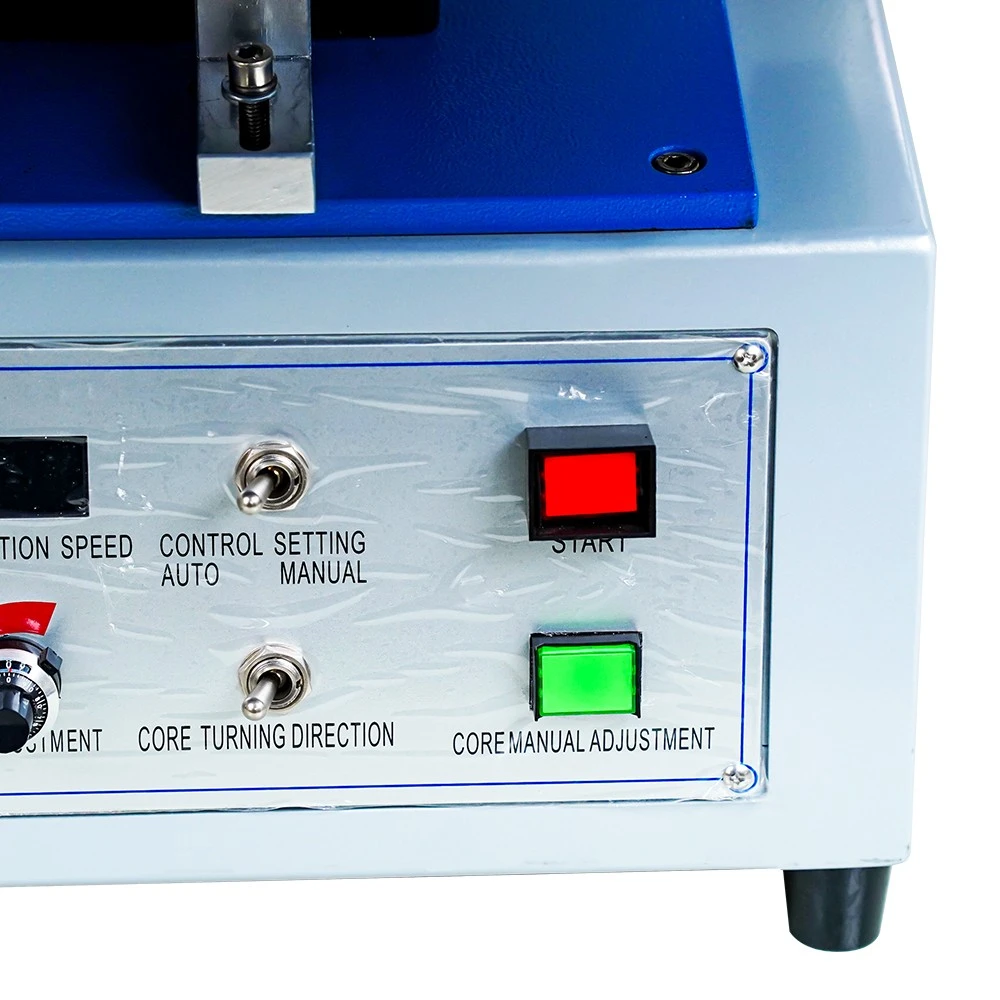
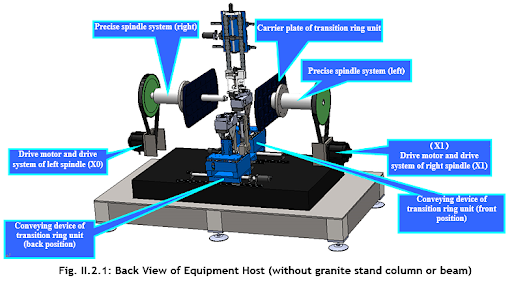
The frame and base form the backbone of a coil winding machine. A rigid, stable structure minimizes vibration, which is crucial for maintaining coil accuracy. Even slight shaking can throw off winding patterns, leading to uneven tension or loose turns. High-quality machines use heavy-duty materials and precision engineering to ensure stability, helping operators achieve consistent results across long production runs.
2. Spindle & Core Holding Mechanism
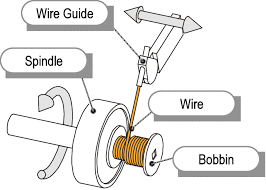
At the heart of the winding process is the spindle assembly, which rotates the bobbin or core. Its speed and torque directly affect winding consistency. A well-designed core holder ensures the coil stays firmly in place without slippage, even at high speeds. Precision bearings and balanced spindles reduce noise, vibration, and wear, while allowing smooth transitions between slow startup and high-speed winding.
3. Wire Feed & Tensioning System

The wire feed mechanism guides the conductor from the spool to the winding point. For reliable winding, it must keep the wire flow smooth and free from snags. Coupled with this is the tensioning system, which keeps the wire taut throughout the process. Proper tension prevents wire breaks, avoids overlapping turns, and ensures the coil has the right compactness. Adjustable or programmable tensioners are especially valuable when working with wires of varying thicknesses and materials.
4. Wire Guide, Park Pin & Contact Post
The wire guide nozzle ensures that the conductor is accurately placed on the coil. Because the wire is delicate, guides are usually made of polished ceramic or hardened steel to minimize friction and damage. The park pin holds the wire securely at the start and end of a winding cycle, making setup faster and reducing errors. Meanwhile, the contact post provides a stable anchor point for the wire before and after winding, preventing misalignment and keeping the process controlled from start to finish.
5. Winding Head / Traverse Unit
The winding head or traverse unit is what moves the wire evenly across the bobbin during winding. Its job is to guide the wire back and forth with high accuracy, creating neat, layered coils. Precision here directly impacts the fill factor (how tightly the coil is packed) and the final geometry of the coil. If the traverse is misaligned or inaccurate, the coil may have overlaps, gaps, or uneven density, which can compromise both performance and durability.
6. Drive System & Control Interface

The drive system powers the entire process. It may use motors, gears, or CNC systems to regulate spindle speed, torque, and movement. A smooth, reliable drive system ensures coils can be wound consistently at different speeds, from delicate fine wire jobs to heavy-duty windings.
On the other side, the control interface lets operators take charge. Modern winding machines use intuitive software or touchscreen UIs to program winding patterns, adjust speeds, set tension levels, and even store multiple coil recipes. This combination of mechanical power and digital control gives flexibility and precision for both R&D and mass production.
7. Wire Cutter & End-of-Winding Mechanism
At the end of each winding cycle, the wire cutter takes over. It cleanly snips the conductor without damaging the coil or leaving rough edges that could snag. In many machines, the cutter is integrated with the park pin, so the wire is automatically secured after cutting. This reduces waste, improves operator safety, and makes transitions between coils quicker. By automating this step, downtime is minimized, and productivity gets a major boost.
9. Optional Quality-Boosting Extras
Modern coil winding machines often go beyond the basics with smart add-ons that boost quality, consistency, and traceability. These aren’t always standard, but they can make a huge difference for demanding industries like medical, aerospace, or EV energy storage.
Integrated Vision Systems – Built-in cameras and AI tools can check alignment in real time, spotting misfeeds, overlaps, or wire breaks before they turn into costly scrap.
Closed-Loop Tension Feedback – Advanced sensors constantly monitor and adjust wire tension. This ensures every turn is perfectly uniform, improving coil density and reliability.
Automatic Labeling & Logging – Modules that print labels or digitally log winding parameters create a full traceability record. This is critical for compliance-heavy sectors, giving proof of quality and consistency.
By adding these extras, manufacturers not only improve coil quality but also gain better process control, fewer defects, and easier audits—a big plus for high-stakes production.
Maintenance Tips for Long-Term Precision

A coil winding machine is only as good as its upkeep. Regular maintenance not only extends the life of the equipment but also ensures coils remain consistent and accurate over time. Here are some simple but effective practices to follow:
Keep Guides and Nozzles Polished
Wire guides and nozzles can accumulate dust or develop micro-scratches. Keeping them clean and polished reduces friction, prevents wire damage, and supports smooth, even winding.Periodically Inspect Tensioners and Park Pins
Tension devices and park pins handle constant mechanical stress. Over time, springs weaken or surfaces wear out, leading to inconsistent tension or slippage. Routine checks and replacements prevent sudden breakdowns.Ensure Control Software Is Up to Date and Calibrated
Modern winding machines rely heavily on digital interfaces and stored winding patterns. Regular updates keep systems secure and efficient, while calibration ensures speed, torque, and tension settings match real-world output.
👉 With these simple habits, manufacturers can safeguard precision, reduce downtime, and maintain peak performance from their winding machines for years to come.
Ready to Upgrade Your Coil Winding Process?
Understanding the components and maintenance of a coil winding machine is only the first step. The real difference comes from working with the right partner who can match you with equipment that ensures precision, durability, and long-term value.
Whether you’re in R&D, pilot production, or high-volume manufacturing, we can help you find the winding machine that fits your exact needs—complete with quality support and technical guidance.
Contact us today to discuss your project and discover how the right coil winding machine can take your production to the next level.
FAQs
1. How does a coil winding machine work?
A coil winding machine wraps insulated wire tightly around a core (like a bobbin or form) to create electromagnetic coils. It controls wire feed, tension, and pattern using automated or manual components to ensure precise and repeatable winding.
2. What are the components of a coil in a circuit?
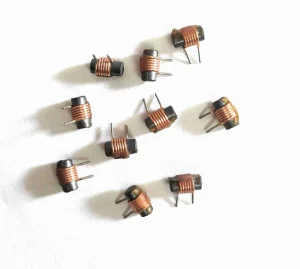
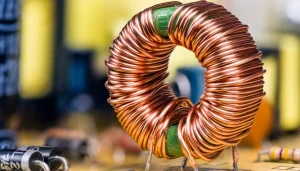
A coil typically consists of insulated conductive wire wrapped around a core—either ferromagnetic (like iron or ferrite) or air. The number of windings, coil shape, and core material influence inductance and coil behavior.
3. How to make a coil winding machine?
While specialized parts are ideal, hobbyists often create DIY winders using a motorized spindle, guide rollers, and a manual tension setup. These setups wrap wire evenly and can be built from basic materials like PVC, wood, or geared motors.
4. What are coil windings?
“Coil windings” refer to loops of insulated wire arranged in a spiral or helix. In electrical circuits, they form inductors or electromagnets, storing energy in a magnetic field or generating voltage in response to changing current.

 English
  Spanish
  Russian
  Italian
  German
  Chinese