


An electromagnet is a type of magnet powered by electricity, created by winding wire into a coil around a metal core.
The electric current flowing through the coil generates a magnetic field.

In this guide, we’ll walk you through the materials, steps, and best practices for winding your own coil—perfect for DIY projects, learning experiments, or prototyping.
What You’ll Need
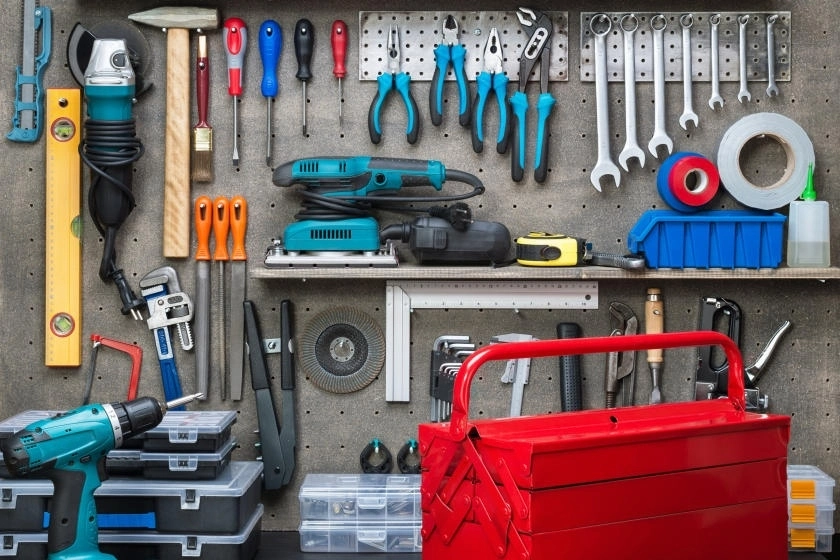
Before you start winding your coil, gather these essentials:
Magnet wire (enameled copper)
Ferromagnetic core like an iron nail, bolt, or steel rod
Power source such as a battery or DC power supply
Drill or hand winder (optional for faster winding)
Tape or glue to hold the coil in place
Multimeter to test continuity and resistance
How Electromagnetic Coils Work

When electric current flows through a coiled wire, it creates a magnetic field, and wrapping it into multiple loops strengthens that field.
Inserting a ferromagnetic core like iron further concentrates the field, making the electromagnet much more powerful—just like those used in solenoids, motors, and relays.
Step-by-Step Guide: How to Wind a Coil for an Electromagnet
Step 1: Prepare Your Core
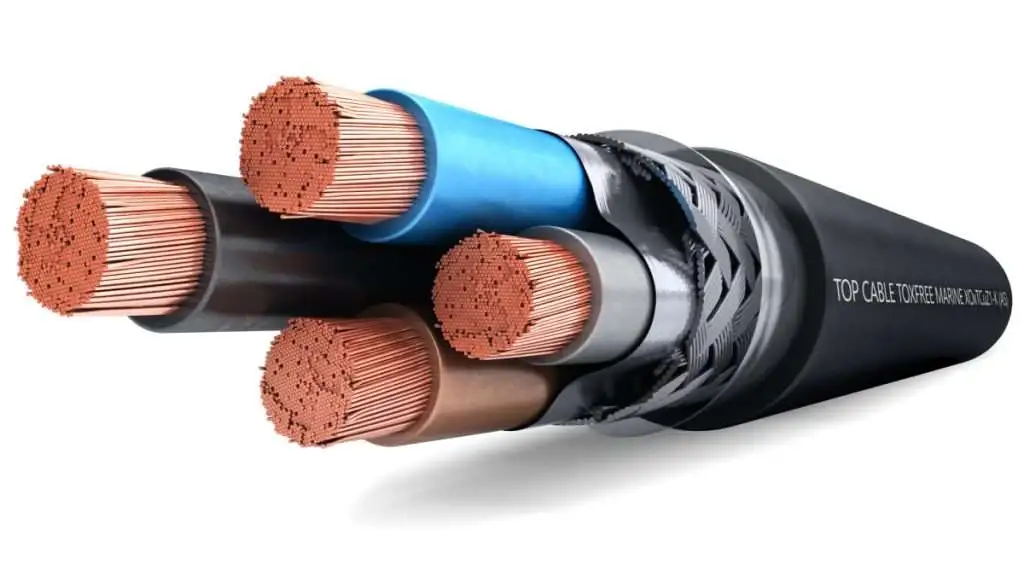
Start by cleaning your metal core (like an iron nail or rod) to remove any dust or oils—this ensures better adhesion and consistent magnetic performance.
Step 2: Secure Starting Wire
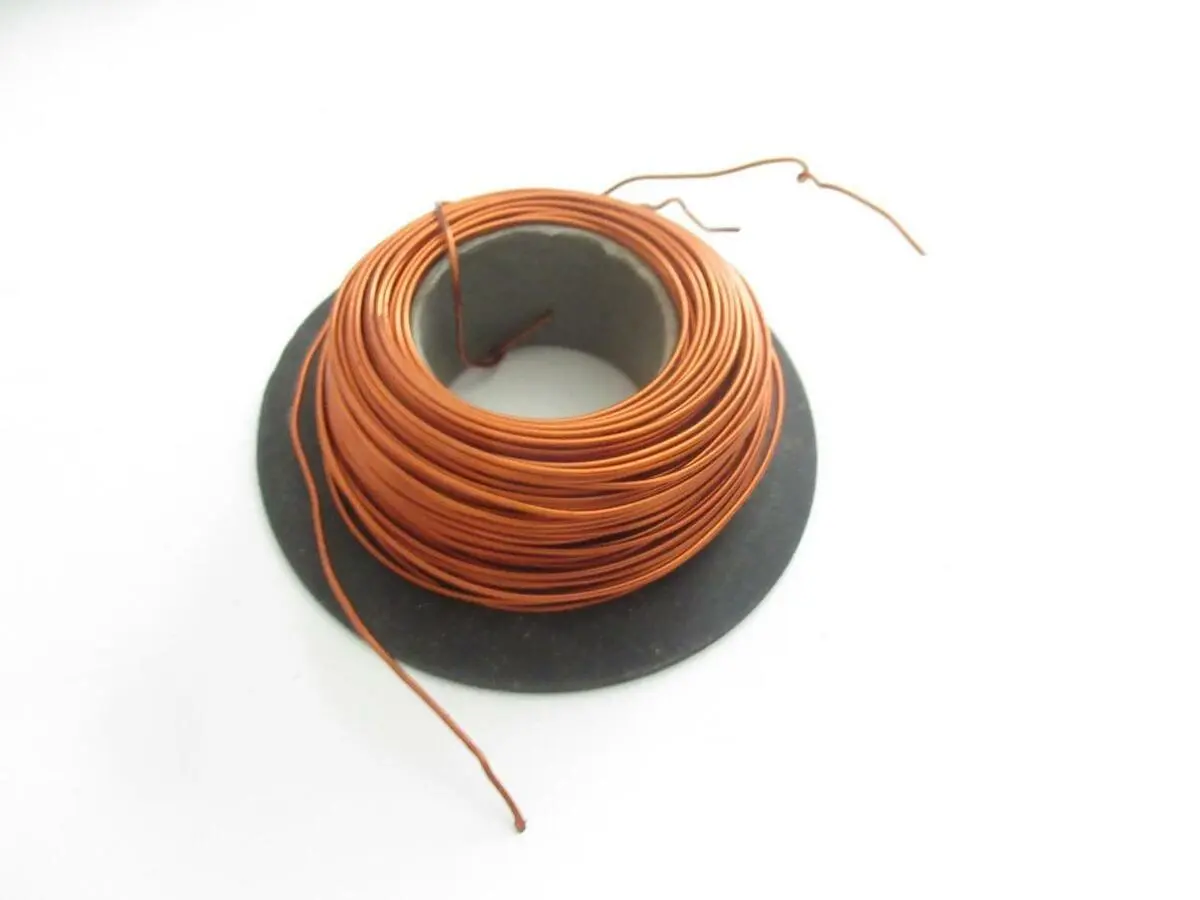
Leave 2–3 inches of wire free at the beginning for easy electrical connection, then tape or tie the wire securely to one end of the core.
Step 3: Begin Winding
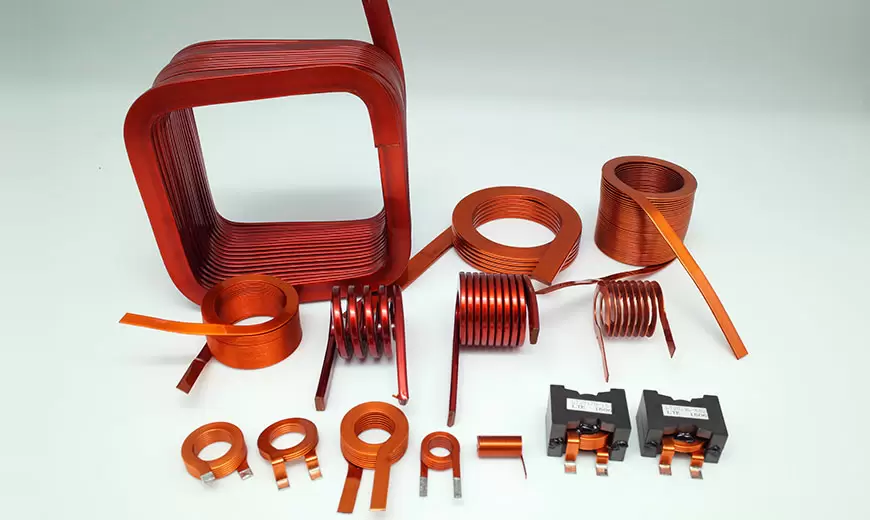
Wrap the wire tightly and evenly around the core in one direction. Whether using a drill at low speed or winding by hand, keep the turns close together without overlapping.
Step 4: Secure the End
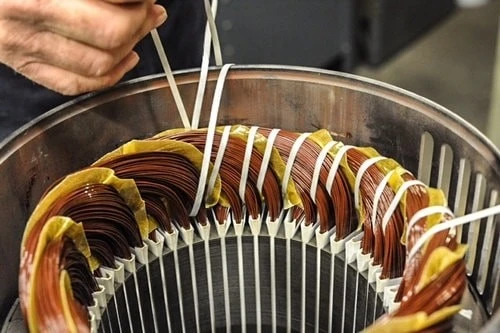
Once done, leave another 2–3 inches of free wire, then use tape or a dab of glue to lock the coil in place so it doesn’t unwind.
Step 5: Test the Coil
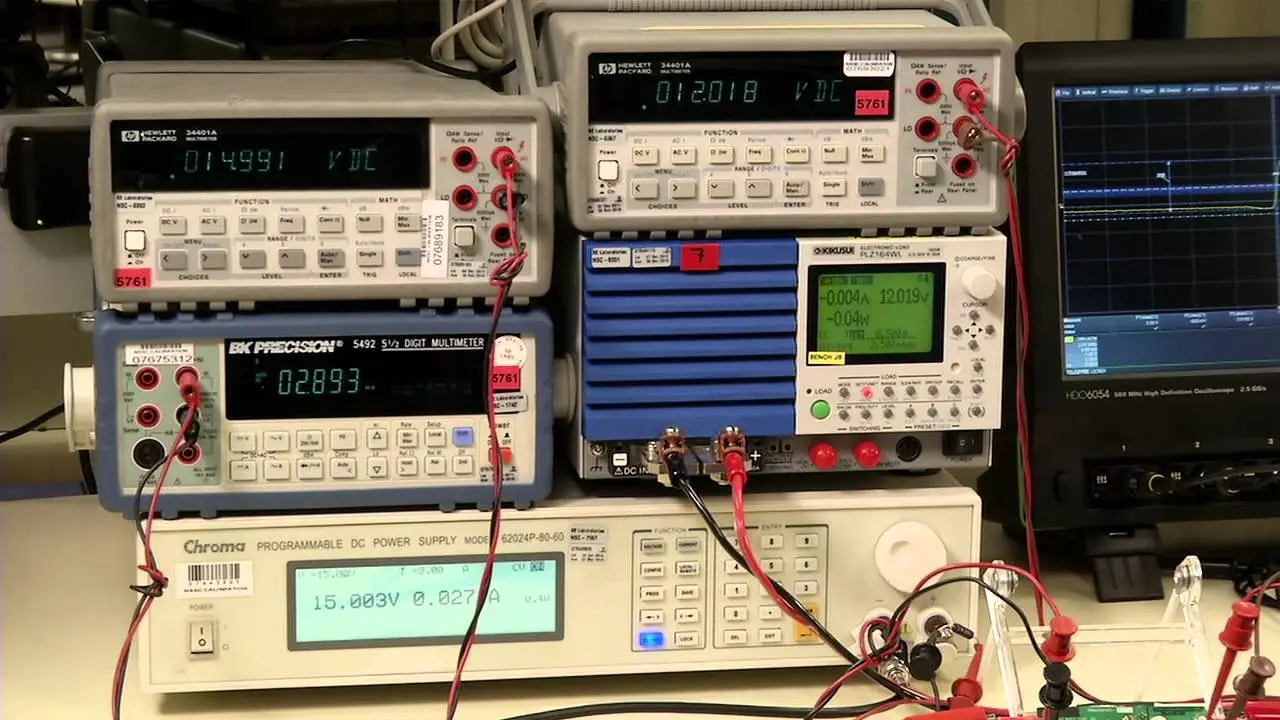
Check for continuity and resistance using a multimeter. Then, connect the coil to a battery or DC power source and test its magnetism using a paperclip or small metal item.
Tips for Better Magnetic Strength
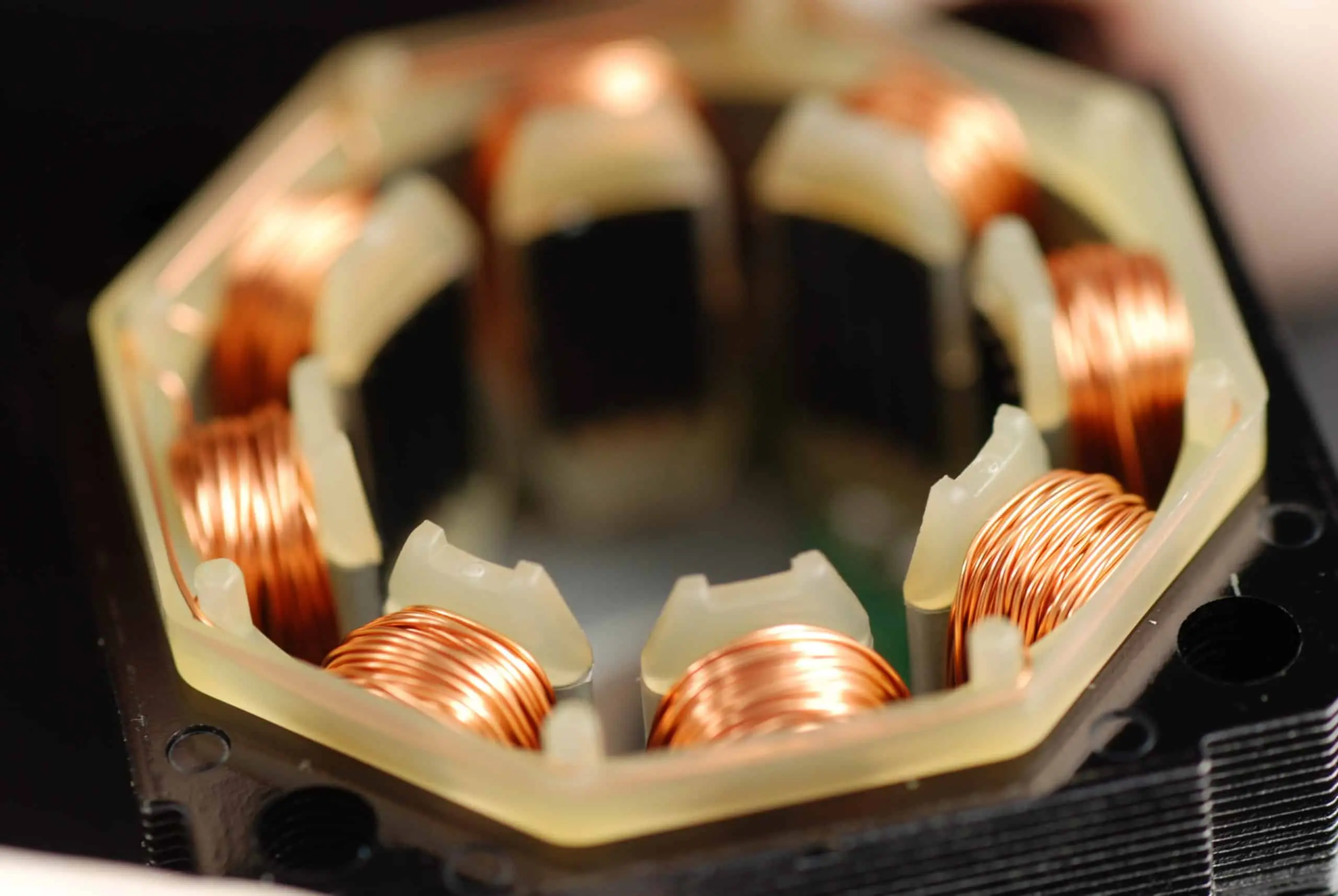
Before you power up your coil, a few tweaks can seriously boost your electromagnet’s performance. Try these easy tips:
Add more wire turns: The more turns you wrap, the stronger the magnetic field—just keep them snug and even.
Choose a soft iron core: Soft iron helps concentrate magnetic force thanks to its high permeability.
Use thicker wire: Thicker wire allows more current to pass through, safely increasing magnetic strength.
Keep windings tight and neat: Gaps or messy loops can weaken your field—aim for clean, uniform layers.
Avoid excess resistance: Longer wire adds resistance, so strike a balance between coil size and efficiency.
FAQs
1. Can I use any metal as the core for my coil?
Soft iron works best because it easily magnetizes and boosts your field. Avoid stainless steel or non-magnetic metals like aluminum.
2. Why does my electromagnet get hot?
Overheating can happen if you use too much current or very thin wire. Use thicker wire and limit power duration.
3. Can I power my coil with a regular battery?
Yes, but only for short periods. Continuous use can drain or damage batteries. For better performance, use a regulated DC power supply.
Conclusion

 English
  Spanish
  Russian
  Italian
  German
  Chinese