


Inductors and transformers are two essential passive components found in countless electronic devices.
At first glance, they may look almost identical, which often leads to confusion—but their roles in a circuit are quite different.

In this guide, we’ll break down their core functions, key differences, types, and when to use each one.
What Is an Inductor?
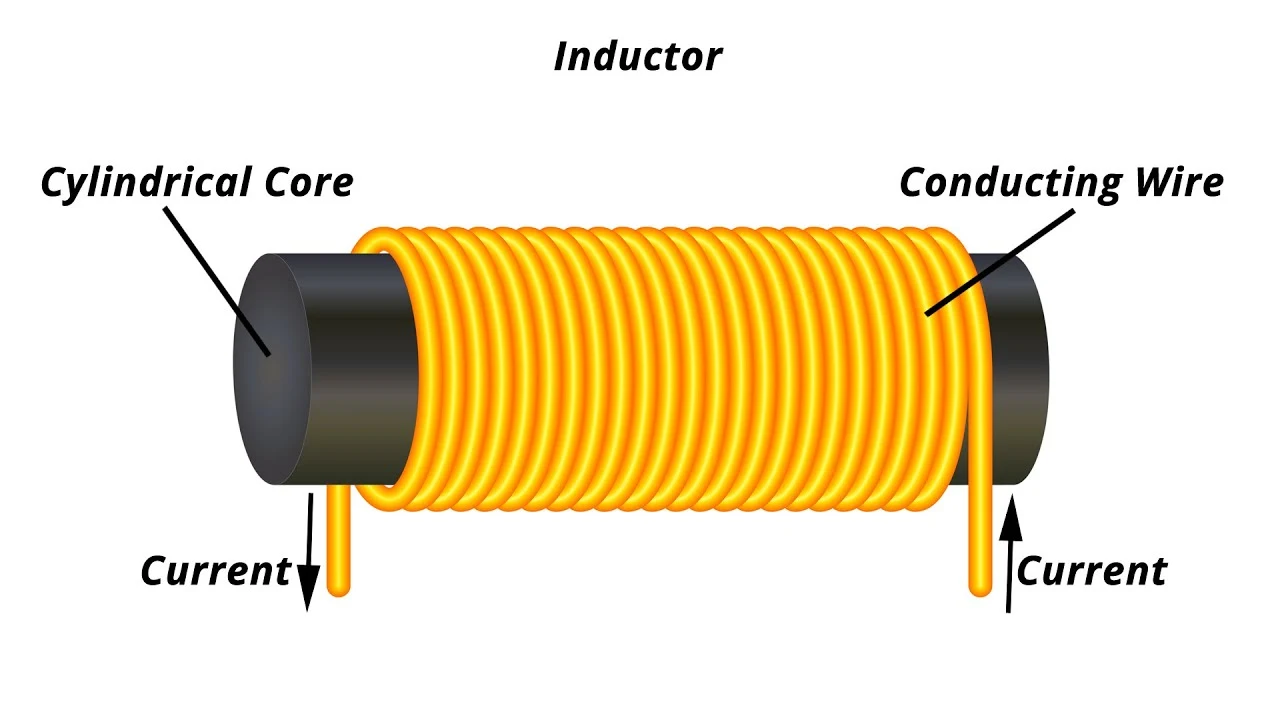
An inductor is a passive component that stores energy in a magnetic field and resists changes in current flow, following Faraday’s Law.
It’s widely used to filter signals, block AC, and support power regulation in various electronic applications.
Inductor: Pros and Cons Comparison
What Is a Transformer?

A transformer transfers AC energy between circuits using magnetic fields, offering voltage transformation and electrical isolation.
It’s vital in applications that require safe, efficient power conversion.
Transformer: Pros and Cons Comparison
1. Function and Energy Use
Inductors are designed to store energy in a magnetic field when current flows through them. This stored energy is then released gradually, making them great for smoothing power or filtering signals.
On the other hand, transformers are built to transfer energy from one circuit to another using magnetic induction. They don’t store energy; they simply move it efficiently from one coil to the next.
2. Coil Structure and Configuration
An inductor has a single coil of wire wound around a magnetic core—simple and compact.
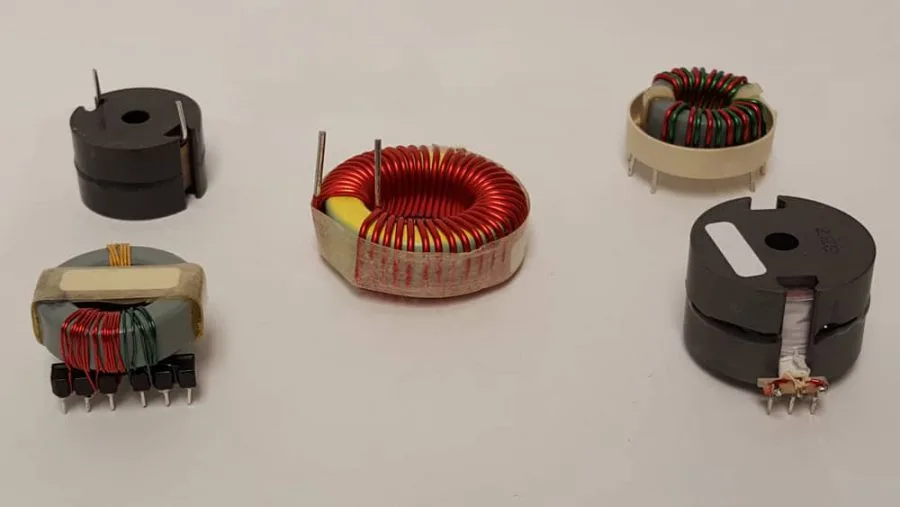
A transformer, however, includes two or more coils (primary and secondary) that are magnetically linked. The number of turns in each coil defines how the voltage will change between input and output.
3. Voltage Handling and Regulation
Transformers can step up or step down voltage, depending on the turns ratio of the coils. This makes them perfect for adapting voltage levels to different devices or systems.
Inductors, in contrast, do not change voltage levels. They simply resist changes in current and help filter or smooth the voltage.
4. Circuit Isolation
Transformers offer electrical isolation between the input and output circuits. This helps protect sensitive equipment and improves safety in many power systems.
Inductors don’t provide isolation—they’re used within a single continuous circuit path.

5. Use Cases and Applications
You’ll find inductors in applications like EMC control, filters, and DC-DC converters, where current smoothing and signal filtering are essential.
Transformers, meanwhile, are common in LED lighting, AC power converters, and devices that require voltage transformation or isolation.
When to Use Which: Choosing Based on Function

Choosing between an inductor and a transformer depends on what your circuit needs to do.
Go with an inductor if you’re looking to filter signals, smooth power delivery, or store energy temporarily. If your goal is to convert voltage levels or ensure electrical isolation between two circuits, a transformer is the better choice.
Always consider factors like operating frequency, voltage requirements, and circuit design when making your decision—using the right component will make all the difference in performance and safety.
Conclusion

Inductors and transformers may appear similar, but their functions, construction, and applications are quite different. Understanding these differences helps you choose the right component for filtering, energy storage, or voltage conversion.
Need help picking the best solution for your circuit? Don’t hesitate to consult an expert or supplier for guidance.
FAQs
1. Can a transformer work with DC current?
No, transformers require alternating current (AC) to operate. They rely on a changing magnetic field, which DC doesn’t provide.
2. Why do transformers have multiple windings?
Transformers need at least two windings—primary and secondary—to transfer energy between circuits and adjust voltage levels.

 English
  Spanish
  Russian
  Italian
  German
  Chinese