


In industrial and commercial environments, generator reliability is everything. Without proper maintenance, even the best generators can suffer from downtime, power loss, or costly breakdowns.

Two of the most common services that keep generators running smoothly are rewinds and overhauls. Each serves a different role, and in this guide, we’ll help you understand what they mean, how they differ, and which one your system might need.
What Is a Generator Rewind?

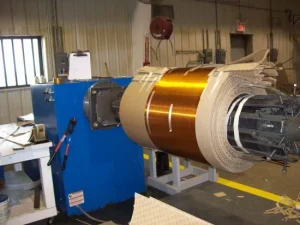
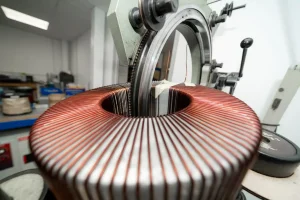
A generator rewind is the process of replacing damaged or aged windings—typically in the stator or rotor—to restore the generator’s original electrical performance. Over time, windings can suffer from insulation breakdown, overheating, or burned coils, leading to reduced voltage output or system inefficiency.
The rewind process usually follows these core steps:
Remove the damaged windings
Clean the stator or rotor core
Insert new copper windings
Apply fresh insulation
Perform testing to verify performance
Rewinding is typically necessary when the windings are the primary point of failure, and other mechanical parts (like bearings or pistons) remain in good condition. It’s a cost-effective solution that can restore a generator’s performance without the need for a full rebuild or replacement.
By extending the generator’s service life and restoring efficiency, rewinding helps businesses minimize downtime and reduce long-term repair costs—especially when the core structure of the machine is still sound.


1. Scope of Work
Rewinding focuses specifically on the stator or rotor windings. It involves removing damaged coils, replacing them with new ones, insulating the windings, and testing the electrical performance.
Overhauling, on the other hand, is a full-system service—covering both electrical and mechanical components. It involves complete disassembly, cleaning, replacement of worn parts, and a full rebuild if necessary.
2. Purpose

Rewinds aim to restore electrical output and performance when insulation fails, coils burn out, or voltage drops occur.
Overhauls go deeper. They address mechanical wear, fuel inefficiency, startup issues, and prevent future breakdowns. It’s about bringing the entire unit back to like-new condition.
3. Common Symptoms
Choose a rewind if you notice voltage drops, poor winding resistance, or burnt insulation.
Opt for an overhaul if you’re dealing with fluid leaks, excessive fuel use, strange noises, or a failure to start.
4. Cost & Time

Rewinding is generally faster and more cost-effective. It’s ideal when the problem is isolated to the windings.
Overhauling takes more time and money due to the labor-intensive teardown, inspection, and rebuild of multiple systems.
5. Impact on Lifespan
A rewind can extend the lifespan of your generator if other components are still in good shape.
An overhaul provides a more thorough reset, potentially adding many more years to your generator’s operational life.
How to Decide: Rewind or Overhaul?

Choosing between a generator rewind or an overhaul comes down to a few key factors. Start by considering the age of your generator. If it’s relatively new and the issue is limited to electrical performance—like voltage drops or burned windings—a rewind is usually sufficient and more cost-effective.
However, if your generator is older or experiencing mechanical problems—such as fluid leaks, engine inefficiency, or startup failures—an overhaul may be the better long-term solution. Overhauls address deeper wear and tear and help restore full system performance.
Budget also plays a role. Rewinding is typically cheaper, while overhauls demand more time and parts. For best results, we highly recommend consulting with a qualified technician who can assess your generator’s exact condition and guide you toward the right service.
FAQs: Generator Rewinds vs. Overhauls
1. When should I choose a generator rewind?
Choose a rewind if your generator has good overall condition but shows signs of winding failure like power drops or insulation damage.
2. What symptoms suggest I need a generator overhaul?
Go for an overhaul if you notice fluid leaks, excessive fuel use, startup problems, or mechanical wear.
3. How often should a generator be overhauled?
Most generators need a major overhaul every 10,000–20,000 hours, depending on usage, load, and maintenance history.
Conclusion

Understanding the difference between generator rewinds and overhauls helps ensure your equipment gets the right care. Rewinding restores electrical performance, while overhauling tackles deeper mechanical issues. Choosing the right service protects your generator’s lifespan and avoids costly breakdowns.
If you’re unsure which option suits your situation, consult a qualified technician. Professional diagnostics can pinpoint the issue and recommend the most cost-effective solution to keep your generator running reliably.
 English
  Spanish
  Russian
  Italian
  German
  Chinese