


In electric motors, 馬達繞組 play a central role in operation. They generate the 磁場 that drives the motor’s rotation, directly affecting its 扭力輸出, operating efficiency, and ability to manage 熱 在運行過程中。

Among the different types of motor windings, 定子繞組 deserve particular attention. They do more than carry electrical current; they play a key role in determining how a motor operates. Whether in high-speed industrial motors or compact EV drives, the choice of 定子 繞線方法 can significantly affect motor performance, manufacturing costs, and operational reliability.
This guide covers the most common 馬達繞組分類 和 seven key stator winding methods, highlighting their defining features to help you identify the right winding design for each application.
定子繞組形式與磁極創建

了解如何 磁極 form within the stator provides insight into the operating characteristics of different motor types.
這 stator winding layout determines the number of magnetic poles generated and influences how efficiently the motor converts electrical energy into mechanical motion.
凸極(集中極點)
Each coil produces one magnetic pole. The coils are connected in 反向系列 (head-to-head) to create alternating magnetic polarities. This winding arrangement is commonly used in DC motors and synchronous motors.
非凸極
Each coil produces two magnetic poles. The coils are connected in 前向系列 (tail-to-tail), with the current flowing in the same direction. This winding arrangement is well suited to 交流馬達, where a more uniform magnetic field is required.
七種常見的定子繞線方法

When designing electric motors, 定子繞線方法 play an important role in determining efficiency, torque, and overall motor size. Below are seven common stator winding techniques, each suited to different motor designs and performance requirements.
單層繞線
Commonly used in small motors, this method places one coil side in each slot. It offers a 簡單、經濟高效 設計 and is suitable for applications where space is not a major constraint.雙層繞線
Often found in larger or higher-power motors, this method places two coil sides in each slot, one above the other. This arrangement helps improve power density and efficiency.集中繞組
在這個方法中, 線圈 are wound around individual stator teeth. The design features shorter end turns and can help reduce copper losses. It is commonly used in motors with 更少的桿子.分佈式繞組
This method distributes coils across multiple stator teeth to create a more uniform magnetic field 和 減少 諧波. It is commonly used in high-speed motors and precision motor applications.內部(嵌齒)繞組
設計用於安裝在定子槽內,這種方法是 節省空間 非常適合 大型機器 需要強勁的動力,但又不笨重。無槽繞線
完全消除定子槽,從而 超順暢旋轉 和 最小齒槽效應—通常用於 醫療和航空航天驅動器.環形繞組
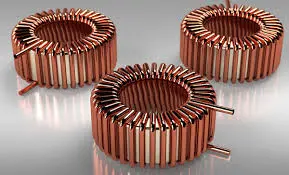
In this method, the coil is wound into a 連續的 ring shape, which can improve 冷卻 and reduce energy losses. It is suitable for 專門 應用程式 that require compact and efficient motor designs.
常見問題解答
1.什麼時候該使用雙層繞組?
雙層繞組 are well suited to larger motors that require higher performance, greater power density, and more parallel winding branches.
2. 為什麼選擇環形繞線而不是傳統繞線?
環形繞組 can help reduce energy losses and heat buildup. Their design supports 更好的冷卻 和 更高 效率, making them suitable for compact motors and specialized applications.
3. 無槽繞組比內嵌繞組好嗎?
這取決於應用程式。 Slotless windings 減少 齒槽轉矩 and allow smoother motor operation, making them suitable for medical equipment and high-precision motors. By comparison, interior windings make efficient use of space and are suited to large-scale machines.
結論


 Chinese
 English
 Spanish
 Russian
 Italian
 German