


When you first turn on a toroidal transformer, it can draw a very large amount of current—much more than it normally uses. This is called inrush current. It only lasts for a split second but can be 30 to 60 times higher than the transformer’s normal current.
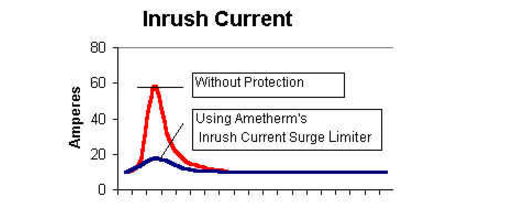
Toroidal transformers have a round, closed core with no air gap, which makes them efficient and quiet. But this also means they can saturate quickly when power is first applied. That sudden magnetic overload causes a big current spike.
If this inrush isn’t managed, it can trip a breaker, blow a fuse, or even damage nearby parts. That’s why it’s important to understand inrush current and plan for it when using toroidal transformers.
Why Toroidal Types Have Especially High Inrush
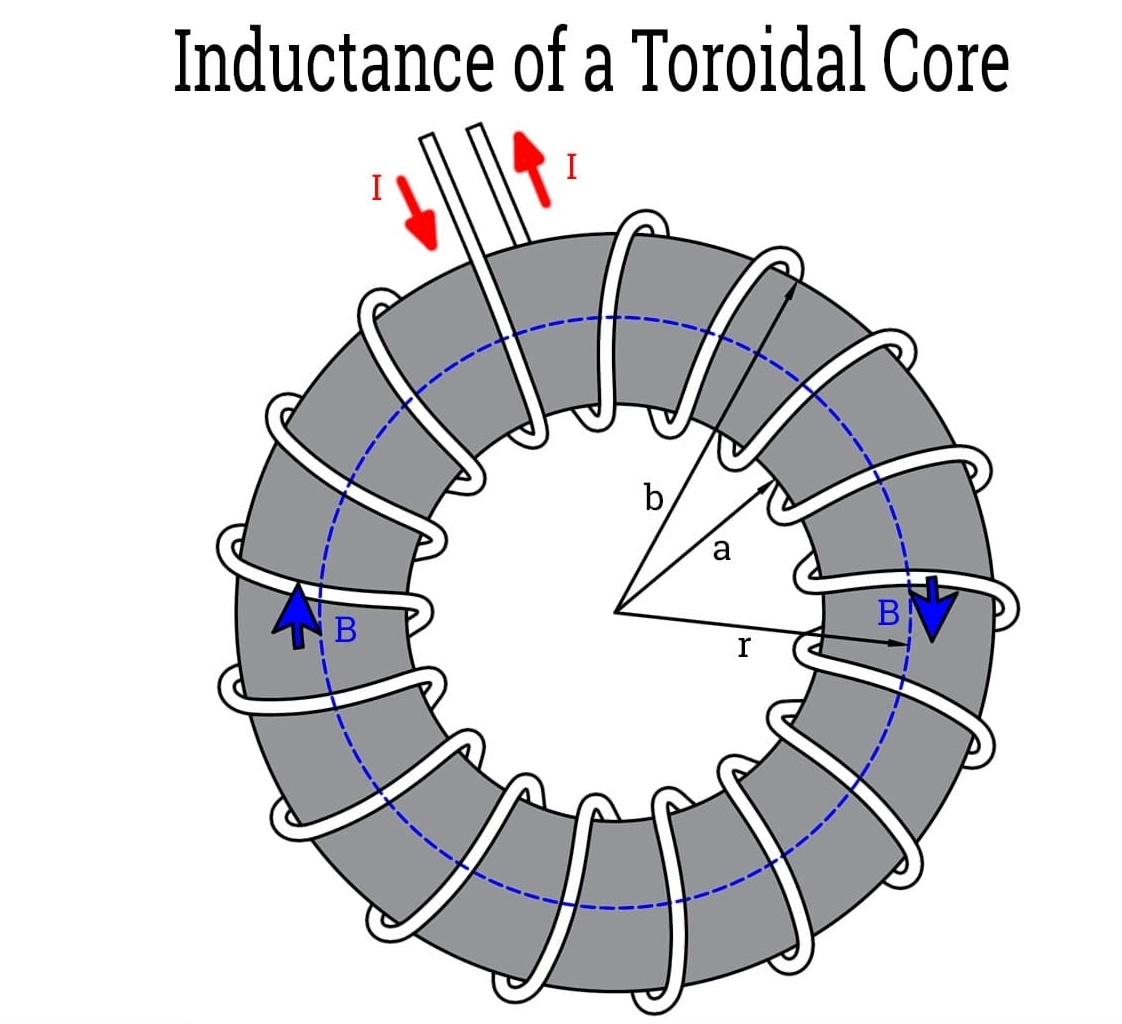
Toroidal transformers are known for being efficient and compact, but they also tend to have much higher inrush current than other transformer types. Here’s why:
No air gap in the core
The closed-loop shape of a toroidal core helps it run quietly and efficiently—but it also means there’s nothing to slow down magnetic buildup. So when power hits, the core can quickly saturate, causing a sudden surge of current.Remanent magnetic flux
After you switch off a transformer, some magnetism stays trapped in the core. If you turn it back on at the wrong point in the AC cycle, this leftover magnetism adds to the new magnetic field, leading to a bigger current spike.Low winding resistance
Toroidal transformers use short, thick copper windings with very little resistance. That’s great for performance, but it also allows current to rush in with almost no resistance to slow it down.
Put these factors together, and it’s easy to see why toroidal transformers are more prone to high inrush current. That’s why extra care is needed in design and protection when using them in real-world systems.
Risks of Excessive Inrush
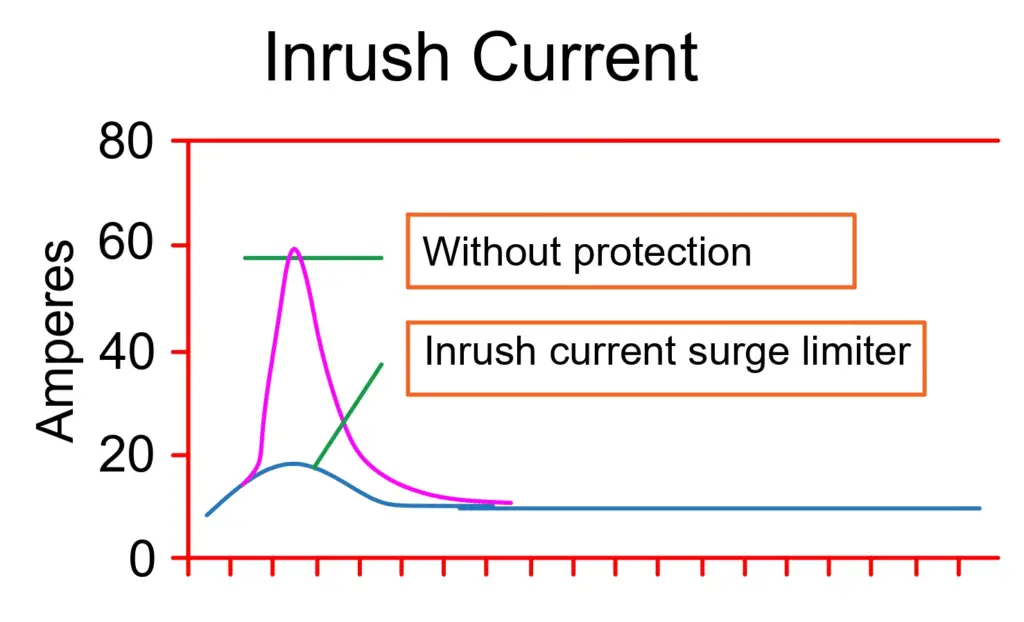
Inrush current may only last a second, but if it’s too strong, it can cause big problems—especially with toroidal transformers, which tend to spike higher than most.
Here’s what can go wrong:
Tripped circuit breakers
The sudden surge can fool breakers into thinking there’s a short circuit, shutting down your system even though nothing’s actually wrong.Blown fuses
Standard fuses may not handle the peak load, especially if the transformer powers on often. This means more downtime and costly replacements.Voltage dips
When inrush is too high, it can briefly pull down the voltage on your power line. That can mess with other sensitive electronics sharing the same circuit.Transformer stress
Over time, repeated surges can wear down insulation, heat up components, and shorten the life of the transformer itself.
While inrush is normal, too much of it can damage equipment and disrupt operation. That’s why it’s so important to plan for it—especially with toroidal designs.
Common Mitigation Methods
Toroidal transformers are powerful and efficient—but their high inrush current needs to be controlled. Thankfully, there are simple and proven ways to keep those startup surges from causing trouble.
NTC Thermistors or Series Resistors
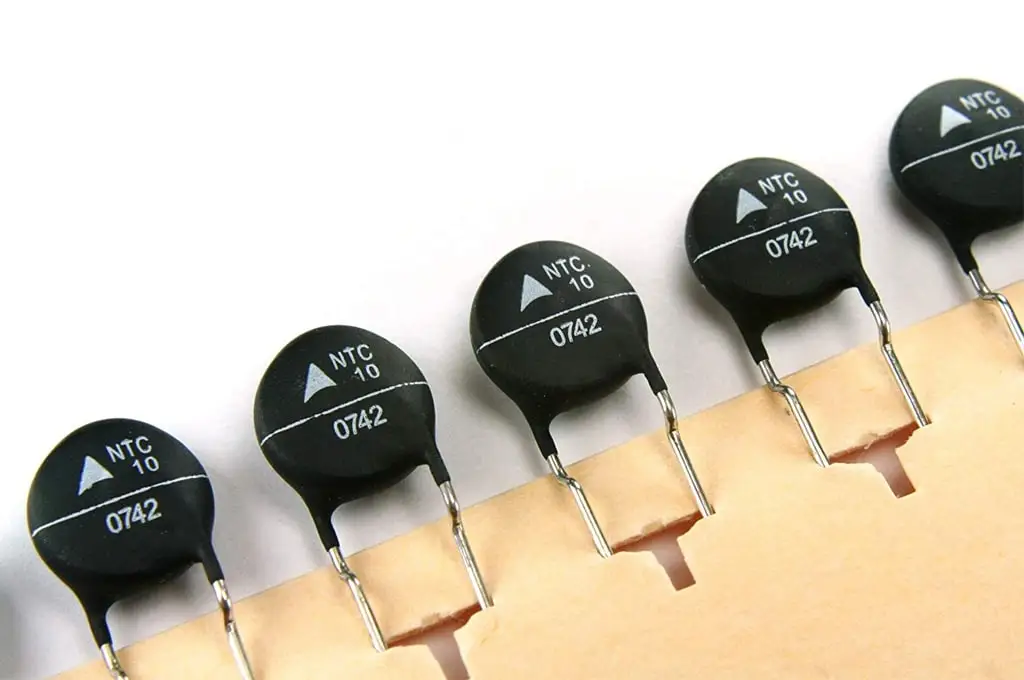
These small components are easy to install and cost-effective. NTC (Negative Temperature Coefficient) thermistors start with high resistance, which limits the inrush current. As they heat up, their resistance drops, allowing normal current to flow. This soft start helps prevent blown fuses or tripped breakers.
Controlled Switching & Zero-Cross Turn-On
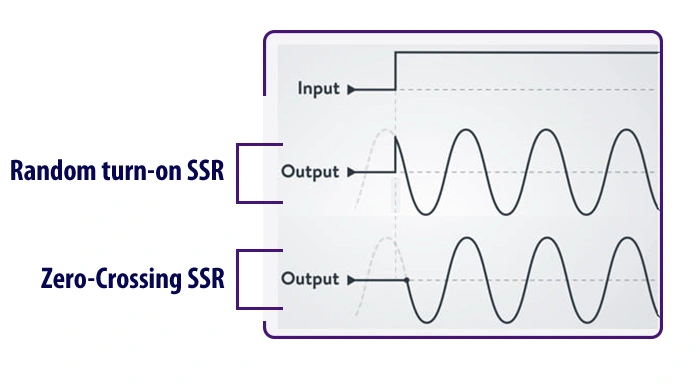
Another smart solution is to switch on the transformer at just the right point in the AC cycle—usually right when the voltage crosses zero. But for toroidal types, turning them on at the voltage peak (not zero) often works better. This reduces the risk of core saturation and helps avoid big current spikes.
These methods are widely used in audio gear, power tools, and industrial electronics—and they’re a must if you want to get the most out of your toroidal transformer without the headaches.
Design-Based Mitigations
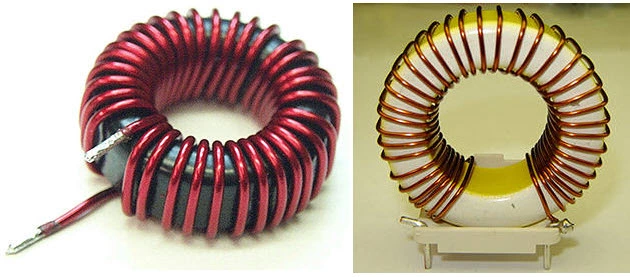
Controlling inrush current isn’t just about external circuits—smart transformer design can make a big difference too. Engineers are finding new ways to build toroidal transformers that naturally reduce startup surges without losing performance.
Composite & Slotted Core Designs
By using hybrid core materials or adding tiny air gaps to the toroidal core, designers can slow down magnetic buildup. This lowers the risk of saturation and brings down inrush current. These tweaks are subtle but powerful, and they don’t sacrifice much efficiency—making them great for high-performance systems.
Sector Winding Techniques
Instead of winding the wire in a single layer, sector winding spreads it across the core in multiple angled sections. This increases the core’s ability to handle magnetic flux before saturating. The result? Less inrush, smoother power-up, and steady performance—especially in audio or precision electronics.
Sizing Protection Devices
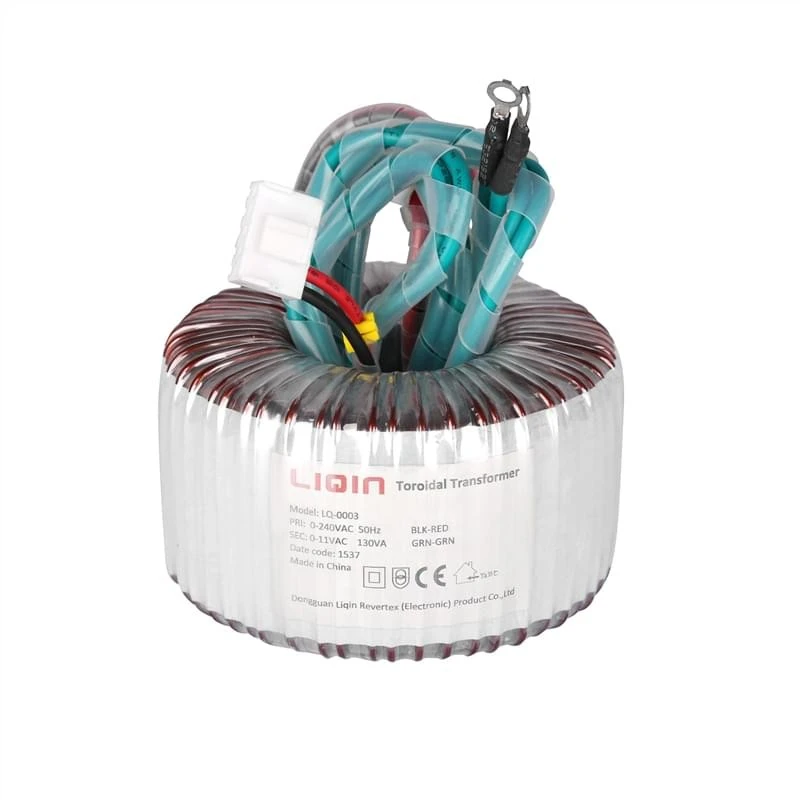
Picking the right fuse or circuit breaker is a key step when working with toroidal transformers. Because of their high inrush current, standard protection devices may trip too early, even when the transformer is working fine.
To avoid that, look for:
Time-delay fuses or slow-blow breakers – These are designed to handle short bursts of high current during startup without tripping.
Inrush-rated devices – Some fuses and breakers are specially rated for inrush conditions. They give extra tolerance for the brief spike.
Follow NEC guidelines – The National Electrical Code (NEC) recommends sizing protection based on both full-load and inrush current. Always check the specs for your transformer’s rated VA and expected startup behavior.
Choosing the right protection helps keep your system safe—without the frustration of nuisance shutdowns.
Emerging Solutions
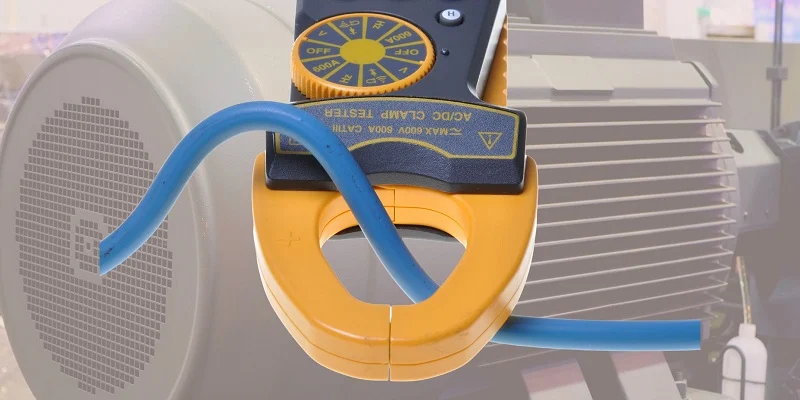
Engineers are also exploring advanced ways to manage inrush current beyond physical design or basic circuits.
Reinforcement learning – AI algorithms are being used to control the exact timing of switch-on events, reducing inrush while maximizing efficiency.
Metaheuristic-based modeling – These smart simulations help fine-tune transformer core design, material choice, and magnetic behavior for better inrush control from the start.
While these solutions aren’t yet mainstream, they’re shaping the future of transformer design—especially for high-performance or mission-critical systems.


 English
  Spanish
  Russian
  Italian
  German
  Chinese