


Coil winding may seem simple, but even small winding defects can cause major problems. A loose layer, broken wire, or uneven coil winding can reduce performance, increase scrap, and lead to costly rework. In industries like transformers, motors, and medical devices, these issues affect not only product quality but also reliability and safety.
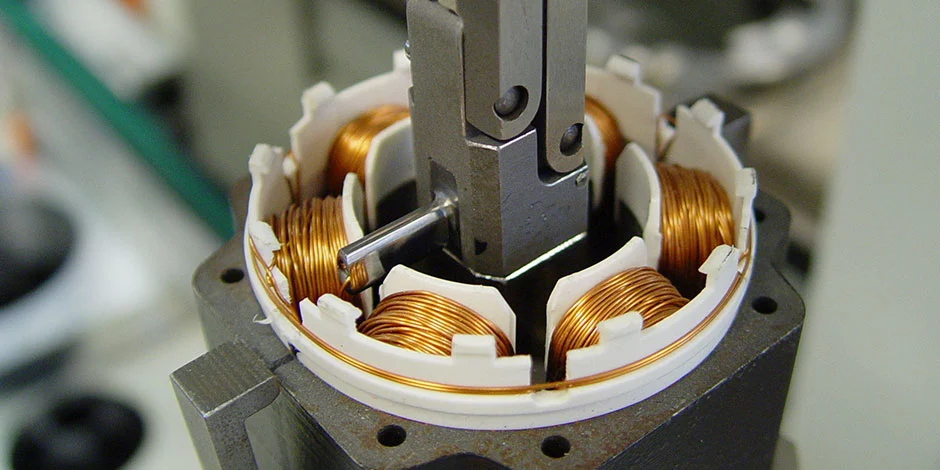
Every coil must meet strict electrical and mechanical standards. Poor coil winding can reduce yield, increase downtime, and raise production costs. That’s why understanding common coil winding problems and knowing how to prevent them is essential for improving quality and keeping production efficient.
Common Coil Winding Defects
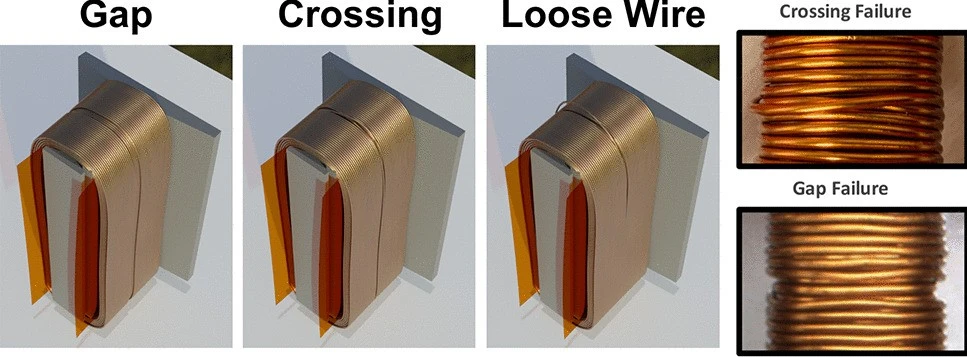
Even small coil winding variations can cause visible or audible defects. Identifying these coil winding defects early helps speed up troubleshooting and reduces unnecessary production waste.
Loose or Uneven Layers, Buzzing Coils
Low or uneven wire tension can leave coil winding layers loose on the bobbin. This creates gaps between layers and may cause buzzing during operation. If not corrected, it can lead to vibration and shorten coil service life.
Overlapping Turns, Gaps, and Low Fill Factor
Poor wire traverse control or guide misalignment can cause overlapping turns or small gaps. This lowers the fill factor, reduces coil efficiency, and increases heat loss. Accurate alignment helps produce clean, even coil winding.
Wire Breaks, Necking, and Enamel Damage
Excessive wire tension, sharp wire guides, or poor wire handling can stretch the wire until it becomes thinner (necking) or breaks. Too much stress can also damage the enamel insulation, exposing bare wire and increasing the risk of short circuits.
Telescoping Coils and Poor Edge Definition
Uneven coil winding can cause the winding edges to spread outward, creating a telescoping effect. This reduces coil stability, makes assembly more difficult, and affects product quality. Good edge control helps keep every coil neat and consistent.
Overall, these coil winding defects come from different root causes, but they all show how important wire tension, alignment, and proper handling are in coil winding. Next, let’s explore the common causes behind these problems and how to identify them quickly.
Common Causes of Coil Winding Problems
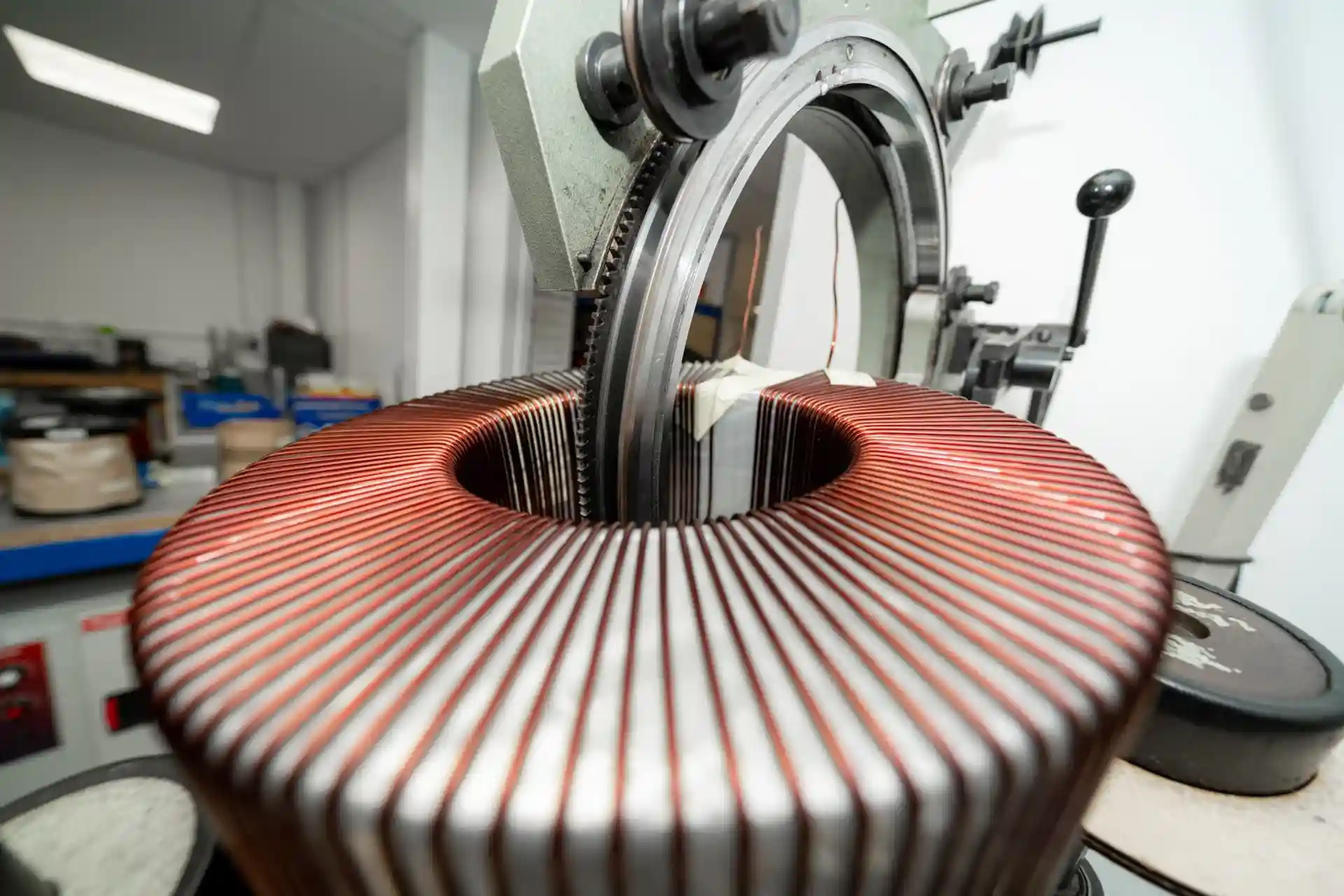
Most coil winding defects can be traced to a few common causes. Understanding these root causes helps operators fix problems early, reduce quality losses, and keep coil winding production running smoothly.
Unstable Wire Tension (Drift or Poor Setup)
Unstable wire tension during coil winding can result from spool size changes, poor brake control, or incorrect setup. This may cause loose coils, overlapping turns, or wire breaks. Stable, well-adjusted wire tension is the key to consistent coil winding quality.Traverse or Wire Guide Misalignment
Misaligned, worn, or dirty wire guides and traverse systems can prevent the wire from laying evenly. This can create overlaps, gaps, or uneven edges, reducing coil density and overall coil reliability.Wire Material or Environment Issues
Poor-quality magnet wire, damaged enamel insulation, or contaminated spools can trigger repeated coil winding defects. High humidity and airborne dust also degrade insulation and reduce long-term coil stability.Tension System Calibration Drift
Over time, load cells, dancer arms and tension sensors gradually lose calibration. Without routine inspection, wire tension becomes unstable, resulting in inconsistent coil winding quality.
Coil Winding Maintenance Tips

The best way to avoid coil winding problems is to prevent them before they happen. A regular machine maintenance routine helps keep coil winding machines running smoothly, reduces defects, and improves coil winding quality.
Clean Contact Surfaces Regularly
Dust, debris, and wear can build up on wire guides, rollers, and tension pads over time. Regular cleaning helps avoid scratches on the magnet wire and keeps wire tension smooth and stable.Inspect and Replace Worn Parts
Components such as tension pads, felt inserts, sensors, and dancer arms wear gradually with use. Routine inspections and timely replacement prevent unexpected machine breakdowns and cut production downtime.Store Magnet Wire Properly
Coils of wire should be stored in a dry, controlled environment. Moisture weakens insulation and changes tension behavior, while careless handling can kink or scratch wire before it even hits the machine.
Together, these simple maintenance habits help manufacturers protect machine performance and coil quality. They also save time, reduce costs, and minimize material waste over the long term.
Ready to Improve Your Coil Winding Quality?
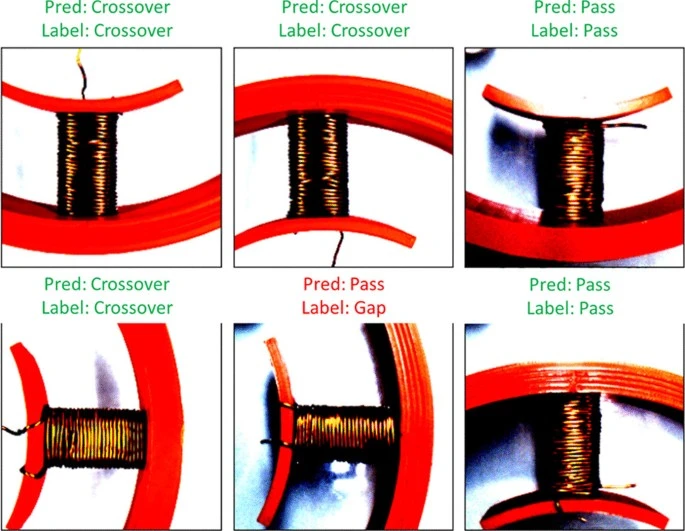
Coil winding problems can increase costs and reduce product performance and reliability. With the right machines, proper tension control, and expert support, these problems can be prevented before they affect production.
Meanwhile,if you’re looking for reliable coil winding machines, tension systems, or custom solutions, we’re here to help. Our team provides advanced equipment, practical advice, and responsive support to keep your production efficient and running smoothly.
Contact us today to discuss your coil winding needs and find the right solution for your production. Our team is ready to help you improve coil quality, reduce downtime, and achieve more reliable manufacturing results.
FAQs About Coil Winding Issues
1.How do you check a motor coil winding?
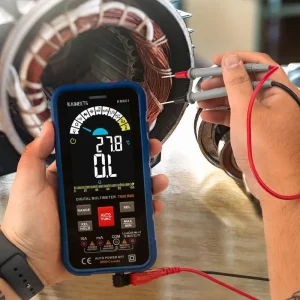
Use a multimeter to test the motor coil winding resistance. An open or infinite reading usually means a broken wire, while very low resistance may indicate a shorted winding. For insulation testing, use a megger to check the resistance between the winding and the motor housing.
2. How does coil winding work?
Coil winding works by wrapping insulated wire around a magnetic core (like iron or ferrite). Such as iron or ferrite. When current flows through the wire, it creates a magnetic field. This is how transformers, motors, and inductors operate. Accurate coil winding helps improve performance and efficiency.
3. How do you increase the winding resistance of a coil?
You can increase coil winding resistanceby:
Using thinner magnet wire (higher resistance per unit length).
Adding more winding turns
Increasing the wire length.
These methods help control current, but they can also increase heat loss.
4. What’s the difference between a coil and a winding?
A coil is a wire wound into loops, usually around a core.
A winding is the specific arrangement of one or more coils inside a device, such as the primary and secondary transformer windings or the stator windings in a motor.
 English
  Spanish
  Russian
  Italian
  German
  Chinese