


What “Cost” Really Means

JG 9204 Floor Type Toroidal Transformer Winding Machine
When people ask, “How much does a coil winding machine cost?” the first number that comes to mind is usually the sticker price. But in reality, the cost of a winding machine goes far beyond the purchase figure on a quotation. What really matters is the total cost of ownership (TCO)—a bigger picture that includes energy use, spare parts, downtime, operator training, and long-term service support.
By looking at TCO instead of just the upfront expense, buyers can make smarter choices, avoid hidden surprises, and ensure their investment pays off in reliable production for years to come.
Quick Pricing Snapshot (Typical New Equipment)

When it comes to coil winding machines, prices vary widely depending on the level of automation, precision, and application. Here’s a simple breakdown:
DIY / Bench & Manual Winders – About $25–$300 for hand-crank models, or around $200 for basic entry-level electric winders.
Entry CNC Desktop Winders – Typically in the $700–$900 range, good for small labs or prototyping.
Semi-Automatic / General Coil Winders – Anywhere from $1,800 to $10,000+, depending on size, control features, and specs.
Automatic / CNC Production Winders – Start at around $5,000 and can climb into the high six figures for fully integrated production lines.
Toroidal Winding Machines – Usually $4,600–$7,600 per set, varying with wire size, automation, and special features.
Used Market – Pricing swings a lot; value depends on brand reputation, machine hours, and control system age.
👉 In short, the right machine can cost anywhere from a few hundred dollars for simple hobby setups to hundreds of thousands for advanced factory lines.
What Drives Price Up or Down
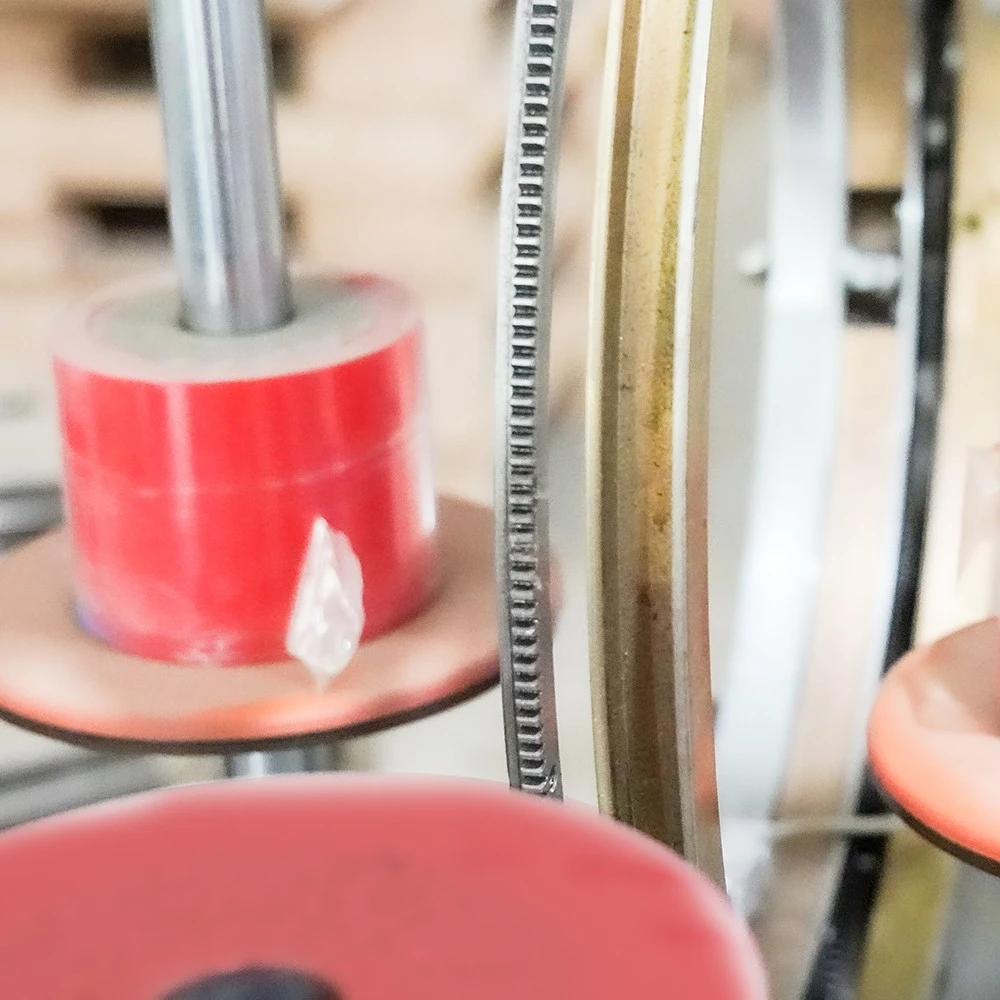
When you start comparing coil winding machines, you’ll quickly notice how much the features impact the final price. Here are the key factors:
Wire Size & Torque Requirements – Machines built for thick copper or high-tension winding need stronger motors and better stability, which adds cost.
Traverse Accuracy & Guide Quality – Precision in how the wire is laid affects efficiency and product quality. High-accuracy guides and traverses push prices higher.
Automation Level – Manual models are cheapest, semi-automatic mid-range, while CNC roll-to-roll systems with full automation carry the highest price tag thanks to faster throughput and repeatability.
Special Geometry – Machines designed for toroidal cores, stators, or multi-spindle setups add complexity. Features like automatic taping and wire cutters also increase cost.
Controls & Software – Advanced features such as recipe storage, closed-loop tension control, and MES (Manufacturing Execution System) integration make machines smarter, but more expensive.
👉 In short, the more precision, power, and automation you need, the higher the investment.
Total Cost of Ownership (TCO) Checklist

Buying a coil winding machine isn’t just about the upfront price—it’s about the long game. The total cost of ownership (TCO) shows what you’ll really spend over the machine’s lifetime. Here are the main factors to keep in mind:
Energy Use – Power-efficient motors reduce operating costs, especially in high-volume production.
Preventive Maintenance – Regular upkeep helps avoid costly downtime, but factor in service schedules and technician availability.
Spare Parts – Easy access to affordable spares like guides, tensioners, or motors keeps the line running smoothly.
Training Time – User-friendly machines cut operator training costs and speed up productivity.
Uptime Guarantees – Some vendors back their machines with uptime commitments; more reliability means less lost production.
Support SLAs (Service Level Agreements) – Strong after-sales support ensures fast repairs and long-term peace of mind.
👉 Considering TCO upfront helps avoid surprises and ensures your investment delivers real value year after year.
Feature Tiers & What You Get

Not every coil winding machine comes with the same level of features. What you choose depends on your production needs and budget. Here’s how the tiers typically break down:
Essential Tier
Perfect for small shops or labs. These machines provide the basics: a stable frame, a precise spindle, a standard tensioner, and simple programmable turn counts. They’re reliable for prototyping or low-volume runs.Pro Tier
Designed for higher accuracy and medium-scale production. Features often include closed-loop tension control, servo-driven traverse systems, vision alignment for error detection, and automatic cut/park mechanisms. This tier balances cost with efficiency and repeatability.Enterprise Tier
Built for large-scale, high-demand environments. These machines offer multi-station cells, robotic loading and unloading, inline quality control, and full traceability. They integrate seamlessly with smart factory systems and provide the highest throughput with minimal downtime.
👉 By matching the right tier to your needs, you avoid overpaying while still ensuring your machine has the tools to deliver consistent, high-quality results.
Budgeting Examples (Ballpark)

The right coil winding machine depends on your scale, and so does the budget. Here are some rough pricing tiers to help set expectations:
Prototype Lab
Small labs or R&D teams can start with manual or entry-level CNC winders, typically $200–$900, plus basic jigs and fixtures. These are great for experiments and proof-of-concept work.SMT / SME Transformer Shop
For small-to-medium transformer production, semi-automatic or single-spindle CNC machines in the $5,000–$18,000+ range strike the right balance between automation and cost.Toroid Production Cell
Manufacturers focusing on toroidal transformers often invest in automatic toroidal winding machines, which run about $4,600–$7,600 each, often paired with a separate taping system for insulation.High-Volume Line
Large-scale operations, like gigafactories or enterprise-level plants, need integrated CNC systems with vision control and MES connectivity. These can easily run into the tens or even hundreds of thousands of dollars, depending on the configuration.
👉 These examples show how costs scale with complexity—from lab benches to industrial production lines.
New vs. Used: When to Buy Which
| Factor | New Machine | Used Machine |
|---|---|---|
| Upfront Cost | Higher investment | Lower capex, cost-saving option |
| Condition | Brand new, no wear | Check spindle runout, hours, and wear |
| Technology | Latest controls, software, and automation | Controller age may limit performance |
| Support | Full vendor warranty and service | Limited or no official support |
| Parts Availability | Guaranteed OEM spares | Must confirm parts are still available |
| Risk | Low—covered by warranty | Higher—depends on vendor and machine history |
| Best For | High-volume, critical production | Startups, pilot runs, cost-sensitive shops |
Choosing between a new and a used coil winding machine often comes down to budget, risk, and production needs.
Buying used is a great way to reduce capital expenditure, especially for startups or small shops. However, it’s important to verify critical details like spindle runout, controller age, spare parts availability, and machine hours before committing. Always work with reputable industrial marketplaces or trusted vendors to lower the risk.
On the other hand, buying new gives peace of mind, full warranties, the latest control software, and long-term vendor support—making it a better fit for high-volume or mission-critical production.
Vendor Due Diligence & Demo Tips

Before investing in a coil winding machine, it pays to do some homework on your vendor. A reliable supplier should be able to back their claims with real-world demos. Always request a sample run using your own wire and core, and make sure the vendor provides key data like tension plots, scrap rates, and takt time. This helps you see if the machine can consistently meet your production needs.
Don’t forget to ask about the training plan, spare parts availability, and after-sales service. Lifecycle support and lead times often make the difference between a smooth production ramp-up and costly delays.
Cost-Saving Levers Without Sacrificing Quality

Cutting costs doesn’t have to mean cutting corners. Smart planning can keep budgets in check while still ensuring long-term performance:
Standardize Bobbins – Using consistent bobbin designs across multiple products reduces tooling costs and simplifies setups.
Share Fixtures Across SKUs – Designing fixtures that work for several coil types saves time and money.
Spec Energy-Efficient Drives – Machines with efficient motors lower power bills over years of operation.
Negotiate Spare-Parts Kits Up Front – Securing essential spares during purchase ensures quick fixes and avoids production stoppages later.
👉 By combining these best practices with a thorough vendor review, you can keep costs lean while maintaining the precision and reliability your business depends on.
Ready to Find the Right Coil Winding Machine?
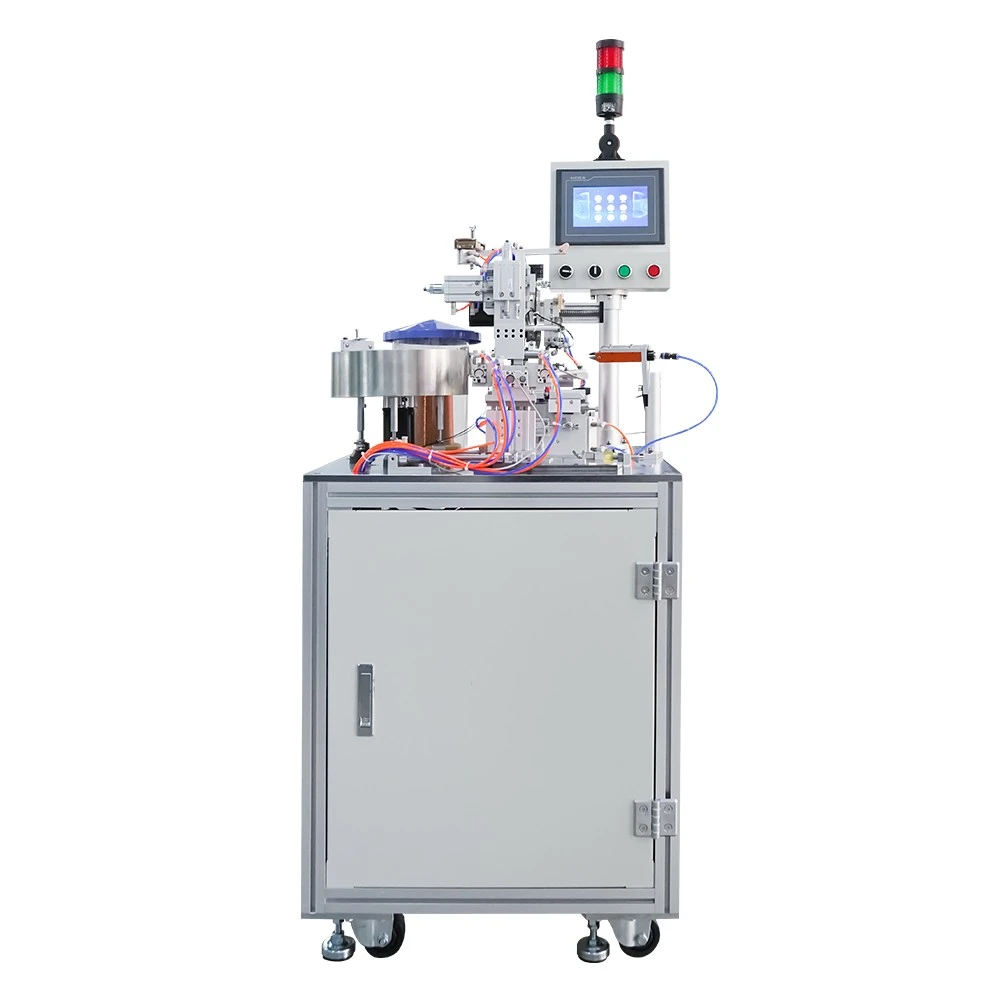
Fully Automatic Inductor Coil Winding Machine
Investing in a coil winding machine is more than a purchase—it’s a step toward better efficiency, precision, and long-term savings. Whether you’re running a small lab, a growing transformer shop, or a high-volume production line, choosing the right machine (and the right vendor) makes all the difference.
Our team can help you compare options, review demos, and select a solution that fits your exact needs with confidence.
Contact us today to discuss your project and discover how the right winding machine can boost your production quality and lower total costs.
FAQs About Coil Winding Machine Cost
1. What is the cost of a field winding machine?
Field winding machines usually cost $3,000–$15,000, depending on automation level, wire size, and features like tension control or programmable patterns.
2. What is the cost of an HV winding machine?
High-voltage (HV) winding machines typically range from $10,000–$50,000+, since they require advanced insulation handling, precision controls, and safety systems.
3. How to make a coil winding machine?
A DIY version can be built with a motorized spindle, tension device, wire guide, and counter. For hobby or lab use, simple setups use hand cranks or drill motors. Industrial versions, however, need professional-grade parts and CNC controls.
4. What are the different types of coil winding?
Layer winding – Neat layers, high precision (transformers).
Random/wild winding – Quick, less precise (motors, relays).
Orthocyclic winding – Dense packing, high fill factor (inductors).
Basket/flyer winding – Special patterns for low capacitance.

 English
  Spanish
  Russian
  Italian
  German
  Chinese