


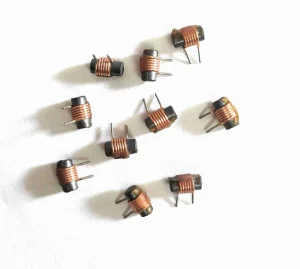
A coil winding machine is designed to wrap wire into precise coils used in transformers, motors, inductors, and and other electronic components. Unlike manual winding, which is slow and more likely to cause errors, coil winding machines automates the process to improve accuracy, repeatability, and production efficiency. By controlling winding speed, wire tension, and winding patterns, these machines help manufacturers produce consistent, high-quality coils for modern applications.

In this ultimate guide, we’ll explore everything you need to know about coil winding machines. From understanding different coil winding machine types to learning how to select, operate, and maintain your equipment, this guide provides a practical reference for your needs. Whether you’re producing transformers, working with electronics, or exploring automation solutions, this roadmap will help you make informed decisions with greater confidence.
Coil Winding Machine Types & Uses
Coil winding machines come in various designs, each built for different applications, production needs, and precision requirements. Below is a breakdown of the main coil winding machine types and their typical uses:
1. Manual Coil Winding Machines
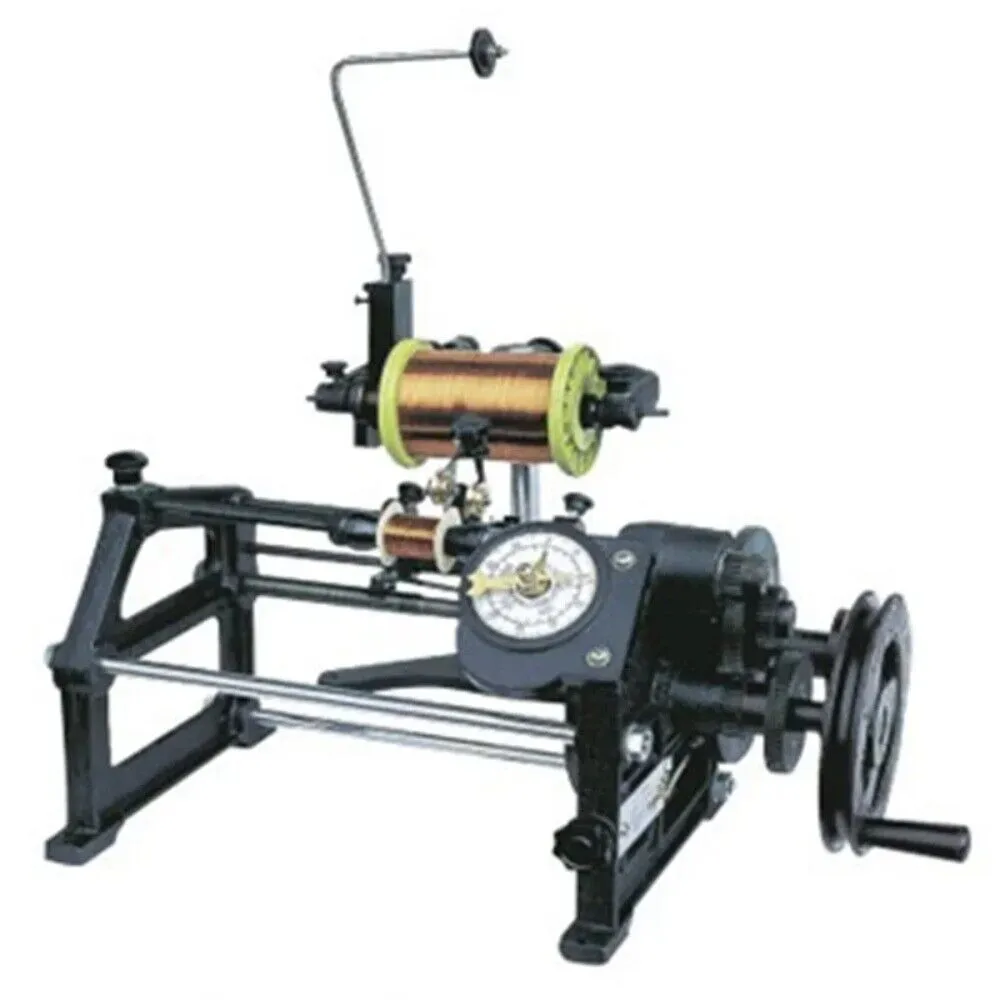
These are the most basic coil winding machines, operated by hand with simple mechanical assistance. They are suitable for prototypes, small-batch production, and training applications where cost efficiency is a priority and ultra-high precision is not required.
2. Semi-Automatic Coil Winding Machines
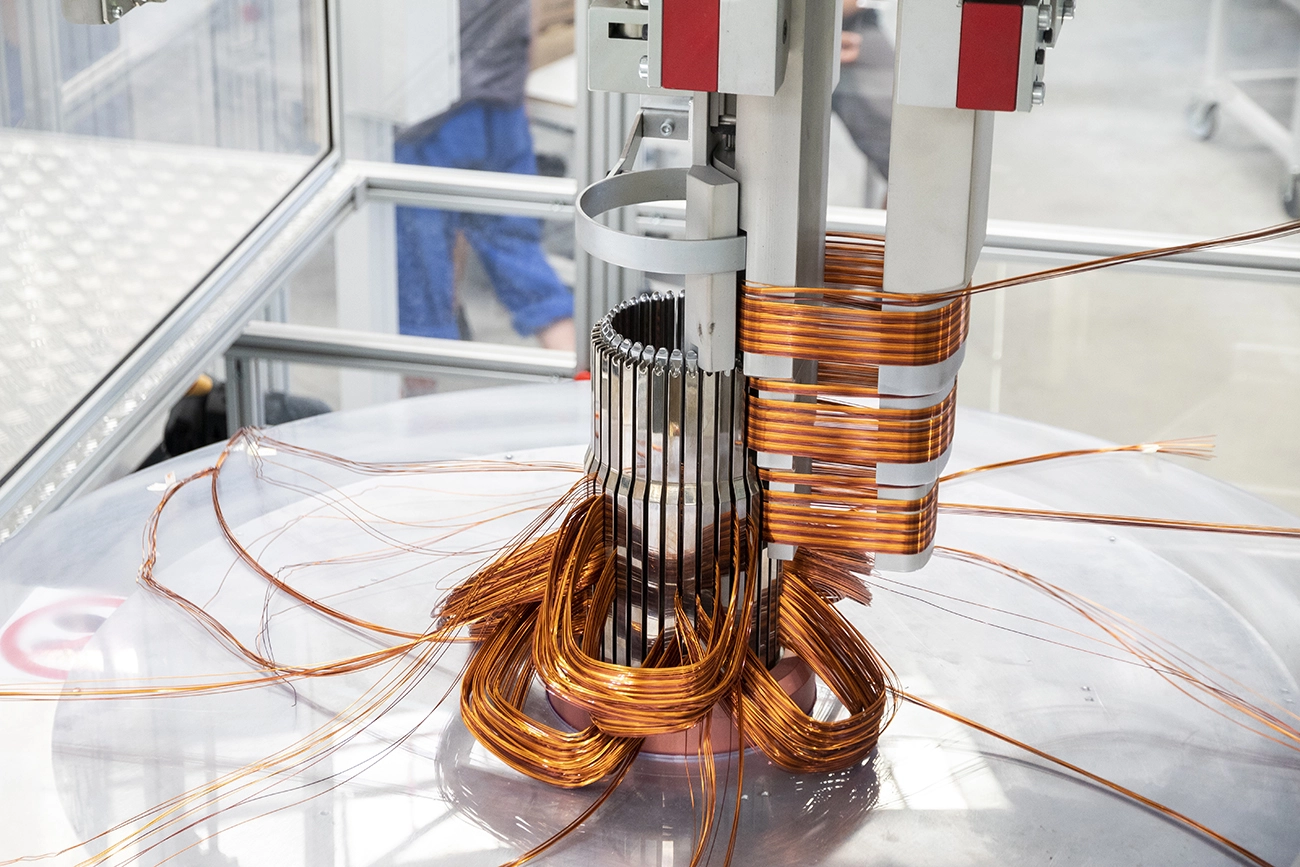
Combining manual operation with motorized control, these semi-automatic coil winding machines improve winding speed while still allowing operator control. They are ideal for low- to mid-volume production where flexibility and efficiency are important.
3. Automatic Coil Winding Machines
These automatic coil winding machines complete the winding process with minimal human involvement. With features like programmable turns, tension control, and layer control, they are widely used for mass production of motors, transformers, and inductors.
4. CNC Coil Winding Machines

Using computer numerical control (CNC) technology, these CNC coil winding machines deliver high precision, repeatability, and customization. Their programmable winding patterns make them suitable for advanced applications in electronics, aerospace,and medical industries with strict tolerance requirements.
5. Toroidal-Specific Coil Winding Machines

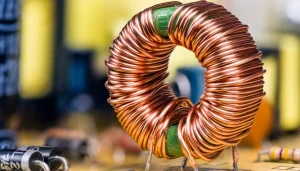
Designed for toroidal core winding, these specialized coil winding machines use threading and taping systems to handle complex core shapes. They are essential for producing toroidal transformers and inductors, with consistent wire tension and compact winding quality.
6. Precision Electronic Coil Winding Machines
These precision coil winding machines use advanced electronic controls to adjust wire tension, winding speed, and layering accuracy. They are ideal for micro-coils, sensors, and specialty applications requiring high-precision winding.
Coil Winding Machine Components
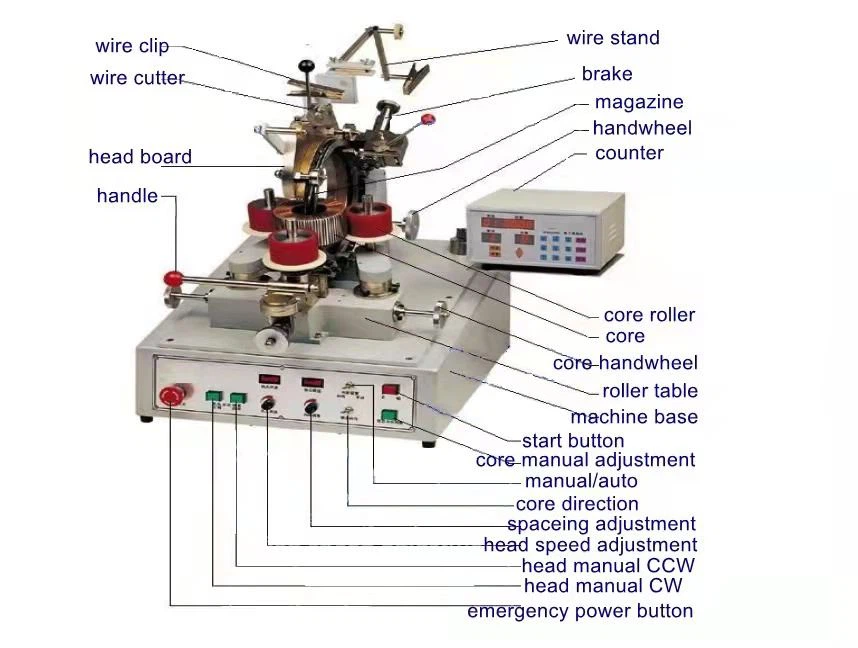
Every coil winding machine relies on several key components that directly influence winding accuracy, production efficiency, and overall performance. Understanding how these parts work together helps manufacturers choose the right equipment and achieve better winding results.
Spindle
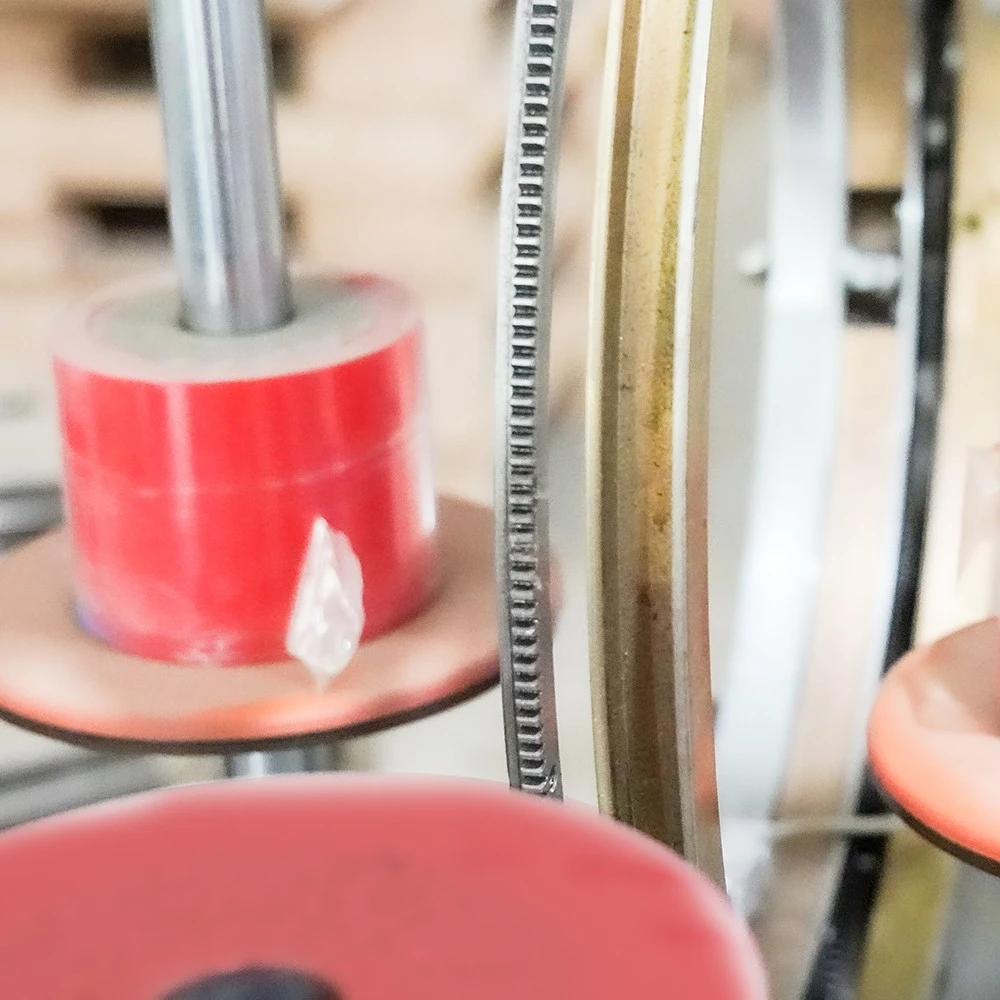
The spindle holds and rotates the coil form or bobbin during winding. Its speed and torque control affect how smoothly the wire is placed. A stable spindle minimizes vibration and helps maintain consistent turns for high-quality coils.
Tensioner
Maintaining stable wire tension is essential during the winding process. Too little tension can create loose or uneven coils, while excessive tension may stretch or break the wire. A precision tensioner system keeps the pulling force consistent, improving packing density and protecting insulation integrity.
Traverse
The traverse system moves the wire back and forth across the coil during winding. Its accuracy directly affects winding geometry and fill factor. A precise traverse creates even layers, while poor control can lead to overlaps or gaps that impact coil performance.
Wire Guide & Feeder
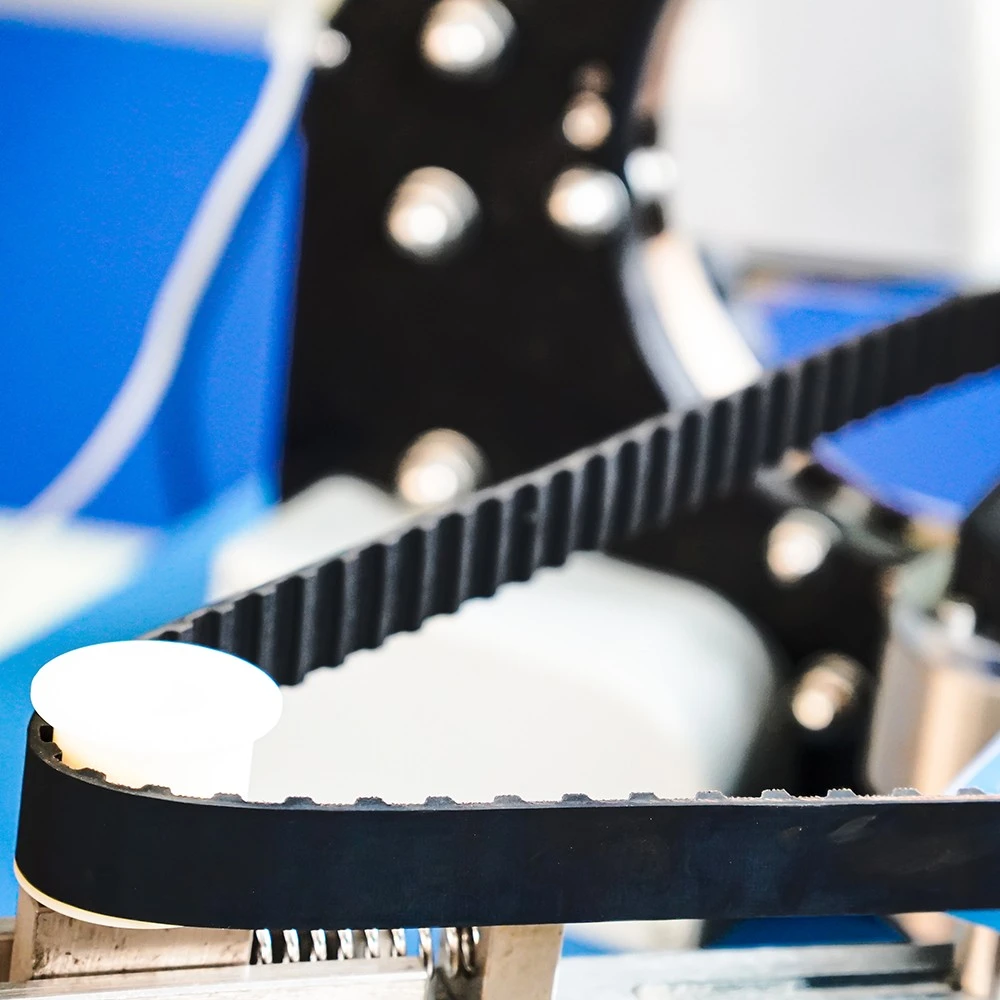
The wire guide keeps the wire properly aligned, while the wire feeder delivers it smoothly to the winding area. Together, they help prevent tangles, maintain accurate positioning, and reduce unnecessary wire stress. Advanced feeders can also adjust speed to match spindle rotation for smoother winding.
Control Systems (Torque & Responsiveness)
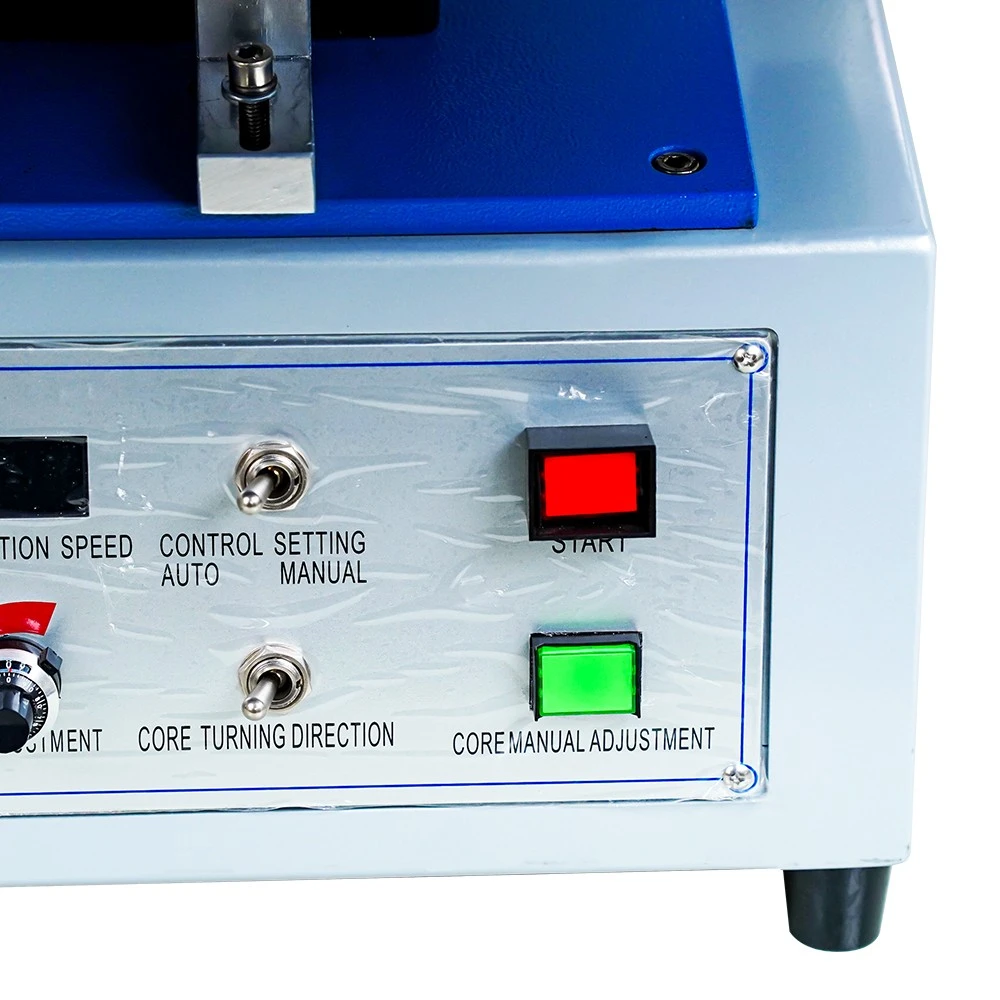
Modern coil winding machines use responsive electronic control systems to manage torque, traverse speed, and winding patterns. These controls improve repeatability, reduce errors, and support complex winding applications. Advanced systems also allow programmable settings for specialized coil production.
Together, spindle stability, precise tension control, and accurate traverse movement determine the performance of a coil winding machine. These key components work in harmony to produce reliable, consistent, and high-quality coils.
Coil Winding Machine Selection
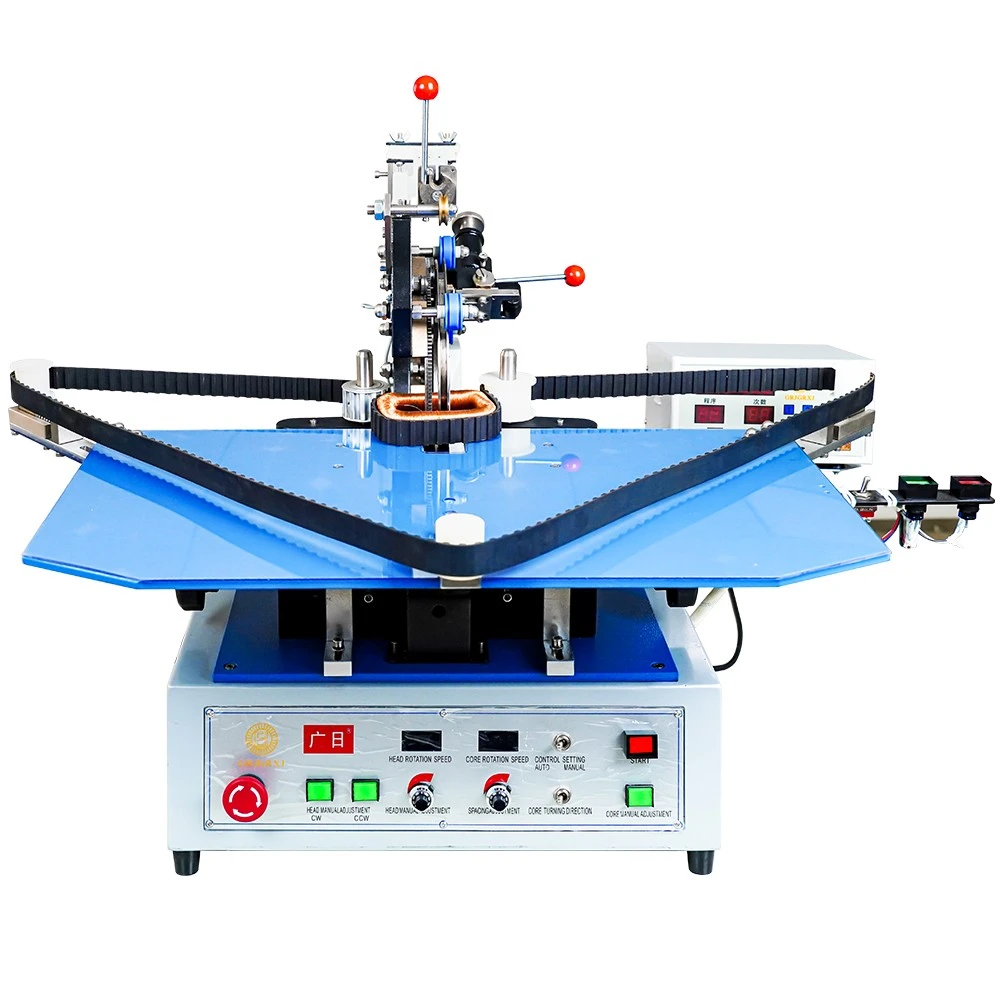
Not every coil winding project requires the same equipment. Choosing the right coil winding machine depends on several key factors:
- Wire Size: Thicker wires require machines with stronger torque and reliable tension control, while fine wires need precise tensioners and smooth feeding systems to prevent damage.
- Coil Geometry: Standard bobbins can be handled by general-purpose winders, but toroidal coils or irregular shapes require specialized coil winding machines designed for specific geometries.
- Precision Needs: For applications that demand high accuracy, such as medical sensors or aerospace components, CNC coil winding machines with programmable controls provide better repeatability and tight winding tolerances.
- Automation Level: Manual machines are suitable for prototypes and small batches, while semi-automatic models improve production speed with flexibility. For large-scale manufacturing, automatic coil winding machines and CNC systems deliver higher efficiency and precision.
Coil Winding Best Practices
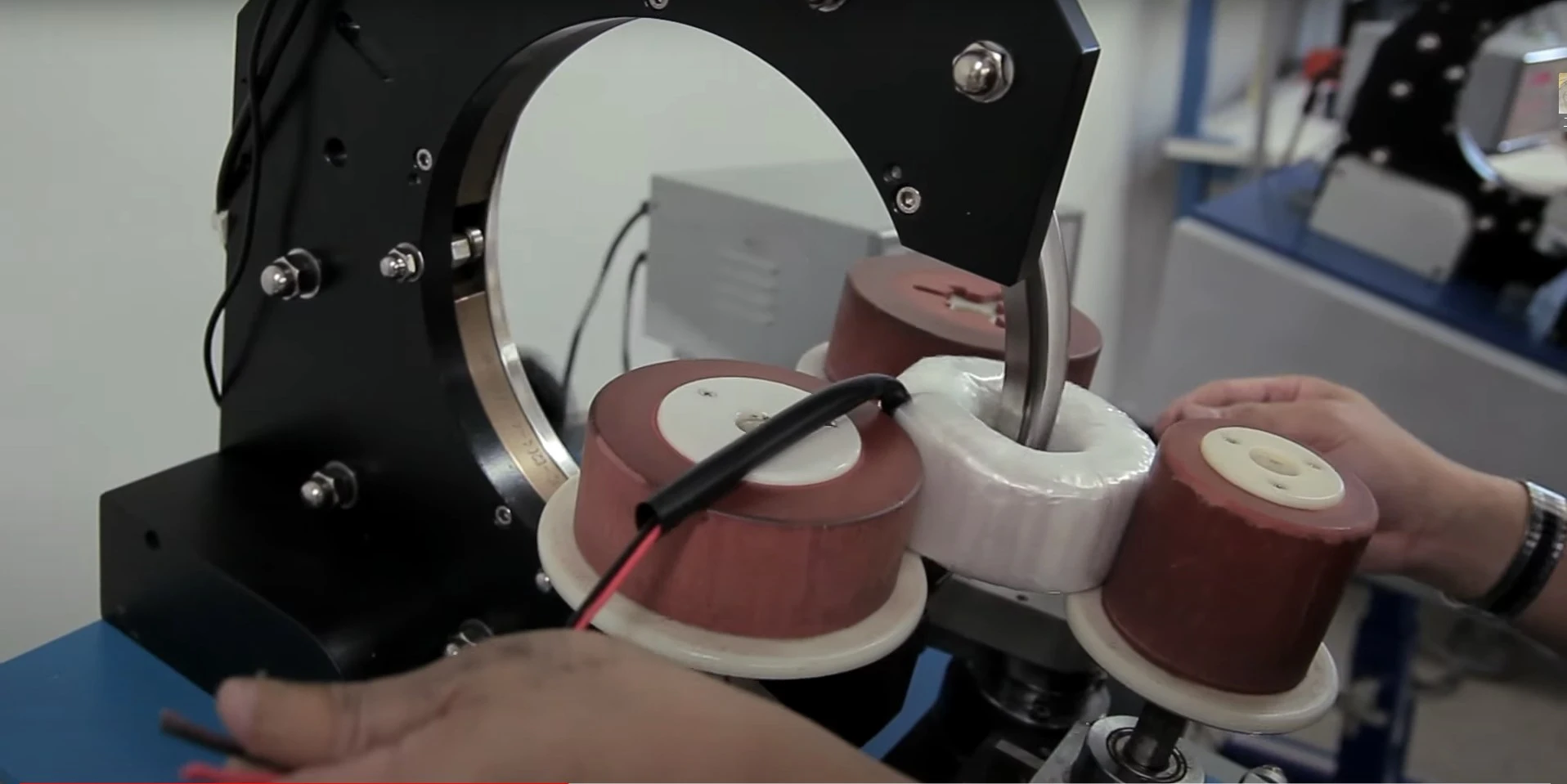
To get the best performance from a coil winding machine, proper setup and maintenance are essential. Follow these simple steps to improve winding efficiency, precision, and safe operation:
Startup & Setup
Start with a clean machine. Secure the bobbin or core on the spindle and make sure the wire reel is properly installed in the feeder before winding.Tension Control
Set the tension control according to the wire gauge. Excessive tension may break fine wires, while insufficient tension can create uneven layers. Always run a short test before full production.Programming
For automatic coil winding machines or CNC coil winding machines, set key parameters such as turn count, traverse speed, and winding pattern. Check all settings carefully to avoid production errors.Winding Process
Start slowly, watching for proper alignment of the wire. Increase speed gradually, keeping an eye on tension and traverse accuracy throughout the process.Safety Measures
Keep hands and tools away from moving parts, wear safety glasses, and never bypass protective covers. For industrial setups, ensure emergency stops are tested before production runs.Maintenance Essentials
Clean dust and debris from spindles, wire guides, and feeders regularly.
Lubricate moving parts according to the manufacturer.
- Inspect tensioners and wire guides for wear, as small issues can affect coil quality.
Perform regular calibration checks to maintain winding accuracy.
Winding Methods & Patterns
Different coil winding methods have a major impact on final coil performance. Each winding technique affects factors like fill factor, efficiency, and overall reliability. Below are the most common coil winding styles and their ideal applications:
Orthocyclic Winding
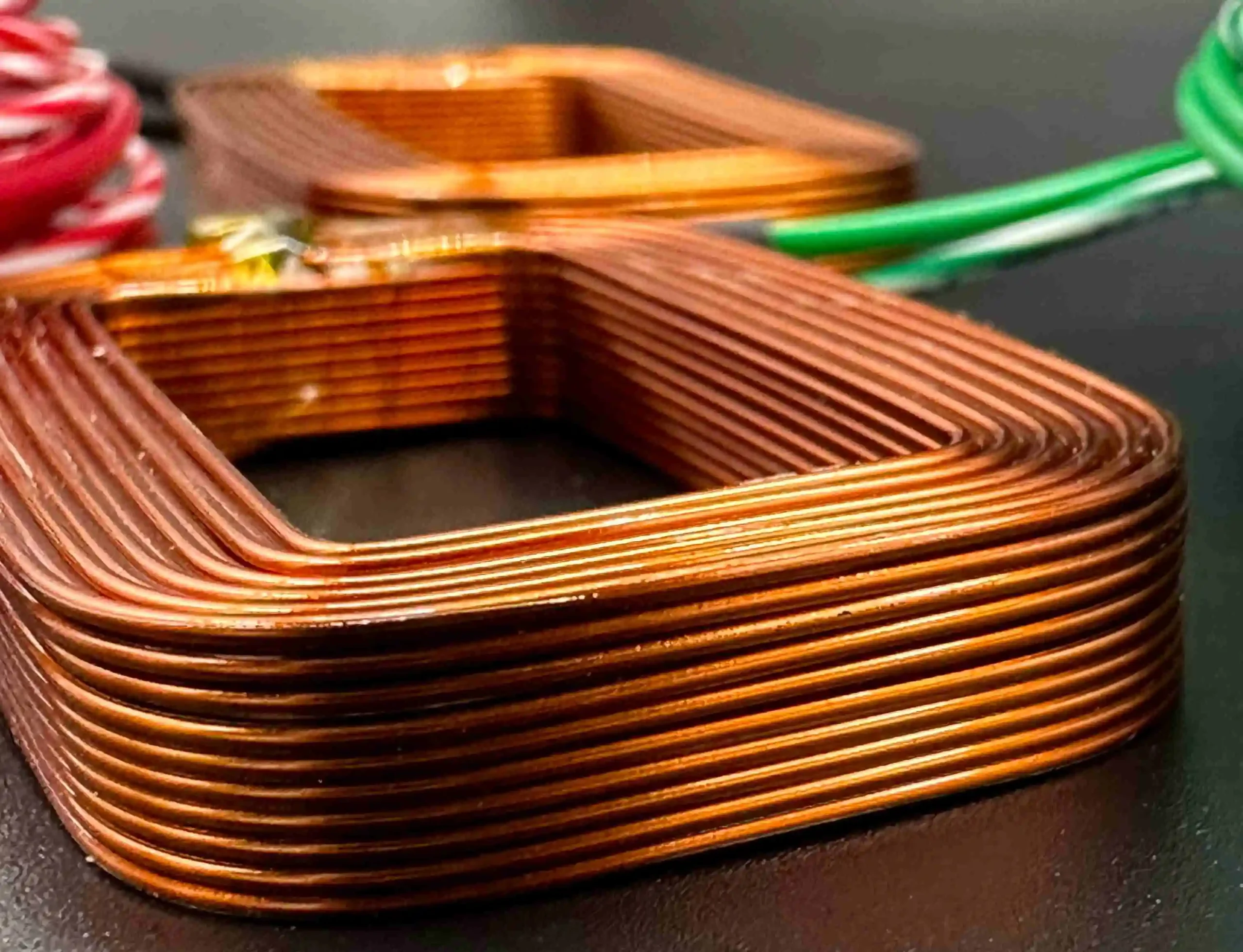
This winding method places each wire turn closely beside the previous one, creating a neat, honeycomb-like pattern. It provides a high fill factor, allowing more copper to fit into the same space. Orthocyclic winding is commonly used for transformers, inductors, and high-performance coils where space efficiency and performance are important.
Wild Winding
Also known as random winding, this method places wire quickly without strict layer alignment. Compared with orthocyclic winding, it offers a lower fill factor but provides faster production and lower cost. It is suitable for lower-frequency transformers or coil applications where maximum efficiency is not the main requirement.
Basket Winding
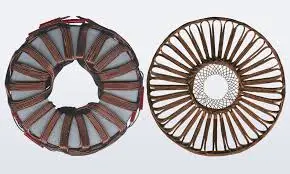
In basket winding, the wire is arranged in a crisscross pattern similar to a woven basket. This winding technique helps reduce parasitic capacitance and improves high-frequency performance. It is commonly used for RF coils, audio transformers, and other applications where reducing electrical noise is important.
Flyer Winding

Flyer winding uses a machine that rotates the wire around a fixed bobbin instead of spinning the bobbin itself. This method is well suited for large coils, motor windings, and stators where the bobbin is too large or heavy to rotate. It provides a practical balance between winding efficiency and mechanical simplicity.
The choice of winding method depends on your priorities—whether it’s maximizing copper usage, saving time, reducing capacitance, or handling large formats. Selecting the right pattern ensures your coil performs at its best in real-world applications.
Industry Applications
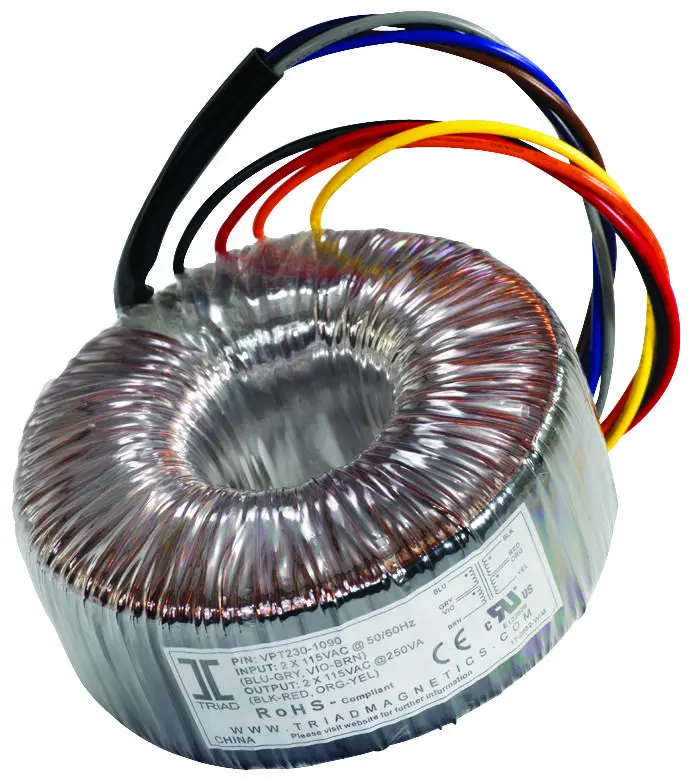
Coil winding machines are widely used across different industries, where precise and consistent coils are essential for reliable performance. Below are some common applications and the benefits they provide:
Transformers
From small electronic devices to large power systems, coil winding machines ensure accurate turns and consistent winding patterns. This helps improve energy efficiency, reduce losses, and support longer service life.Inductors
Used in signal processing and power electronics, inductors require stable coil geometry and reliable winding quality. Automated coil winding machines improve consistency, helping maintain performance and reduce unwanted noise.EV Motors
Electric vehicle (EV) motors require high-speed and high-torque coils. CNC coil winding machines and automatic winders provide the precision and production capacity needed for large-scale manufacturing while supporting efficiency and durability.Medical Coils
Medical imaging equipment, sensors, and isolation transformers rely on highly accurate windings. Specialized coil winding machines deliver the precision and repeatability needed to meet demanding safety and performance requirements.
Real-World Benefits
Across these industries, coil winding machines provide key advantages:
Speed –Faster production compared with manual winding.
Accuracy – Consistent wire tension and turn control improve coil performance.
Scalability – Easy transition from prototypes to mass production.
Overall, coil winding technology plays an important role in modern manufacturing, helping industries create safer, more efficient, and scalable products.
Troubleshooting Guide

Even the best coil winding machines may face issues during daily operation. Understanding common problems and solutions helps reduce downtime, minimize scrap, and keep production running smoothly.
Common Issues and Quick Fixes
Wire Breaks
Wire breaks are often caused by excessive wire tension, sharp guide edges, or poor wire quality. Start by checking tension settings, inspecting wire guides for burrs, and ensuring smooth wire feeding.Tension Loss
Loose or uneven coils may indicate incorrect tension settings or a worn tension control system. Recalibrate the tension settings, remove debris, and check that the tensioner spring or electronic controls are working properly.Mechanical Wobble
A shaking spindle or bobbin is usually caused by improper mounting or spindle bearing wear. Secure the bobbin again, check alignment, and replace worn bearings if necessary.
When to Call for Maintenance
If issues continue after basic checks—such as repeated wire breaks, unstable traverse movement, or control system faults—it’s best to contact a trained technician. Regular maintenance helps identify hidden problems, extend machine life, and maintain reliable coil performance.
By solving small issues early and knowing when to seek support, you can reduce downtime and keep your coil winding process efficient and stable.
Coil Winding Manufacturers
GR Winding (GuangRi)
Founded in 1993 and based in Foshan, China, GR Winding specializes in toroidal winding machines and stator winding machines. With a focus on precise tension control and automated taping solutions, the company serves transformer and electronics manufacturers worldwide.
Grewin Industrial Group
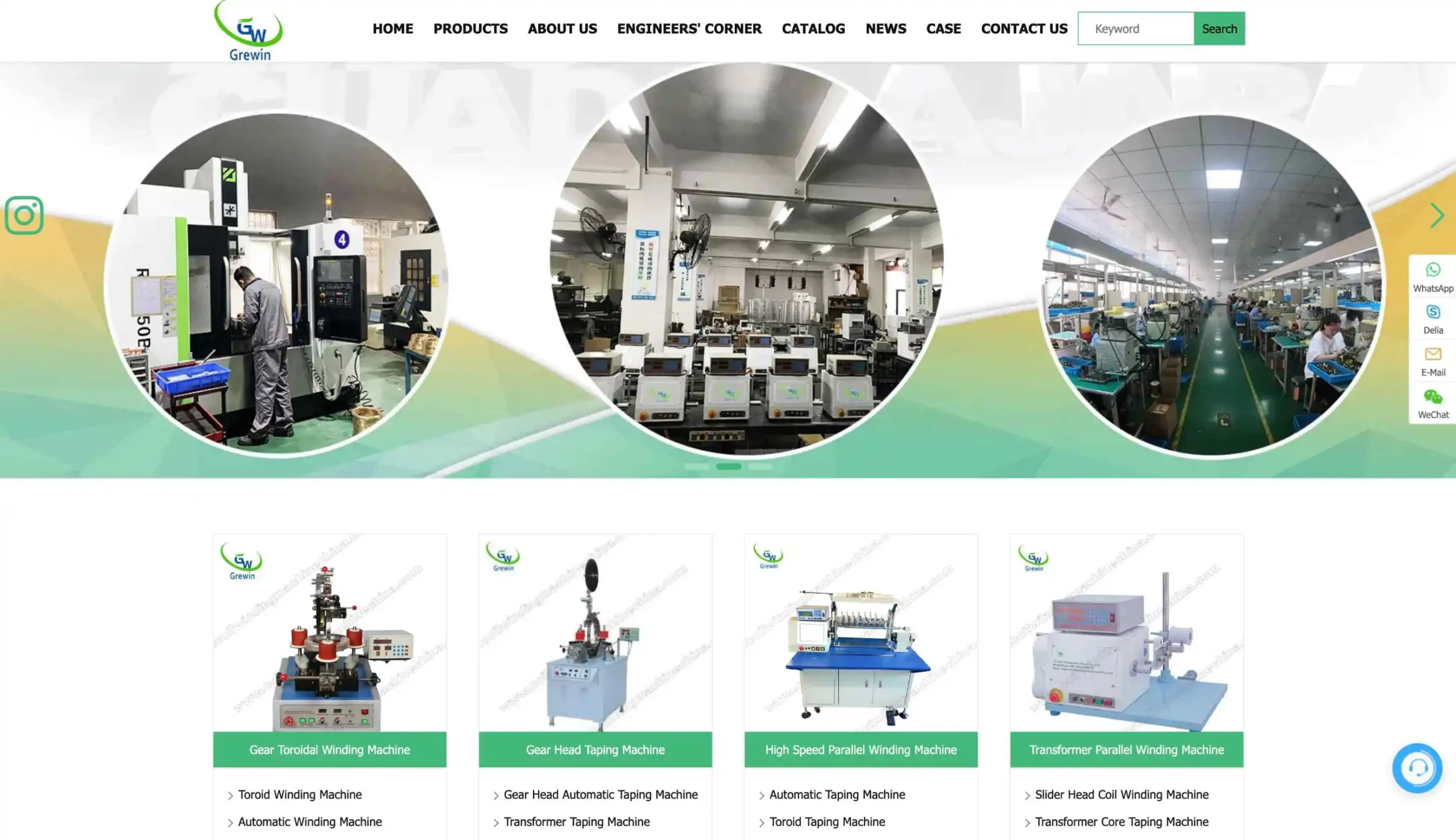
Grewin Industrial Group is a Chinese manufacturer offering automatic, semi-automatic, and toroidal winding machines. Their equipment features touchscreen controls, servo motors, and modular designs, supporting customers across more than 60 countries.
ACE Equipment
ACE Equipment is known for its automatic coil winding machines designed for transformer applications. The company focuses on delivering quality, efficiency, and durability for various industrial winding needs.
Teeming Machinery
Founded in 1989, Teeming Machinery is a Taiwan-based supplier offering toroidal winding machines, relay, solenoid, and transformer winding solutions. With strong automation capabilities and R&D experience, they help manufacturers improve productivity and coil winding precision.
Find Your Coil Winding Machine
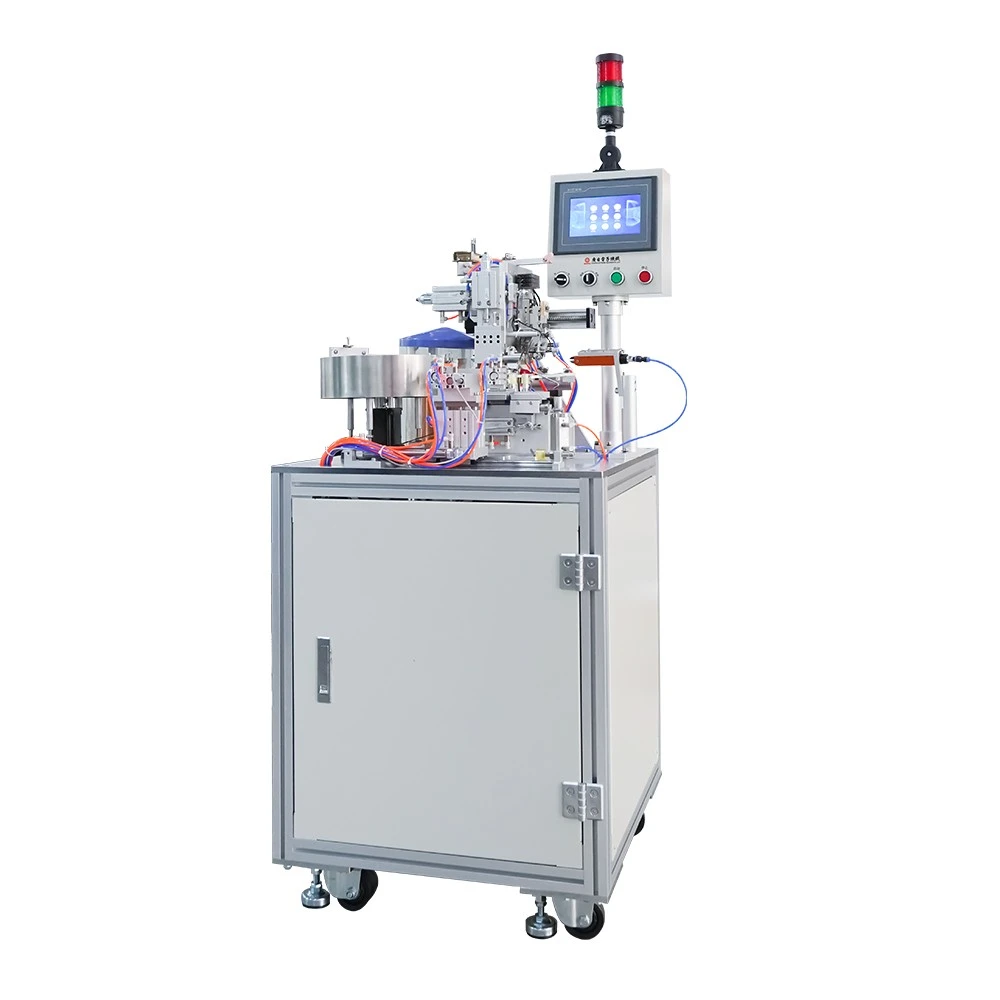
Choosing the right coil winding machine can directly impact your production efficiency and coil quality. Whether you need a manual machine for prototypes, a CNC coil winding machine for precision applications, or a toroidal winding machine for transformer production, the right supplier helps ensure reliable performance and long-term value.
Contact us today to discuss your project and discover how the right coil winding machine can improve production efficiency, reduce costs, and help you achieve better output.

 English
  Spanish
  Russian
  Italian
  German
  Chinese