


Toroidal transformers are the compact, donut-shaped power components you’ll find in audio systems, medical devices, renewable energy equipment, and industrial machines. They’re valued for their efficiency, low noise, and ability to deliver clean, stable power. In these applications, reliability is critical—one failure can cause downtime, costly repairs, or even safety risks.

While toroidal transformers are durable, they’re not immune to problems. Heat buildup, electrical surges, mechanical stress, and poor installation can all shorten their lifespan. Because they’re often hidden inside equipment, early warning signs can go unnoticed. Knowing why they fail and how to prevent it helps keep systems running smoothly.
Common Failure Causes of Toroidal Transformers
Even the best toroidal transformers can fail if certain problems creep in. Let’s walk through the main culprits and why they matter.
1. Design & Manufacturing Flaws
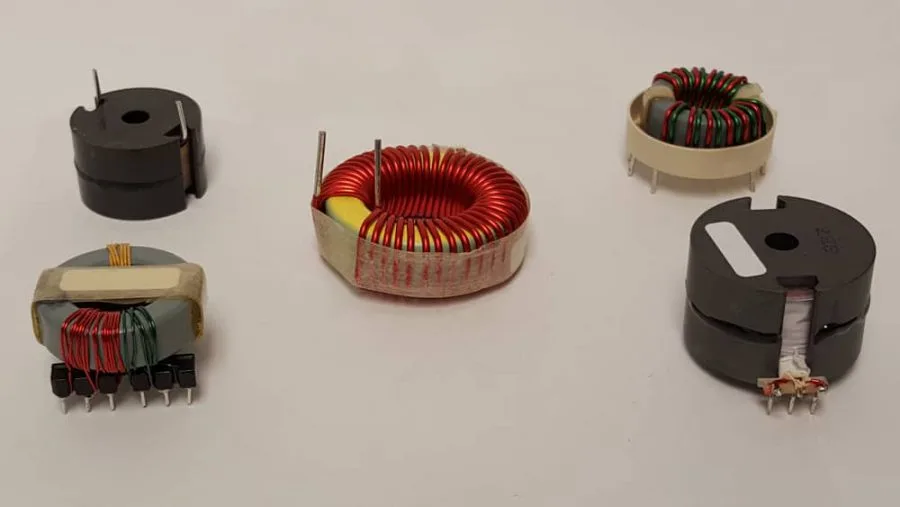
A transformer’s life starts at the design table. If the design is undersized for its load, heat will build up faster than it can dissipate. Poor thermal management or weak insulation can lead to overheating and short circuits. Cheap or low-grade core materials also hurt efficiency and raise the risk of failure. Quality winding work matters too—uneven winding tension or sloppy layering can create hot spots that slowly destroy the insulation.
2. Installation & Environmental Factors
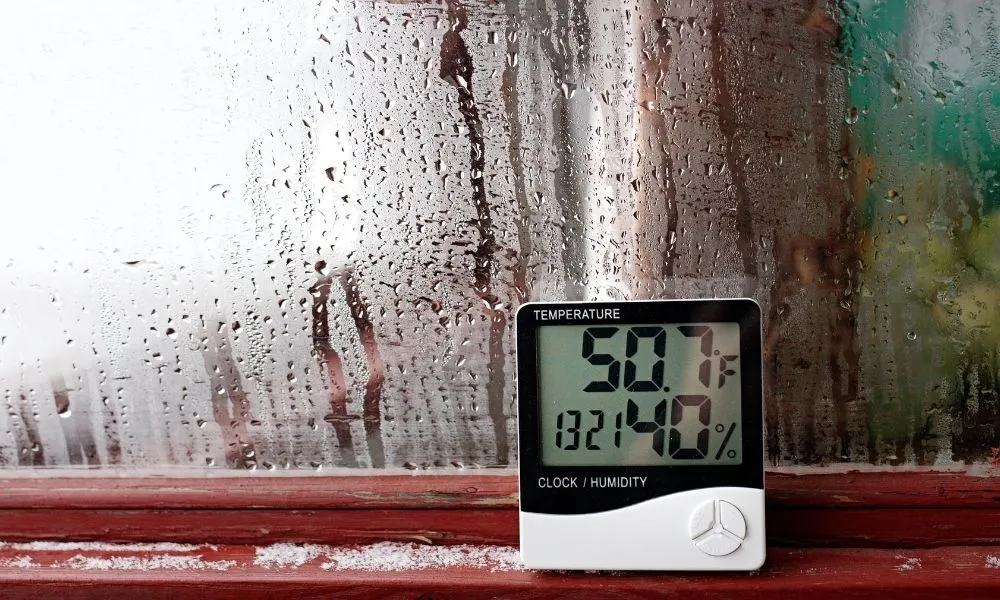
Even a perfectly built transformer can fail if it’s installed wrong. Improper mounting can cause vibration damage over time. Poor ventilation traps heat, while humid, dusty, or corrosive environments can degrade insulation and metal parts. Placement near heat sources or in sealed enclosures without airflow is a common, avoidable mistake.
3. Operational Misuse & Electrical Stress

Pushing a transformer beyond its limits is asking for trouble. Overloading—whether in short bursts or constantly—overheats the windings. Frequent on/off cycling, sudden voltage surges, or electrical noise from harmonics add more stress. Another hidden killer is inrush current—that large, brief spike when you first power up. Without soft-start protection, it can weaken insulation and shorten lifespan.
4. Physical & Mechanical Issues

If your transformer starts humming or buzzing, don’t ignore it. This noise can come from magnetic saturation, loose windings, or vibration in the core. While some hum is normal, a sudden increase often means something is wearing out or coming loose inside.
5. Aging & Degradation

Time takes its toll. Insulation breakdown, metal fatigue, and gradual wear from years of heat and vibration all chip away at performance. Even under perfect conditions, a transformer’s materials will age, so regular inspections are key to catching problems early.
Diagnostics & Failure Detection

Catching a toroidal transformer problem early can save you from costly downtime or even total equipment failure. Here’s how to spot trouble before it’s too late.
1. Visual & Basic Inspection
Start simple—your eyes can tell you a lot. Look for signs of overheating like darkened insulation, melted spots, or burnt smells. Discoloration on the windings or casing often points to excessive heat. If you see loose windings or parts shifting inside, that’s a red flag for mechanical wear or poor mounting. A quick flashlight check during routine maintenance can reveal small issues before they grow.
2. Electrical Testing
When visual checks aren’t enough, grab your multimeter. Test for winding continuity to ensure there are no breaks, and measure insulation resistance to catch breakdowns before they cause shorts. Check for ohmic imbalance between windings—uneven resistance can mean damage, corrosion, or partial shorts. Even a simple series bulb test can help spot unexpected current draw that hints at internal faults.
3. Advanced Diagnostic Techniques
For critical equipment, deeper testing can make all the difference. Partial Discharge (PD) testing can detect tiny insulation faults long before they turn into failures. Frequency Response Analysis (FRA) helps reveal changes in winding structure or core integrity. If your transformer is part of an oil-filled system, Dissolved Gas Analysis (DGA) is invaluable—it identifies gases released by overheating or arcing, giving you an early warning of serious problems.
Impact of Environmental Conditions

Where your toroidal transformer lives has a big effect on how long it lasts. Overtemperature, humidity, dust, and corrosive agents can quietly damage its core, windings, and insulation over time.
High heat speeds up insulation breakdown and can warp internal parts. Humidity encourages rust and electrical leakage. Dust traps heat and may cause short circuits. Corrosive chemicals—common in coastal or industrial settings—eat away at metal surfaces.
You can fight back with high-grade insulation, protective coatings, sealed housings, and better ventilation. Choosing the right materials and shielding from harsh environments is one of the easiest ways to extend transformer life.
Preventive Measures for Toroidal Transformer Failures

Keeping your toroidal transformers healthy isn’t just about fixing problems—it’s about preventing them in the first place. Here are the most effective ways to protect your investment.
Design Improvements – Start with a transformer that’s built to last. A proper thermal design ensures heat can escape efficiently. Using high-grade insulation and quality core materials reduces energy loss and improves durability. This is your first and best defense against overheating and premature failure.
Installation Best Practices – Even a well-made transformer can fail if installed poorly. Make sure it’s securely mounted to prevent vibration damage. Allow for ample airflow so heat doesn’t build up inside the enclosure. Where possible, use vibration damping pads or mounts to protect windings from mechanical stress.
Inrush Protection – Powering up a transformer can cause a brief but intense inrush current that stresses insulation and windings. Adding a current limiter or soft-start mechanism smooths this surge, protecting the transformer every time it’s switched on.
Routine Monitoring – Don’t wait for a problem to appear—check regularly. Use Frequency Response Analysis (FRA) to detect winding movement, Partial Discharge (PD) testing for early insulation faults, and Dissolved Gas Analysis (DGA) for oil-based units to spot overheating or arcing before it becomes critical.
By combining good design, careful installation, electrical protection, and consistent monitoring, you can extend the life of your toroidal transformers and keep your systems running reliably for years.
Ready to Keep Your Transformers Running Strong?

Whether you need expert advice, custom-designed toroidal transformers, or professional troubleshooting, our team is here to help. We specialize in high-quality designs, precision installation, and long-term performance solutions.
Contact us today to discuss your project, get a free consultation, or schedule a transformer health check. Let’s make sure your power stays reliable—now and for years to come.
FAQs
1. Do toroidal transformers go bad?
Yes, even toroidal transformers can fail over time. Common causes include overloading, prolonged exposure to high temperatures, and insulation breakdown—all of which degrade performance and shorten lifespan.
2. What is the most common failure of transformers?
The most frequent failure mode in transformers is insulation failure, often triggered by overheating or electrical stress. About 30% of power transformer failures are related to insulation and overloading issues.
3. What are the disadvantages of toroidal transformers?
Toroidal transformers offer great efficiency and quiet operation, but they come with trade-offs. They’re typically more expensive, harder to repair, have limited power capacity, and can retain heat more, making them less suitable for high-power or rugged applications.
4. What are the symptoms of a failing transformer?
A failing transformer often shows visible signs like discoloration, a burning smell, or visible overheating. You’ll also notice excess buzzing or humming, vibration, or odd noises—telling signs of internal stress or insulation issues.

 English
  Spanish
  Russian
  Italian
  German
  Chinese