


A coil winding machine is the heart of transformer, motor, and inductor production. Like any precision equipment, it demands consistent care. When maintenance is neglected, small issues can quickly snowball into costly problems—downtime, defective coils, wasted wire, and even permanent machine damage. A single unexpected breakdown can disrupt schedules, delay deliveries, and increase production costs.
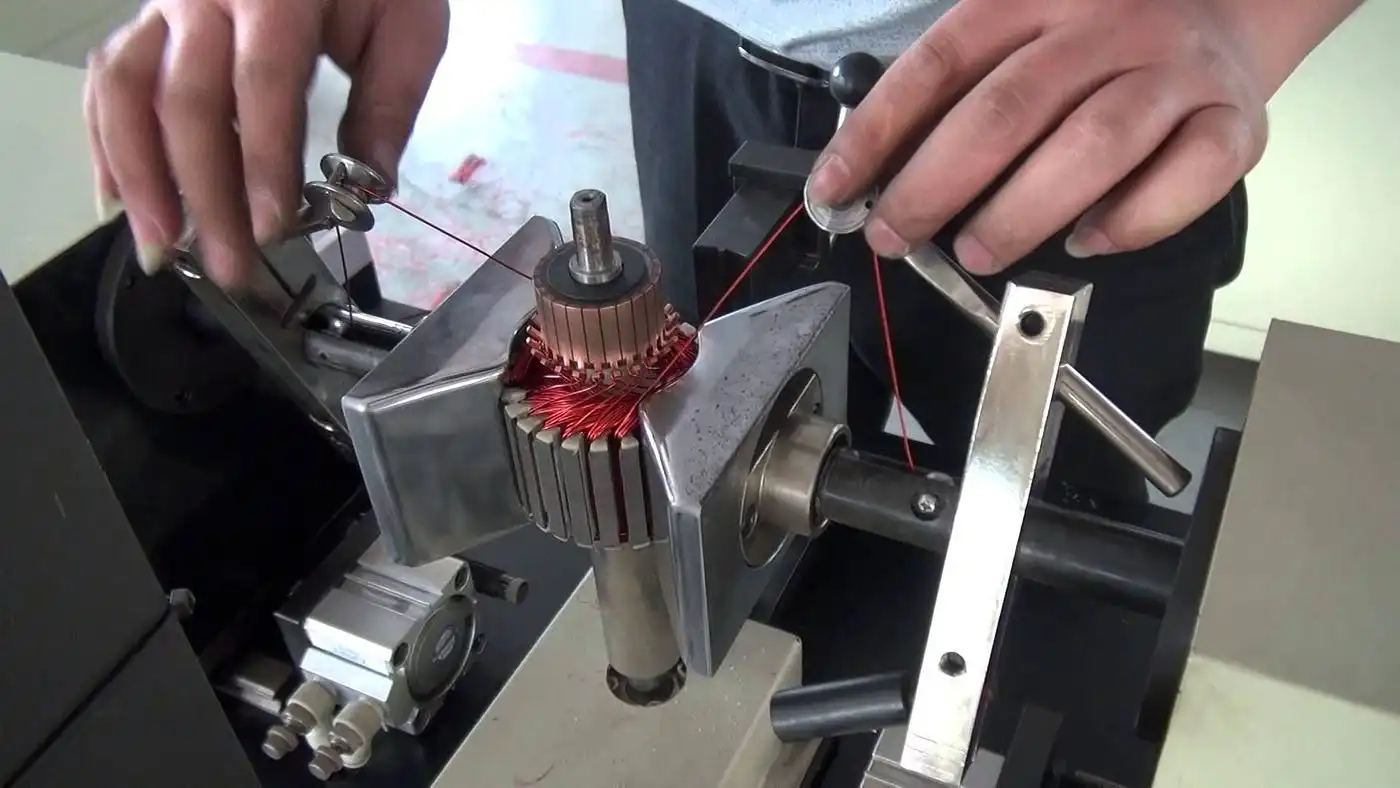
That’s why preventive maintenance matters. Instead of waiting for something to break (reactive maintenance), preventive care keeps the machine running at peak efficiency. Simple actions like cleaning, lubrication, and calibration extend the life of moving parts, reduce wear, and ensure winding accuracy. By taking a proactive approach, you avoid unplanned stoppages, maintain product quality, and protect your investment for the long term.
Daily Maintenance Tasks
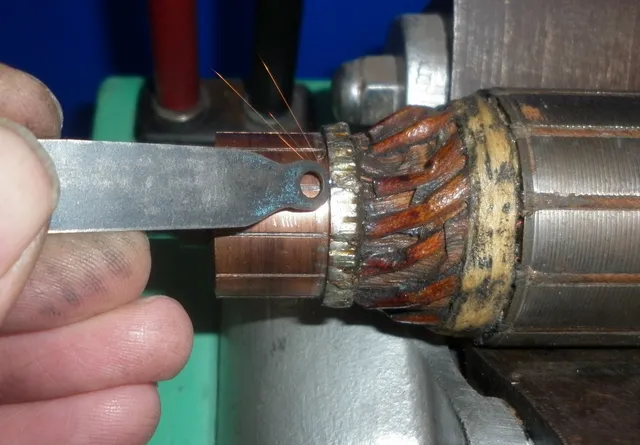
Keeping your coil winding machine in top condition doesn’t require complex steps—just consistent, daily care. A few minutes each day can prevent costly downtime and keep your production running smoothly.
Clean dust, wire debris, and swarf
During winding, fine particles and wire scraps can build up around guides, spindles, and rollers. Left unchecked, these tiny fragments cause friction, scratches, and even insulation damage. A quick wipe-down at the start and end of each shift keeps surfaces clean and reduces wear.
Inspect guides, spindles, rails, and moving parts
Visual checks go a long way. Look for signs of unusual wear, loose fasteners, or misalignment. Even a small bend or crack can affect wire placement, so catching it early prevents defects in your coils.
Run no-load tests
Before starting production, run the machine without wire. Listen closely for abnormal noises—grinding, rattling, or high-pitched squeals. Feel for unusual vibration. These early warning signs help you spot bearing wear, motor imbalance, or alignment issues before they escalate.
Daily maintenance isn’t just about protecting the machine—it’s about protecting your output. Clean machines wind better coils, with fewer defects and less waste.
Weekly / Periodic Checks

Think of weekly checks as your machine’s “health routine.” These small but consistent actions keep your winder stable and reliable.
Lubricate bearings, threads, and slides
Friction is the enemy of precision. Apply the recommended grease or oil to keep movements smooth and prevent premature wear.Check belts, springs, and tension components
Over time, belts can slacken and springs can lose their force. Inspect for cracks, looseness, or unusual stretch, and replace before they fail mid-run.Tighten bolts, screws, and fasteners
Vibration during winding can gradually loosen parts. A quick torque check ensures nothing shifts out of alignment.Inspect wiring, connectors, and grounding
Loose or corroded electrical connections can cause false signals or sudden shutdowns. Regularly re-secure them to maintain safe, stable operation.
Monthly & Quarterly Inspections

These deeper inspections prevent hidden issues from growing into production stoppers.
Check sensor alignment, limit switches, and encoder calibration
Accurate detection is essential for coil turns and wire placement. Realign and recalibrate regularly to avoid miscounts and misfeeds.Inspect motor health
Listen for bearing noise, check for overheating, and confirm smooth acceleration. Small issues caught early save you from costly replacements.Examine insulation and electrical cabinet
Dust and humidity can degrade insulation over time. Keep the cabinet clean, check resistance, and ensure circuits are dry and secure.
Annual Deep Maintenance
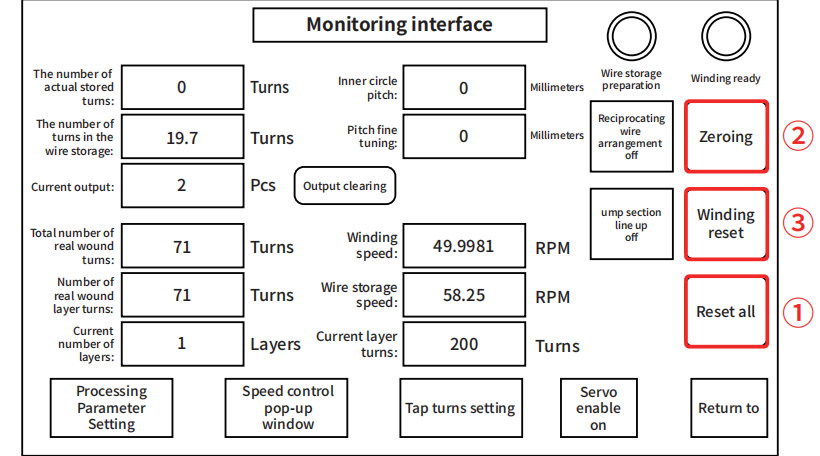
Once a year, schedule a full teardown and inspection. This is the “reset button” that extends your machine’s life.
Disassemble major moving parts
Clean, inspect, and repair key assemblies like guides, brakes, and winding heads. Remove hidden debris that daily cleaning may miss.Replace worn components
Bearings, belts, and tensioners are wear items. Swap them proactively to avoid unexpected downtime during production.Full calibration
Recalibrate the traverse, counter, and controller systems. This ensures precision winding and restores factory-level accuracy.
Maintenance Recordkeeping & Scheduling

A good maintenance program is only as strong as its records. By tracking what’s been done and when, you can prevent surprises and keep the machine running smoothly.
Use logs and checklists for each cycle
Create daily, weekly, and annual checklists. Operators can tick off completed tasks, ensuring nothing slips through the cracks.Track mean time between failures (MTBF)
Recording breakdown frequency and part replacement history helps predict when critical components like belts or bearings will need swapping.Assign responsibilities and train operators
Make maintenance part of the team’s routine. Training operators to recognize early warning signs avoids small issues turning into big failures.
Special Considerations & Tips

Different environments and operations demand extra care.
Dusty or harsh environments
If your shop has high dust, heat, or humidity, clean and grease more often. Install covers or filters where possible to protect sensitive parts.Spare parts stocking strategy
Keep essentials like belts, bearings, and sensors in stock. Waiting weeks for a replacement can halt production, while a stocked shelf saves you time.Software and firmware updates
Modern coil winding machines may rely on digital controllers. Regularly update software and back up configurations to protect against crashes or data loss.
Troubleshooting & Warning Signs

Even with preventive care, problems can happen. Recognizing symptoms early makes solutions faster and cheaper.
- Excessive vibration → Likely cause: loose bearing or shaft misalignment.
Action: Tighten fasteners, realign, or replace bearings. - Frequent wire breakage → Likely cause: worn guide or incorrect tension.
Action: Inspect guides, reset tension, or replace worn parts. - Uneven winding layers → Likely cause: traverse miscalibration.
Action: Recalibrate traverse and controller settings. - Overheating motor → Likely cause: dust buildup or failing cooling fan.
Action: Clean ventilation paths and inspect fans.
Ready to Keep Your Coil Winding Machines Running at Their Best?

Proper maintenance is the difference between a machine that struggles and one that performs at peak efficiency year after year. If you’re looking for expert guidance, spare parts, or customized coil winding solutions, our team is here to help.
Contact us today to discuss your needs, schedule support, or request a quote. Together, we’ll make sure your production stays smooth, reliable, and cost-effective.
FAQs
What are common problems with coil winding machines?
Typical issues include inconsistent wire tension, loose or uneven winding layers, wire breakage or necking, enamel insulation damage, misalignment of guides/traverse, faulty counters or sensors, package rotation failure, and slack belts or springs.
How to clean motor winding?
First, disconnect and isolate the motor for safety. Choose a cleaning method (CO₂ blowing for dust, detergent/steam for grease, or non-conductive solvents). Gently remove debris, rinse if needed, then fully dry the windings. Finally test insulation resistance before reassembly.
What is the coil winding process?
Coil winding involves feeding insulated wire under controlled tension and motion, wrapping it around a core or bobbin following a defined pattern (layers, pitch, direction), counting turns, and finishing with insulation or potting. The goal is uniform winding with tight packing and no defects. (Based on general coil winding technology)
What are the steps of motor rewinding?
Motor rewinding typically follows: (1) Disassemble the motor and label connections; (2) Remove or strip out old windings; (3) Gather original winding data (turns, wire gauge, slot layout); (4) Fabricate new coils with correct tension and insulation; (5) Insert coils into stator slots and connect; (6) Insulate, bake or cure; (7) Reassemble and test for insulation, performance, balance.
 English
  Spanish
  Russian
  Italian
  German
  Chinese