


Alternators are essential in generating reliable electrical power, and their stator windings play a key role in performance.
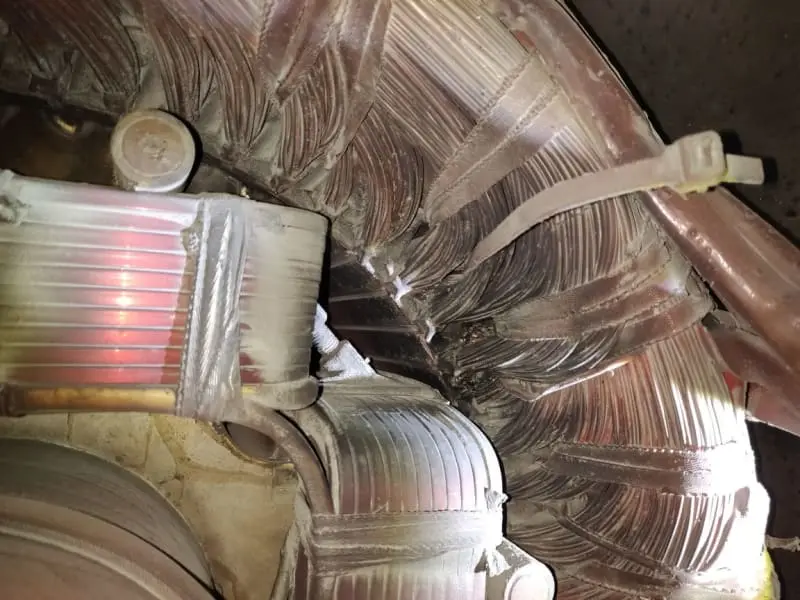
Faults in these windings can cause major failures, unexpected downtime, and expensive repairs if not addressed early.
What Are Stator Winding Faults?
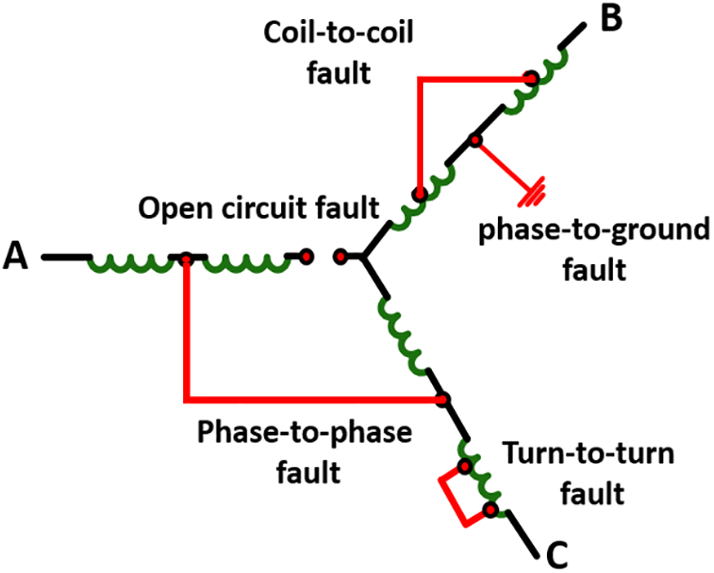
Stator winding faults are electrical failures in the stationary coils of an alternator.
They disrupt voltage generation, cause excessive heating, and, if ignored, can lead to serious damage or complete alternator failure.
What Causes Stator Winding Faults?
Stator winding faults don’t just happen—they’re usually the result of long-term stress or unfavorable operating conditions.
Understanding these causes helps in planning preventive strategies to boost reliability and extend alternator life.
Insulation Breakdown: Caused by overheating, aging, or moisture ingress.
Overloading and Overcurrents: From running above rated capacity or imbalanced phases.
Mechanical Stresses: Vibration, rotor imbalance, or loosened core components.
Contamination: Oil, dust, or chemical intrusion leading to insulation failure.
Unbalanced Loads: Create uneven current flow and hot spots.
Poor Cooling: Inadequate ventilation speeds up thermal degradation.
Types of Stator Winding Faults

Here are the types of Stator Winding Faults:
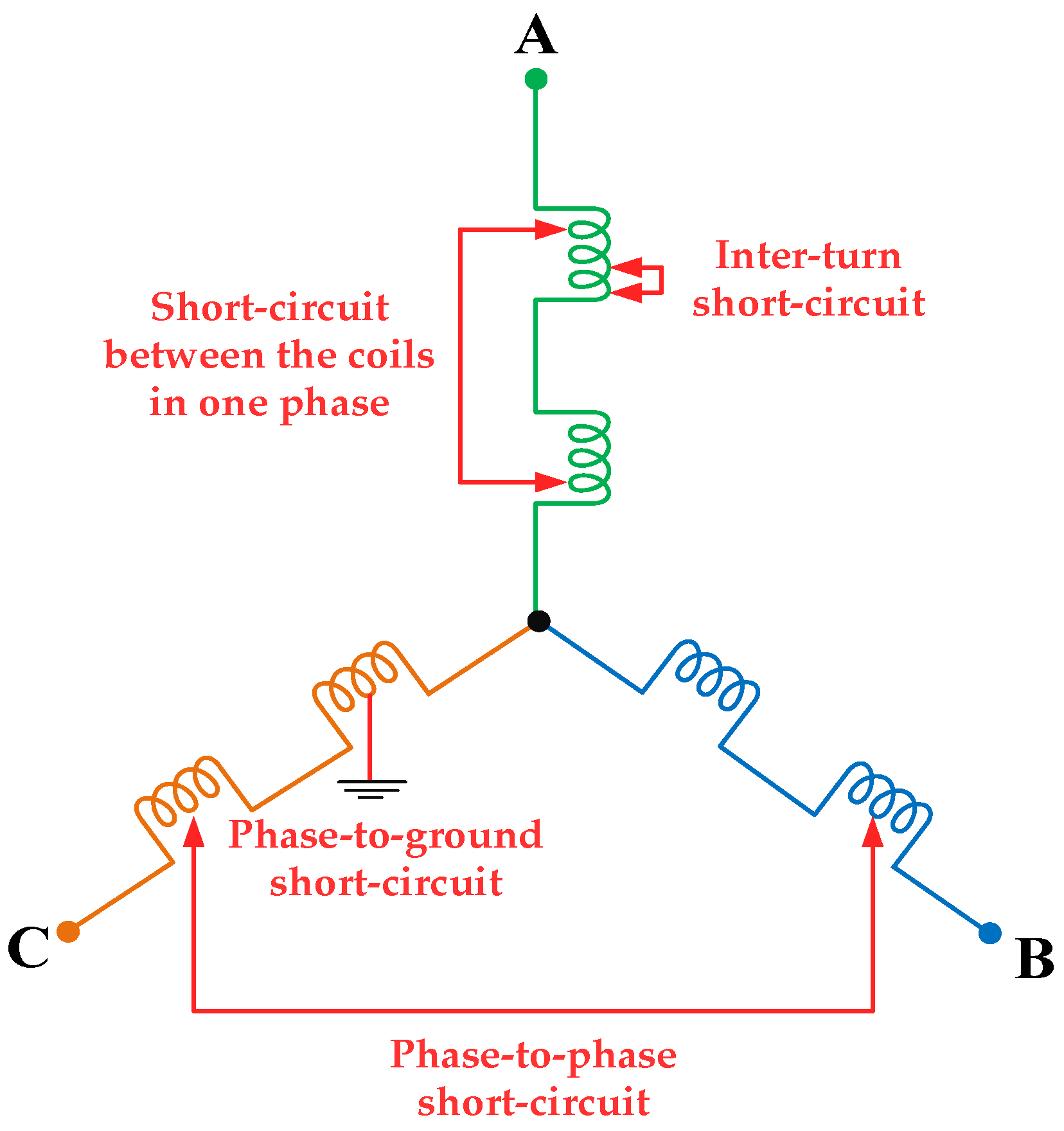
Phase-to-Phase Faults
These faults happen when two phase windings short together, usually due to damaged insulation.
They can cause severe overheating, voltage drops, and may lead to further damage if not addressed quickly.
Phase-to-Ground (Earth) Faults
This type of fault occurs when a phase winding touches the stator core or frame.
Often caused by insulation wear, dust, or moisture, it can lead to dangerous current leakage and overheating.
Inter-Turn Faults
Inter-turn faults involve a short between coil turns within the same winding.
Typically caused by vibration, loose coils, or insulation aging, they’re tricky to spot but can escalate rapidly if ignored.
Open Circuit Faults
An open circuit fault happens when a winding breaks entirely, cutting off current flow.
It usually results in poor alternator performance, unbalanced output, or complete phase failure.
How to Prevent Stator Winding Faults
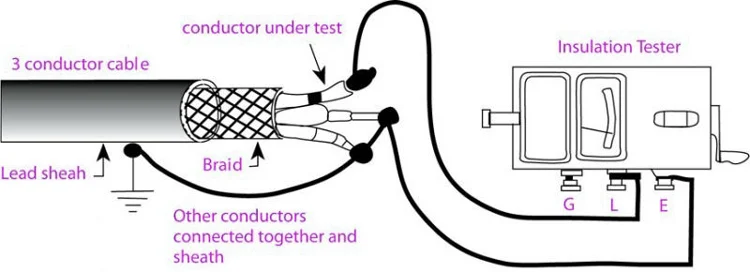
Preventing stator winding faults is all about proactive care and smart monitoring.
Here are some key strategies:
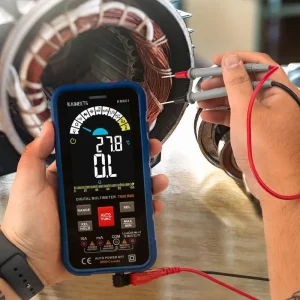
Routine Insulation Testing: Regular insulation resistance tests help catch early signs of wear and breakdown.
Thermal Monitoring: Use thermal sensors to track winding temperatures and avoid overheating issues.
Avoid Overloading: Always operate within the rated load to prevent excess current and stress on windings.
Proper Earthing & Protection Relays: Especially important for catching phase-to-ground faults early.
Scheduled Maintenance: Periodic cleaning, inspection, and servicing help prevent buildup of dirt or moisture that can damage insulation.
Install Condition Monitoring Systems: These systems track operational trends and alert you to abnormalities before they become major problems.
Conclusion
Stator winding faults are a major cause of alternator failures but are highly preventable with routine monitoring and timely maintenance.
For expert advice or reliable solutions, feel free to reach out to our team—we’re here to help keep your systems running smoothly.
 English
  Spanish
  Russian
  Italian
  German
  Chinese
One Response
Здесь собрана интересная и полезная данные по многим темам.
Читатели могут обнаружить подсказки на популярные проблемы.
Материалы размещаются часто, чтобы вы каждый могли изучать новую подборку.
Удобная структура сайта помогает быстро найти нужные страницы.
extattoo.ru
Большое количество тем делает ресурс интересным для разных пользователей.
Любой сможет подобрать советы, которые нужны именно ему.
Наличие понятных советов делает сайт ещё более полезным.
Таким образом, данный сайт — это удобный проводник важной информации для каждого пользователей.