


Every transformer experiences energy losses during operation, and understanding these losses is essential to improving efficiency and performance. One of the most significant is потеря меди, which occurs in the обмотки трансформатора due to the electrical resistance of the winding conductors.
When current flows through обмотки трансформатора, electrical resistance generates heat, resulting in потеря меди. This heat reduces transformer efficiency and places additional stress on the insulation and other components, potentially shortening the transformer’s service life over time.

Поскольку спрос на энергоэффективные системы continues to grow, reducing transformer copper losses has become increasingly important. Whether designing new equipment or maintaining existing infrastructure, minimizing these losses can help lower energy costs, improve надежность, and support устойчивость in modern энергетические системы.
Что такое потери меди?
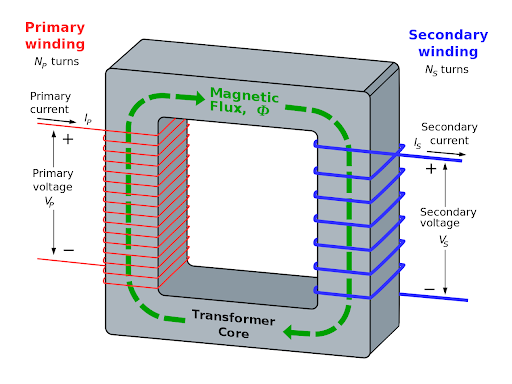
Потери меди, also known as Потери I²R, occur in a обмотки трансформатора when current flows through them under load. As the current encounters electrical resistance in the winding conductors, heat is generated in accordance with Joule’s law.
Unlike no-load losses, copper losses depend on the load current. As the current flowing through the windings increases, more heat is generated and more electrical energy is dissipated as heat.
Both the первичная и вторичная обмотки contribute to transformer copper losses. The total copper loss is calculated using the following formula:
Р = I²R
where I represents the current and R represents the winding resistance.
В отличие от core (iron) losses, which occur even when the transformer is operating without a load, copper losses depend on the load current. As current increases, copper losses rise in proportion to the square of the current. Therefore, minimizing copper losses is essential for maintaining transformer efficiency, particularly under high-load conditions.
Почему происходят потери меди?

Copper losses in transformers result from several physical and electrical factors related to конструкция обмотки, conductor materials, and operating conditions. The main causes include:
Омическое сопротивление в обмотках
All conductors have electrical resistance, including highly conductive materials such as медь. As current flows through the windings, this resistance converts part of the electrical energy into heat.Величина тока (соотношение I²)
Copper losses increase with the square of the current, as described by the formula P = I²R. Doubling the current increases copper losses fourfold, making them significantly higher under heavy-load conditions.Геометрия намотки и слои катушки
Additional coil layers and longer wire paths increase the total winding resistance. An inefficient winding layout can also hinder heat dissipation, further increasing потери меди.Температурные эффекты
As temperature increases, the electrical resistance of copper rises. Transformers operating at higher temperatures therefore experience greater потери меди, which can contribute to further heat generation.Частота переключения и скин-эффект
In high-frequency transformers, the скин-эффект causes current to concentrate near the conductor’s surface. This reduces the effective cross-sectional area available for current flow, increasing AC resistance and associated losses.Гармоники и эффект близости
Harmonic currents, often associated with non-linear loads, and the эффект близости, caused by interactions between nearby conductors, can increase effective winding resistance and contribute to additional losses.
Understanding these factors is an important first step toward reducing transformer copper losses and designing more efficient, durable transformers.
Формула и измерение

Для расчета потери меди В трансформаторе мы используем простую, но мощную формулу, основанную на Закон Джоуля:
P = I² × R
Где:
П = потеря мощности (Вт)
я = ток через обмотку (ампер)
Р = сопротивление обмотки (Ом)
Для трансформатора с обоими первичная и вторичная обмотки, общие потери меди составляют:
Pc = Ip² × Rp + Is² × Rs
Где:
ИП и Является = ток в первичной и вторичной обмотках
РП и рупий = сопротивление первичной и вторичной обмоток
Эта формула показывает, что даже небольшое увеличение тока вызывает резкое увеличение потерь мощности, поскольку ток имеет квадратичную форму. Поэтому условия высокой нагрузки требуют особого внимания.
К измерить потери меди, инженеры часто выполняют испытание на короткое замыкание, где вторичная обмотка закорочена и уменьшена Напряжение применяется к первичной обмотке для измерения тока и потерь под нагрузкой.
Применяя эту формулу и тест, мы можем эффективно оценивать, прогнозировать и оптимизировать нагрузочную характеристику трансформатора.
Влияние на эффективность трансформатора

Трансформатор медь потери reduce energy efficiency by converting part of the input power into heat rather than useful output. Because these losses increase with the square of the load current, they become particularly significant under heavy-load conditions.
Heat generated by потери меди increases the transformer’s operating temperature, making effective cooling essential to prevent overheating. Without proper управление температурным режимом, prolonged heat exposure can degrade изоляция обмотки, уменьшать transformer performance, and potentially lead to premature failure.
Over time, temperature fluctuations and excessive current can shorten a transformer’s service life and reduce its reliability. Energy wasted through потери меди also increases эксплуатационные расходы, particularly in industrial applications where transformers run continuously.
Reducing copper losses is not only about improving transformer efficiency but also about enhancing equipment durability, maintaining safety, and lowering costs throughout the transformer’s service life.
Как уменьшить потери меди

Reducing потери меди is essential for improving transformer efficiency, extending service life, and lowering operating costs. Two key approaches are конструкция трансформатора and operational management.
Стратегии дизайна
Increase conductor cross-sectional area: Larger conductors reduce electrical resistance and help dissipate heat.
Select high-conductivity materials: Materials such as чистая медь и медная фольга have low resistivity, helping reduce I²R losses.
Оптимизировать схему намотки: A well-designed winding layout promotes равномерное распределение тока, helping limit localized heating and skin effect issues.
Операционные стратегии
Avoid overloading or underloading: Transformers are designed to operate within their rated load range, while operating outside this range can increase losses.
Maintain effective cooling: Cooling systems help keep winding temperatures under control, limiting increases in электрическое сопротивление.
Use harmonic filters or low-THD equipment: Harmonic currents can increase copper losses, so filtering harmonics helps reduce their impact on transformer performance.
Together, these design and operational measures provide a practical approach to reducing transformer copper losses, minimizing energy waste, and maintaining efficient operation.
Потеря меди против потери железа
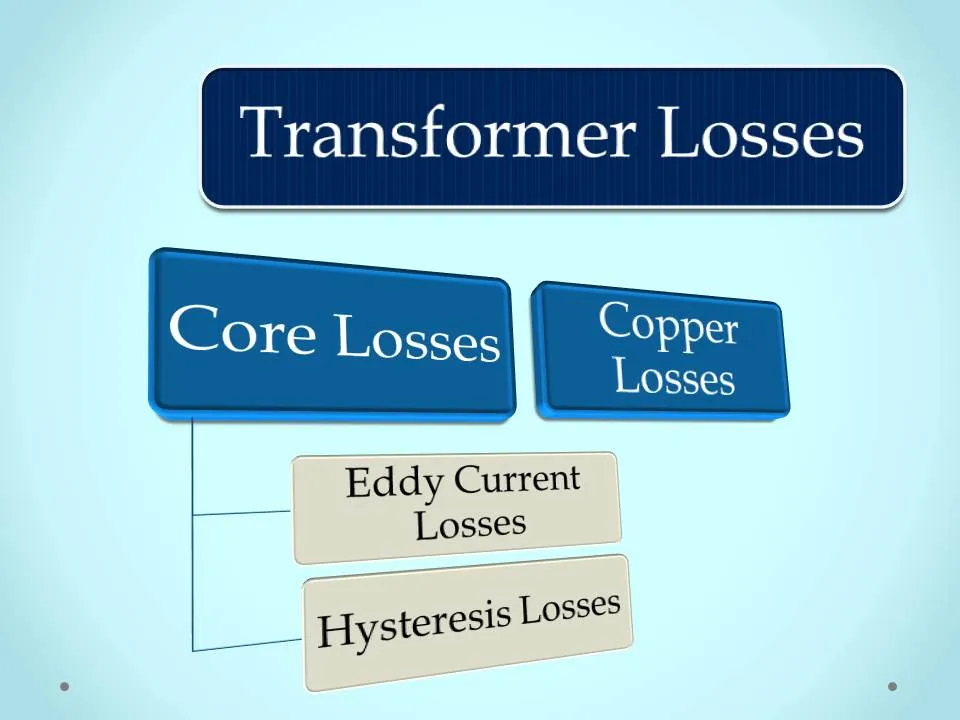
To better understand transformer efficiency, it is important to distinguish between потери меди и потери железа, the two main types of transformer losses. Their key differences are outlined below.
Тенденции к сокращению потерь

Как технология трансформаторов развивается, manufacturers and engineers are adopting more effective approaches to reducing потери энергии, особенно потери меди. Key trends include:
Аморфные металлические сердечники + обмотки с низким сопротивлением: Combining these technologies helps reduce both copper losses and iron losses, improving efficiency, particularly in distribution transformers.
Инструменты цифрового моделирования: Software-based анализ горячих точек and thermal modeling help predict where losses and overheating may occur, supporting better winding and cooling designs.
Балансировка нагрузки интеллектуальной сети: With real-time data and AI, smart grids optimize transformer loading, preventing overloads that can sharply increase потери меди.
Литцендрат в высокочастотных трансформаторах: Used in EV chargers, UPS systems, и медицинские приборы, Литцендрат helps reduce the skin effect and proximity effect, minimizing потери меди in high-frequency applications.
These developments reflect the industry’s ongoing focus on improving энергоэффективность, reliability, and environmental sustainability across power infrastructure.
Часто задаваемые вопросы
1. Постоянны ли потери в меди?
No. Потери меди depend on the load and increase with the square of the current.
2. Имеют ли алюминиевые обмотки повышенные потери в меди?
Да. Алюминий имеет более высокое электрическое сопротивление than copper, which can result in greater winding losses under the same current conditions.
3. Можно ли исключить потери меди?
No. They cannot be eliminated entirely, but they can be минимизирован through thoughtful transformer design and proper load management.


 Russian
 English
 Spanish
 Italian
 German
 Chinese
Один ответ
Спасибо, что поделились этой содержательной статьей! Я нашел информацию действительно полезной и побуждающей к размышлениям. Ваш стиль письма увлекателен, и он сделал тему намного более понятной. С нетерпением жду новых ваших постов!