


Magnetic components play a critical role in modern power electronics by using magnetic fields to control the flow of electrical energy. Depending on the application, they can immagazzinare energia, convert voltage, segnali di filtro, and reduce interferenza elettromagnetica (EMI), making them essential to reliable and efficient power conversion systems.

Da veicoli elettrici (EV) E smartphone A dispositivi medici E sistemi di energia rinnovabile, magnetic components are essential for maintaining reliable, efficient, and compact power systems. Without them, accurate power regulation, voltage conversion, and energy transfer would be far more difficult to achieve.
As demand continues to grow for più piccolo, Più veloce, E elettronica più ecologica, la progettazione e la selezione di componenti magnetici have become increasingly important. Understanding how these components work—and selecting the right solution for each application—can directly affect efficienza, sicurezzae nel complesso prestazioni del sistema.
Cosa sono i componenti magnetici?

I componenti magnetici sono dispositivi elettrici passivi that control and transfer energy through magnetic fields. At their core, they typically use wire windings—usually rame o alluminio—wrapped around a magnetic material. When current flows through these windings, a magnetic field is created, allowing the component to regulate voltage, current, or electromagnetic noise.
In power electronics, these components are essential because they can immagazzinare energia, segnali di filtro, E convertire l'energia in modo efficiente without generating energy themselves.
The three main types of magnetic components each serve a different function:
- Trasformatori: Provide conversione di tensione, stepping voltage up or down between circuits through carefully designed avvolgimenti del trasformatore.
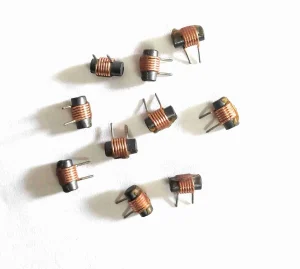
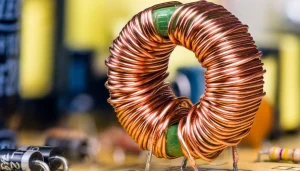
- Induttori: Help stabilize electrical current by resisting sudden changes, making them useful for accumulo di energia e filtraggio.
- Strozzatori: Specialized inductors designed to sopprimere le EMI (electromagnetic interference) and reduce unwanted high-frequency noise.
From smartphones to solar inverters, these magnetic components work behind the scenes to support stable, efficient, and reliable power management.
Principali tipi di componenti magnetici
Magnetic components are available in several forms, each designed for a specific role in power management. Among them, three main types are widely used across modern electronic and electrical systems.
A. Trasformatori

Trasformatori sono essenziali per conversione di tensione, transferring electrical energy between circuits through magnetic coupling and carefully designed avvolgimenti del trasformatore. They are commonly used for:
- Stepping voltage up or down
- Providing galvanic isolation to reduce electric shock risk and prevent ground loops
- Supporting power conditioning per stabilizzare la tensione e proteggere le apparecchiature sensibili
Applicazioni comuni includono:
- Convertitori AC-DC negli alimentatori
- Data center e server
- Stazioni di ricarica per veicoli elettrici
- Sistemi di automazione industriale
B. Induttori

Induttori are coils designed to immagazzinare energia nei campi magnetici while resisting sudden changes in current. This makes them especially useful for:
- Corrente di livellamento negli alimentatori switching
- Immagazzinare energia in compact electronic circuits
- Protezione dei componenti da picchi di tensione
Common applications include:
- Convertitori DC-DC
- Circuiti di azionamento del motore
- Smartphones and portable electronic devices
C. Strozzatori

Gli strozzatori sono induttori per scopi speciali progettato per filtrare il rumore ad alta frequenza while allowing desired signals, such as DC or low-frequency AC, to pass through. By reducing unwanted EMI, they help improve signal quality and overall system stability.
Typical applications include:
- Sistemi di telecomunicazione
- Apparecchiature audio
- Filtri di alimentazione
Together, these magnetic components play distinct but essential roles in building sistemi elettronici di potenza stabili, efficienti e sicuri.
Come funzionano i componenti magnetici

At the core of magnetic device operation È Legge di induzione di Faraday: a changing magnetic field within a closed loop induces a voltage (EMF) in that loop. Magnetic components apply this principle by combining avvolgimenti in rame con un nucleo ferromagnetico, which helps concentrate flusso magnetico and support efficient energy transfer.
- Avvolgimento primario → AC current creates an alternating magnetic field within the transformer core.
- Nucleo → Concentrates and guides the magnetic flux with minimal loss.
- Avvolgimento secondario → Receives the changing magnetic flux and induces a new voltage according to Faraday’s Law.
Per inductors and chokes, the same electromagnetic principle is applied differently for energy storage or noise suppression. Regolando il materiale di base, geometria, E numero di giri, engineers can optimize inductance, saturation current, and frequency response to meet specific power-electronic requirements.
Casi d'uso per settore

I componenti magnetici sono ovunque. Ecco come vengono utilizzati nei diversi settori industriali:
Settore automobilistico – Trovato in Inverter per veicoli elettrici, caricabatterie di bordo e sistemi di gestione delle batterie (BMS).
Telecom - Abilitare integrità del segnale, isolamento e soppressione del rumore nei sistemi ad alta frequenza.
Elettronica di consumo - Energia caricabatterie per cellulari, laptop e dispositivi per la casa intelligente in modo efficiente.
Medico - Supporto dispositivi indossabili, sistemi di imaging e apparecchiature diagnostiche isolate elettricamente.
Automazione industriale – Utilizzato in azionamenti motore, PLCe convertitori CC-CC per il controllo di processo.
Difesa – Distribuito in trasformatori robusti per l'avionica, i radar e l'elettronica di importanza critica.
Conclusione

With these electromagnetic principles in mind,magnetic components are essential to efficient power electronics, supporting functions such as accumulo di energia, conversione di tensione, E noise suppression. Well-designed components and avvolgimenti del trasformatore help improve system stability, safety, and overall performance across a wide range of industrial applications.
For support with more efficient magnetic designs, explore our solutions or contattaci for expert assistance tailored to your application.

 Italian
 English
 Spanish
 Russian
 German
 Chinese