


So, what exactly is avvolgimento del trasformatore? In simple terms, avvolgimenti del trasformatore are carefully arranged coils of wire—typically rame o alluminio—wound around a nucleo magnetico to transfer electrical energy within a transformer. When corrente alternata (AC) passes through the primary winding, it produces a changing magnetic field that induces voltage in the secondary winding. This principle, known as induzione elettromagnetica, allows a transformer to increase or reduce voltage efficiently to suit different electrical applications.
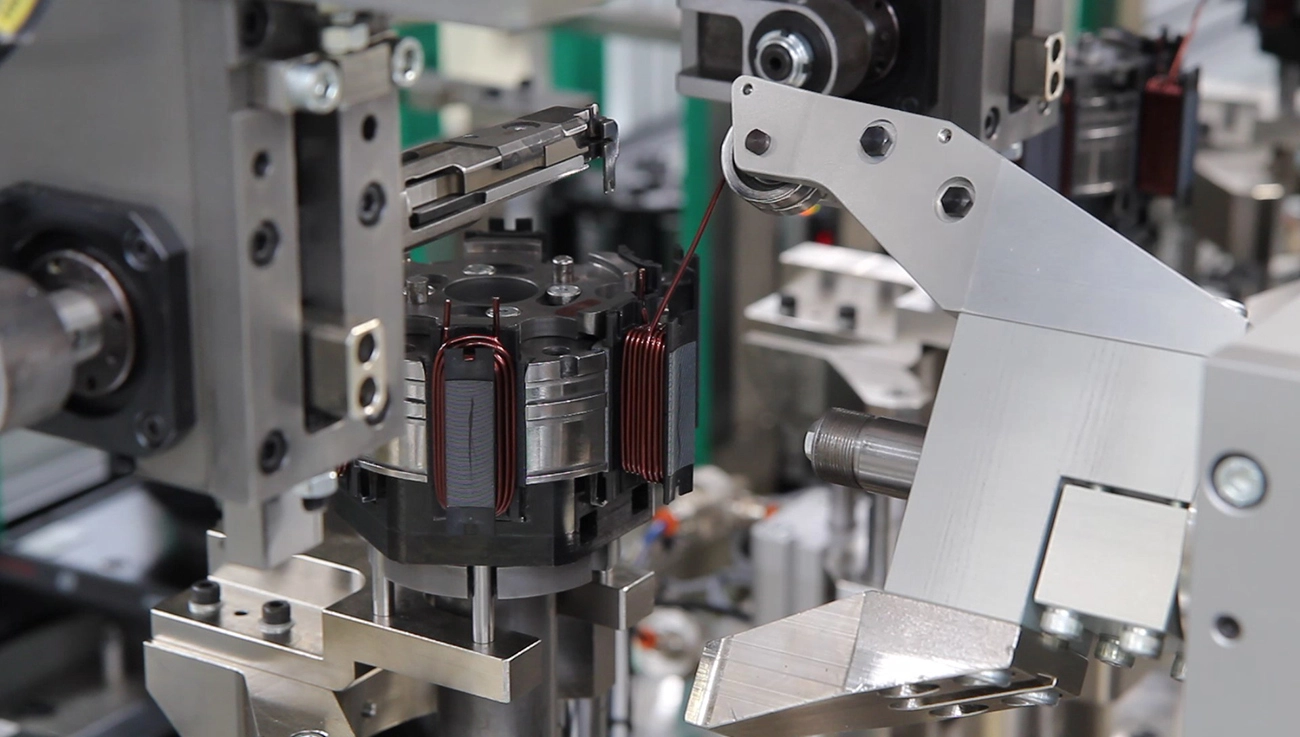
Whether supplying power to a elettrodomestico or supporting equipment across an entire factory, high-quality avvolgimenti del trasformatore are essential for reliable and efficient voltage conversion. Produced with precise macchine avvolgitrici, each avvolgimento del trasformatore helps ensure the required voltaggio is delivered safely while supporting the efficient transfer of energia elettrica within the power system.
Primary & Secondary Transformer Windings: Working Principle
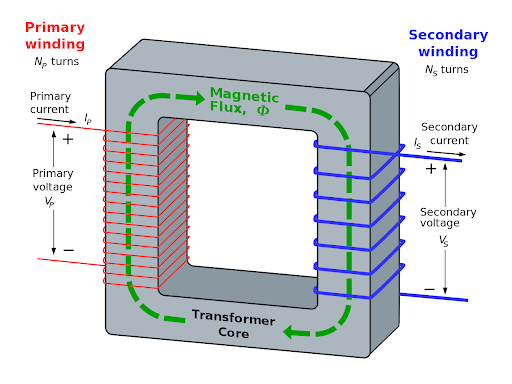
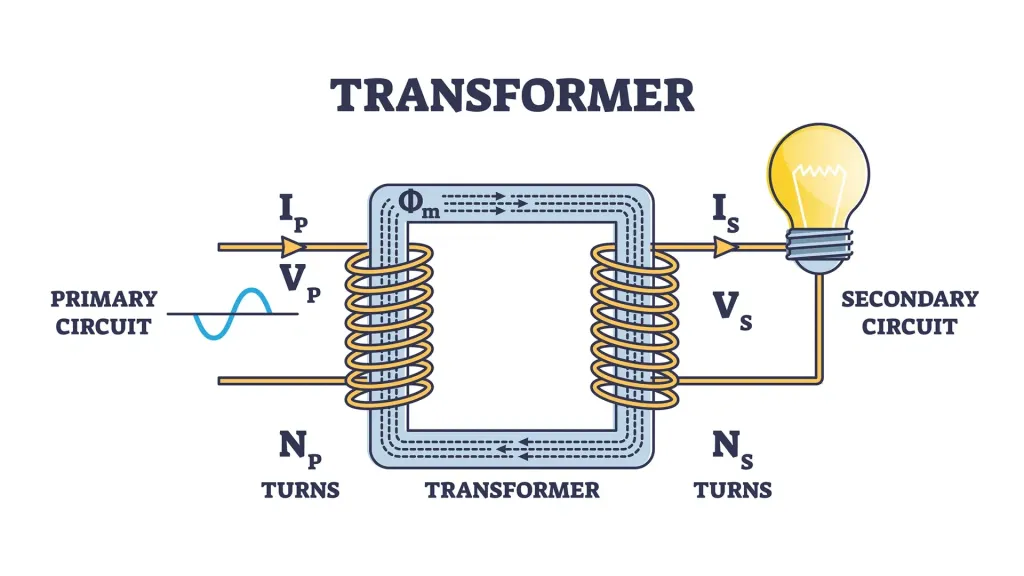
A typical transformer consists of two main sets of avvolgimenti del trasformatore: the avvolgimento primario e il avvolgimento secondario.
IL avvolgimento primario is connected directly to the fonte di alimentazione in ingresso. When AC current flows through it, it generates a campo magnetico variabile within the transformer core. This magnetic field is essential to the avvolgimento del trasformatore process, allowing electrical energy to be transferred from the primary side to the secondary side.
IL avvolgimento secondario is positioned close to the primary winding, where it responds to the changing magnetic field. Through induzione elettromagnetica, a new voltage is induced in the secondary winding and delivered to the carico di uscita, such as appliances, tools, or industrial equipment.
The number of turns in the primary and secondary avvolgimenti del trasformatore determines whether the voltage is increased (step-up) or reduced (step-down). This simple but effective avvolgimento del trasformatore principle enables transformers to provide the appropriate voltage for different electrical applications.
Come funzionano gli avvolgimenti del trasformatore
Per capire come funzionano gli avvolgimenti del trasformatore, it helps to start with a fundamental principle of physics—Legge di Faraday sull'induzione elettromagnetica. When the electric current flowing through the avvolgimento primario changes, it produces a changing campo magnetico within the transformer core. This magnetic field then induces a voltage in the avvolgimento secondario, allowing electrical energy to be transferred between the avvolgimenti del trasformatore.
The voltage produced in the avvolgimento secondario depends on the number of turns in the primary and secondary transformer windings. This relationship is known as the rapporto di giri.
For example, if the primary winding has 100 turns and the secondary has 50, the output voltage is reduced by half, creating a trasformatore riduttore. If the secondary winding has more turns than the primary, the transformer instead aumenta la tensione.
A simple rule helps explain how avvolgimenti del trasformatore work:
- Voltage ratio = Turns ratio
- Current ratio = Inverse of the rapporto di giri
This is one of the key advantages of avvolgimento del trasformatore: voltage levels can be increased or reduced efficiently without moving parts, relying on electromagnetic principles and the relationship between winding turns.
Transformer Winding and Core Layouts
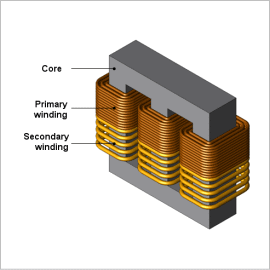
The arrangement of avvolgimenti del trasformatore intorno al nucleo has a direct impact on transformer efficiency and performance. In many designs, the windings are placed around a nucleo di ferro laminato, which helps reduce correnti parassite—circulating electrical currents that can generate unwanted heat and energy loss. By limiting these losses, the laminated core helps maintain efficient and concentrated magnetic flux during avvolgimento del trasformatore operazione.
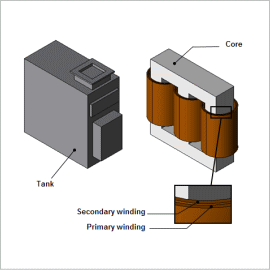
There are two common layouts for avvolgimenti del trasformatore: tipo di nucleo E tipo conchigliaIn un trasformatore a nucleo, the windings are arranged around the core, while in a trasformatore a guscio, the core surrounds the windings. The choice of layout influences how effectively magnetic flux is transferred between the coils and how much flusso di dispersione—magnetic flux that does not link both windings—is produced.
The most suitable avvolgimento del trasformatore layout depends on factors such as transformer size, voltage level, and cooling requirements. Both designs, however, are intended to improve magnetic coupling and use the magnetic energy generated by the windings efficiently.
Common Transformer Winding Types
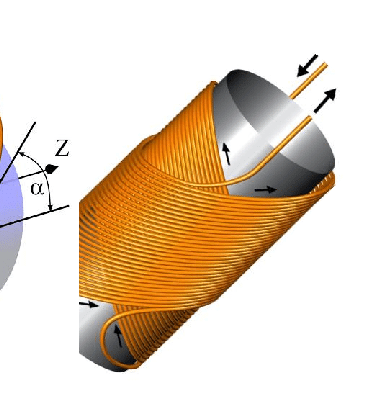
Avvolgimenti del trasformatore can be arranged in different patterns to suit specific applications, space limitations, voltage levels, and cooling requirements. Common avvolgimento del trasformatore types include:
Avvolgimento elicoidale: A spiral-shaped winding commonly utilizzato nei trasformatori ad alta corrente. Its simple and robust structure makes it well suited for handling large currents.
Avvolgimento del disco: Built from flat coil sections arranged in layers, this design provides effective cooling and is commonly used in medium- to high-voltage transformers.
Avvolgimento a sandwich: Primary and secondary winding sections are arranged alternately to reduce leakage flux and improve magnetic coupling between the avvolgimenti del trasformatore.
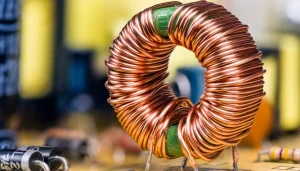
Avvolgimento toroidale: The coil is wound around a ring-shaped toroidal core, creating a compact and efficient design with low electromagnetic interference.
Ogni avvolgimento del trasformatore type offers specific advantages. Some designs provide a more compact structure, while others improve heat dissipation or help reduce energy losses. Choosing the right avvolgimento del trasformatore depends on the transformer’s application, operating conditions, and performance requirements.
Transformer Winding Materials & Losses
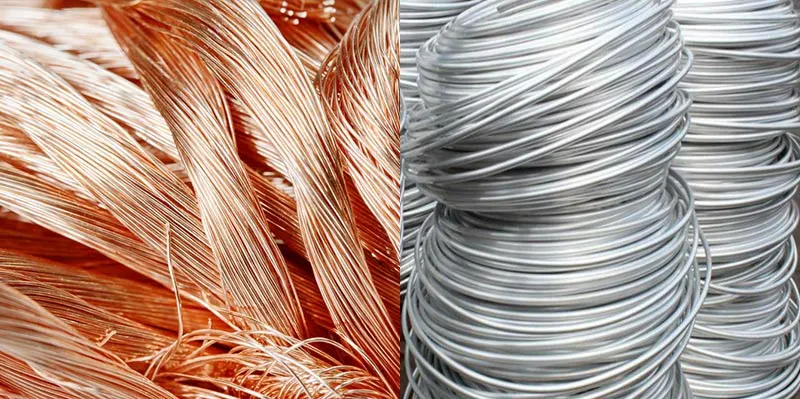
Avvolgimenti del trasformatore are commonly made from rame O alluminio, with each material offering different advantages. Rame is widely preferred for avvolgimento del trasformatore because of its excellent electrical conductivity, strength, and ability to support a design di avvolgimento più compatto while handling higher electrical loads. Alluminio, by comparison, is più leggero e più conveniente, making it a practical option when reducing weight or overall cost is a priority.
However, no avvolgimento del trasformatore material is completely free from energy loss. As current flows through the avvolgimenti del trasformatore, electrical resistance causes some energy to be converted into heat. This is known as perdita di rame, O Perdita I²R, and occurs because of the resistance of the winding conductor. Another source of loss is flusso di dispersione, where part of the magnetic flux escapes instead of effectively linking the primary and secondary windings.
These energy losses, including perdita di rame E flusso di dispersione, can reduce a transformer’s overall efficiency. For this reason, proper avvolgimento del trasformatore design and careful selection of winding materials are essential for minimizing energy losses and achieving reliable, efficient transformer performance.
Conclusione
Avvolgimento del trasformatore is at the core of transformer operation, enabling safe and efficient voltage conversion through carefully designed copper or aluminum coils. Understanding different avvolgimento del trasformatore types, layouts, and materials can help you select or design a transformer that better matches your application and performance requirements.
If you have questions or need support choosing the right winding solution, Contatta il nostro team oggi stesso for expert guidance, customized solutions, and more information about avvolgimenti del trasformatore.
Domande frequenti sull'avvolgimento del trasformatore
1. Why Are Transformer Windings Insulated?
Insulation between avvolgimenti del trasformatore, turns, and wire layers helps prevent electrical short circuits. It also protects the winding system from voltage stress, heat, and moisture, improving transformer safety, reliability, and service life.
2. What Causes Transformer Winding Failure?
Common causes of avvolgimento del trasformatore failure include overheating, insulation breakdown, short circuits, mechanical stress, and moisture. Proper cooling, routine inspection, and regular electrical testing can help identify potential problems and reduce the risk of premature winding failure.
3. How Is Transformer Winding Resistance Measured?
Transformer winding resistance is typically measured using a low-resistance ohmmeter, such as a DLRO. This test helps identify problems such as loose connections, shorted turns, or damaged conductors before they develop into more serious transformer faults.

 Italian
  English
  Spanish
  Russian
  German
  Chinese