


Eco-Friendly Transformers for Green Energy Grids
Discover eco-friendly transformers that reduce energy loss, cut emissions, and support a sustainable, efficient power grid future.


Have you ever wondered what makes your smartphone, headphones, or laptop work so efficiently? The answer is winding technology.
As time has evolved, so has winding technology. This article will shed light on the latest developments in winding technology and their impact on consumer electronics. You’ll learn how these advancements are making our devices smaller, yet more powerful and cost-effective than before.
So, let’s dive in.

Winding technology has a big role in our day-to-day life. It’s present in a variety of gadgets we use. Like small motors of our smartphones, headphones, and laptops.
So, what’s the behind-the-scenes of the winding technology in consumer electronics?
At the heart of every device are coils of wire that are intricately wound in specific patterns. The wires are wrapped around a core or sometimes just air, which allows the coils to create magnetic fields required for electronic devices to work.
To meet the demands of complex and present-day modern applications, winding technology is constantly evolving. As a result of these advancements, today’s consumer electronics are not only smaller and lighter but also more powerful and energy-efficient compared to their predecessors.
The following are the advantages that modern winding machines bring to the table compared to their predecessors.
Thanks to advanced sensor technology and control systems, the new winding machines are capable of winding with great precision and accuracy. This is important for applications where precise winding is critical, such as in the manufacture of medical devices.
Due to innovative motor technology and drive systems, the newer winding machines are faster and more efficient. The result is increased productivity and reduced manufacturing costs.
Automated precision winding has reduced manufacturing errors and material waste, leading to lower production costs. This cost-saving can be passed on to consumers, making high-tech electronics like smartphones, wearable tech, and power charges more affordable.
The following are the different types of modern winding machines on the market.

These winding machines are designed for winding coils without a bobbin, which is useful for creating windings for certain types of transformers and inductors used in high-frequency electronic applications.
These modern winding machines have computer numerical control (CNC) technology, which allows precise control over the winding process. They can operate on multiple axes, enabling complex winding patterns for advanced electronic components.

These machines are used for winding extremely small coils, often used in medical devices, micro-electromechanical systems (MEMS), and miniature sensors.
New winding techniques are being developed to meet the demands of new applications.
For example, additive manufacturing(AM) is used to create complex windings that are not possible with traditional methods.
Laser micro-winding is a new technique that uses a laser to wind very fine wires. This allows us to create micro-electro-mechanical systems(MEMS) devices with very high precision.
Similarly, new materials are being used in winding applications to improve performance. For example, carbon nanotubes (CNTs) are being used to create stronger and lighter windings. Nanomaterials have led to wires that can carry more current without overheating which further enhances the efficiency of electronic devices.
The advancements in winding technology have had a great impact on the consumer electronics industry.
The following examples of consumer devices show how advanced winding technology is contributing to creating powerful devices and offering a better user experience.
Improved winding techniques have led to more compact vibration motors and inductors inside smartphone devices. Since these components are now smaller and have the same or better performance, this enables sleeker phone designs without compromising functionality.
In the world of wearable technology, such as smartwatches and fitness trackers, advanced winding has allowed more powerful motors, sensors, and other electronic components to be fitted in incredibly small spaces to create compact yet powerful wearable technology.
Enhanced windings have also improved battery life, as more efficient coils consume less power, which is highly required for wearable devices.
Modern winding techniques have allowed for the creation of smaller, yet more efficient transformers. This means that chargers are not only becoming more compact and lightweight but also faster in charging devices, all while being more energy-efficient.
Improved winding in their audio drivers has resulted in clearer, more immersive sound quality without increasing the size or weight of the headphones, offering users a superior listening experience.
In the realm of home appliances, robotic vacuum cleaners are another device benefitting from modern winding machine technology. Enhanced winding in small motors of vacuum cleaners has boosted suction power and battery life, enabling more effective cleaning with less frequent charging.
Despite the progress in winding technology that we came across, there are certain challenges that the winding machine industry has to face.
Integrating newly developed advanced winding machines into the existing manufacturing process required significant investments and training. So, this acts as an adaptation barrier for smaller manufacturers with limited budgets.
The newer machines have higher maintenance requirements as they use sophisticated materials like superconducting and nanomaterials inside them which are more susceptible to wear and tear.
The advancements in winding technology are making our devices smaller, more powerful, and energy-efficient. This progress is not only benefiting the tech-savvy but also the everyday users by offering high-quality gadgets at lower costs.
While challenges do exist, like integration issues and high maintenance, the overall impact is still positive. And as winding technology continues to evolve, we can expect even more impressive electronic devices in our daily lives.
Let’s also have a look at some Frequently Asked Questions on Winding Technology.
Winding technology involves creating coils of wire for electronic devices. These coils generate magnetic fields necessary for the electronic devices to function properly.
Yes, advancements in winding technology can lower production costs, which may lead to more affordable prices for high-tech consumer electronics.
Yes. Efficient winding technology plays an important role in electric vehicles. Effective winding means efficient motors and compact and powerful batteries, which directly impact vehicle performance and range.
In the future, we may observe more automation, the use of advanced materials like graphene, and the integration of winding machines with AI technology for precision in manufacturing.
Improved winding technology means better energy efficiency. It also reduces waste during manufacturing, which means more sustainable consumer electronics and lower environmental impact.


Discover eco-friendly transformers that reduce energy loss, cut emissions, and support a sustainable, efficient power grid future.
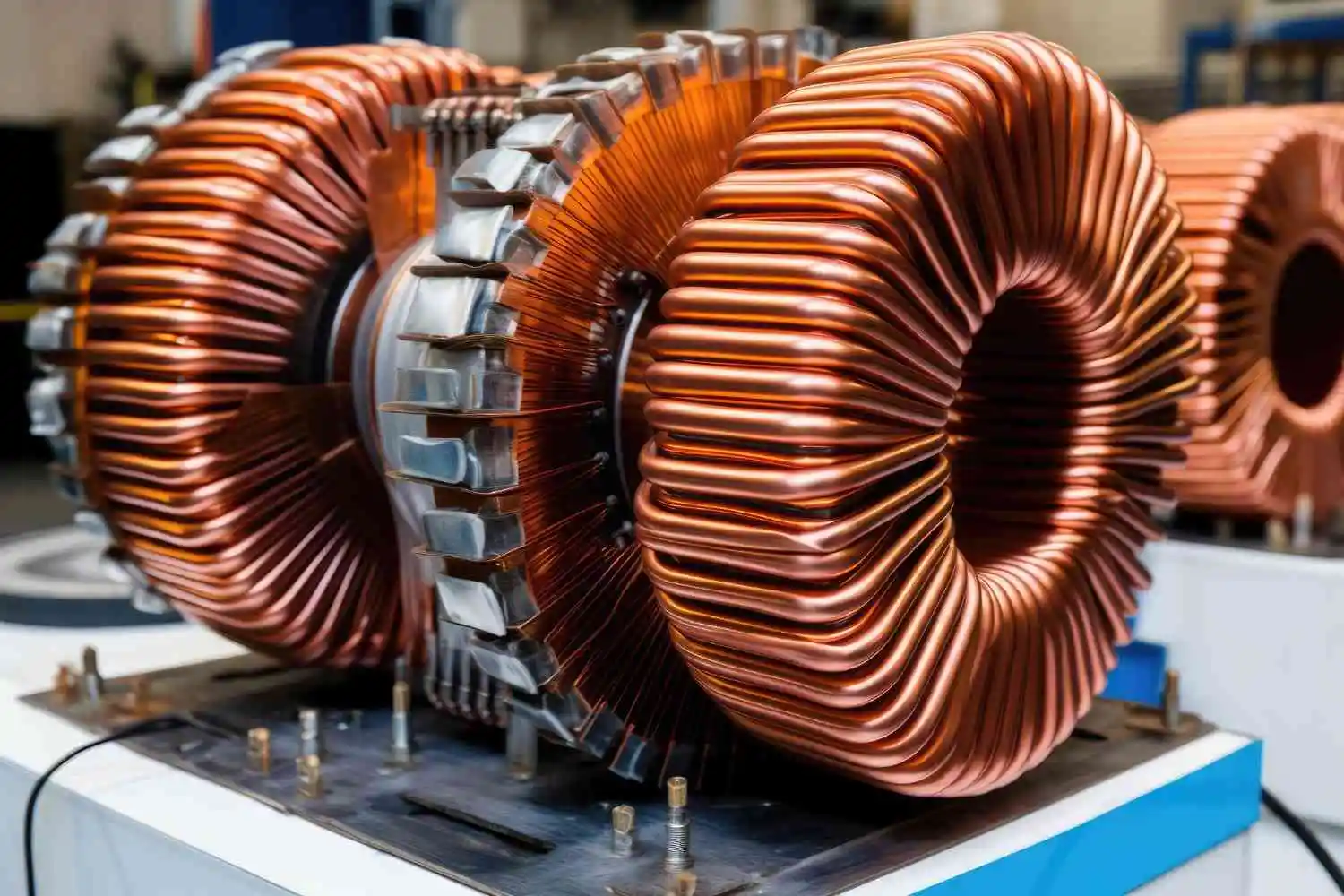
Transformer copper losses affect efficiency and operating life. Find their causes and ways to reduce them through winding design and load management.
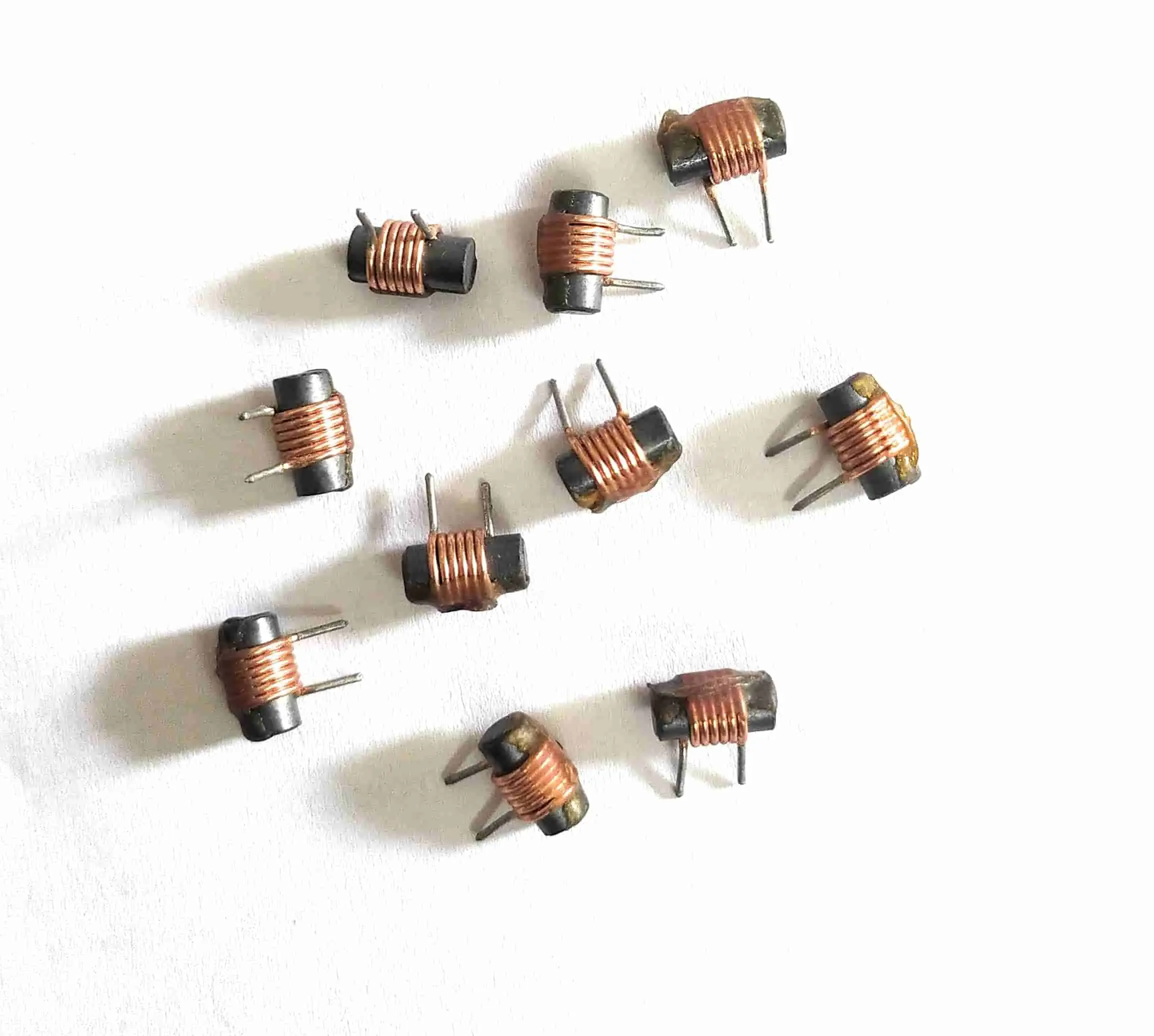
Explore magnetic components in power electronics, including transformers, inductors, and chokes, with key functions, applications, and design factors.

Optimize high-frequency transformer windings with better wire selection, winding layout, insulation, and parasitic-loss control.

Discover top coil winding machine manufacturers, from CNC and bench-top models to industrial systems, with key features and buying tips.

Discover how transformer winding types and working principles influence voltage regulation, efficiency, energy transfer, and transformer performance.
 English
  Spanish
  Russian
  Italian
  German
  Chinese