


A toroidal transformer is a ring-shaped electrical transformer. It features high energy efficiency and low electromagnetic interference (EMI).
This device is widely applied in audio equipment, medical devices, power supplies and industrial control systems. These scenarios all demand reliable performance and stable operation.

When it comes to toroidal transformer lifespan, these units are built for long-term reliability, typically lasting 20–30 years under normal conditions. With proper installation, maintenance, and good environmental care, they can even exceed 40 years. Understanding these factors is key to maximizing your investment.
Toroidal Transformer Lifespan Overview

On average, a toroidal transformer offers reliable service for about 20–30 years under typical operating conditions. And in light-duty use—where it runs below rated load in a cool, clean environment—it can even exceed 40 years. Meanwhile, in standard-duty setups like industrial control or commercial equipment, the lifespan usually stays within the 20–30-year range. However, in heavy-duty environments with high loads, heat, or harsh conditions, the toroidal transformer lifespan may be shorter without proper protection.
Thanks to their efficient design, low stray losses, and strong build quality, toroidal transformers often last longer than other transformer types. And this is especially true when they are properly installed, kept in a cool environment, and regularly maintained.
Core Lifespan Factors
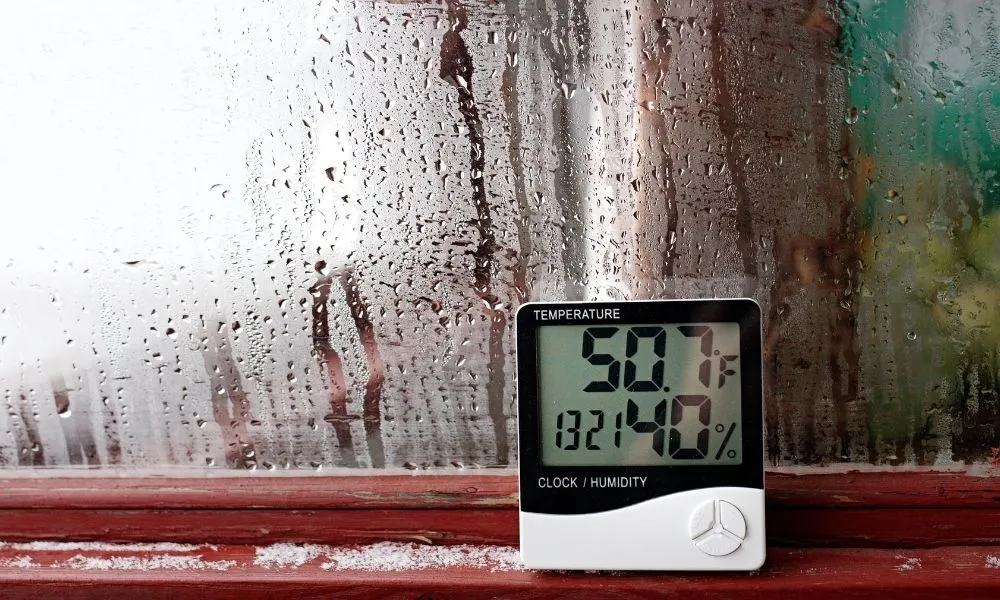
Several factors can affect the toroidal transformer lifespan. By paying attention to these key areas, you can help ensure reliable performance for decades and reduce the need for early replacement.
Operating Temperature – Heat is a major factor in toroidal transformer lifespan. Every 10°C increase above the rated temperature can cut insulation life by about half.
Electrical Load –Continuous high loads generate more heat. Keeping a load margin helps a toroidal transformer run cooler and last longer.
Environmental Conditions – Moisture, dust, and corrosive substances can shorten toroidal transformer lifespan. A clean, dry environment helps maintain stable performance.
Maintenance Practices – Regular transformer maintenance, cleaning, and testing help detect problems early and prevent costly failures.
- Material & Build Quality – High-quality insulation, premium core materials, and precise winding can improve toroidal transformer lifespan and long-term reliability.
Transformer Design – Efficient winding layout, an optimized toroidal transformer design helps reduce heat buildup and mechanical stress, supporting longer service life.
Max Lifespan Maintenance Tips

Keeping a toroidal transformer in good condition depends on consistency. And by following a few simple, regular maintenance habits, you can effectively extend its service life by several years.
Daily/Periodic Checks –Regularly check all electrical connections to ensure they are tight, keep the surface clean, and watch for any unusual heat or noise during toroidal transformer operation.
Environmental Control:
Temperature – Ensure good ventilation for stable toroidal transformer operation, and add cooling fans in enclosed spaces when needed.
Humidity – Install in a dry environment, or use sealed units and protective coatings for damp conditions to protect toroidal transformer lifespan.
Vibration – In high-shock areas, use anti-vibration mounts or damping pads to protect the core and windings and maintain stable performance.
Professional Inspections – Schedule routine toroidal transformer testing, including insulation resistance, winding resistance, and no-load loss measurements. Use thermal imaging to detect hotspots early before they impact toroidal transformer lifespan.
Repair Protocols – Fix small issues early to prevent costly failures. And proactive repairs are always more cost-effective than emergency replacements, helping extend toroidal transformer lifespan.
Installation & Operation Best Practices Guide

How you install and operate a toroidal transformer directly affects its lifespan. And with a proper, well-planned setup, you can improve performance while preventing early wear and extending service life.
Correct Positioning for Airflow – Place the toroidal transformer where air flows freely, avoid tight enclosures unless properly ventilated or cooled.
Protect from Direct Heat & Mechanical Stress – Keep it away from heat sources and high vibration, and mount it securely to prevent damage and extend toroidal transformer lifespan.
Match Insulation Class to Environment – Choose the right insulation class for the environment, such as Class F or H in higher temperatures.
Avoid Oversizing or Undersizing – Match the transformer to the load. Oversizing wastes energy, undersizing increases heat and shortens lifespan.
Ultimately, by following these best practices from the beginning, you can set your toroidal transformer up for decades of reliable performance and long service life.
Storage & Standby Care

When a toroidal transformer is not in regular use, proper storage conditions are essential for maintaining long-term performance and extending service life. First, always keep it in a dry, dust-free environment to prevent moisture ingress and contamination. Using a protective cover or wrapping also helps block dust, dirt, and accidental contact, improving overall transformer protection.
For idle units, regular inspection and maintenance is important. This includes checking for corrosion, insulation degradation, and any mechanical damage, so potential issues can be identified early before the transformer returns to service and affects reliability.
For spare units, occasional power-up testing and basic functional checks are recommended. These short operating runs help maintain electrical integrity, reduce moisture buildup, and ensure the toroidal transformer remains ready for stable operation whenever needed.
Service Life Extension Strategies

If you want your toroidal transformer to exceed the typical service life, the right mix of design quality and proper maintenance care makes all the difference for long-term performance.
Combine Preventive Maintenance with Monitoring – Combine transformer maintenance and cleaning with temperature, current, and voltage monitoring to catch issues early and extend toroidal transformer lifespan.
Use Higher Thermal Class Materials – Use higher-rated insulation materials to improve thermal resistance and reduce aging.
Design with Additional Cooling Capacity –Improve heat dissipation via airflow paths, larger surface area, or cooling fans to lower temperature and extend service life.
In the end, by consistently applying these maintenance and design strategies, you can improve toroidal transformer performance and reliability, pushing it well beyond standard expectations while extending its service life.
Aging Signs & Replacement Guide

Over time, even a well-maintained toroidal transformer will begin to show early signs that its service life is nearing its end. And by identifying these symptoms early ,you can plan replacements in advance to avoid unexpected failures that could disrupt normal operations.
Rising Operating Temperatures – If a toroidal transformer runs hotter than usual under the same load, it may indicate insulation breakdown or reduced cooling efficiency.
Degraded Insulation Resistance – Regular test results showing lower resistance suggest aging insulation and reduced protection strength in the toroidal transformer.
Increased Noise or Vibration – Louder hums or new vibrations can signal loose windings, core wear, or internal mechanical issues.
Frequent Tripping of Protection Devices – Unexplained overcurrent or thermal trips may point to internal faults or reduced efficiency in the toroidal transformer.
When these issues persist, it’s best to arrange a professional inspection and plan a toroidal transformer replacement in advance to avoid unexpected downtime.
Conclusion

With proper installation, a suitable environment, and consistent maintenance, a toroidal transformer can reliably deliver 20–30 years of service—and often exceed 40 years in ideal conditions. And ultimately, proactive care is the key to unlocking its full service life potential.
If you need expert guidance, maintenance support, or a custom-designed toroidal transformer for your application, feel free to contact us today. Our team is here to help you achieve long-term reliability and stable performance for decades.
FAQs
1. How long is a transformer lifespan?
A standard transformer under ANSI/IEEE conditions typically lasts 20–30 years. And with proper care, utility-grade units can often reach 40–60 years of service life.
2. What are the disadvantages of toroidal transformers?
While toroidal transformers are efficient and compact, they also have drawbacks such as higher cost, more difficult winding, fragile structure, and lower power handling compared to other core types.
3. What is the IEEE transformer life expectancy?
According to IEEE standards, a transformer rated at a 110 °C hot-spot temperature has an expected life of about 180,000 hours, or roughly 20.5 years.
4. What is the lifespan of a current transformer?
A current transformer (CT) typically provides around 30 years of reliable operation, especially when built with good quality design and supported by regular testing and maintenance.

 English
  Spanish
  Russian
  Italian
  German
  Chinese