


Transformer insulation is more than a protective layer—it is the core system that keeps a 變壓器 operating safely and reliably. It combines solid 絕緣材料, such as paper, pressboard, and aramid, with liquid insulating oils like mineral oil or esters. Together, they provide electrical insulation, mechanical support, and efficient heat dissipation inside the transformer.
Transformer Insulation Basics
一個 transformer insulation system combines both solid and liquid 絕緣材料, and each plays an important role. Together, they provide electrical insulation, mechanical support, and reliable protection for safe transformer operation.
固體絕緣

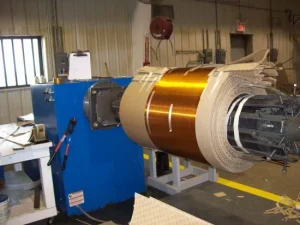
Solid transformer insulation includes Kraft paper, pressboard, and 芳綸纖維. These 絕緣材料 support the transformer structure, separate the windings, and withstand electrical stress. Among them, 芳綸纖維 are widely used in high-performance transformers for their excellent heat resistance and mechanical strength.
液體絕緣

液體絕緣 surrounds the solid 絕緣材料, filling internal gaps and helping transfer heat away from the 變壓器. Mineral oil remains the most common choice, while 天然酯, synthetic esters, and silicone fluids are becoming more popular for their improved fire safety and environmental performance.
Transformer Insulation Materials

纖維素(牛皮紙/紙板)
Cellulose insulation materials, 例如 Kraft paper 和 pressboard, are widely used in 變壓器絕緣 because they are 成本效益, easy to process, 和 readily available. However, they are sensitive to moisture, so proper moisture control is essential to maintain insulation performance and extend transformer service life.
熱升級纖維素
Thermally upgraded cellulose is specially treated to handle 更高的工作溫度. Compared with standard Kraft paper, it offers better aging resistance, helping 變壓器 operate at higher temperatures or achieve a longer service life under the same load.
芳綸纖維(Nomex®)

Aramid insulation (Nomex®) offers excellent 耐熱性 和 mechanical strength. Although more expensive than cellulose insulation, it is ideal for high-stress transformer insulation applications that require long service life 和 higher safety margins.
介電液體

液體絕緣 is just as important as solid 變壓器絕緣 for safe and reliable transformer operation.
礦物油 – The most common transformer insulating oil, offering excellent dielectric performance and low cost, but with lower environmental sustainability.
酯類(天然或合成) – 環保、高燃點和更好的耐濕性——在可再生和城市應用中越來越受歡迎。
矽油 – A transformer insulating fluid designed for high-temperature applications, offering excellent stability but at a higher cost.
變壓器絕緣的熱等級

| 班級 | 最高溫度(°C) | 典型材料 | 應用/注意事項 |
|---|---|---|---|
| 一個 | 105 | 棉、絲、未處理的纖維素(牛皮紙、紙板) | 傳統設計;耐熱性較低;對濕氣敏感 |
| B | 130 | 改良的纖維素、雲母、清漆系統 | 中負荷;壽命比 A 級長 |
| F | 155 | 聚酯薄膜、環氧樹脂、玻璃纖維 | 在現代中型變壓器中很常見 |
| 哈 | 180 | 矽樹脂、高溫複合材料、玻璃纖維 | 高負荷/工業;惡劣環境 |
| 200+(北,右) | 200–220 | 芳綸 (Nomex®)、聚醯亞胺、高級層壓板 | 極端條件;緊湊/高功率密度設計 |
變壓器絕緣等級為 耐熱等級,定義了絕緣系統所能承受的最高安全溫度。這些等級由 IEC 60085 並直接影響變壓器的壽命和可靠性。
A級(105℃) – 傳統材料,例如棉、絲或未經處理的纖維素。常見於較老的設計,但耐熱性有限。
B級(130℃) – 改良的纖維素或雲母基系統,提供更好的耐熱性和更長的使用壽命。
F級(155℃) – 聚酯薄膜、環氧樹脂或玻璃纖維系統,用於現代中型設計。
H級(180℃) – 矽樹脂和高溫複合材料,非常適合要求嚴格的工業或高負載應用。
200+ 級(N、R 等) – 先進的芳綸和聚醯亞胺系統,專為極端條件和延長使用壽命而設計。
A simple rule is that every 10°C increase above the rated hot-spot temperature can reduce 變壓器絕緣 life by half. Choosing the right 耐熱等級 helps improve safety, performance, and transformer service life.
Engineers use these 熱等級 to select the right 變壓器絕緣, helping transformers operate safely and reliably for decades under expected loads and operating conditions.
絕緣配合和介電測試

在變壓器中, 絕緣配合 關鍵在於將絕緣系統與其在運行過程中可能面臨的電氣應力相匹配。這確保了絕緣系統能夠承受日常工作電壓以及突波或雷擊等罕見但嚴重的事件。全球標準包括 IEC 60076-3 和他們的 IEEE/ANSI 等效標準 定義如何測試和驗證。
主要的介電測試包括:
交流耐壓測試 – 施加高於正常的交流電壓,以確認絕緣層能夠抵抗應力而不會被擊穿。
誘導測試 – 將工作頻率加倍,以在高壓應力下測試繞組絕緣,確保不存在薄弱點。
雷電衝擊試驗 – 模擬真實的雷擊或開關突波,驗證變壓器是否能夠承受瞬態過電壓。
局部放電(PD)測試 – 在絕緣層內部的微小放電發展成重大故障之前檢測出來,提供缺陷的早期預警工具。
Together, these tests verify dielectric strength 和 變壓器絕緣 performance, ensuring safe, reliable operation throughout the transformer’s service life.
Transformer Insulation Aging

熱 breaks down cellulose paper fibers, reducing mechanical strength and 變壓器絕緣 生活。 Oxygen speeds oxidation, while 水分 降低 dielectric strength, increasing the risk of insulation failure.
Transformer Insulation Testing

Regular insulation tests help keep 變壓器絕緣 in good condition and support safe, reliable operation:
溶解氣體分析(DGA): Detects gases from 變壓器絕緣 aging, helping identify overheating or partial discharge early.
Power Factor (tan δ), Insulation Resistance& Polarization Index (PI) – Measure insulation condition, dielectric loss, and moisture levels.
介電頻率響應(DFR): Evaluates moisture in paper 變壓器絕緣 for more accurate aging assessment.
局部放電(PD)監測: Detects small insulation faults before they develop into major failures.
結論

A reliable transformer insulation system starts with the right materials, regular monitoring, and proper maintenance, helping improve safety, efficiency, and transformer service life.
Whether you’re designing, upgrading, or sourcing transformers, our team can help you choose the right 變壓器絕緣 solution with expert support for your application.
立即聯絡我們 to find the right 變壓器絕緣 solution for your project and improve transformer safety, reliability, and efficiency.
關於變壓器絕緣的常見問題解答
1. What is transformer insulation?
Transformer insulation includes solid and liquid 絕緣材料, such as paper, pressboard, mineral oil, and esters. They separate electrical parts, prevent short circuits, manage heat, and ensure safe operation.
2. Which insulation class is best for transformers?
這取決於應用程式。 Class F (155°C) 和 Class H (180°C) offer higher heat resistance and longer service life than Class A (105°C) 或者 Class B (130°C).
3. Can you test a transformer with a megger?
Yes. A 兆歐表 performs an insulation resistance (IR) test to check 變壓器絕緣 and help detect moisture, contamination, or insulation aging.
4. What is the most common transformer insulating liquid?
Mineral oil is the most widely used transformer insulating oil because of its excellent dielectric performance and low cost. Natural esters are also becoming popular for better fire safety and environmental benefits.
 Chinese
  English
  Spanish
  Russian
  Italian
  German