


Transformer insulation is more than a protective layer—it is the core system that keeps a Transformator operating safely and reliably. It combines solid Dämmstoffe, such as paper, pressboard, and aramid, with liquid insulating oils like mineral oil or esters. Together, they provide electrical insulation, mechanical support, and efficient heat dissipation inside the transformer.
Transformer Insulation Basics
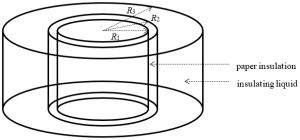
A transformer insulation system combines both solid and liquid Dämmstoffe, and each plays an important role. Together, they provide electrical insulation, mechanical support, and reliable protection for safe transformer operation.
Feste Isolierung

Solid transformer insulation includes Kraft paper, pressboard, and Aramidfasern. These Dämmstoffe support the transformer structure, separate the windings, and withstand electrical stress. Among them, Aramidfasern are widely used in high-performance transformers for their excellent heat resistance and mechanical strength.
Flüssigisolierung

Flüssigisolierung surrounds the solid Dämmstoffe, filling internal gaps and helping transfer heat away from the Transformator. Mineralöl remains the most common choice, while natürliche Ester, synthetic esters, and silicone fluids are becoming more popular for their improved fire safety and environmental performance.
Transformer Insulation Materials

Zellulose (Kraft/Pressspan)
Cellulose insulation materials, wie zum Beispiel Kraft paper Und pressboard, are widely used in Transformatorisolierung because they are kostengünstig, easy to process, Und readily available. However, they are sensitive to moisture, so proper moisture control is essential to maintain insulation performance and extend transformer service life.
Thermisch veredelte Zellulose
Thermally upgraded cellulose is specially treated to handle höhere Betriebstemperaturen. Compared with standard Kraft paper, it offers better aging resistance, helping Transformer operate at higher temperatures or achieve a longer service life under the same load.
Aramidfasern (Nomex®)

Aramid insulation (Nomex®) offers excellent Hitzebeständigkeit Und mechanical strength. Although more expensive than cellulose insulation, it is ideal for high-stress transformer insulation applications die erfordern lange Lebensdauer Und higher safety margins.
Dielektrische Flüssigkeiten

Flüssigisolierung is just as important as solid Transformatorisolierung for safe and reliable transformer operation.
Mineralöl – The most common transformer insulating oil, offering excellent dielectric performance and low cost, but with lower environmental sustainability.
Ester (natürlich oder synthetisch) – Umweltfreundlich, hoher Brennpunkt und bessere Feuchtigkeitstoleranz – immer beliebter für erneuerbare und städtische Anwendungen.
Silikonöle – A transformer insulating fluid designed for high-temperature applications, offering excellent stability but at a higher cost.
Wärmeklassen in der Transformatorisolierung

| Klasse | Max. Temperatur (°C) | Typische Materialien | Anwendungen / Hinweise |
|---|---|---|---|
| A | 105 | Baumwolle, Seide, unbehandelte Zellulose (Kraft, Pressspan) | Ältere Designs; geringere thermische Belastbarkeit; feuchtigkeitsempfindlich |
| B | 130 | Verbesserte Zellulose-, Glimmer- und Lacksysteme | Mäßige Beanspruchung; längere Lebensdauer als Klasse A |
| F | 155 | Polyesterfolien, Epoxidharze, Glasfaser | Häufig in modernen Mittellasttransformatoren |
| H | 180 | Silikonharze, Hochtemperaturverbundwerkstoffe, Glasfaser | Hohe Belastung/Industrie; raue Umgebungen |
| 200+ (N, R) | 200–220 | Aramid (Nomex®), Polyimid, fortschrittliche Laminate | Extreme Bedingungen; kompakte Designs mit hoher Leistungsdichte |
Die Transformatorisolierung wird bewertet durch Wärmeklasse, die die maximale sichere Temperatur definiert, die das Isoliersystem aushalten kann. Diese Klassen werden standardisiert durch IEC 60085 und beeinflussen direkt die Lebensdauer und Zuverlässigkeit des Transformators.
Klasse A (105 °C) – Traditionelle Materialien wie Baumwolle, Seide oder unbehandelte Zellulose. Häufig in älteren Designs, mit begrenzter Wärmebeständigkeit.
Klasse B (130 °C) – Verbesserte Systeme auf Zellulose- oder Glimmerbasis, die eine bessere Hitzebeständigkeit und längere Lebensdauer bieten.
Klasse F (155 °C) – Polyesterfolien, Epoxidharze oder Glasfasersysteme, die in modernen mittelschweren Konstruktionen verwendet werden.
Klasse H (180 °C) – Silikonharze und Hochtemperatur-Verbundwerkstoffe, ideal für anspruchsvolle industrielle oder hochbelastete Anwendungen.
Klasse 200+ (N, R usw.) – Fortschrittliche Aramid- und Polyimidsysteme, ausgelegt für extreme Bedingungen und eine längere Lebensdauer.
A simple rule is that every 10°C increase above the rated hot-spot temperature can reduce Transformatorisolierung life by half. Choosing the right Wärmeklasse helps improve safety, performance, and transformer service life.
Engineers use these Wärmeklassen to select the right Transformatorisolierung, helping transformers operate safely and reliably for decades under expected loads and operating conditions.
Isolationskoordination und dielektrische Tests

In Transformatoren Dämmkoordination geht es darum, das Isolationssystem an die elektrischen Belastungen anzupassen, denen es im Betrieb ausgesetzt ist. Dadurch wird sichergestellt, dass die Isolierung sowohl alltäglichen Betriebsspannungen als auch seltenen, aber schwerwiegenden Ereignissen wie Überspannungen oder Blitzeinschlägen standhält. Globale Standards wie IEC 60076-3 und ihre IEEE/ANSI-Äquivalente definieren, wie dies getestet und überprüft wird.
Zu den wichtigsten dielektrischen Tests gehören:
AC-Festigkeitsprüfung – Legt eine höhere Wechselspannung als normal an, um zu bestätigen, dass die Isolierung der Belastung standhält, ohne zusammenzubrechen.
Induzierter Test – Verdoppelt die Betriebsfrequenz, um die Wicklungsisolierung unter Hochspannungsbelastung zu testen und sicherzustellen, dass keine Schwachstellen vorhanden sind.
Blitzimpulstest – Simuliert einen echten Blitzeinschlag oder Schaltstoß und überprüft, ob der Transformator vorübergehende Überspannungen übersteht.
Teilentladungstest (PD) – Erkennt winzige Entladungen innerhalb der Isolierung, bevor sie zu größeren Fehlern werden, und dient so als Frühwarnsystem für Defekte.
Together, these tests verify dielectric strength Und Transformatorisolierung performance, ensuring safe, reliable operation throughout the transformer’s service life.
Transformer Insulation Aging

Hitze breaks down cellulose paper fibers, reducing mechanical strength and Transformatorisolierung Leben. Oxygen speeds oxidation, while Feuchtigkeit senkt dielectric strength, increasing the risk of insulation failure.
Transformer Insulation Testing

Regular insulation tests help keep Transformatorisolierung in good condition and support safe, reliable operation:
Analyse gelöster Gase (DGA): Detects gases from Transformatorisolierung aging, helping identify overheating or partial discharge early.
Power Factor (tan δ), Insulation Resistance& Polarization Index (PI) – Measure insulation condition, dielectric loss, and moisture levels.
Dielektrischer Frequenzgang (DFR): Evaluates moisture in paper Transformatorisolierung for more accurate aging assessment.
Teilentladungsüberwachung (PD): Detects small insulation faults before they develop into major failures.
Abschluss

Ein zuverlässiger transformer insulation system starts with the right materials, regular monitoring, and proper maintenance, helping improve safety, efficiency, and transformer service life.
Whether you’re designing, upgrading, or sourcing transformers, our team can help you choose the right Transformatorisolierung solution with expert support for your application.
Kontaktieren Sie uns noch heute to find the right Transformatorisolierung solution for your project and improve transformer safety, reliability, and efficiency.
Häufig gestellte Fragen zur Transformatorisolierung
1. What is transformer insulation?
Transformer insulation includes solid and liquid Dämmstoffe, such as paper, pressboard, mineral oil, and esters. They separate electrical parts, prevent short circuits, manage heat, and ensure safe operation.
2. Which insulation class is best for transformers?
Das hängt von der Anwendung ab. Class F (155°C) Und Class H (180°C) offer higher heat resistance and longer service life than Class A (105°C) oder Class B (130°C).
3. Can you test a transformer with a megger?
Yes. A Megger performs an insulation resistance (IR) test to check Transformatorisolierung and help detect moisture, contamination, or insulation aging.
4. What is the most common transformer insulating liquid?
Mineralöl is the most widely used transformer insulating oil because of its excellent dielectric performance and low cost. Natural esters are also becoming popular for better fire safety and environmental benefits.

 German
  English
  Spanish
  Russian
  Italian
  Chinese